
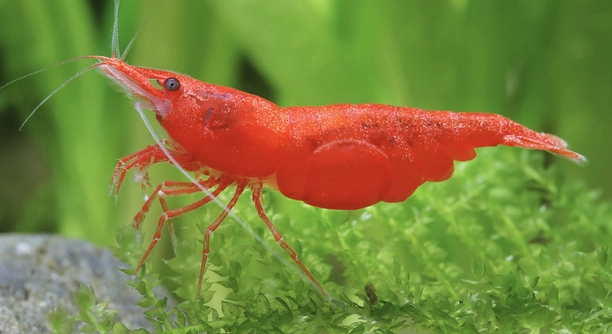
Cherry shrimp are delicate and sensitive creatures that can startle easily from sudden movements or vibrations. Their well-being depends on creating a calm and stable environment, allowing them to thrive without constant stress or fear.
Minimizing sudden disturbances, providing ample hiding spots, maintaining stable water conditions, and avoiding abrupt changes in light or decorations are key strategies. These steps reduce stress, prevent spooking, and support healthier, more active shrimp in home aquariums.
Following these methods will make your aquarium a peaceful space, supporting the shrimp’s natural behavior and promoting long-term health and comfort.
Provide Plenty of Hiding Spots
Cherry shrimp feel safest when they have places to hide. Plants, moss, and small decorations give them areas to retreat when they sense movement. Dense foliage and rocks create pockets of security, which reduces sudden stress responses. Even small caves or tubes work well for shrimp to rest and explore privately.
These hiding areas are not just for safety but also for molting. Shrimp molt frequently, and vulnerable molting shrimp need calm spaces to shed their exoskeleton without interruption.
Adding varied structures encourages natural behavior. Shrimp explore their environment more confidently when they know secure spaces are available. Live plants not only provide shelter but also improve water quality, offering food surfaces for biofilm. When setting up these areas, consider different textures and heights to accommodate multiple shrimp at once. Maintaining these structures ensures that the tank remains a low-stress environment, and observing shrimp in these spaces gives insight into their activity and comfort levels.
Maintain Stable Water Conditions
Sudden changes in water parameters can stress shrimp and make them skittish. Maintaining consistent temperature, pH, and hardness helps them feel secure.
Stable water encourages healthy growth and reduces unexpected behaviors caused by stress.
Regular testing and gradual adjustments are essential. Fluctuations in ammonia, nitrites, or nitrates can shock shrimp and lead to hiding or erratic swimming. Using a reliable heater and filtration system supports steady conditions, while partial water changes should be done carefully to avoid rapid shifts. Consistency in maintenance, feeding, and cleaning routines also reassures shrimp that their environment is predictable and safe. Shrimp respond to steady habitats with more natural behavior and less fear.
Water stability affects more than just mood. It influences molting, reproduction, and overall health. A shrimp that is comfortable in its environment will explore openly and interact with others, making the tank lively without constant stress. Keeping conditions steady prevents unnecessary disturbances and promotes longevity for all inhabitants.
Avoid Sudden Movements
Shrimp react quickly to vibrations and sudden motions around their tank. Moving slowly when feeding or cleaning prevents startling them.
Even gentle taps or quick hand movements near the glass can make shrimp retreat to hiding spots. Over time, repeated disturbances increase stress levels and reduce activity. By approaching the tank calmly, shrimp can feed and explore without fear, promoting healthier behavior and more consistent molting cycles.
Observing shrimp over time shows how sensitive they are to motion. Minimizing quick gestures allows them to remain visible and active. Consistent, slow actions during tank maintenance or water testing create an environment where shrimp feel safe. This stability encourages natural behavior, such as grazing on biofilm and interacting with plants or moss. Shrimp that feel secure in their environment are more resilient, less prone to stress-related issues, and more likely to thrive in community tanks. Proper handling also helps prevent accidental injuries during maintenance tasks.
Keep Lighting Gentle
Bright or fluctuating light can startle cherry shrimp and cause them to hide. Consistent, soft lighting reduces stress.
LEDs with dimmers or using shaded areas in the tank allows shrimp to adjust to light without abrupt changes.
A lighting schedule that mimics natural day and night cycles supports shrimp activity and molting. Sudden shifts, such as turning on a strong overhead light immediately, can trigger hiding or frantic swimming. Adjusting intensity gradually or providing floating plants to diffuse light ensures shrimp can move between shaded and lit areas comfortably. Low-stress lighting improves visibility, making shrimp more approachable without scaring them. Soft illumination also benefits plant growth and biofilm development, creating a more stable environment. When maintaining a balanced light schedule, shrimp exhibit calmer behavior and spend more time grazing openly, which enhances overall tank dynamics and visual enjoyment.
Limit Tank Vibrations
Even small vibrations can unsettle cherry shrimp. Avoid tapping the glass or bumping the tank.
Place the aquarium on a stable surface away from doors or heavy foot traffic to reduce constant disturbances.
Feed Consistently
Providing food at regular intervals helps shrimp feel secure. Irregular feeding can increase skittish behavior.
Shrimp learn routines quickly and feel more comfortable when they know when to expect food. Consistent portions prevent competition and reduce stress, allowing them to graze calmly and maintain healthy activity throughout the day.
Avoid Overcrowding
Too many shrimp in one tank increases stress and hiding behavior. Keep populations at manageable levels to ensure peace and comfort.
Maintain Clean Water
Clean, filtered water prevents sudden stress and supports overall shrimp health. Regular care reduces risk of erratic movements and spooking.
FAQ
Why do my cherry shrimp keep hiding?
Shrimp hide when they feel threatened or stressed. Common reasons include sudden movements, bright light, or lack of hiding spots. Providing plants, moss, and small decorations helps them feel secure. Stable water conditions and gentle handling also encourage shrimp to explore rather than remain in hiding.
Can water changes spook cherry shrimp?
Yes, sudden or large water changes can disturb shrimp. Gradually adjusting water parameters and performing partial water changes slowly helps minimize stress. Using a drip method or pre-mixing water to match tank temperature and pH ensures a smoother transition, preventing shrimp from panicking during maintenance.
Do shrimp get used to my presence?
Shrimp can become accustomed to regular, gentle movement around the tank. Approaching slowly and avoiding sudden gestures teaches them that humans are not a threat. Over time, they will be more visible and active, even during feeding or cleaning sessions.
Does tank size affect stress levels?
A cramped or overcrowded tank increases competition and hiding behavior. Adequate space reduces stress and allows shrimp to move freely. Maintaining an appropriate ratio of shrimp to tank volume, along with sufficient plants and decorations, supports calm and natural behavior.
How important is water temperature?
Stable water temperature is critical. Sudden shifts can spook shrimp and affect feeding or molting. Using a reliable heater and monitoring temperature daily prevents fluctuations. Consistency promotes health, reduces stress, and ensures shrimp remain active and comfortable in their habitat.
Can bright light stress shrimp?
Excessively bright or flickering light can startle shrimp. Soft, diffused lighting or shaded areas allows them to move comfortably. Mimicking natural day-night cycles supports normal behavior, making shrimp more likely to graze and interact with their environment.
Do tank mates affect shrimp behavior?
Aggressive or fast-moving fish can frighten shrimp. Choosing peaceful species or maintaining a shrimp-only tank reduces stress. Providing hiding spots also ensures shrimp can escape interactions, supporting calmer and more natural activity.
How often should I feed cherry shrimp?
Feeding at consistent times prevents stress and reduces frantic searching for food. Small, measured portions are best to avoid water pollution and competition. Predictable feeding routines help shrimp feel secure and encourage regular grazing on biofilm and plant surfaces.
Does noise near the tank matter?
Loud vibrations or constant noise can disturb shrimp, causing them to retreat. Placing the tank away from high-traffic areas or appliances reduces environmental stress. Stability in surroundings helps shrimp feel safe and more willing to explore openly.
What signs show shrimp are stressed?
Erratic swimming, constant hiding, or clinging to surfaces indicate stress. Monitoring these behaviors alongside water quality and tank conditions helps identify and correct factors that spook shrimp. Regular observation ensures timely intervention for their health and comfort.
Can sudden decorations or equipment changes scare shrimp?
Yes, moving plants, rocks, or filters abruptly can spook them. Rearranging slowly or introducing new items gradually allows shrimp to adapt without stress. Providing familiar hiding spots during transitions keeps them calm and maintains normal activity levels.
Is filtration noise a problem?
Strong currents or noisy filters may disturb shrimp. Choosing low-flow filters and positioning them carefully reduces stress. Balanced filtration maintains clean water without creating turbulence, helping shrimp feel safe and comfortable in their environment.
How do molting shrimp behave when stressed?
Shrimp are vulnerable during molting and hide more when stressed. Ensuring hiding spots and calm conditions supports successful molting. Avoid handling or disturbing the tank during this period to prevent injury or molting complications.
Does water chemistry affect skittish behavior?
Fluctuations in pH, hardness, or ammonia levels can frighten shrimp. Regular testing and gradual adjustments maintain stable water chemistry, reducing stress and promoting natural behavior. Proper water balance supports health, growth, and comfort.
Can temperature fluctuations during the day cause spooking?
Yes, even small swings can trigger retreat or frantic swimming. Using a heater and monitoring daily ensures consistent temperature, helping shrimp remain calm and active throughout the day. Stable conditions improve feeding, molting, and social behavior.
Do shrimp respond to human activity outside the tank?
They notice movements but gradually acclimate to predictable, gentle activity. Frequent, calm observation allows them to remain visible while learning that humans do not pose immediate danger. Consistency is key for reducing fear over time.
How long does it take for shrimp to feel secure in a new tank?
It can take several days to weeks depending on tank setup, hiding spots, and water stability. Providing plants, gentle lighting, and minimal disturbances speeds acclimation and encourages confident exploration and feeding.
Are all cherry shrimp equally sensitive?
Individual shrimp vary in temperament. Some are naturally more cautious, while others are bold. Offering consistent care, safe spaces, and stable conditions helps both shy and active shrimp feel secure and maintain normal behavior.
Does overfeeding cause stress?
Overfeeding can pollute water, increasing ammonia and stress levels. Small, measured portions at regular intervals reduce risk and promote calm grazing behavior. Monitoring consumption ensures shrimp eat adequately without compromising water quality or comfort.
How does tank layout influence behavior?
A well-planned layout with plants, moss, and decorations reduces hiding stress and provides escape routes. Vertical and horizontal spaces allow shrimp to move freely, lowering fear responses and encouraging natural activity patterns.
Final Thoughts
Keeping cherry shrimp calm and preventing them from getting spooked relies on creating a stable and predictable environment. These small creatures are naturally sensitive to sudden movements, bright lights, and changes in their surroundings. Even minor disturbances, such as tapping the glass or shifting decorations quickly, can cause them to hide or swim erratically. Providing ample hiding spots with plants, moss, or small caves is essential, as it allows shrimp to retreat when they feel threatened. Over time, these safe spaces help reduce stress and encourage more natural behavior, including grazing on biofilm and exploring the tank freely. Observing shrimp in a calm setting also gives insight into their health and activity levels, helping to identify any potential problems early.
Water conditions play a major role in their comfort and sense of security. Cherry shrimp thrive in stable water with consistent temperature, pH, and hardness. Sudden fluctuations can startle them and affect feeding, molting, and overall health. Maintaining proper filtration, performing gradual water changes, and monitoring water chemistry regularly are key steps to ensure a stable habitat. Gentle lighting and a controlled tank environment further reduce stress, making shrimp feel more secure and less likely to hide unnecessarily. It is also important to manage tank population, avoiding overcrowding and ensuring that tank mates are peaceful. Overpopulation or aggressive companions can increase tension and cause shrimp to retreat, which may interfere with feeding and natural activity.
Routine and consistency help shrimp adjust to their environment. Feeding at regular times, moving slowly around the tank, and handling maintenance with care allows shrimp to become accustomed to daily activities without fear. Even small details, such as minimizing vibrations or reducing noise near the tank, can significantly impact their behavior. Each shrimp may react differently, with some being naturally more cautious than others, but creating a calm, predictable habitat benefits all. By focusing on stability, gentle care, and thoughtful tank management, cherry shrimp can live comfortably and display natural behaviors. A well-maintained environment not only keeps them from being spooked but also supports their health, molting, and longevity, making the aquarium a peaceful and enjoyable space for both shrimp and observer.

Hello,
If you enjoy the content that we create, please consider saying a "Thank You!" by leaving a tip.
Every little bit helps us continue crafting quality advice that supports the health, happiness, and well-being of pets around the world, for pets of all shapes, sizes, and species.
We really appreciate the kindness and support that you show us!