
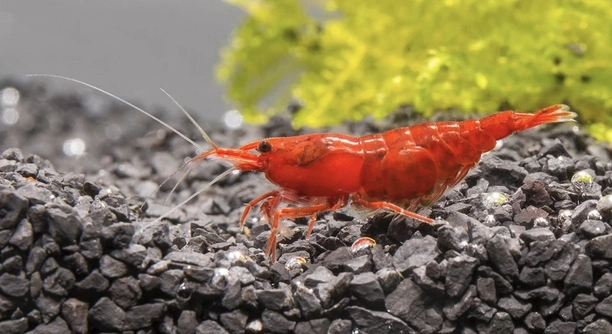
Are your shrimp showing signs of life and energy in your tank? Healthy shrimp exhibit subtle but clear behaviors that reflect their wellbeing. Observing them carefully can help you maintain a thriving aquatic environment.
Thriving shrimp display consistent movement, vibrant coloration, active feeding behaviors, and clear exoskeletons. Regular molting, interaction with their environment, and visible response to stimuli are reliable indicators of health and overall wellbeing, ensuring a balanced and sustainable habitat.
Recognizing these visual clues will help you support your shrimp’s growth and maintain a healthy, lively aquarium environment for them.
Bright and Consistent Coloration
Healthy shrimp often show vibrant and consistent colors across their bodies. When they are thriving, their reds, blues, or greens appear vivid rather than dull or faded. Faded or patchy coloration can indicate stress, poor diet, or unsuitable water conditions. Paying attention to color changes over time is an easy way to monitor overall health. Shrimp that are well-fed and live in stable, clean water will naturally maintain stronger colors. Temperature, pH, and water hardness also influence pigmentation, so keeping these stable is important. A sudden dulling of color may suggest the shrimp is preparing to molt or reacting to environmental stress. Regular observation ensures any potential problems are caught early. Feeding a balanced diet, rich in carotenoids or plant matter, can enhance natural color. Ensuring light exposure is appropriate also helps, as too little or excessive light may affect pigment intensity. Bright colors are an immediate visual clue of thriving shrimp, making them easy to spot.
Color intensity reflects shrimp health and environmental stability, serving as a simple monitoring tool for consistent wellbeing.
Maintaining vibrant shrimp colors requires consistent care. Feed high-quality foods and monitor water parameters regularly. Avoid sudden changes in temperature or pH. Include plants or hiding spaces in the tank, as they reduce stress and encourage natural behavior. Light should mimic natural cycles without being too harsh. Over time, you will notice that shrimp that thrive in these conditions display the brightest, most consistent colors. Tracking coloration patterns helps identify when adjustments are needed before serious health issues arise. Proper diet, clean water, and stress reduction are key factors in sustaining these visual indicators, giving you a reliable way to gauge your shrimp’s health daily.
Active and Purposeful Movement
Shrimp that move steadily across the substrate, climbing plants or decorations, are usually healthy. They explore their environment, search for food, and interact with other shrimp regularly.
Active movement signals good health and indicates that shrimp are well-fed, comfortable, and thriving in their aquarium conditions.
Observing shrimp movement over time provides insight into their wellbeing. Shrimp that remain stationary for long periods or appear lethargic may be stressed, unwell, or experiencing water quality issues. Encouraging activity can be as simple as providing varied hiding spots, clean surfaces, and proper nutrition. A tank with stable temperature and chemical parameters supports natural swimming patterns. Watching how shrimp navigate their environment reveals their comfort level and overall vitality. Proper activity levels also reduce aggression and competition among shrimp, contributing to a more balanced community. Regularly feeding in small portions ensures they forage naturally, supporting both physical and mental stimulation. Noticing these patterns makes it easier to maintain a thriving tank.
Regular and Healthy Molting
Molting is a normal part of a shrimp’s growth. Frequent, complete molts indicate that shrimp are developing properly and that their environment supports healthy exoskeleton formation.
Shrimp shed their old exoskeletons to grow, and observing this process is an important health indicator. Healthy shrimp will molt regularly, leaving behind intact exoskeletons. Incomplete or irregular molts can signal nutritional deficiencies, poor water quality, or stress. Providing a calcium-rich diet and maintaining stable water parameters help shrimp molt successfully. Hiding spots are also important, as shrimp are vulnerable during this process. Watching the frequency and quality of molts over time allows you to gauge overall health.
Newly molted shrimp appear softer and slightly paler, which is normal. They require calm, stable conditions to harden properly. Avoid sudden changes in water chemistry or temperature during this period. Proper feeding before and after molting supports recovery and future growth. Ensuring shrimp have access to minerals in their diet helps strengthen their new exoskeletons. Observing these signs consistently ensures your shrimp continue to thrive and develop at a healthy pace.
Clear Eyes and Antennae
Healthy shrimp have bright, clear eyes and fully functional antennae, which they use to sense their environment. Any cloudiness or damage may indicate stress or illness.
Shrimp rely on their eyes and antennae to navigate, find food, and interact with their surroundings. Clear, intact eyes reflect good nutrition and stable water conditions, while damaged or cloudy eyes can suggest poor water quality, injury, or nutritional imbalance. Antennae should be active and responsive, extending fully to explore surfaces and detect changes in the tank. Broken or missing antennae reduce their ability to interact and forage effectively, which can affect overall health. Observing these features regularly provides insight into environmental suitability and shrimp wellbeing. Maintaining clean water, a balanced diet, and safe tank decor supports proper sensory function.
Ensuring shrimp have strong, clear eyes and healthy antennae requires careful attention to tank conditions and nutrition. Avoid overcrowding and sharp decorations that could damage these delicate structures. Feeding a varied diet with essential vitamins supports sensory organ health. Observing antennae movement and eye clarity helps identify potential problems early, allowing adjustments to water chemistry or feeding routines before serious issues arise. Over time, thriving shrimp display consistently clear eyes and active antennae, making this a reliable visual clue for their overall health.
Active Foraging Behavior
Shrimp that actively search for food throughout the tank are typically healthy. They explore the substrate, plants, and decorations, demonstrating natural feeding instincts.
Consistent foraging shows that shrimp are comfortable in their environment and receiving proper nutrition. Lethargic or disinterested shrimp may be stressed or unwell.
Social Interaction
Shrimp that interact with each other by clustering, grooming, or gently touching show signs of thriving. Social behavior helps maintain a balanced community and reduces stress among tank inhabitants. Observing these interactions regularly provides insight into their wellbeing and environmental satisfaction.
Clean and Intact Exoskeleton
A healthy exoskeleton appears smooth and undamaged. Cracks, discoloration, or missing parts can signal environmental stress or nutritional deficiencies. Regular monitoring of exoskeleton condition helps ensure shrimp continue to develop properly and maintain their protective shell.
Feeding Response
Shrimp that respond quickly to feeding demonstrate good health. They actively approach offered food and consume it without hesitation, showing both alertness and vitality.
FAQ
How can I tell if my shrimp are stressed?
Shrimp show stress through changes in behavior and appearance. Lethargy, hiding constantly, or reduced feeding are common signs. Color may fade, and molting might become irregular. Water quality issues such as improper pH, temperature fluctuations, or high ammonia levels often trigger stress. Observing your shrimp regularly allows you to identify stress early and adjust tank conditions accordingly.
What should I feed shrimp to maintain vibrant colors?
Shrimp benefit from a varied diet rich in natural pigments and nutrients. Algae, biofilm, and specialized shrimp pellets with carotenoids enhance coloration. Occasional blanched vegetables like zucchini or spinach provide fiber and minerals. A balanced diet not only supports color but also overall health and proper molting.
How often should shrimp molt?
Molting frequency depends on age, species, and tank conditions. Young shrimp molt more often as they grow, sometimes weekly, while adults molt less frequently. Consistent, complete molts indicate healthy development. Incomplete or delayed molting may signal insufficient nutrition, poor water parameters, or stress. Providing calcium sources and maintaining clean water supports proper molting cycles.
Can shrimp survive in small tanks?
Yes, shrimp can thrive in small tanks if water conditions are stable and filtration is adequate. Even in compact setups, it is important to maintain proper temperature, pH, and ammonia levels. Hiding places and plants reduce stress and encourage natural behavior. Small tanks require more frequent water monitoring and maintenance to ensure a healthy environment.
Why do some shrimp hide more than others?
Shrimp may hide due to stress, molting, or social hierarchy. Some species are naturally more reclusive. Stressors include sudden changes in water parameters, overcrowding, or aggressive tank mates. Providing shelters like plants or decorations allows them to feel secure. Observation over time helps distinguish normal behavior from signs of stress or illness.
What water parameters are ideal for thriving shrimp?
Most freshwater shrimp prefer slightly acidic to neutral pH, stable temperatures around 72–78°F, and low ammonia or nitrite levels. Maintaining clean water with regular monitoring prevents stress and disease. Hardness and mineral content influence exoskeleton development and molting. Using a reliable water testing kit helps maintain consistent conditions, which is critical for thriving shrimp.
How do I encourage natural foraging behavior?
Provide a variety of surfaces like rocks, plants, and driftwood for biofilm growth. Feed small amounts regularly to encourage active searching. Avoid overfeeding, as uneaten food can deteriorate water quality. Observing shrimp explore and pick at surfaces shows they are comfortable and receiving proper nutrition.
Is it normal for shrimp to interact with each other frequently?
Yes, thriving shrimp often interact by grooming, touching, or clustering. Social interaction helps maintain community balance and reduces stress. Shrimp may also compete gently for food or territory. Lack of interaction, combined with inactivity or hiding, may indicate environmental issues or health problems.
How can I prevent molting problems?
Maintain stable water parameters and provide a mineral-rich diet. Hiding spots are crucial because shrimp are vulnerable during molting. Avoid sudden temperature or pH changes and remove aggressive tank mates that may harass soft-bodied shrimp. Observing the frequency and quality of molts helps identify problems early.
What signs indicate a shrimp is sick or dying?
Lethargy, loss of appetite, faded colors, erratic swimming, and damaged exoskeletons are warning signs. Early detection is key. Check water parameters immediately and isolate affected shrimp if necessary. Maintaining a clean, well-balanced environment minimizes illness and supports long-term shrimp health.
How important is tank maintenance for thriving shrimp?
Regular cleaning, water changes, and monitoring of chemical parameters are essential. Even minor fluctuations in ammonia, nitrite, or pH can affect shrimp health. Removing debris, excess food, and waste prevents water quality issues. A well-maintained tank ensures a stable environment where shrimp can feed, molt, and interact naturally.
Can shrimp thrive with other species in the tank?
Shrimp can coexist with small, non-aggressive species, but predatory fish or larger invertebrates may harm them. Providing dense vegetation, hiding places, and careful selection of tank mates reduces risk. Observing interactions ensures that shrimp remain active and healthy without stress from other inhabitants.
How do I know if shrimp are feeding properly?
Active shrimp will approach food immediately and forage across the tank. Leftover food should be minimal if feeding is appropriate. Regular observation of feeding behavior ensures shrimp are receiving enough nutrition and allows you to adjust portions or diet type. Feeding response is a reliable indicator of overall health.
What environmental changes support thriving shrimp?
Stable temperature, consistent pH, clean water, and adequate hiding spaces are key. Adding live plants encourages biofilm growth, which is a natural food source. Avoid sudden changes or overcrowding, as these increase stress. A stable, enriched environment promotes activity, molting, coloration, and overall shrimp vitality.
How long do shrimp usually live?
Most freshwater shrimp live between 1 and 3 years depending on species and care. Lifespan is influenced by water quality, nutrition, and stress levels. Maintaining proper tank conditions, providing a balanced diet, and monitoring health indicators helps shrimp reach their full potential lifespan while thriving.
How can I improve shrimp coloration naturally?
Feeding carotenoid-rich foods, providing natural biofilm, and ensuring stable water parameters enhance pigmentation. Occasional vegetables like spinach, kale, or carrots support vibrant colors. Proper lighting also helps display natural hues. Regular observation of color intensity helps track health and environmental suitability, providing a clear sign of thriving shrimp.
What are common mistakes to avoid with shrimp care?
Overfeeding, poor water quality, sudden parameter changes, and incompatible tank mates are frequent mistakes. Skipping water testing or neglecting molting needs can lead to health problems. Consistent observation, regular maintenance, and a balanced diet prevent these issues and support shrimp growth, coloration, and active behavior.
How do I monitor shrimp health daily?
Observe movement, coloration, feeding behavior, and interactions with tank mates. Check for molting frequency and exoskeleton condition. Regular water testing ensures parameters remain stable. Noting any changes allows early intervention, ensuring shrimp remain thriving and active in a healthy environment.
How important is diet variety for shrimp?
Variety ensures shrimp receive essential nutrients, supporting color, molting, and activity. Combining pellets, biofilm, algae, and occasional vegetables provides balanced nutrition. Diet diversity prevents deficiencies and promotes long-term health, helping shrimp thrive naturally in their habitat.
How can I encourage shrimp to stay visible and active?
Providing hiding spots reduces stress while encouraging exploration. Feeding in small amounts and maintaining stable water conditions supports natural activity. Observing shrimp movement regularly confirms they are comfortable and thriving. Proper tank design and care make shrimp more interactive and easy to monitor.
What should I do if shrimp stop eating?
Check water parameters immediately, as changes can stress shrimp. Evaluate diet and adjust feeding amounts or types. Ensure tank mates are not harassing them. Monitoring behavior and environment closely helps resolve the issue and restores normal feeding activity.
How often should I perform water changes?
Regular water changes, typically 10–20% weekly, maintain water quality and reduce harmful chemicals. Frequency depends on tank size, stocking density, and filtration. Consistent water changes prevent stress, support molting, and promote overall shrimp health.
How can I ensure young shrimp thrive?
Provide dense vegetation and hiding spots for protection. Feed small, nutrient-rich foods suitable for juveniles. Stable water conditions and careful monitoring of molting and growth rates help young shrimp develop into healthy adults. Avoid overcrowding to reduce stress and competition.
What is the best way to introduce new shrimp to an existing tank?
Acclimate slowly using a drip method to prevent shock from parameter differences. Monitor interactions and behavior carefully. Gradual introduction reduces stress, encourages acceptance, and ensures new shrimp can feed, molt, and interact safely with established inhabitants.
Can I keep shrimp with snails?
Yes, peaceful snails do not harm shrimp and can help clean the tank. Avoid large or aggressive snail species that may compete for food. Proper coexistence supports a balanced, thriving tank environment.
What are signs of overpopulation in a shrimp tank?
Crowding can lead to stress, competition for food, and poor water quality. Signs include aggressive behavior, slow growth, and increased mortality. Monitoring population density and providing adequate space ensures shrimp remain healthy and active.
How do I maintain a balanced shrimp tank ecosystem?
Regular water changes, proper feeding, monitoring population, and maintaining live plants create a stable environment. Avoid overstocking and keep chemical parameters consistent. A balanced ecosystem supports natural behavior, healthy growth, and thriving shrimp.
What is the role of plants in a shrimp tank?
Plants provide hiding spots, surfaces for biofilm growth, and contribute to water quality by absorbing nitrates. Dense vegetation reduces stress and encourages natural behavior. Properly maintained plants support thriving shrimp by enhancing both nutrition and security.
How do I prevent algae overgrowth in a shrimp tank?
Control light exposure, avoid overfeeding, and maintain balanced nutrient levels. Regular water changes and live plants help limit algae growth. A healthy tank with active shrimp naturally manages minor algae while supporting overall ecosystem stability.
Can shrimp live in brackish water?
Some species tolerate slightly brackish conditions, but most freshwater shrimp prefer consistent freshwater. Sudden salinity changes can stress or kill shrimp. Research species requirements carefully before adjusting water chemistry. Maintaining stable conditions ensures health and longevity.
What is the best way to handle shrimp safely?
Minimize handling, use soft nets, and avoid sudden movements. Wet hands or nets prevent damage to delicate exoskeletons. Careful handling reduces stress and supports continued thriving behavior.
How do I recognize disease in shrimp early?
Watch for inactivity, color loss, abnormal swimming, or damaged exoskeletons. Early detection allows prompt action, such as water testing, isolation, or diet adjustments. Consistent observation is the key to preventing disease spread and maintaining thriving shrimp.
How can I make shrimp breeding successful?
Stable water conditions, proper diet, and hiding places increase survival rates. Ensure adequate space and avoid stress from tank mates. Observing female shrimp for berried behavior helps track reproductive health. Supporting natural conditions encourages thriving offspring and population growth.
How do I clean the tank without harming shrimp?
Remove debris and perform partial water changes using dechlorinated water. Avoid harsh chemicals or sudden water parameter changes. Gently clean surfaces and decorations to maintain a safe, thriving environment for shrimp.
How important is observation in shrimp care?
Daily monitoring of behavior, color, feeding, and molting allows early detection of problems. Observation ensures environmental stability and supports long-term health, making it one of the most effective tools for thriving shrimp care.
What is the most common mistake beginners make with shrimp?
Neglecting water quality and overfeeding are frequent errors. Sudden parameter changes or inadequate hiding places also harm shrimp. Consistent maintenance, monitoring, and careful feeding prevent issues and support thriving populations.
How can I tell if shrimp are thriving overall?
Vibrant colors, regular molting, active foraging, clear eyes, responsive antennae, and social interactions indicate thriving shrimp. Observing these signs together provides a clear picture of their health, behavior, and environmental suitability. Regular care ensures they remain lively and healthy.
How do I keep shrimp healthy long-term?
Maintain stable water parameters, provide a varied diet, ensure sufficient hiding spots, and monitor behavior regularly. Avoid overcrowding and sudden changes. Supporting all aspects of their environment promotes sustained growth, activity, and vitality over time.
How important is tank size for thriving shrimp?
While shrimp can survive in small tanks, adequate space promotes activity, reduces stress, and prevents overpopulation. Proper filtration and careful stocking ensure a balanced, thriving environment regardless of tank size.
How do I encourage shrimp to interact with their environment?
Provide plants, decorations, and varied surfaces. Feed small portions to promote natural foraging. A well-structured tank supports exploration, climbing, and social behaviors, helping shrimp remain active and healthy.
What are the best indicators of shrimp health to monitor daily?
Coloration, movement, feeding response, molting frequency, and social interactions are key indicators. Regular observation ensures shrimp continue thriving and allows early intervention when issues arise.
How do I prevent sudden shrimp deaths?
Stable water parameters, gradual environmental adjustments, and proper nutrition reduce risk. Avoid overcrowding and aggressive tank mates. Observing shrimp behavior helps detect early warning signs and prevent mortality.
Can shrimp adapt to different water parameters?
Some species tolerate slight variations, but most thrive in stable conditions. Gradual adjustments are necessary if changes are needed. Sudden shifts can stress shrimp, affecting feeding, molting, and activity levels.
What role does biofilm play in shrimp health?
Biofilm is a natural food source that provides essential nutrients. Encouraging biofilm growth on surfaces supports feeding, coloration, and overall vitality. Removing all biofilm can reduce natural foraging and stress shrimp.
How do I know if shrimp are reproducing successfully?
Berried females, consistent juvenile sightings, and healthy growth indicate successful reproduction. Proper nutrition, stable water, and sufficient hiding spots support thriving offspring. Observation confirms reproductive health and population sustainability.
How can I balance shrimp population in a tank?
Monitor growth rates, remove excess juveniles if needed, and avoid overcrowding. Adequate space, feeding, and hiding spots support sustainable populations while reducing stress and competition among shrimp.
How do I prevent aggression among shrimp?
Provide hiding spots, avoid overcrowding, and maintain stable water conditions. Most shrimp are peaceful, but limited resources or stress can trigger aggression. Careful monitoring and environmental management maintain harmony.
How do I handle shrimp safely during tank cleaning?
Use soft nets, minimize handling, and ensure hands or tools are wet. Avoid sudden movements or harsh chemicals. Gentle handling reduces stress and preserves exoskeleton integrity.
What is the best lighting setup for shrimp tanks?
Moderate lighting supports plant growth without stressing shrimp. Avoid excessive brightness that can cause hiding or inactivity. A consistent light schedule promotes natural behavior and thriving conditions.
How often should I check water parameters?
Frequent testing, ideally weekly or after any changes, ensures stable conditions. Monitoring pH, temperature, ammonia, nitrite, and nitrate levels prevents stress and supports overall shrimp health.
Can shrimp thrive in planted tanks only?
Yes, heavily planted tanks provide shelter, surfaces for biofilm, and natural nutrition. Plants also stabilize water quality. Proper plant density encourages natural behavior and supports thriving shrimp populations.
How do I know if shrimp are happy in the tank?
Active movement, vibrant coloration, frequent feeding, social interactions, and regular molting indicate comfort and wellbeing. Observing these behaviors daily confirms that shrimp are thriving in their environment.
What is the ideal temperature range for most freshwater shrimp?
Most species thrive between 72–78°F. Consistent temperature prevents stress, supports molting, and encourages natural activity. Sudden fluctuations can affect health and feeding behaviors.
How do I reduce stress during water changes?
Perform gradual changes, use dechlorinated water, and maintain temperature and pH consistency. Avoid disturbing hiding spots and handle shrimp minimally. These steps prevent stress and maintain thriving behavior.
Can shrimp thrive without live plants?
Yes, but live plants provide food sources, hiding places, and water stabilization. Tanks without plants require alternative shelters and careful monitoring to ensure shrimp remain active and healthy.
How do I ensure shrimp get enough nutrition daily?
Feed small, varied portions regularly. Include pellets, biofilm, algae, and occasional vegetables. Observing foraging behavior ensures shrimp consume adequate food for growth, coloration, and molting.
How do I recognize natural shrimp behavior?
Active exploration, foraging, social interaction, and regular molting are normal. Observing these behaviors helps differentiate thriving shrimp from stressed or unhealthy individuals.
What is the role of hiding spaces in shrimp tanks?
Hiding spaces reduce stress, protect molting shrimp, and encourage natural exploration. Properly placed shelters support active, healthy shrimp and prevent aggression or predation.
How do I support shrimp during molting?
Provide stable water conditions, sufficient minerals, and hiding spots. Avoid disturbance or aggressive tank mates. Proper support ensures successful molts and continued growth.
How can I improve shrimp survival in crowded tanks?
Maintain stable water parameters, provide ample hiding places, and feed small portions frequently. Monitor behavior to reduce stress and competition, ensuring shrimp remain healthy despite higher population density.
Can shrimp thrive with other invertebrates?
Yes, peaceful snails or small shrimp-compatible invertebrates can coexist. Avoid aggressive or predatory species. Proper tank setup supports thriving mixed communities without stress or conflict.
How important is tank filtration for shrimp health?
Efficient filtration maintains clean water, reduces toxins, and stabilizes parameters. Proper filtration prevents stress, supports feeding and molting, and ensures long-term thriving conditions.
How do I avoid shrimp overfeeding?
Feed small portions and remove uneaten food promptly. Overfeeding leads to water quality issues and stress. Observing consumption habits ensures shrimp receive proper nutrition without excess waste.
Can shrimp recover from illness?
Yes, with prompt intervention. Correct water parameters, proper nutrition, and isolation if necessary support recovery. Early detection is key to successful treatment and continued thriving.
How do I monitor shrimp population growth?
Track juvenile sightings, berried females, and overall numbers. Adequate space, hiding spots, and stable conditions promote healthy population growth without overcrowding.
What is the ideal tank setup for thriving shrimp?
Stable water parameters, adequate hiding spots, live plants, gentle filtration, and proper lighting create an environment where shrimp can feed, molt, and interact naturally. Regular maintenance ensures continued health and activity.
How do I reduce shrimp mortality?
Maintain clean water, stable parameters, proper nutrition, and sufficient hiding spaces. Avoid aggressive tank mates and sudden environmental changes. Regular observation helps identify and resolve issues early.
Can shrimp live with small fish?
Yes, as long as fish are non-aggressive and not large enough to eat shrimp. Proper hiding places and careful monitoring prevent stress and ensure thriving shrimp.
How do I know if shrimp are thriving after changes?
Observe color, movement, molting frequency, feeding behavior, and social interactions. Positive changes in these indicators confirm shrimp are adapting and thriving in new conditions.
What is the role of water hardness in shrimp health?
Adequate hardness supports exoskeleton development, molting, and mineral absorption. Soft water may lead to incomplete molts or weak shells. Monitoring and adjusting hardness ensures healthy growth and thriving shrimp.
How do I prevent disease in shrimp tanks?
Maintain stable water parameters, provide a balanced diet, avoid overcrowding, and monitor behavior. Early detection and prompt action reduce disease risk and support thriving populations.
How do I know if shrimp are reproducing too quickly?
Rapid population growth
Observing shrimp closely is the most effective way to ensure they are thriving in your aquarium. By paying attention to their coloration, movement, feeding behavior, molting patterns, and social interactions, you can quickly identify whether they are healthy or if adjustments are needed. Vibrant colors, active foraging, and consistent molting are all clear indicators that shrimp are comfortable and well cared for. Regular observation allows you to catch minor issues before they turn into larger problems. Simple habits, like maintaining clean water, monitoring temperature and pH, and providing a balanced diet, go a long way in supporting their overall health. Creating a stable environment minimizes stress and encourages natural behavior, making your shrimp more active, interactive, and visually appealing.
Proper nutrition is essential for keeping shrimp thriving. A varied diet that includes pellets, biofilm, algae, and occasional blanched vegetables ensures that they receive the necessary nutrients for growth, coloration, and successful molting. Carotenoid-rich foods can enhance their natural pigmentation, making them brighter and more noticeable in the tank. Feeding in small, consistent amounts prevents overfeeding, which can negatively affect water quality and increase stress. Providing access to calcium and other minerals helps maintain strong, healthy exoskeletons. Observing how shrimp respond to food is another way to monitor their health. Shrimp that eagerly approach food and actively forage across the tank are usually comfortable and thriving, while disinterest in feeding can indicate stress, illness, or poor water conditions.
Creating a suitable environment is equally important for shrimp health. Adequate hiding spots, live plants, and clean surfaces support natural behavior and reduce stress. Stability in water parameters such as temperature, pH, hardness, and chemical balance is critical, as even minor fluctuations can affect shrimp activity and molting. Regular water changes and careful monitoring of ammonia, nitrite, and nitrate levels prevent harmful buildup and maintain a safe habitat. Social interactions among shrimp, such as gentle clustering or grooming, are positive signs of wellbeing and a balanced tank. By focusing on these factors consistently, you can ensure that your shrimp remain lively, healthy, and thriving. Observing their behaviors, maintaining proper nutrition, and creating a stable environment will result in a sustainable, visually vibrant, and balanced aquarium for your shrimp.

Hello,
If you enjoy the content that we create, please consider saying a "Thank You!" by leaving a tip.
Every little bit helps us continue crafting quality advice that supports the health, happiness, and well-being of pets around the world, for pets of all shapes, sizes, and species.
We really appreciate the kindness and support that you show us!