
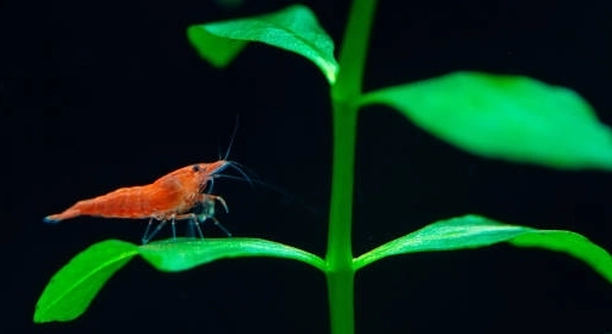
Do you enjoy keeping cherry shrimp in your aquarium but find yourself wondering which substrate they thrive on best? Many hobbyists are unsure whether sand or gravel provides the ideal environment for these delicate creatures.
Cherry shrimp generally prefer fine-grained sand over gravel, as it allows for easier foraging, reduces the risk of injury, and supports natural behavior patterns. Sand also promotes beneficial bacterial growth, improving water quality and overall shrimp health.
Choosing the right substrate can make a big difference in your shrimp’s comfort and longevity. We will explore how to create the most suitable environment.
Why Sand Works Best for Cherry Shrimp
Sand provides a soft and safe environment for cherry shrimp. Its fine grains allow shrimp to sift through and find leftover food easily, mimicking natural conditions. Unlike gravel, sand reduces the risk of shrimp getting trapped or injured while exploring. Over time, sand also supports the growth of beneficial bacteria that help maintain clean water and a balanced ecosystem in the tank. Many shrimp owners notice more active and healthy shrimp when using sand compared to coarser substrates. Sand holds moisture better, which keeps shrimp eggs stable and prevents them from drying out. It also allows plants to root more securely, adding stability to the tank’s overall layout. Maintaining sand is straightforward with regular gentle siphoning, avoiding the disruption of shrimp habitats. While it may seem simpler to use gravel, the long-term benefits of sand make it a superior choice for promoting shrimp health and natural behavior.
Sand not only supports shrimp physically but also encourages consistent feeding habits. Shrimp interact more naturally with a sand substrate, improving their overall activity.
Choosing sand over gravel can enhance both the shrimp’s comfort and the tank’s appearance. Proper maintenance ensures that the substrate continues supporting the shrimp’s health and growth over time.
Gravel Considerations for Shrimp Tanks
Gravel can be easier to clean but is less forgiving for delicate shrimp. Its larger particles can trap food, leading to decay and water quality issues.
While gravel is a viable option for some aquariums, it requires careful attention to prevent debris buildup. Regular siphoning between the gaps is essential to avoid bacterial blooms. Some types of gravel can also be rough, potentially harming the shrimp or making egg-laying more difficult. Gravel does not hold beneficial bacteria as efficiently as sand, which may require additional filtration or water changes to maintain healthy conditions. Plants may struggle to root properly in gravel, affecting the tank’s stability and aesthetic. Despite these challenges, gravel can be used if the tank is designed with shrimp needs in mind. Choosing rounded or smaller gravel pieces can reduce risks. Monitoring water parameters and cleaning diligently ensures shrimp remain healthy even on a gravel substrate. The key is balancing convenience with shrimp safety, prioritizing natural behavior and tank hygiene for long-term success.
Cleaning and Maintaining Substrates
Regular cleaning is essential for both sand and gravel. Removing uneaten food and debris prevents water quality issues.
For sand, gentle siphoning works best to avoid disturbing shrimp. Gravel requires careful vacuuming between the larger particles. Both substrates benefit from partial water changes weekly. Avoid harsh scrubbing, as it can harm beneficial bacteria and disturb the tank’s balance. Observing your shrimp during cleaning helps ensure they aren’t stressed or trapped. Using a soft net or siphon attachment designed for delicate tanks makes the process easier. Over time, consistent maintenance keeps the substrate healthy, supporting shrimp growth and activity. Proper care prevents algae buildup and keeps the environment stable.
Cleaning frequency depends on shrimp population and tank size. Overfeeding increases the need for substrate maintenance, while a well-planted tank can reduce debris accumulation. Keeping up with small tasks avoids bigger problems later and maintains optimal living conditions for your shrimp.
Maintaining substrate also supports plant health. Healthy plants stabilize water parameters, offer hiding spots, and improve shrimp comfort. Sand allows roots to spread naturally, while gravel may need added soil or fertilizer to achieve similar results. Regular monitoring of water parameters alongside substrate care ensures a thriving ecosystem, reducing stress on the shrimp and improving their overall activity and reproduction rates.
Choosing the Right Substrate for Tank Plants
Plant growth is influenced by substrate type. Sand supports root expansion and nutrient absorption.
Gravel may need supplemental soil or root tabs to nourish plants properly. Dense planting works well with sand, allowing shrimp to forage and interact with plants safely. Gravel can restrict some plant species, limiting tank design options. Sand retains nutrients close to roots, promoting steady growth and preventing plants from floating away. Careful planning with gravel can work, but sand provides a more natural, low-maintenance option. Shrimp benefit from hiding places among healthy plant roots, which also help filter the water. A balanced setup with the right substrate encourages both plant and shrimp health.
Sand supports thriving aquatic plants, improving oxygenation and water stability. Gravel can be used, but extra care is needed to maintain nutrient levels. Observing plant growth helps determine if the substrate is performing well. Shrimp interact with plants more freely in sand, which enhances natural behavior. Fertilizers and root tabs can supplement gravel, but sand reduces the need for these additions. Selecting the substrate with both plants and shrimp in mind ensures a harmonious, low-stress tank environment that supports long-term health for all inhabitants.
Feeding Habits on Different Substrates
Sand allows cherry shrimp to sift through and find small food particles easily. They can access leftover flakes or pellets without getting stuck.
Gravel may trap food between larger stones, requiring more attention to prevent decay. Shrimp may spend extra time searching for meals in this substrate.
Algae Growth and Substrate
Algae tends to accumulate differently on sand and gravel. Sand provides a smooth surface that is easier to clean, while gravel crevices can hide algae. Regular maintenance and gentle scrubbing help control algae, keeping the tank environment healthier for shrimp.
Substrate and Shrimp Molting
Soft substrates like sand reduce the risk of injury during molting. Sharp gravel edges can damage new shells, making sand a safer choice.
Long-Term Tank Health
A well-maintained substrate supports stable water parameters and healthy shrimp populations. Both sand and gravel work if cleaned regularly, but sand simplifies upkeep and promotes natural behavior.
FAQ
Do cherry shrimp need sand to survive?
Cherry shrimp do not strictly need sand to survive, but sand provides a safer and more natural environment. Fine grains allow them to forage easily, avoid injury, and interact naturally with plants. Gravel can work, but it may require extra care to prevent trapped debris and shell damage. Sand also supports beneficial bacteria growth, which helps maintain stable water quality for the shrimp.
Can cherry shrimp live on gravel?
Yes, cherry shrimp can live on gravel, but the tank will require more maintenance. Uneaten food can get stuck between gravel pieces, which may degrade water quality. Choosing smooth, small gravel reduces the risk of injury, and additional cleaning ensures shrimp remain healthy. Gravel does not hold nutrients for plants as effectively as sand, so plant growth may be limited unless supplemented.
Is sand better for shrimp eggs?
Sand is generally better for shrimp eggs because it provides a stable surface and reduces the risk of eggs being lost or damaged. Fine grains allow the eggs to remain partially buried, mimicking natural conditions. Gravel can work, but larger gaps may let eggs fall through or become trapped, making care more challenging. Maintaining clean water is crucial regardless of substrate type.
How often should I clean sand or gravel?
Cleaning depends on the shrimp population and feeding habits. Sand can be gently siphoned weekly to remove debris without disturbing the shrimp. Gravel requires more careful cleaning between stones to prevent trapped food from causing bacterial issues. Partial water changes combined with substrate maintenance help maintain a healthy environment. Over-cleaning should be avoided to preserve beneficial bacteria.
Will substrate affect shrimp molting?
Yes, substrate type can influence molting. Soft sand is safer for new shells, reducing the risk of injury. Sharp or rough gravel can damage molted shells, causing stress or mortality. Sand provides a cushioned surface, allowing shrimp to molt comfortably and promoting natural behavior. Monitoring shrimp during molting is important in any tank setup.
Can I mix sand and gravel?
Mixing sand and gravel is possible but may create challenges. Sand can settle below gravel, making cleaning more difficult. If mixed carefully, it can provide both plant support and foraging areas. Layering sand beneath gravel is another option, offering benefits of both substrates while keeping shrimp safe. Observation and maintenance are key to preventing water quality problems.
Do shrimp eat algae on sand or gravel differently?
Shrimp eat algae on both substrates, but sand offers easier access due to its smooth surface. Gravel crevices may hide algae, making it harder for shrimp to reach. Regular light cleaning of algae and substrate ensures shrimp can feed effectively and supports a balanced tank ecosystem.
Which substrate is easiest to maintain?
Sand is generally easier to maintain because it traps fewer large debris pieces and allows for gentle siphoning. Gravel requires more careful cleaning to avoid trapped food and decaying matter. Both substrates need routine water changes and monitoring, but sand reduces the risk of unnoticed debris affecting water quality.
Do shrimp prefer planted tanks with sand or gravel?
Shrimp tend to thrive in planted tanks with sand because plants root more securely and provide natural hiding spots. Gravel can work if supplemented with soil or fertilizers, but plants may struggle to anchor properly. Healthy plants improve water quality and give shrimp areas to explore safely.
Can substrate choice affect shrimp behavior?
Yes, substrate influences behavior. Sand encourages natural foraging, burrowing, and interaction with plants. Gravel may slow movement or cause shrimp to spend more time searching for food. Observing shrimp activity can help determine if the substrate is suitable for promoting healthy, natural behavior.
Is there a difference in water quality between sand and gravel?
Sand often supports better water quality because it allows for more consistent bacterial growth and traps fewer large debris pieces. Gravel can harbor hidden waste that decays over time. Both require regular cleaning, but sand provides a more stable environment with less risk of sudden water parameter fluctuations.
What is the best substrate for beginners?
Sand is usually the best choice for beginners. It’s easier to clean, safer for shrimp, supports plants naturally, and reduces the risk of molting injuries. Gravel can work, but beginners need to pay closer attention to maintenance and debris removal to avoid harming the shrimp or impacting water quality.
How thick should the substrate layer be?
A 1–2 inch layer of sand or gravel is generally sufficient. Sand may require slightly deeper coverage for rooting plants, while gravel should be deep enough to support plants without creating trapped dead zones. The right thickness ensures shrimp can forage safely and plants remain stable.
Can substrate affect water parameters like pH?
Yes, certain types of gravel or sand can slightly influence pH. Inert sand is usually neutral, while some mineral-rich gravel may raise hardness or alkalinity. Monitoring water parameters regularly helps ensure a stable environment regardless of substrate choice.
Does substrate impact shrimp breeding?
Substrate can impact breeding success. Sand provides a safe, stable surface for eggs and reduces stress during molting, encouraging reproduction. Gravel can work but may require extra care to prevent eggs from getting lost or damaged. Healthy water and clean substrate are key for consistent breeding.
Can I switch substrates after setting up the tank?
Switching substrates is possible but stressful for shrimp. If you decide to change from gravel to sand, do it gradually, and consider temporary relocation to prevent injury or stress. Proper cleaning and acclimation are essential to maintain water quality and shrimp health.
Are there special tools needed for substrate care?
A gentle siphon and soft net are usually sufficient. Avoid strong vacuums or scrubbing that can disturb shrimp or beneficial bacteria. Tools designed for delicate tanks make cleaning easier while preserving the substrate’s benefits for shrimp and plants.
Does substrate type affect shrimp lifespan?
Substrate indirectly affects lifespan. Safe, clean substrates like sand reduce stress, prevent injuries, and support natural behavior, all of which contribute to longer, healthier lives. Gravel can work if maintained properly, but mistakes in care may shorten lifespan due to water quality or molting issues.
Can cherry shrimp live without any substrate?
Technically, shrimp can survive without substrate, but it is not ideal. Bare-bottom tanks are harder to maintain for plants and shrimp comfort. Substrate provides hiding spots, foraging areas, and surfaces for beneficial bacteria, all of which support long-term health and natural behavior.
Is sand more expensive than gravel?
Sand is often slightly more expensive upfront, but the benefits for shrimp health, easier maintenance, and plant growth make it worthwhile. Gravel may cost less but can lead to more work and additional supplies to maintain a safe, healthy environment.
How do I choose between sand and gravel?
Consider shrimp safety, plant needs, and maintenance preferences. Sand is safer and easier for natural behavior, while gravel can work with careful cleaning and plant support. Observing shrimp activity and tank stability helps determine the best choice for your specific setup.
Choosing the right substrate for cherry shrimp is more than just a matter of personal preference. The type of substrate you use directly affects the shrimp’s safety, comfort, and natural behavior. Sand is generally the safer option because it allows shrimp to forage easily and reduces the risk of injury, especially during molting. Its fine grains create a soft surface where eggs can remain stable, and shrimp can move freely without getting caught or stressed. Gravel can work in certain setups, but it requires more careful cleaning and observation to prevent trapped debris and water quality issues. Over time, the choice of substrate influences not only the shrimp’s health but also the overall balance and stability of the tank.
Maintaining the substrate properly is key to creating a healthy environment. Regular siphoning and gentle cleaning help remove uneaten food and prevent harmful buildup of waste. Sand tends to be easier to manage, as it traps fewer large particles and supports the growth of beneficial bacteria that maintain water quality. Gravel requires more attention to ensure that debris does not accumulate between stones. Both substrates benefit from partial water changes, but sand reduces the risk of sudden water parameter fluctuations. Healthy plants also interact better with sand, giving shrimp hiding spots, foraging areas, and surfaces for natural behaviors, which helps maintain a stress-free environment.
Ultimately, the best substrate balances the shrimp’s needs with tank maintenance and plant growth. Sand supports natural behavior, makes cleaning easier, and improves plant stability, which in turn enhances water quality and shrimp activity. Gravel can be used, but it is best suited for more experienced hobbyists who are willing to monitor and maintain it closely. Observing shrimp behavior and plant health over time will indicate whether the chosen substrate is working well. By prioritizing the shrimp’s safety, comfort, and long-term well-being, you create a stable, thriving environment that encourages healthy activity, successful breeding, and a visually appealing tank. A thoughtful approach to substrate selection and care ensures that your cherry shrimp live in a space where they can flourish naturally and remain healthy for years to come.

Hello,
If you enjoy the content that we create, please consider saying a "Thank You!" by leaving a tip.
Every little bit helps us continue crafting quality advice that supports the health, happiness, and well-being of pets around the world, for pets of all shapes, sizes, and species.
We really appreciate the kindness and support that you show us!