
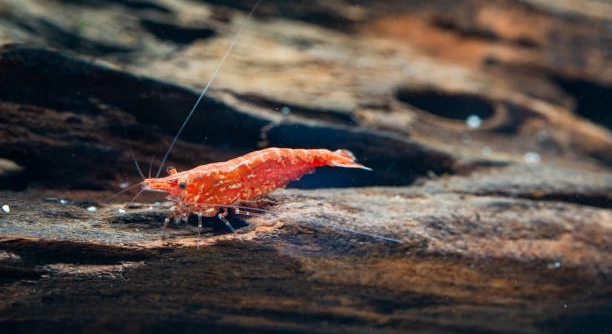
Keeping a shrimp tank peaceful requires careful attention to water quality, tank mates, and overall environment. Small details, such as hiding spots and gentle filtration, play a big role in preventing stress and promoting healthy shrimp behavior.
A peaceful shrimp tank can be achieved through consistent monitoring of water parameters, careful selection of compatible species, provision of ample hiding spaces, and maintaining proper feeding routines. Stress reduction and proper care directly influence shrimp health and social harmony.
By understanding these key practices, you can create a calm and thriving environment where your shrimp can flourish naturally.
Choosing Compatible Tank Mates
Shrimp are delicate creatures, and not all aquarium species can coexist peacefully with them. Fish that are small, slow-moving, and non-aggressive are ideal companions. Avoid larger or predatory fish that may view shrimp as food. Snails and certain small freshwater shrimp species can also be suitable tank mates. Proper research and careful planning help prevent stress and injury among your shrimp. Observing how different species interact before committing to a permanent tank setup can save you problems later. Additionally, providing plenty of hiding spots allows shrimp to escape if a more active tank mate becomes curious or territorial. Plants, rocks, and decorations serve dual purposes, both enhancing the aesthetic of your tank and offering essential shelter. Over time, establishing a harmonious tank environment reduces stress-related illness and encourages shrimp to display natural behaviors, such as grazing and exploring. Maintaining compatibility is an ongoing process, and observing your tank regularly ensures all species thrive together without conflict.
Using compatible species greatly reduces stress and helps shrimp maintain healthy behavior and social patterns in the tank environment.
Observing interactions between tank mates is crucial. Even compatible species can occasionally stress shrimp if overcrowding occurs. Hiding spaces and careful monitoring help maintain peace. Small adjustments, like rearranging decorations or temporarily separating aggressive fish, can prevent injuries. Providing a stable diet, clean water, and gentle filtration supports shrimp health. Over time, a balanced, compatible tank promotes natural behavior, regular molting, and active exploration. By prioritizing peaceful cohabitants, you create a stable environment where shrimp can thrive without fear or stress, ultimately resulting in a vibrant and healthy aquarium ecosystem.
Maintaining Optimal Water Conditions
Stable water parameters are essential for shrimp health. Even slight fluctuations in temperature, pH, or ammonia levels can cause stress or illness. Regular testing of water is necessary to maintain ideal conditions.
Shrimp thrive in slightly acidic to neutral water with consistent temperatures.
Temperature, pH, and general water chemistry directly affect shrimp survival. Sudden changes can result in molting problems or weakened immune systems. Filtration systems should maintain gentle water flow while removing debris and toxins. Partial water changes, done carefully, help keep nitrate and ammonia levels low. Overfeeding can lead to decay and harmful bacteria, so it is important to feed in small, controlled amounts. Adding live plants can improve water quality and provide natural grazing surfaces. It is also important to quarantine new shrimp or plants to avoid introducing disease. Monitoring water quality daily, even for established tanks, ensures stability. A consistent routine, combined with observation, allows early detection of issues and keeps shrimp stress minimal. Ultimately, maintaining optimal water conditions supports growth, vibrant coloration, and the natural social behaviors that make observing shrimp so rewarding.
Providing Ample Hiding Spaces
Hiding spots reduce stress and prevent aggression among shrimp. Rocks, plants, and decorations create safe areas where shrimp can retreat during molting or when exploring.
Shrimp molt frequently, leaving them vulnerable. Without sufficient hiding spaces, they can become stressed or injured by more active tank mates. Dense plant coverage, moss, and small caves mimic natural habitats and provide security. Arranging decorations to form small tunnels and overhangs encourages exploration while offering refuge. Even simple additions like driftwood or clay pots can serve as safe zones. Observing shrimp behavior helps determine if more shelters are needed. Adequate hiding spaces support natural behaviors, reduce stress, and improve survival rates, especially for juveniles or recently molted individuals. Maintaining a variety of retreats ensures every shrimp has access to a safe spot, fostering a calm and balanced tank environment.
A well-structured tank with multiple hiding options keeps shrimp active, healthy, and confident, allowing natural grazing and social interaction without fear.
Providing varied shelters encourages shrimp to explore and interact naturally while reducing stress levels. Ensuring hiding spots are evenly distributed prevents overcrowding in one area. Some shrimp prefer dense moss, while others enjoy rock crevices or leaf litter. Rotating or rearranging decorations occasionally keeps the environment stimulating without overwhelming the shrimp. Combining live plants with inert structures balances aesthetics and functionality, creating a habitat where shrimp feel secure. A thoughtful setup also reduces mortality during molting, helping shrimp thrive in both small and larger aquariums.
Feeding the Right Diet
Shrimp require a balanced diet for growth, coloration, and energy. High-quality flakes, pellets, and occasional fresh vegetables meet nutritional needs efficiently.
Overfeeding can lead to water quality issues. Feeding small portions ensures shrimp eat all the food before it decays.
Shrimp benefit from varied foods to supply protein, fiber, and essential minerals. Leafy greens, blanched vegetables, and specially formulated shrimp pellets promote healthy exoskeleton development. Feeding too frequently or in large amounts can pollute the tank, causing ammonia spikes that stress shrimp. Removing uneaten food prevents water contamination. Natural foraging behavior is encouraged when food is spread across the tank and hidden among plants or decorations. Supplementing with occasional protein treats, like tiny bits of cooked shrimp or algae wafers, supports molting and growth. Observing feeding habits ensures all shrimp receive adequate nutrition, preventing dominance by larger individuals and maintaining overall tank harmony.
Regular Tank Maintenance
Consistent tank maintenance prevents stress and keeps shrimp healthy. Cleaning debris, performing partial water changes, and checking equipment regularly ensures a stable environment for all inhabitants.
Removing uneaten food and decaying plant matter is essential. Even small amounts of waste can affect water quality and shrimp well-being.
Monitoring Water Parameters
Daily observation of temperature, pH, and ammonia levels helps detect issues early. Consistency in water conditions supports healthy molting and prevents stress. Regular testing and careful adjustments maintain a safe environment for shrimp.
Avoiding Overcrowding
Too many shrimp in one tank can lead to stress, competition for food, and increased aggression. Keeping population levels balanced ensures a peaceful community.
Gentle Filtration
Using filters with low flow prevents shrimp from being disturbed or injured. Sponge filters are effective, providing both water movement and a surface for beneficial bacteria to grow.
FAQ
How often should I feed my shrimp?
Shrimp should be fed small portions once or twice a day. Overfeeding can pollute the tank and harm water quality. Uneaten food should be removed after a few hours to prevent ammonia spikes. Observing how quickly the shrimp consume their food helps adjust the amount given. Providing a variety of foods, such as algae wafers, shrimp pellets, and blanched vegetables, ensures they receive balanced nutrition. Small, controlled feedings support healthy growth, proper molting, and vibrant coloration. Consistent feeding routines also reduce stress and competition among shrimp, promoting harmony in the tank.
What is the ideal water temperature for shrimp?
Most freshwater shrimp, such as cherry shrimp, thrive in temperatures between 72°F and 78°F. Maintaining a stable temperature avoids stress and molting problems. Sudden fluctuations can weaken their immune systems and increase susceptibility to disease. Using a reliable aquarium heater and thermometer helps maintain consistent warmth. Avoid placing the tank near direct sunlight or drafts, which can cause rapid temperature changes. Regular monitoring ensures shrimp remain comfortable and active, supporting natural behaviors like grazing and breeding. Consistent temperatures also encourage proper growth and reduce mortality rates in both juvenile and adult shrimp.
How do I prevent algae overgrowth in my tank?
Algae can be controlled by limiting excess nutrients and ensuring the tank receives appropriate light. Avoid overfeeding, as leftover food contributes to algae growth. Live plants compete with algae for nutrients, reducing its spread naturally. Regular water changes and gentle cleaning of surfaces keep algae levels manageable. Including algae-eating shrimp or snails can help maintain balance without disrupting shrimp behavior. Monitoring light exposure, such as limiting it to six to eight hours a day, prevents excessive growth. Keeping water parameters stable also discourages rapid algae proliferation. These practices ensure a clean, healthy environment for shrimp.
How many shrimp should I keep in a tank?
Tank size and species determine population limits. A small tank may only support a dozen shrimp comfortably, while larger setups allow for more. Overcrowding increases stress, aggression, and competition for food. Providing sufficient hiding spots and plants reduces tension but does not replace proper stocking limits. Observing shrimp interactions helps determine if adjustments are necessary. Maintaining balanced populations ensures peaceful cohabitation and healthy social behaviors. Tracking growth and reproduction prevents unexpected overcrowding. A well-planned stocking strategy enhances water quality, reduces stress-related illness, and allows shrimp to thrive in a stable environment.
How do I handle molting problems in shrimp?
Molting issues often arise from poor water quality, insufficient calcium, or stress. Providing a stable environment with proper water parameters supports regular molting. Adding calcium sources, such as cuttlebone or mineral supplements, strengthens exoskeleton development. Hiding spots are crucial, as shrimp are vulnerable during molting. Avoid disturbing the tank during this time. Regular observation helps identify shrimp that may need extra care. Ensuring a balanced diet rich in essential nutrients promotes smooth molting cycles. Correcting water parameters and offering secure spaces reduces mortality and supports overall shrimp health and vitality.
Can shrimp live with other fish?
Yes, but compatibility is essential. Small, peaceful fish are the best companions. Avoid aggressive or predatory species that may attack shrimp. Providing plenty of hiding spots allows shrimp to escape when necessary. Monitoring interactions ensures the tank remains calm. Some small fish, such as certain tetras or rasboras, can coexist peacefully with shrimp. Shrimp may also be kept with snails or other invertebrates without conflict. Observation is key to maintaining balance and preventing stress or injury. Proper selection of tank mates creates a harmonious environment, allowing shrimp to display natural behaviors without fear.
How do I maintain water quality effectively?
Regular water changes, gentle filtration, and careful monitoring of ammonia, nitrite, and nitrate levels are essential. Avoid overfeeding and remove uneaten food promptly. Live plants help absorb excess nutrients, and sponge filters provide both mechanical and biological filtration. Testing water frequently ensures stable parameters. Quarantining new additions prevents contamination. Maintaining consistent conditions reduces stress and supports growth, reproduction, and molting. Attention to these details prevents disease outbreaks and keeps shrimp active and healthy. Observing shrimp behavior helps detect issues early, allowing timely adjustments to maintain a stable, thriving tank environment.
What is the best way to introduce new shrimp to a tank?
New shrimp should be acclimated slowly to prevent shock. Float the bag in the tank to equalize temperature, then gradually mix small amounts of tank water into the bag over one to two hours. This method minimizes stress caused by sudden changes in temperature, pH, or water chemistry. Avoid placing shrimp directly into the tank, as rapid changes can lead to mortality. Providing hiding spots during the acclimation period gives them security while they adjust. Careful introduction ensures new shrimp integrate smoothly, reducing stress and maintaining harmony among all tank inhabitants.
How do I encourage breeding in shrimp?
Stable water parameters, proper nutrition, and minimal stress are key. Provide dense plants and hiding spaces for females to feel secure. Feed a varied diet rich in protein and minerals to support egg development. Monitoring water quality and maintaining a calm environment encourages natural reproductive behavior. Avoid sudden changes in temperature or water chemistry, as these can disrupt breeding. Observing shrimp regularly helps identify healthy, gravid females. Providing optimal conditions increases the likelihood of successful hatching and juvenile survival, ensuring a thriving shrimp population over time.
Can I keep different shrimp species together?
Some species can coexist if water parameters and temperament are compatible. Avoid mixing aggressive or fast-growing species with smaller, slower ones. Providing ample hiding spaces reduces competition. Monitoring interactions ensures peaceful coexistence. Researching species-specific needs and behaviors prevents stress and supports a balanced, healthy tank environment. Proper care and observation help maintain harmony when multiple species are housed together. Selecting compatible species based on size, activity level, and dietary requirements ensures each shrimp thrives without conflict.
How do I prevent disease in a shrimp tank?
Maintaining clean water, avoiding overfeeding, and quarantining new additions are essential. Providing a stress-free environment supports the immune system. Regular observation allows early detection of health issues. Balanced nutrition, stable water parameters, and secure hiding spaces reduce vulnerability to illness. Promptly removing sick or deceased shrimp prevents disease spread. Keeping tanks free of excess debris and maintaining gentle filtration also minimizes pathogens. Following these practices ensures shrimp remain healthy, active, and display natural behaviors consistently. Prevention is always more effective than treatment in maintaining a thriving aquarium.
Final Thoughts
Maintaining a peaceful shrimp tank requires attention to detail and consistent care. Small adjustments in water quality, feeding routines, and tank setup can have a big impact on shrimp behavior and overall health. Observing your shrimp regularly helps identify potential issues before they become serious. Simple actions like removing uneaten food, checking water parameters, and providing sufficient hiding spaces create a calm environment. Even minor changes in temperature, pH, or ammonia levels can cause stress, so monitoring these consistently is essential. By keeping the tank stable and predictable, shrimp are able to explore, graze, and interact naturally. The overall goal is to balance all factors to support a thriving community where shrimp feel safe and secure. Careful planning in the early stages, such as choosing compatible tank mates and adding proper decorations, reduces stress and promotes long-term stability.
Feeding plays a central role in keeping shrimp healthy and active. A balanced diet that includes high-quality pellets, fresh vegetables, and occasional protein treats supports growth and molting. Overfeeding, however, can quickly compromise water quality and lead to stress or illness. Feeding small portions in controlled amounts ensures all shrimp receive proper nutrition while minimizing waste. Distributing food throughout the tank encourages natural foraging behaviors and prevents competition among shrimp. Attention to detail in feeding routines also helps maintain water clarity and reduces the buildup of harmful substances. In combination with proper filtration and regular partial water changes, this approach keeps the tank clean, stable, and safe for all inhabitants. When feeding is paired with hiding spaces, gentle filtration, and compatible tank mates, shrimp are more likely to remain healthy, active, and calm.
Water quality, temperature, and tank structure are the foundations of a peaceful shrimp environment. A stable, well-maintained tank reduces stress, promotes healthy molting, and supports natural behaviors. Hiding spots, plants, and gentle filtration provide safety and comfort, while careful monitoring of water parameters ensures shrimp remain healthy. Avoiding overcrowding and introducing new shrimp gradually also minimizes stress. Consistency is key: stable conditions allow shrimp to adapt, grow, and reproduce successfully. By combining proper nutrition, clean water, and a thoughtfully designed tank, a balanced and harmonious environment emerges. Paying attention to these fundamental elements ensures shrimp can thrive over time, resulting in a peaceful, active, and visually appealing aquarium.

Hello,
If you enjoy the content that we create, please consider saying a "Thank You!" by leaving a tip.
Every little bit helps us continue crafting quality advice that supports the health, happiness, and well-being of pets around the world, for pets of all shapes, sizes, and species.
We really appreciate the kindness and support that you show us!