
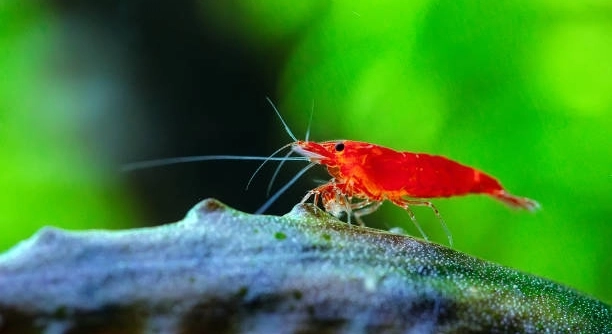
Cherry shrimp are tiny, vibrant creatures that bring life and color to freshwater aquariums. Their behavior and dietary habits often spark interest among aquarium enthusiasts, especially when unusual situations arise. Understanding what they eat is essential for their care.
Cherry shrimp will consume dead fish, but this is not their primary food source. They are scavengers and opportunistic feeders, meaning they will eat decaying matter when available, but their diet mainly consists of algae, biofilm, and plant matter in a healthy aquarium.
Knowing how cherry shrimp interact with other tank inhabitants helps maintain a balanced ecosystem. Observing their feeding habits can ensure both their health and the well-being of the aquarium.
How Cherry Shrimp Find Food
Cherry shrimp are always on the move, grazing on surfaces in the aquarium. They feed on algae, biofilm, and tiny organic particles that collect on plants, rocks, and substrate. Their small size allows them to reach areas larger fish cannot access, which makes them excellent at keeping the tank clean. When a fish dies, the shrimp may nibble on the remains, but only when other sources of food are limited. Observing them closely, you can see them scraping surfaces gently with their tiny claws, picking up whatever edible matter is available. Their feeding habits are slow and methodical, focused on breaking down tiny particles rather than consuming large chunks of food at once. A well-fed shrimp is less likely to eat dead fish, but their natural instincts always guide them toward any available organic matter.
They mainly rely on plant matter and biofilm, making fish remains an occasional supplement.
Keeping their diet balanced helps prevent overconsumption of anything unusual, supporting both shrimp and aquarium health. Their ability to clean and recycle nutrients makes them quietly essential to maintaining a stable, healthy tank environment over time.
Risks of Dead Fish in the Tank
Dead fish can introduce harmful bacteria and toxins into the water.
If cherry shrimp start eating a decomposing fish, it can affect their health. Decaying fish release ammonia, which can quickly build up and harm both shrimp and other tank inhabitants. While shrimp may nibble at a small fish or leftovers, large amounts of decay should be removed promptly. Leaving a dead fish in the tank can disrupt water quality and increase stress levels for all living creatures inside. Observing shrimp behavior around decaying matter provides insight into how they interact with their environment, but it is never a substitute for proper tank maintenance. Feeding them adequate algae, biofilm, and occasional supplemental foods reduces the chance that they will rely on dead fish. A proactive approach ensures that the aquarium remains a safe, clean habitat while letting shrimp perform their natural cleaning roles effectively.
Feeding Habits of Cherry Shrimp
Cherry shrimp mainly feed on biofilm, algae, and tiny particles of plant matter. They are not aggressive predators and only consume dead fish when other food is scarce. Their feeding behavior helps keep the aquarium clean while supporting their own nutritional needs.
They spend most of their time grazing on surfaces in the tank. Biofilm and algae provide essential nutrients, including protein and minerals. Cherry shrimp can also eat leftover fish food, but it should be minimal to avoid water contamination. When a small fish dies, they may nibble, but this is opportunistic rather than a primary feeding habit. Maintaining a balanced diet reduces the chance they will rely on dead fish, allowing them to thrive without risking their health.
Observation shows that shrimp often move in groups while foraging, covering every corner of the tank. Their feeding is gentle and methodical, using small claws to scrape surfaces. This careful behavior minimizes disturbance to plants and other creatures. Even when a dead fish is present, they typically nibble slowly, ensuring they do not overconsume harmful matter. Their grazing promotes natural cleaning and nutrient cycling in the aquarium, supporting a stable ecosystem without creating additional maintenance challenges.
Caring for Shrimp in a Mixed Tank
Cherry shrimp need a clean environment with stable water conditions. Hiding spots and live plants support their natural behavior and reduce stress.
Water quality is critical for their health. Ammonia, nitrite, and nitrate levels must be monitored regularly, as cherry shrimp are sensitive to toxins. They thrive in stable temperatures and slightly acidic to neutral pH levels. Providing a varied diet, including algae wafers or blanched vegetables, ensures they receive enough nutrients without turning to dead fish. In mixed tanks, careful observation is needed to prevent larger fish from eating them, especially during molting periods. By maintaining clean water and a balanced diet, shrimp remain active and healthy.
Monitoring shrimp behavior allows you to detect early signs of stress or illness. Uneaten food should be removed promptly to prevent water quality issues. Regular water changes, along with proper filtration, create a safe environment. Live plants not only offer shelter but also contribute to natural algae growth, supplementing their diet. Adjusting feeding routines and tank maintenance according to shrimp activity ensures their long-term well-being and reduces the likelihood they will consume decomposing matter. This care approach balances the needs of all tank inhabitants efficiently.
Signs Your Shrimp Are Eating Dead Fish
Cherry shrimp may nibble on fish remains, leaving small bite marks or shredded tissue. This behavior is usually limited and does not indicate aggression. Monitoring these signs helps maintain water quality and overall tank health.
Observing a slight increase in shrimp activity around a dead fish is normal. They move carefully, picking at the surface without disturbing plants or other inhabitants. Early removal of the fish prevents excessive scavenging and reduces the risk of ammonia spikes, keeping the tank safe for all species.
Preventing Shrimp from Consuming Dead Fish
Maintaining a balanced diet and regular tank cleaning reduces the likelihood of shrimp eating dead fish. Providing sufficient algae, biofilm, and supplemental foods keeps them nourished. Regularly removing uneaten food and promptly disposing of dead fish prevents exposure to harmful bacteria and toxins.
Benefits of a Balanced Shrimp Diet
A diet rich in algae, biofilm, and vegetables supports growth, molting, and reproduction. It also reduces scavenging of decomposing matter, keeping shrimp healthy and the tank stable.
Monitoring Tank Health
Regular water testing ensures safe ammonia, nitrite, and nitrate levels. Clean, stable conditions prevent stress and maintain shrimp activity.
FAQ
Do cherry shrimp eat dead fish regularly?
Cherry shrimp do not eat dead fish as a regular part of their diet. They are opportunistic feeders, meaning they will nibble on decomposing fish only when other food sources are scarce. Most of their nutrition comes from algae, biofilm, and plant matter. Maintaining a balanced diet prevents this behavior and keeps them healthy.
Can eating dead fish harm my shrimp?
Yes, consuming decomposing fish can be harmful. Dead fish release ammonia and other toxins into the water as they break down. If shrimp consume large amounts of decaying tissue, it may lead to health issues, including stress, weakened immunity, or even death. Prompt removal of dead fish is essential for safety.
What should I feed cherry shrimp to prevent scavenging?
A diet consisting of algae, biofilm, blanched vegetables like zucchini or spinach, and specialized shrimp pellets is ideal. These foods provide essential nutrients, reduce the likelihood of scavenging dead fish, and support healthy molting and reproduction. Offering small, frequent feedings helps maintain their energy levels.
How do I know if my shrimp have eaten dead fish?
Signs include increased activity around a deceased fish, bite marks, and shredded tissue. Shrimp typically nibble slowly and methodically. Observing them regularly allows you to notice changes in behavior and prevent overconsumption of harmful matter before water quality deteriorates.
Do cherry shrimp need protein from animal matter?
While cherry shrimp can consume small amounts of protein from dead fish or tiny invertebrates, they get most of their necessary nutrients from algae and biofilm. Supplemental protein can come from specialized shrimp foods designed to provide balanced nutrition without introducing toxins.
How often should I clean the tank to prevent shrimp from eating dead fish?
Regular cleaning, at least weekly, is recommended. Remove uneaten food, dead leaves, and any deceased fish immediately. This reduces the risk of ammonia spikes and harmful bacteria, keeping shrimp safe while supporting a balanced ecosystem.
Can other fish in the tank affect shrimp scavenging behavior?
Yes, larger or more aggressive fish may eat dead fish before shrimp can access it. This can indirectly reduce shrimp scavenging but also increases competition for other food sources. Observing interactions in a mixed tank helps ensure all species receive adequate nutrition.
Do cherry shrimp prefer live food over dead matter?
Yes, live foods like micro worms, baby brine shrimp, and small insect larvae are preferred when available. Live food stimulates natural foraging behavior, encourages activity, and provides protein without the risks associated with decaying matter.
Is it safe to keep shrimp with fish that die frequently?
Keeping shrimp with fish that die often is risky. Frequent deaths increase the chance of toxins and bacterial growth, which can harm shrimp. Removing dead fish immediately and monitoring water quality is crucial to maintain a healthy tank environment.
How can I encourage natural feeding habits in cherry shrimp?
Providing live plants, moss, and surfaces for biofilm growth encourages grazing behavior. Feeding a varied diet of vegetables, algae, and shrimp-specific pellets supports balanced nutrition. This reduces reliance on opportunistic feeding from dead fish and maintains overall health and activity levels.
What are signs of shrimp stress related to diet?
Shrimp may become lethargic, fail to molt properly, or hide excessively if underfed or exposed to decaying matter. Observing changes in color, behavior, and movement can help detect stress early. Adjusting feeding routines and tank maintenance can restore normal behavior and vitality.
Are there safer alternatives to dead fish for protein?
Yes, specialized shrimp foods, freeze-dried or frozen baby shrimp, and high-quality pellets provide protein safely. These options deliver necessary nutrients without the risks of ammonia, bacterial contamination, or water quality issues.
How long can cherry shrimp survive without eating dead fish?
Cherry shrimp do not rely on dead fish and can survive indefinitely without it if provided a proper diet of algae, biofilm, and supplemental foods. Their health and growth are supported by consistent feeding and stable water conditions.
Does tank size influence shrimp scavenging behavior?
Smaller tanks may concentrate organic matter, making dead fish more accessible and tempting to shrimp. Larger tanks with abundant algae and biofilm reduce this behavior. Ensuring plenty of grazing surfaces and hiding spots helps regulate feeding patterns in any tank size.
Can shrimp overeat dead fish if left unchecked?
Yes, if a dead fish is left in the tank too long, shrimp may overconsume decaying tissue, risking health issues. Prompt removal and a well-fed diet prevent excessive scavenging and protect shrimp from exposure to toxins.
What role does water temperature play in shrimp feeding?
Temperature affects metabolism and activity. Warmer water may increase feeding frequency and grazing behavior, while colder water slows activity. Maintaining consistent, suitable temperatures supports normal feeding patterns and reduces the risk of opportunistic scavenging.
How do I balance shrimp nutrition in a mixed-species tank?
Offer a variety of foods, including algae, biofilm, blanched vegetables, and specialized pellets. Observe both shrimp and fish behavior to ensure all species receive adequate nutrition. Remove uneaten food promptly to prevent contamination and maintain a stable, healthy tank environment.
Are cherry shrimp picky eaters?
They are generally not picky but have preferences. Biofilm and algae are staples, while vegetables and high-quality pellets supplement their diet. Providing consistent, varied food ensures they remain healthy without seeking decomposing matter as a food source.
How important is hiding space for feeding behavior?
Hiding spaces reduce stress and allow shrimp to feed comfortably. Plants, moss, and decorations create safe areas, encouraging natural grazing and minimizing competition or stress-related changes in feeding habits.
Can water flow affect shrimp scavenging?
Yes, strong currents may disperse organic particles and reduce shrimp access to dead matter, while gentle flow allows them to graze effectively. Proper flow balance supports healthy feeding habits and prevents excessive scavenging of decaying fish.
Do cherry shrimp eat other shrimp?
No, cherry shrimp are peaceful and do not eat other shrimp. Aggression is rare, and their scavenging behavior is limited to organic matter and occasional dead fish only when no other food is available.
How often should I feed supplemental foods?
Small, frequent feedings every two to three days are ideal. Overfeeding can foul the water, while underfeeding may encourage scavenging of dead matter. Observing shrimp activity helps determine the right feeding schedule.
Can shrimp detect harmful substances in dead fish?
Shrimp do not have the ability to detect toxins in decomposing fish. They rely on instinct and opportunistic feeding. Prompt removal of dead fish and maintaining water quality are the only effective measures to protect them.
How do I know if my shrimp are getting enough nutrients?
Healthy shrimp are active, display vibrant colors, molt regularly, and reproduce successfully. Lack of these signs may indicate dietary deficiencies. Adjusting feeding practices and monitoring their health ensures they receive balanced nutrition without relying on dead fish.
Is there a way to discourage shrimp from scavenging completely?
Providing a nutrient-rich diet, abundant grazing surfaces, and prompt removal of any dead fish reduces scavenging behavior. While opportunistic feeding may occur occasionally, these measures minimize risks and encourage natural, safe feeding habits.
Can live plants help prevent shrimp from eating dead fish?
Yes, live plants provide surfaces for biofilm and algae growth, which form a natural food source. They also create hiding spaces and reduce stress, encouraging shrimp to focus on safe, healthy feeding rather than scavenging decomposing matter.
Does shrimp age affect scavenging behavior?
Younger shrimp may be more active and explore all available food sources, while adults focus on biofilm and plant matter. Proper diet and tank maintenance ensure all age groups are nourished without relying on dead fish.
How long can shrimp survive without supplemental feeding?
If the tank has sufficient algae and biofilm, shrimp can survive weeks without supplemental feeding. However, consistent feeding supports growth, molting, and reproduction, preventing them from seeking potentially harmful food like dead fish.
Can shrimp be fed protein alternatives safely?
Yes, freeze-dried or frozen shrimp, high-quality pellets, and other commercial options provide protein safely. These foods reduce reliance on dead fish and support health, reproduction, and overall vitality in the aquarium.
Does water pH affect feeding habits?
Slightly acidic to neutral pH supports normal feeding behavior. Extreme pH levels can stress shrimp, reduce grazing, and increase the likelihood of scavenging unusual food sources, including dead fish. Maintaining stable pH is crucial for consistent feeding.
Are shrimp more likely to eat dead fish at night?
Shrimp are generally more active during low-light periods. They may explore any available food at night, including dead fish, if present. Ensuring a balanced diet and removing decomposing matter promptly reduces this behavior.
Can overcrowding increase scavenging of dead fish?
Yes, overcrowded tanks create competition for food. Limited resources may push shrimp to nibble on dead fish. Adequate space, hiding spots, and consistent feeding prevent this behavior and maintain overall tank health.
Do cherry shrimp require specialized feeding for molting?
Yes, they need sufficient calcium and nutrients for proper exoskeleton formation. Providing vegetables, algae, and fortified pellets supports healthy molting and reduces the likelihood of scavenging decomposing fish for missing nutrients.
How often should I check for dead fish?
Daily checks are recommended, especially in mixed-species tanks. Immediate removal prevents shrimp from consuming harmful matter and maintains stable water quality, supporting the health of all tank inhabitants.
Can shrimp die from eating a fish that is too large?
Yes, larger decomposing fish produce more toxins and can overwhelm the shrimp. While shrimp may nibble on small remains, large dead fish should be removed promptly to avoid health risks.
Is scavenging behavior different in freshwater versus planted tanks?
Planted tanks provide more natural grazing surfaces, reducing scavenging. Shrimp in bare tanks may explore all available organic matter, including dead fish. Adding plants encourages safe feeding and lowers reliance on decomposing material.
Does shrimp density affect scavenging?
Higher densities increase competition for natural food sources. This may lead to occasional scavenging of dead fish. Maintaining balanced populations with adequate grazing surfaces prevents excessive opportunistic feeding.
What are the long-term effects of eating dead fish occasionally?
Occasional nibbling is usually not fatal but can expose shrimp to harmful bacteria or toxins. Frequent consumption increases the risk of stress, illness, or shortened lifespan. Preventive care and proper feeding minimize long-term risks.
Can I use a feeding schedule to reduce scavenging?
Yes, consistent feeding keeps shrimp nourished and focused on safe food. Small, regular meals reduce the likelihood they will turn to dead fish and help maintain healthy growth and molting cycles.
Are there signs that shrimp are avoiding dead fish naturally?
Healthy, well-fed shrimp focused on algae and biofilm will ignore dead fish. Activity around natural grazing surfaces and lack of scavenging indicates that their dietary needs are being met and the tank is well-maintained.
Does the type of fish affect scavenging behavior?
Shrimp are more likely to nibble on small or soft-bodied fish remains. Larger, tougher fish may be ignored. Tank monitoring ensures that shrimp remain healthy and only consume safe, manageable food sources.
How can I support shrimp health while preventing scavenging?
Provide a balanced diet, maintain water quality, add live plants, and remove any dead fish promptly. Observing behavior and adjusting feeding routines ensures shrimp remain healthy without relying on decomposing matter.
Can shrimp overpopulate if they rely on dead fish?
Overpopulation is unlikely due solely to scavenging, but excessive food from decaying fish can increase survival rates and reproduction temporarily. Proper feeding, tank maintenance, and population control keep numbers stable.
Are cherry shrimp adaptable feeders?
Yes, they adapt to available foods, but maintaining natural grazing opportunities and a balanced diet prevents them from consuming potentially harmful items like dead fish. Their adaptability supports healthy, sustainable tank behavior.
Does light exposure influence scavenging?
Shrimp are more active in low light. Limited light periods reduce stress and encourage natural grazing on algae rather than scavenging dead fish. Balancing light cycles supports feeding habits and overall health.
How do I create a safe tank environment for shrimp?
Stable water conditions, regular cleaning, a balanced diet, live plants, and prompt removal of dead fish create a safe environment. These practices minimize scavenging risks and promote healthy growth and reproduction.
Is it normal for shrimp to nibble at dead fish occasionally?
Yes, occasional nibbling is part of their opportunistic behavior. As long as the tank is clean and shrimp have adequate nutrition, this behavior does not pose a significant risk to their health.
Can stress increase scavenging behavior?
Yes, stressed shrimp may explore all food sources, including dead fish. Reducing stress through proper hiding spaces, water quality, and consistent feeding decreases scavenging and supports overall well-being.
Do cherry shrimp prefer biofilm over dead fish?
Yes, biofilm is their primary food source. Proper tank maintenance and algae availability ensure they focus on safe, nutritious grazing rather than opportunistic scavenging of dead fish.
Can dead fish affect shrimp reproduction?
Exposure to decaying fish and poor water quality can stress shrimp and reduce reproductive activity. Providing a clean, balanced environment promotes healthy molting, mating, and offspring survival.
Are certain shrimp varieties more likely to scavenge?
All cherry shrimp exhibit similar feeding patterns. Opportunistic nibbling may occur under food scarcity, but proper diet and tank conditions minimize this behavior across varieties.
Does substrate type impact scavenging?
Fine or planted substrates provide grazing surfaces for biofilm and algae, reducing scavenging of dead fish. Bare substrates may increase exposure to decaying matter. Proper substrate selection supports safe feeding habits.
How do I handle a sudden fish death in a shrimp tank?
Remove the dead fish immediately, test water quality, and perform partial water changes if needed. Providing extra algae or supplemental food helps prevent shrimp from scavenging during cleanup.
Can shrimp detect spoiled food besides fish?
They may nibble on decomposing organic matter, but they cannot distinguish toxins. Prompt removal of spoiled food is necessary to maintain shrimp health and prevent exposure to harmful bacteria.
Are shrimp more likely to scavenge in newly established tanks?
Yes, if algae and biofilm are not fully established, shrimp may explore all available organic matter. Adding supplemental food and plants reduces scavenging while the tank matures.
Does tank cleanliness affect feeding behavior?
Yes, clean tanks with abundant natural food sources encourage grazing on algae and biofilm. Dirty tanks increase the likelihood of shrimp nibbling on dead fish or other decomposing matter.
Can overfeeding encourage scavenging?
Overfeeding does not directly encourage scavenging but can lead to decaying food in the tank. This may indirectly expose shrimp to harmful matter if dead fish or excess food remain uneaten.
How do I introduce new food safely?
Offer small amounts of blanched vegetables or specialized pellets. Observe consumption and remove uneaten portions promptly to avoid water contamination and prevent scavenging of harmful matter.
Do shrimp eat fish eggs?
Yes, cherry shrimp may consume fish eggs opportunistically. This behavior is natural, but it is separate from scavenging dead fish. Providing sufficient supplemental food can reduce egg predation.
Can shrimp survive solely on algae and biofilm?
Yes, if algae and biofilm are abundant, they can meet their nutritional needs. Supplementary foods enhance growth, molting, and reproduction but are not strictly necessary for survival.
Does feeding frequency impact scavenging?
Consistent, small feedings reduce the likelihood of scavenging dead fish. Irregular or insufficient feeding may lead shrimp to explore all available food sources, including decomposing matter.
Are shrimp more likely to eat dead fish in bare tanks?
Yes, without plants or surfaces for biofilm, shrimp may turn to available organic matter. Adding plants, moss, and substrate improves grazing opportunities and reduces scavenging.
Can water hardness affect feeding behavior?
Moderate hardness supports exoskeleton development and normal feeding. Soft water can stress shrimp, potentially increasing scavenging behavior as they seek additional nutrients. Maintaining appropriate hardness ensures healthy grazing habits.
Do cherry shrimp eat only fish or other dead animals too?
They may nibble on other small decomposing invertebrates opportunistically, but their primary diet remains algae, biofilm, and plant matter. Proper feeding reduces this behavior.
Is it safe to leave small dead fish for shrimp?
Occasional small fish remains can be consumed safely, but it is better to remove them to prevent water contamination and potential health risks from bacteria and toxins.
How do I balance shrimp and fish feeding in a mixed tank?
Feed shrimp separately if possible, provide adequate algae and supplemental foods, and remove uneaten fish food. This prevents competition and reduces reliance on dead fish for nutrition.
Can shrimp detect when a fish is unhealthy before it dies?
Shrimp may graze around weakened fish but do not detect illness directly. They only respond to available organic matter once the fish begins to decompose.
Do seasonal changes affect scavenging behavior?
Temperature and light changes can influence metabolism and activity. Cooler periods may reduce feeding, while warmer periods increase grazing and opportunistic nibbling. Stable conditions maintain consistent behavior.
Are shrimp more likely to scavenge in high-nitrate tanks?
High nitrate levels indicate poor water quality, which can stress shrimp and increase opportunistic feeding. Maintaining stable, clean water reduces scavenging and supports overall health.
Can shrimp detect toxins in dead fish?
No, they cannot detect harmful chemicals or ammonia in decaying fish. Immediate removal and water quality management are essential to protect them from exposure.
Does the presence of moss reduce scavenging?
Yes, moss provides surfaces for biofilm and algae growth, offering a natural food source. This reduces the likelihood that shrimp will eat dead fish and supports healthy grazing habits.
Are there behavioral changes after eating dead fish?
Shrimp may become less active or show minor stress signs if exposed to toxins. Proper water changes and diet adjustment help restore normal behavior quickly.
Do shrimp prefer certain fish species for scavenging?
They may nibble softer, smaller fish more readily, but preferences are secondary to opportunity. Adequate alternative foods reduce this behavior regardless of fish species.
How long does it take for shrimp to eat a dead fish?
Consumption is usually gradual and opportunistic. Small shrimp may nibble over several hours or days, depending on the size of the fish and availability of other food sources.
Does tank lighting affect shrimp scavenging at night?
Low lighting encourages activity and grazing. Shrimp may explore any available organic matter during these periods, so removing dead fish is crucial to prevent scavenging.
Can I train shrimp to avoid dead fish?
Direct training is not possible. Maintaining proper diet, clean water, and abundant grazing surfaces encourages natural feeding habits and reduces opportunistic scavenging.
How can I tell if scavenging has impacted shrimp health?
Signs include lethargy, molting issues
Cherry shrimp are small, peaceful creatures that play an important role in keeping aquariums clean. Their natural diet consists mainly of algae, biofilm, and tiny plant matter, which provides the essential nutrients they need for growth, molting, and reproduction. While they are opportunistic feeders and may nibble on dead fish if no other food is available, this behavior is not typical. In a well-maintained tank with sufficient food sources, cherry shrimp will focus on grazing algae and biofilm rather than scavenging. Understanding their dietary needs is essential for providing a balanced environment that supports their health and longevity. Observing their feeding behavior can help identify any changes or problems early, ensuring that the shrimp remain active, vibrant, and healthy in their aquatic habitat.
Maintaining proper tank conditions is just as important as providing the right diet. Water quality should be monitored regularly, with attention to ammonia, nitrite, and nitrate levels, as shrimp are sensitive to toxins. Stable temperatures and a slightly acidic to neutral pH create an environment that supports normal feeding and natural behavior. Providing hiding spots through plants, moss, or decorations allows shrimp to feel secure while foraging. Prompt removal of dead fish or decaying matter is crucial to prevent the buildup of harmful substances in the water, which could affect both shrimp and other tank inhabitants. Feeding them a variety of foods, including blanched vegetables or specialized pellets, ensures that their nutritional needs are met and reduces the likelihood of scavenging on dead fish. This combination of proper feeding and careful tank management creates a healthy, balanced ecosystem where shrimp can thrive.
The behavior of cherry shrimp around dead fish highlights their adaptability and opportunistic nature. While they may nibble occasionally, relying on this as a food source is not safe and can introduce health risks. Focusing on their preferred diet of algae, biofilm, and plant matter, along with regular supplemental feeding, supports strong growth, healthy molting, and successful reproduction. Observation is key to understanding their behavior and responding to any changes in feeding patterns or activity. By keeping a clean, well-balanced tank, providing a variety of nutritious foods, and monitoring water quality, you can minimize the chance of shrimp scavenging on dead fish while promoting their overall health. In this way, cherry shrimp continue to serve as natural cleaners in the aquarium while remaining safe and well-nourished, contributing to a stable and thriving aquatic environment.

Hello,
If you enjoy the content that we create, please consider saying a "Thank You!" by leaving a tip.
Every little bit helps us continue crafting quality advice that supports the health, happiness, and well-being of pets around the world, for pets of all shapes, sizes, and species.
We really appreciate the kindness and support that you show us!