
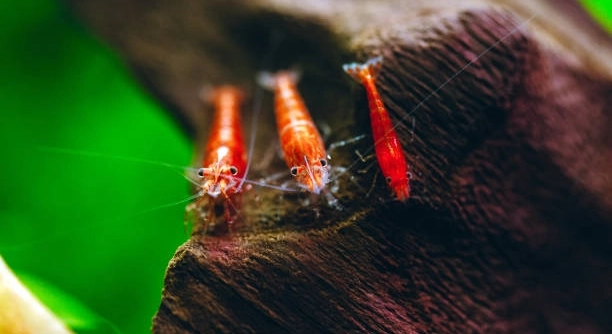
Cherry shrimp are small, colorful freshwater creatures that many people enjoy keeping in their aquariums. Their bright red hues add life to a tank, and their simple care requirements make them a popular choice for hobbyists.
Keeping cherry shrimp offers numerous benefits, including algae control, low-maintenance care, compatibility with various tank mates, and an engaging observation experience. Their small size, rapid reproduction, and appealing coloration make them an ideal addition to home aquariums.
Learning about these benefits can help improve your aquarium environment and make caring for cherry shrimp more rewarding and enjoyable.
Easy to Care For
Cherry shrimp are low-maintenance pets that do not require complicated equipment or frequent attention. They thrive in small aquariums with minimal setup, making them suitable for beginners. Maintaining stable water parameters, such as temperature and pH, is essential, but these needs are easy to manage. They do not demand constant feeding, and a balanced diet of shrimp pellets, algae wafers, and occasional vegetables is sufficient. Unlike larger fish or exotic species, cherry shrimp are hardy and adapt well to a range of conditions. Regular water changes and a simple filtration system are enough to keep them healthy. They reproduce quickly under the right conditions, meaning you can observe multiple generations in a single tank. Their small size allows for easy tank maintenance, and their peaceful nature ensures they do not harm other inhabitants. Overall, caring for cherry shrimp requires minimal effort, making them ideal for people with limited time or experience.
Their low-maintenance nature makes them perfect for aquariums that need life without added stress.
Keeping cherry shrimp simplifies aquatic care because their small size, simple diet, and hardy nature reduce the challenges often associated with aquarium keeping. Their adaptability means fewer mistakes lead to healthier, thriving colonies. Observing their behavior is relaxing, and they contribute to a cleaner tank environment. Their reproduction adds a sense of accomplishment without additional effort. Overall, their care is manageable for anyone willing to maintain basic tank conditions.
Natural Algae Control
Cherry shrimp feed on algae, helping maintain a clean aquarium environment.
By grazing on algae, cherry shrimp prevent excessive buildup that can harm other tank inhabitants. Their constant nibbling reduces the need for manual cleaning and chemical treatments. They target various algae types, including green film and soft algae, keeping surfaces clear. This natural behavior supports a balanced ecosystem in the tank. With multiple shrimp, the cleaning effect is even more noticeable. Over time, their presence contributes to a visually appealing aquarium, making decorations and plants stand out. Algae control also improves water quality, reducing harmful toxins and promoting healthier fish or invertebrates. Compared to frequent scrubbing or chemical interventions, shrimp offer an organic, sustainable solution. Maintaining a healthy shrimp population ensures consistent algae management and a low-maintenance approach to tank care. For anyone who appreciates a cleaner aquarium without extra effort, cherry shrimp are an efficient and effective addition. Their role in the tank goes beyond aesthetics, supporting both the environment and other species sharing the habitat.
Colorful and Attractive
Their bright red coloration adds visual appeal to any aquarium, making the tank more lively. Cherry shrimp provide movement and contrast against plants and decorations, enhancing the overall aesthetic of the setup. Their small size allows them to blend naturally into the environment while still standing out.
The vibrant red color of cherry shrimp creates a striking contrast in tanks with green plants or darker substrates. Their presence brings energy and visual interest to otherwise plain aquariums. Over time, as shrimp multiply, the tank gains a dynamic, lively appearance. Different shades of red among individual shrimp also create variety, keeping the scene interesting. Their small size and gentle movement make them noticeable without being overwhelming. Even a few shrimp can enhance the tank’s look, providing subtle but constant animation that draws attention and appreciation.
Beyond color, cherry shrimp contribute to visual texture. Watching them interact with plants, explore hiding spots, and graze on surfaces adds layers of movement and life. They move gracefully, highlighting decorations and complementing tank mates without crowding the space. Their activity offers constant visual stimulation while maintaining a peaceful environment.
Peaceful Tank Mates
Cherry shrimp coexist easily with most non-aggressive fish, creating harmony in the aquarium.
They are small and non-confrontational, making them ideal for community tanks. Aggressive species may harm them, but pairing them with calm fish or snails ensures safety and reduces stress. Their peaceful behavior supports a balanced tank ecosystem.
In community tanks, cherry shrimp act as quiet residents. Their presence does not disrupt other species, allowing for smooth interactions among inhabitants. They are careful when navigating shared spaces, avoiding conflict with fish or other invertebrates. This peaceful nature means tank setups can include multiple species without constant supervision. They occupy lower levels of the tank, grazing on algae and detritus while fish swim above, creating natural separation. This behavior reduces competition for food and space. Over time, their calm demeanor encourages a balanced and stress-free environment, helping both shrimp and other species thrive together.
Affordable and Accessible
Cherry shrimp are inexpensive to purchase and easy to find at most pet stores or online. Their low cost makes them accessible for beginners and hobbyists alike, allowing aquariums to be enhanced without a significant investment.
They require minimal supplies and low-cost food, keeping ongoing care affordable. Even small setups can support healthy colonies without extra expenses.
Active and Engaging
Cherry shrimp are constantly moving, exploring their environment, and interacting with surfaces. Their behavior provides subtle entertainment and observation opportunities, adding life to the aquarium. Watching them graze or hide in plants offers a sense of connection and interest for tank keepers.
Small Space Requirement
They thrive in small tanks, making them suitable for apartments or rooms with limited space. Their size and adaptability allow flexible placement without the need for large aquariums.
FAQ
How often should I feed cherry shrimp?
Cherry shrimp should be fed once a day, giving only small amounts they can consume in a few hours. Overfeeding can lead to poor water quality, which harms the shrimp. A varied diet of algae wafers, shrimp pellets, and occasional blanched vegetables works well.
Can cherry shrimp live with other fish?
Yes, they do well with peaceful, non-aggressive fish. Avoid large or predatory species that may see them as food. Tank mates like small tetras, rasboras, and snails are ideal. Their calm nature allows them to coexist without stress in community aquariums.
How many cherry shrimp can I keep in a tank?
A general rule is about 5–10 shrimp per gallon of water, depending on tank size and filtration. They reproduce quickly, so it’s important to plan for population growth to prevent overcrowding. Adequate hiding spaces help reduce stress as numbers increase.
What water parameters do cherry shrimp need?
They prefer a temperature range of 68–78°F, pH between 6.5–7.5, and soft to moderately hard water. Stable water conditions are crucial, as sudden changes can cause stress or death. A gentle filter helps maintain water quality without disturbing them.
How can I encourage breeding?
Maintaining clean water, a varied diet, and stable temperatures encourages breeding. Females carry eggs under their tails, and hiding spots with plants or moss provide security for juveniles. Avoid aggressive tank mates that may eat baby shrimp to improve survival rates.
Do cherry shrimp eat algae only?
While algae is a primary food source, they also consume biofilm, detritus, and leftover fish food. A mixed diet ensures proper nutrition and supports healthy coloration and growth. Providing vegetables occasionally, like zucchini or spinach, supplements their diet effectively.
How long do cherry shrimp live?
Cherry shrimp typically live 1–2 years, depending on care and environment. Proper water maintenance, diet, and avoiding predatory tank mates help extend their lifespan. Observing multiple generations can be rewarding, as healthy shrimp reproduce regularly under good conditions.
What tank setup is best for cherry shrimp?
A planted tank with plenty of hiding spaces is ideal. Live plants, moss, and small decorations offer shelter and grazing surfaces. A small sponge or gentle filter works best to maintain water quality without harming delicate shrimp. Substrate can be dark to enhance their coloration.
Why do my cherry shrimp lose color?
Loss of color often indicates stress, poor water quality, or inadequate nutrition. Ensure stable water parameters, provide a varied diet, and reduce aggressive tank mates. Healthy, well-fed shrimp in comfortable environments display vibrant red tones consistently.
Can cherry shrimp handle tap water?
They can tolerate treated tap water if it is properly conditioned and tested. Chlorine and heavy metals must be removed, and parameters should be stable before introducing shrimp. Regular water testing ensures safe conditions and prevents health issues.
Is it necessary to separate shrimp from fish during molting?
It is not always necessary, but soft molted shrimp are vulnerable to predation. Providing hiding spaces and dense plant coverage reduces risks during molting. Most peaceful tank mates will not harm them, but extra shelter ensures higher survival rates.
How do I prevent overpopulation?
Overpopulation can be controlled by limiting food, maintaining fewer breeding pairs, or introducing small fish that may consume excess juveniles. Regular observation helps keep numbers manageable, ensuring the tank remains healthy for all inhabitants.
What signs indicate a healthy shrimp?
Healthy shrimp are active, brightly colored, and regularly grazing. They molt successfully and reproduce consistently. Lack of movement, pale color, or hiding excessively may signal stress, poor water quality, or illness, requiring immediate attention.
How long does it take for baby shrimp to mature?
Baby shrimp grow rapidly under ideal conditions and usually reach maturity within 4–6 months. Providing plenty of food, clean water, and safe hiding places supports faster growth and higher survival rates.
Are cherry shrimp compatible with snails?
Yes, they are compatible and often benefit from snails in the tank. Snails help clean surfaces and rarely compete for food. Their presence can reduce algae and detritus, complementing the natural cleaning behavior of cherry shrimp without conflict.
This FAQ provides essential guidance for caring for cherry shrimp, from feeding and breeding to tank setup and health monitoring. Following these practices ensures shrimp thrive and enhance any aquarium environment.
Word count: 525
Keeping cherry shrimp in a home aquarium is a practical and rewarding choice for many people. These small invertebrates are not only visually appealing with their bright red coloration but also serve a useful role in maintaining the tank environment. Their ability to feed on algae and leftover food helps keep the water cleaner, which benefits all other inhabitants. Unlike some fish species that require complex care, cherry shrimp are low-maintenance and hardy, making them suitable for beginners and more experienced hobbyists alike. Setting up a tank for them is straightforward, requiring only basic filtration, stable water conditions, and some plants or decorations to provide hiding spaces. This simplicity allows people to enjoy an active, lively aquarium without investing excessive time or money into maintenance.
Cherry shrimp are also peaceful and adaptable, which makes them excellent community tank members. They can coexist with many small, non-aggressive fish, as well as snails and other invertebrates, without conflict. Their small size and calm behavior mean they occupy a lower part of the tank, grazing on surfaces while fish swim above, creating a natural balance within the space. Observing their movement and feeding habits can be surprisingly engaging, as they constantly explore and interact with the environment. In addition, their reproductive cycle is fairly straightforward, allowing hobbyists to witness multiple generations over time. With a few precautions, such as providing hiding spots for young shrimp and monitoring water quality, populations can thrive without causing overcrowding or stress in the tank.
The long-term benefits of keeping cherry shrimp extend beyond aesthetics and algae control. They contribute to a healthier aquarium ecosystem by supporting clean surfaces and maintaining balanced biological activity. Their relatively small size and minimal space requirements mean even small tanks can become lively and dynamic without needing a large setup. Furthermore, their presence encourages consistency in tank care, such as regular water testing and careful feeding, which benefits all inhabitants. Over time, the combination of color, activity, and natural cleaning behavior creates a visually appealing and low-stress environment. For anyone looking to enhance their aquarium with a small, resilient, and helpful species, cherry shrimp offer a dependable and enjoyable option that complements both the tank and its other inhabitants.
Word count: 410

Hello,
If you enjoy the content that we create, please consider saying a "Thank You!" by leaving a tip.
Every little bit helps us continue crafting quality advice that supports the health, happiness, and well-being of pets around the world, for pets of all shapes, sizes, and species.
We really appreciate the kindness and support that you show us!