
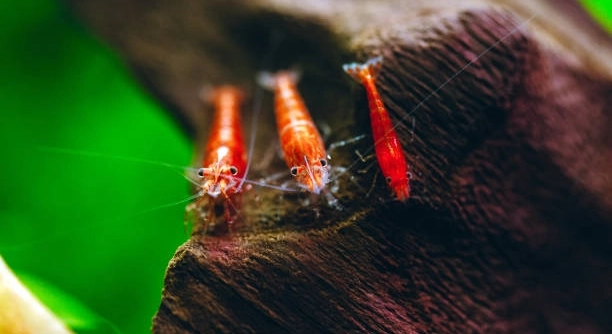
Have you ever watched your cherry shrimp exploring their tank at night and wondered if they can still sense their surroundings in low light conditions while moving gently through plants and decorations in their home?
Cherry shrimp possess limited night vision supported by light sensitive structures that help them detect changes in their surroundings. Their reliance on antennae and sensory hairs enables steady navigation in darkness mainly, allowing them to remain active and safely oriented.
Learning about their behavior in dim conditions provides simple guidance that helps you support their needs and maintain healthy habitat.
How Cherry Shrimp Perceive Low Light
Cherry shrimp rely on a mix of subtle senses when the lights go down in their tank, and this simple combination helps them stay active without stress. Their eyes detect faint changes that come from any remaining glow in the room, allowing them to sense motion or shifting shapes around them. Although their vision does not provide sharp images, it still supports calm movement through plants, surfaces, and tiny hiding areas. They also depend on their antennae, which help them feel vibrations and locate food pieces resting on the substrate. These sensory tools work together, giving them enough awareness to remain confident even when the tank appears dark to you. Because they respond so well to stable surroundings, maintaining a consistent lighting routine helps them adapt easily. When their needs are met, they show steady behavior that reflects comfortable conditions without unnecessary tension. This balance keeps their nightly activity steady.
Their ability to function in low light depends mainly on simple sensory cues that guide calm movement. Even without sharp eyesight, they respond smoothly to subtle signals around them. This steady awareness supports natural behaviors that help them remain comfortable in dim conditions throughout their regular daily routine each day.
Creating a safe environment for cherry shrimp during darker hours helps them display steady and relaxed behavior. Soft lighting that fades gradually prevents sudden changes that might interrupt their sense of balance. Keeping decorations simple but stable allows them to explore without confusion. Maintaining clean water with consistent parameters also supports smoother movement, since sensitive organisms react strongly to unstable surroundings. Gentle filtration that avoids strong currents encourages comfortable feeding patterns during evening hours. When these conditions come together, your shrimp remain active with less tension. This supportive arrangement helps them thrive even when the tank becomes noticeably darker inside.
Supporting Cherry Shrimp in Dim Conditions
Stable lighting habits help cherry shrimp adapt more naturally to darker periods. A calm environment with minimal disturbances maintains their confidence while they move through plants and surfaces. Consistent care encourages balanced behavior that reflects a comfortable routine in both light and shadow within their tank at all times daily.
Keeping cherry shrimp comfortable in darker conditions begins with maintaining consistent lighting that changes gradually rather than abruptly. Sudden shifts can disturb their natural responses, making them more cautious when exploring surfaces or searching for food. A steady light cycle supports calm movement, allowing them to adjust to dim phases with ease. Clean water with stable parameters is equally important, since slight fluctuations can influence how confidently they navigate their surroundings. Balanced filtration that avoids harsh flow helps them feed without unnecessary strain, especially during quieter periods. Providing hiding areas such as moss, small caves, or plant clusters gives them safe spaces to retreat when the tank becomes darker, supporting their instinctive need for shelter. Avoid loud noises or sudden activity near the tank during low light hours, since sensitive species react strongly to environmental disturbances. A consistent feeding routine also helps them understand when to expect food, reducing stress and promoting steady activity. Observing their behavior during dim periods can help you notice subtle changes that may indicate discomfort. When all these supportive elements come together, your cherry shrimp maintain stable patterns that reflect a healthy environment suited to their natural rhythms. This consistency supports their stability each day.
Light Levels That Affect Cherry Shrimp Behavior
Light intensity influences how cherry shrimp move through their tank, especially when conditions become dim. Softer lighting allows calm activity, while sudden brightness can interrupt their sense of stability. Keeping levels balanced helps them remain steady, reducing unnecessary stress that might disrupt their natural patterns during quieter periods.
Cherry shrimp respond best to lighting that shifts slowly rather than abruptly. Gradual transitions help them adjust without confusion, especially when moving between brighter and darker phases. Soft ambient light supports gentle foraging and relaxed exploration across surfaces, preventing sudden reactions that come from sharp contrasts. Maintaining stable surroundings helps them remain confident, reducing defensive responses that may appear when the environment changes too quickly. When the tank stays predictable, they continue their routine without unnecessary tension. This steady pattern encourages calm behavior that suits their sensitive nature and supports healthier interactions within the group.
Keeping light levels consistent also influences how well they locate food and navigate through plants or decorations. Dim conditions can make feeding slower, but stable lighting helps them stay oriented while searching the substrate. Tanks with too little light may cause hesitancy, while soft illumination supports smoother movement. Shrimp thrive when conditions feel familiar, so predictable brightness helps them maintain regular activity even during darker hours. When lighting remains even and gentle, their responses stay controlled and comfortable. This approach benefits overall behavior and encourages continuous activity that reflects balanced care.
How Darkness Influences Cherry Shrimp Activity
Cherry shrimp often remain active in dim conditions, but their movements become slower and more deliberate when the tank becomes fully dark. Their sensory tools guide them through unfamiliar shadows, allowing them to continue exploring without losing their sense of direction. Stable surroundings help them feel grounded during their nightly activity.
Darkness encourages a calmer pattern of movement that relies more on touch and sensitivity than vision. Their antennae help them read small vibrations, while their sensory hairs detect subtle shifts in the water. These tools let them move confidently even when their eyes offer limited clarity. Providing hiding areas ensures they have safe places to slip into when they need comfort. Clean water and steady filtration also support smooth navigation during darker hours. Avoid sudden disturbances around the tank, since sensitive species can react strongly to unexpected noise or movement. A steady lighting schedule further encourages balanced behavior, helping them understand daily transitions naturally.
How Cherry Shrimp Use Their Senses at Night
Cherry shrimp rely heavily on their antennae when light fades, using them to feel small vibrations and locate food pieces resting on the substrate. This steady sensory method keeps them oriented even when their vision cannot fully guide them through darker spaces.
Their sensory hairs help them detect gentle movement in the water, allowing them to respond smoothly to changes around them. These combined tools support balanced behavior during dim hours, helping them stay aware of their surroundings without becoming stressed or confused by low visibility.
Factors That Influence Their Confidence in Low Light
Confidence during darker periods depends on stable surroundings that allow cherry shrimp to rely on their natural sensing abilities. Clean water supports their comfort, since poor quality can interfere with calm movement. Gentle filtration avoids harsh currents that disrupt their feeding or resting habits at night. Simple hiding spaces help them retreat when needed, and consistent lighting routines prevent confusion during transitions. When these conditions remain steady, they adopt smoother patterns and display relaxed behavior. Shrimp that feel secure explore more freely and show reliable activity, even when the tank becomes noticeably dim.
Why Consistency Helps Their Nighttime Behavior
Steady care gives cherry shrimp the confidence to move through darker periods without hesitation. Predictable lighting, stable water, and gentle surroundings help them trust their environment and maintain smooth, natural behavior each night.
FAQ
Can cherry shrimp see in complete darkness?
Cherry shrimp cannot see clearly in full darkness, but they can still sense their surroundings through touch and vibration. Their eyes detect faint changes when some light is present, but once the tank becomes fully dark, their vision becomes extremely limited. During these periods, they depend more on their antennae and sensory hairs to guide their movement. These tools help them understand their environment well enough to continue exploring without losing orientation. Although their eyesight offers little help, their natural sensitivity keeps them comfortable as long as the conditions around them remain steady and predictable.
Do cherry shrimp become less active at night?
Cherry shrimp often remain active during darker hours, although their movements may slow down slightly. Their activity level depends on tank conditions, available hiding spots, and how stable the lighting routine is each day. When the environment feels safe and consistent, they continue searching for food, navigating plants, and interacting with the substrate. They do not rely on strong light to maintain activity, so dim periods feel natural for them. If the tank stays calm and quiet, they will often explore confidently even when the light is minimal.
Are cherry shrimp stressed by low light levels?
Cherry shrimp are not usually stressed by gentle or dim lighting, as long as changes are gradual. Sudden darkness or abrupt brightness can cause confusion, making them dart or freeze temporarily. Stable lighting habits help them adapt without tension, maintaining smooth behavior during transitions. If they have enough hiding spaces, they respond to dim phases calmly. Stress appears mostly when environmental factors such as poor water quality or strong currents create instability, rather than because of low light itself.
Do cherry shrimp need a night light?
Cherry shrimp do not require a night light to function normally. However, a soft ambient light outside the tank or a very low-intensity tank light can support gentler transitions between day and night. This prevents sudden changes that might startle them. A night light is not a necessity but can help maintain stability if their environment tends to shift quickly. If the room naturally provides a small amount of indirect light, that is usually enough for them to adjust without discomfort.
Does darkness affect how cherry shrimp find food?
Darkness can slow their feeding slightly because they rely more on touch than sight. Their antennae help them detect small vibrations caused by food movement or subtle water shifts. They can still locate food successfully, but it may take more time without any light. Maintaining clean water and gentle flow helps them sense food more easily. If the tank has stable lighting transitions, they learn when to expect feeding and adjust their activity patterns accordingly.
Should tank lighting mimic natural day and night cycles?
Cherry shrimp benefit from a consistent cycle that resembles natural rhythm, even if it is not perfect. A predictable schedule helps regulate their behavior, making them more confident while moving through the tank. Gradual dimming and brightening are more important than the exact number of hours of light. Most keepers choose around eight to twelve hours of light each day, balanced with a calm dark period that allows the shrimp to rest and explore quietly. When the pattern stays stable, their responses remain smooth and controlled.
Can cherry shrimp sleep at night?
Cherry shrimp do not sleep in a traditional sense, but they do enter short periods of rest where their movement slows. These restful phases happen throughout the day and night. Darkness does not force them into a deeper rest cycle, but it does encourage calmer behavior. Their natural rhythm includes alternating moments of activity and stillness, which helps them maintain energy. When they feel safe, these resting periods become more regular and balanced.
Does stronger lighting improve their vision?
Stronger lighting does not significantly improve their vision because their eyes are not built for sharp detail. Bright light simply makes the environment clearer overall, but it does not enhance their ability to see fine features. Overly strong lighting can even create stress by exposing them too much. Soft to moderate lighting is enough for them to navigate comfortably. Their true strength comes from sensory awareness rather than visual clarity.
Why do cherry shrimp move confidently in dim environments?
Cherry shrimp move steadily in dim environments because their survival depends on sensing rather than seeing. Their antennae, sensory hairs, and ability to detect tiny changes in water movement allow them to read their surroundings naturally. When the tank stays stable, they feel secure enough to maintain their patterns with ease.
Final Thoughts
Cherry shrimp handle dim conditions well, and their behavior in low light reflects how naturally they interact with their surroundings. They do not depend on sharp vision, so darkness does not prevent them from staying active or exploring their tank. Their confidence comes from their sensory tools, which guide them through darker spaces with steady movement. When their environment remains predictable, they adapt without difficulty. A calm tank with stable water, consistent lighting, and gentle flow supports their comfort no matter how bright or dark the surroundings become. Cherry shrimp respond best when their environment changes slowly, and this simple approach keeps them relaxed and balanced each day. Understanding these patterns helps you provide care that aligns with their natural abilities and avoids creating tension. When you support their rhythm, they thrive quietly in both bright and dim conditions.
Their nighttime behavior highlights how much they rely on touch and sensitivity rather than sight. Even when the tank becomes dark, they use their antennae to read tiny vibrations and locate surfaces, food, or hiding places. These natural tools replace the need for strong light, allowing them to stay oriented and active without relying on clear vision. Many keepers worry that darkness might cause stress, but cherry shrimp remain steady as long as their surroundings feel familiar. They prefer areas where they can retreat when needed, so plants, moss, and gentle cover help them feel safe. Slow lighting transitions are especially important, since sudden changes can interrupt their sense of stability. Keeping their environment quiet during nighttime hours also helps them maintain calm behavior. Their sensitivity makes them aware of small shifts around them, so reducing disturbances supports peaceful activity. This simple care routine meets their needs without extra effort, and the results show through smooth, consistent movement even in low light.
Caring for cherry shrimp during darker periods is mostly about keeping the environment stable enough for them to rely on their sensing abilities. Clean water, predictable lighting, and gentle flow form the foundation of their comfort. When these conditions remain steady, they explore freely, feed without hesitation, and show natural patterns that reflect good health. Their ability to adapt in low light conditions makes them easy to support once you understand how they perceive their surroundings. Watching them move calmly through dim areas reveals how well they manage their environment with subtle cues that many keepers overlook. By focusing on small but important details, you give them the stability they need to continue their routine with confidence. These habits keep them healthy, active, and comfortable no matter how light or dark their tank becomes.

Hello,
If you enjoy the content that we create, please consider saying a "Thank You!" by leaving a tip.
Every little bit helps us continue crafting quality advice that supports the health, happiness, and well-being of pets around the world, for pets of all shapes, sizes, and species.
We really appreciate the kindness and support that you show us!