
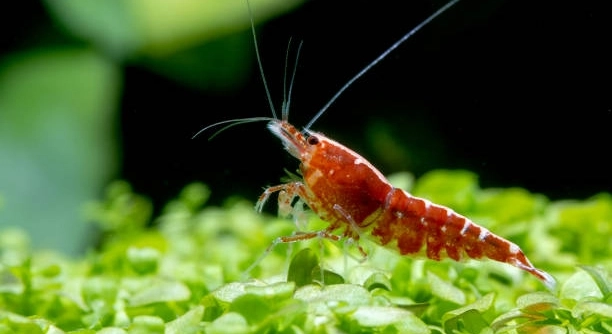
Do you ever find yourself setting up a new aquarium and wondering if the water you already have is safe for your shrimp? Cherry shrimp are delicate creatures that need stable conditions to thrive.
Cherry shrimp can survive in tap water if it is properly treated and parameters such as pH, hardness, and chlorine levels are carefully monitored. Using a water conditioner and testing regularly ensures a safe environment for long-term health.
Learning how to prepare tap water correctly can help your shrimp live happily and reduce the risk of sudden health issues.
Understanding Tap Water for Cherry Shrimp
Tap water can be convenient for filling your aquarium, but it requires careful preparation before adding shrimp. The most important factors to consider are chlorine, chloramine, pH levels, and general hardness. Many municipal water supplies contain chlorine or chloramine, which are harmful to shrimp. Using a water conditioner removes these chemicals, making the water safe. pH levels should ideally be between 6.5 and 7.5, and hardness should be monitored to ensure a stable environment. Fluctuations in these parameters can stress shrimp, weaken their immune systems, and lead to illness. Even small changes in temperature or water chemistry can impact their health, so regular testing is necessary. Providing consistent, clean, and treated water supports molting, growth, and reproduction. Equipment such as a water testing kit and a reliable conditioner can make this process simple and effective. Understanding the properties of your tap water is essential for creating a thriving habitat.
Properly treated tap water provides a safe and stable environment for shrimp, preventing stress and promoting healthy growth.
Knowing how to adjust and maintain water parameters ensures your cherry shrimp can thrive in a home aquarium. Consistent monitoring allows you to prevent sudden shifts in pH or hardness that could negatively affect your shrimp’s health. Over time, you will become familiar with your tap water’s characteristics and the adjustments it may need. This knowledge helps you maintain a healthy and balanced environment. Maintaining a clean tank with stable water conditions supports shrimp activity, molting cycles, and breeding success. Even small errors in water preparation can have a significant effect, so diligence is key. Simple steps like treating water, testing frequently, and avoiding rapid changes can make a noticeable difference in your shrimp’s well-being. By understanding your water, you can ensure long-term health and enjoyment of your aquarium.
Tips for Making Tap Water Safe
Treating tap water with a conditioner is the simplest way to protect shrimp from harmful chemicals.
Test the water for pH, hardness, and temperature before introducing shrimp. Adjust slowly to maintain stable conditions. Frequent monitoring helps avoid stress, promotes growth, and supports reproduction. Consistency is the key to a healthy aquarium.
Regular testing and careful adjustments make tap water a reliable choice for cherry shrimp. Using conditioners and monitoring pH and hardness ensures safe, stable water. Always acclimate shrimp slowly when transferring to a new tank. Avoid sudden changes in temperature or chemical levels, as these can shock or stress them. Even treated water needs consistent monitoring to prevent long-term issues. Observing shrimp behavior and molting patterns provides feedback on water quality, allowing early intervention if needed. With proper preparation, tap water can provide a safe, manageable, and convenient source for maintaining a healthy shrimp aquarium. These practices protect your shrimp, support their development, and create a stable, thriving aquatic environment.
Common Issues with Tap Water
Chlorine and chloramine are the main chemicals in tap water that can harm cherry shrimp. High fluctuations in pH or hardness can also stress them, leading to molting problems or decreased activity. Regular testing helps prevent these issues.
Even if tap water looks clear, hidden chemicals can be dangerous. Chlorine is toxic to shrimp and can damage their gills and skin. Many water supplies now use chloramine, which is harder to remove and requires a water conditioner designed specifically for it. Sudden changes in pH can cause stress, making shrimp more susceptible to disease. Hard water or soft water outside the recommended range affects their molting cycle and overall health. Regular testing and careful treatment of tap water ensures shrimp remain active, healthy, and able to reproduce.
Temperature and mineral content can also create subtle problems. Shrimp prefer stable conditions, and even small fluctuations can affect feeding behavior and molting. Using a thermometer and a water testing kit can help maintain the proper environment. Over time, you will notice that shrimp are more active, colorful, and breed successfully when water parameters are stable. Paying attention to these factors makes a big difference in long-term care.
Adjusting Tap Water for Safe Use
Using a water conditioner removes harmful chemicals, making tap water safe for shrimp. Treating every refill prevents stress and illness.
Adjusting pH and hardness should be done gradually to avoid shocking shrimp. Adding minerals or buffers in small amounts helps stabilize water chemistry. Monitor levels frequently to maintain a consistent environment, and avoid sudden changes. Regular testing combined with slow adjustments ensures shrimp adapt safely and remain healthy. This process supports molting, feeding, and reproduction. Maintaining proper conditions also reduces mortality and promotes vibrant coloration in cherry shrimp.
A consistent routine in treating and adjusting tap water creates a reliable environment for shrimp. Start by testing pH, general hardness, and carbonate hardness to determine necessary adjustments. Water conditioners neutralize chlorine and chloramine, while minerals or buffers correct hardness and pH. Gradual adjustments prevent stress and allow shrimp to adapt naturally. Frequent testing helps detect shifts before they become harmful. Over time, treated tap water becomes a stable, predictable resource, supporting active, healthy shrimp. Observing shrimp behavior and coloration provides feedback on water quality, allowing further fine-tuning. Following these steps ensures long-term success in maintaining a thriving cherry shrimp aquarium.
Acclimating Cherry Shrimp
Acclimating shrimp to tap water is essential to prevent shock. Slowly mixing tank water with the transport water over an hour helps them adjust safely.
Adding small amounts of tank water at intervals allows shrimp to adapt to pH, temperature, and hardness differences. Rushing this process can cause stress and molting problems.
Monitoring Water Quality
Frequent testing is necessary to keep tap water safe. Checking pH, ammonia, nitrite, and nitrate levels prevents sudden problems that can harm shrimp. Maintaining stable conditions supports their health and reproduction.
Signs of Stress
Shrimp that hide constantly, lose color, or stop eating may be stressed by water conditions. Observing behavior helps identify issues early and allows timely adjustments to prevent further health problems.
FAQ
Can cherry shrimp survive without a water conditioner?
Shrimp can be very sensitive to chlorine and chloramine, which are common in tap water. Using a water conditioner removes these chemicals, making the water safe. Without treatment, shrimp may become stressed, have trouble molting, or even die. Regular use of a conditioner ensures a stable, healthy environment.
How often should I test tap water?
Testing should be done at least once a week for pH, ammonia, nitrite, and nitrate. Hardness and carbonate hardness can be tested less frequently, but monitoring ensures any sudden changes are caught early. Consistent testing keeps shrimp healthy and reduces the risk of stress-related issues.
What pH range is safe for cherry shrimp?
Cherry shrimp thrive in slightly acidic to neutral water. A pH between 6.5 and 7.5 is ideal. Water outside this range can slow growth, reduce activity, and make molting more difficult. Gradual adjustments are better than sudden changes.
Can I use softened or distilled water for cherry shrimp?
Softened or distilled water lacks minerals shrimp need. Using it alone can weaken their exoskeleton and reduce health. If you use soft water, add mineral supplements or buffers to maintain proper general hardness and carbonate hardness.
How do I acclimate shrimp to tap water?
Acclimation is a gradual process. Slowly mix small amounts of tank water with the water the shrimp came in over 60–90 minutes. This prevents shock from sudden differences in temperature, pH, and hardness. Observing their behavior during this process helps identify stress early.
Can cherry shrimp live in hard tap water?
Yes, as long as hardness and pH remain within safe limits. General hardness between 4–8 dGH and carbonate hardness between 3–6 dKH is ideal. Hard water outside these ranges can cause molting issues and reduce lifespan. Monitoring water regularly ensures long-term health.
What are the signs of poor water quality in shrimp?
Shrimp may hide constantly, stop eating, lose color, or have difficulty molting. High mortality can also indicate poor water conditions. Observing these behaviors early allows corrective action, such as adjusting pH, hardness, or removing toxins.
Is it safe to use tap water directly from the tap?
Tap water must be treated before adding shrimp. Chlorine, chloramine, and fluctuating minerals can stress or kill them. Using a water conditioner, testing, and gradual acclimation ensures the water is safe for long-term shrimp health.
How do I maintain consistent water parameters?
Regular testing and slow adjustments are key. Avoid sudden changes in pH, hardness, or temperature. Use conditioners and mineral supplements as needed, and monitor shrimp behavior. Stable water conditions support molting, feeding, and reproduction.
Can I mix tap water with bottled spring water?
Yes, mixing can help adjust hardness and pH. Use caution to avoid sudden changes in parameters. Test the water before adding shrimp and make gradual adjustments to maintain a stable environment. Observing shrimp behavior will show if the mixture is suitable.
How long can cherry shrimp tolerate untreated tap water?
Even a short exposure to untreated tap water with chlorine or chloramine can be harmful. Some shrimp may survive a few hours, but prolonged exposure increases stress, molting problems, and mortality. Treating water before use is always the safest choice.
Do temperature changes affect shrimp in tap water?
Yes, sudden temperature changes can stress shrimp. Tap water that is too warm or too cold compared to the tank can shock them. Gradual acclimation and using water close to tank temperature ensures shrimp adjust safely. Stable temperatures support activity and breeding.
Are mineral additives necessary if my tap water seems fine?
Even if tap water appears safe, shrimp need minerals for exoskeleton development and molting. Mineral additives or buffers help maintain general hardness and carbonate hardness within safe ranges, preventing long-term health problems.
Can cherry shrimp live in RO water?
Reverse osmosis (RO) water is very pure and lacks essential minerals. Shrimp cannot survive in untreated RO water alone. It must be remineralized with buffers or additives to create safe conditions for molting and reproduction.
How often should I perform water changes?
Weekly water changes of 10–20% are recommended. This helps maintain stable parameters and reduces buildup of toxins. Always treat tap water with conditioner and match temperature before adding it to the tank. Regular maintenance supports shrimp health and vitality.
What is the best way to adjust pH safely?
Use buffers designed for aquariums and make gradual adjustments. Adding too much at once can stress shrimp and cause molting problems. Test water frequently during adjustments to ensure it stays within the ideal range. Small, incremental changes are safer.
Can cherry shrimp survive in low-mineral tap water?
Low-mineral water can weaken shrimp and affect molting. Supplements or buffers are necessary to maintain proper general hardness and carbonate hardness. Without minerals, shrimp may have a shorter lifespan and lower reproductive success.
How do I know if my water conditioner is effective?
A conditioner should neutralize chlorine and chloramine immediately. Test kits for chlorine and ammonia can confirm effectiveness. Using a reliable product ensures shrimp are protected and water remains safe during every change or refill.
What should I do if water parameters fluctuate suddenly?
Perform small, incremental adjustments to bring the water back to safe ranges. Monitor shrimp behavior and increase observation for stress signs. Frequent testing and careful corrections prevent long-term harm and support continued molting, feeding, and activity.
Can cherry shrimp adapt to slightly different water from their original tank?
Yes, with gradual acclimation. Slowly mixing water from the new tank with their original water over an hour allows them to adjust to differences in pH, hardness, and temperature. Rushing this process can cause stress, color loss, or molting issues.
Are some tap water sources better than others?
Yes, water with stable pH and moderate hardness is easier to adjust for shrimp. Extremely soft or heavily chlorinated water requires more treatment and careful monitoring. Understanding your local tap water helps maintain a healthy aquarium environment.
How do I prevent future water-related problems?
Maintain a consistent testing routine, use conditioners and mineral supplements, and acclimate shrimp slowly. Observing behavior and performing regular water changes keeps parameters stable. Preventing sudden shifts in pH, hardness, or temperature ensures long-term health and vibrant, active shrimp.
Can I use water from a well for cherry shrimp?
Well water can vary in minerals, pH, and contaminants. Testing is essential before use. Treatment with a water conditioner and adjustments to hardness or pH may be necessary. Proper preparation ensures the water is safe and stable for shrimp health.
Is it necessary to remove tap water additives like fluoride?
Fluoride is generally not harmful at low levels, but high concentrations may affect shrimp health. Testing water and using a water conditioner helps neutralize chemicals and ensures safe conditions. Monitoring shrimp behavior provides early feedback on water suitability.
Can cherry shrimp reproduce in tap water?
Yes, if the water is treated, stable, and within the proper pH and hardness ranges. Untreated or unstable tap water can inhibit molting, reduce breeding success, and stress shrimp, making reproduction less likely. Proper care ensures healthy growth and offspring production.
How can I simplify tap water preparation?
Use a reliable water conditioner, test water regularly, and keep mineral additives on hand. Establish a routine for water changes and acclimation. Consistency and gradual adjustments reduce stress and make maintaining a healthy shrimp tank manageable and predictable.
Is there a risk of overdosing minerals or buffers?
Yes, adding too much at once can drastically alter pH or hardness, stressing shrimp. Always follow product instructions and make incremental adjustments. Frequent testing ensures safe and stable water parameters, preventing long-term issues and supporting overall health.
Can I mix different treated waters for cherry shrimp?
Yes, but test combined water for pH, hardness, and other parameters. Gradual mixing prevents sudden changes. Observing shrimp behavior ensures the mixture is suitable and maintains a safe, stable environment.
Cherry shrimp are small, delicate creatures that can thrive in home aquariums if given the right conditions. Tap water is a common and convenient source for filling tanks, but it is not always immediately safe for shrimp. Chemicals like chlorine and chloramine, often present in municipal water supplies, can harm them even in small amounts. In addition, fluctuations in pH, temperature, and water hardness can cause stress, affect molting, and reduce their overall health. Taking the time to treat tap water, test it regularly, and monitor its parameters creates a safe environment. Using a water conditioner to neutralize harmful chemicals and slowly acclimating shrimp to any changes in their tank water are essential steps. By paying attention to these details, you provide a stable and supportive home where shrimp can grow, eat, and reproduce successfully. Even small, consistent actions make a noticeable difference in maintaining their well-being.
Maintaining proper water parameters goes beyond just removing harmful chemicals. Cherry shrimp need a balanced environment with appropriate pH, general hardness, and carbonate hardness. Soft or mineral-deficient water can weaken their exoskeletons and interfere with molting. Regular testing of water helps track changes and prevents potential issues before they affect shrimp health. Gradual adjustments are always better than sudden changes, as rapid shifts can stress shrimp and lead to behavioral changes, reduced feeding, or even mortality. Observing shrimp behavior and appearance provides feedback on water quality, and small corrections can restore balance effectively. Even when using tap water that seems safe, adding minerals or buffers ensures long-term health and proper growth. Consistency in monitoring and care ensures that shrimp remain active, colorful, and capable of breeding successfully in the aquarium environment.
Creating a thriving shrimp tank is achievable with proper planning, attention, and care. Tap water can be a reliable source if treated and monitored correctly. Regular water changes, acclimation procedures, and careful observation help prevent stress and support healthy development. Understanding the properties of your water and learning to maintain stability allows for a more predictable and enjoyable shrimp-keeping experience. Over time, this consistency builds confidence in managing your aquarium while ensuring your shrimp live long, healthy lives. Even though the process may require patience and diligence, the rewards of watching active, healthy shrimp thriving in a safe environment make it worthwhile. By focusing on stable water conditions, proper treatment, and careful observation, you create a space where cherry shrimp can flourish, making tap water a practical and manageable option for any home aquarium.

Hello,
If you enjoy the content that we create, please consider saying a "Thank You!" by leaving a tip.
Every little bit helps us continue crafting quality advice that supports the health, happiness, and well-being of pets around the world, for pets of all shapes, sizes, and species.
We really appreciate the kindness and support that you show us!