
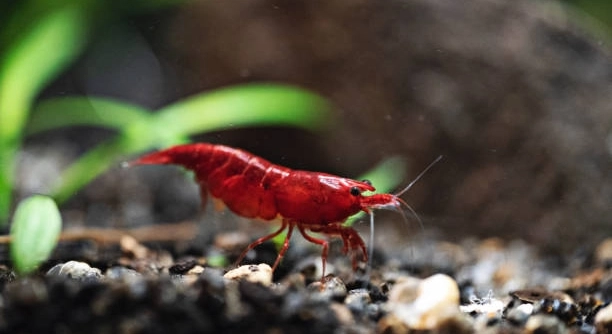
Have you ever watched your cherry shrimp in their tank and noticed tiny green or brown eggs clinging to plants or surfaces? Observing their development can be fascinating, especially when you start seeing changes signaling new life soon.
Cherry shrimp eggs are about to hatch when they show a darkening in color, visible eyes, swelling in size, movement within the eggs, and firm attachment to surfaces. These signs indicate embryonic development is near completion and imminent hatching is expected.
Knowing these subtle signals will help you prepare your tank environment and ensure the young shrimp have a safe start in life.
Color Changes in Cherry Shrimp Eggs
As cherry shrimp eggs mature, their color gradually shifts from pale yellow or green to darker brown or black. This change is one of the earliest signs that hatching is approaching. The darkening occurs because the embryos inside are developing, forming eyes and other body structures that become visible through the translucent egg shell. Watching these subtle changes can give you confidence that the eggs are healthy. Not all eggs will darken at the same rate, and some may remain lighter due to natural differences or failed development. Proper water conditions, including temperature, pH, and cleanliness, can influence how well the eggs develop and how quickly the color changes. Ensuring consistent conditions will support the survival of the hatchlings and minimize stress for the adult shrimp. Regular observation of the eggs will allow you to notice patterns and intervene early if any eggs show signs of deterioration.
Eggs that remain light and do not darken after several days are less likely to hatch successfully.
Observing the color changes also helps in predicting the approximate time of hatching. Eggs that turn dark usually hatch within a few days, whereas lighter eggs may take longer or fail entirely. This visual cue allows you to prepare the tank by checking hiding spots, ensuring filtration is gentle, and providing sufficient biofilm or algae for the newborn shrimp. Maintaining stable conditions at this stage is crucial, as sudden water changes or disturbances can harm the developing embryos. By paying attention to these details, you can increase the survival rate and see healthy, active baby shrimp emerge ready to start exploring their environment.
Movement Within the Eggs
Tiny movements inside the eggs become noticeable as hatching nears.
These subtle wiggles indicate that the embryos are developing muscles and preparing to leave the eggs. Movement is usually more visible when the eggs are darkening and can vary depending on water temperature and individual development. Observing this activity helps you identify which eggs are viable and which may not survive. Even small motions can signal that the shrimp inside are healthy, feeding from the yolk sac, and preparing for hatching. Tank conditions like stable temperature, clean water, and minimal disturbance encourage stronger, more consistent movement. Gentle observation is key, as excessive handling or tapping the tank can stress the embryos and reduce hatching success. These early movements are a reliable sign that hatching will occur soon, giving you time to ensure the environment is ready for the tiny shrimp.
Movement within the eggs becomes more pronounced as the embryos approach full development. Each shrimp starts flexing and adjusting, showing muscular activity. These actions are part of the normal process as they use stored energy from the yolk sac. Eggs that display no movement might be unviable, while active eggs are nearly ready to release their young. Preparing the tank at this stage is important. Providing safe spaces, gentle water flow, and stable temperatures will allow the baby shrimp to survive once they hatch. Observing movement also gives insight into timing, letting you anticipate when the eggs will open. Watching this gradual activity can be rewarding and reassuring, confirming that your shrimp are progressing well and that new life is about to appear. Paying attention to these signs helps ensure a successful hatch without unnecessary intervention.
Eggs Firmly Attached to Surfaces
Cherry shrimp eggs remain firmly attached to plant leaves, moss, or tank surfaces until hatching. Loose eggs often indicate stress, poor water conditions, or non-viable embryos. Strong attachment is a good sign that the eggs are developing properly and will likely hatch successfully.
Firmly attached eggs resist gentle movement in the water, indicating a healthy adhesive process that supports development. This attachment prevents eggs from drifting into unsafe areas of the tank where they might be eaten or buried in substrate. The adhesion also allows the embryos to remain stable while they grow, supporting proper orientation and even development. Eggs that detach or fall off too early are more prone to infection, fungal growth, or damage, which can reduce hatching success. By keeping the tank calm and maintaining proper water quality, you support the strength of the egg attachment and improve overall survival rates for the young shrimp.
Observing the attachment can also help identify which eggs are most likely to hatch. Those firmly clinging to surfaces are typically viable, while detached or floating eggs may need to be removed to prevent contamination. Ensuring the tank environment is stable—avoiding sudden water changes, strong currents, or excessive cleaning near the eggs—protects their adhesion. This stability helps embryos develop in the proper orientation, which is critical for hatching success. Paying attention to attachment also gives insight into timing, as eggs that remain firmly fixed are often close to hatching, allowing you to prepare the tank for new shrimp without unnecessary stress to the adults or babies.
Visible Eyes in the Eggs
As hatching nears, the embryos’ eyes become clearly visible through the egg shell. This is one of the most reliable indicators that the eggs are almost ready to hatch.
The appearance of eyes signals that organ development is nearly complete and the shrimp inside are preparing to emerge. These eyes often appear as small black dots and can be seen without magnification in many cases. Observing the eyes helps distinguish viable eggs from those that may not develop further. Tank conditions such as stable temperature, clean water, and minimal disturbance allow embryos to progress properly and eyes to form clearly. Eggs without visible eyes might still be developing, but those with dark, defined eyes are close to hatching. Watching for eye visibility also gives a better sense of timing for when the babies will emerge and start exploring their environment.
Eye visibility also helps in planning tank care during the hatching phase. As the embryos near completion, keeping the water stable and providing hiding spots ensures newborn shrimp are safe and can feed immediately. Proper lighting can help you see the eyes without stressing the eggs. It also allows you to remove non-viable eggs that might otherwise compromise water quality. Observing this stage is rewarding because it signals life is about to enter the tank, and it gives you an opportunity to adjust conditions to maximize survival. Monitoring eye development, along with other signs like color change and movement, gives a complete picture of the eggs’ readiness to hatch.
Slight Swelling of the Eggs
Cherry shrimp eggs often swell slightly as they near hatching. This expansion is a natural part of development, caused by the growing embryos inside and the absorption of fluids, which prepares the shrimp for emergence.
Swelling also helps the eggs maintain proper orientation and spacing. Slightly larger eggs are usually healthy, while eggs that remain small or shrink may be non-viable. Monitoring this change can give you confidence that the hatching process is progressing as expected.
Movement Within the Eggs Intensifies
As the embryos develop further, movement inside the eggs becomes more vigorous. Tiny twitches and rotations signal that muscles are forming, and the shrimp are preparing to leave the egg. This intensified activity usually occurs in the final few days before hatching. Observing these movements can help you anticipate the timing and ensure the tank environment remains calm. Healthy, active eggs are more likely to hatch successfully, while eggs showing little to no movement may not survive. Maintaining stable water conditions and gentle filtration supports these last stages of development.
Eggs Darken Further
During the final days before hatching, the eggs darken even more. The color deepens to a rich brown or almost black as the embryos become fully developed and ready to emerge. This visual cue is one of the most reliable signs of imminent hatching.
Yolk Sac Shrinks
The embryos’ yolk sacs shrink as the shrimp prepare to leave the eggs. This indicates they have absorbed most of their nutrients and are ready to start independent feeding immediately after hatching.
How long does it take for cherry shrimp eggs to hatch?
Cherry shrimp eggs usually take about two to three weeks to hatch, depending on water temperature and tank conditions. Warmer water can speed up development, while cooler water may slow it down. Stable temperature, proper filtration, and clean water are essential for consistent development. Observing the eggs’ color, swelling, and movement can help estimate the hatching timeline. Eggs that are dark, slightly swollen, and showing movement typically hatch within a few days, giving a clear visual cue of readiness.
Can all cherry shrimp eggs hatch successfully?
Not all eggs will hatch successfully. Some may fail due to poor water conditions, disease, or genetic factors. Eggs that remain pale, fail to develop eyes, or detach from surfaces are often non-viable. Ensuring a calm tank environment with stable parameters improves survival rates. Removing unviable eggs can prevent fungal growth and water contamination, which can harm other eggs. Healthy eggs that darken, show movement, and remain attached are the ones most likely to hatch successfully. Consistent observation helps distinguish viable eggs from those that may need attention.
What should I do when I see eggs about to hatch?
When eggs are close to hatching, it is important to maintain stable water conditions. Avoid sudden water changes, rough handling, or strong currents that could disturb the eggs. Make sure the tank has hiding spots, plants, or moss for newborn shrimp to shelter and feed on biofilm immediately. Gentle filtration is necessary to prevent the babies from being sucked into the filter. Regular observation ensures that the eggs are progressing well and the tank environment is safe for both adult and newly hatched shrimp. Preparing the tank during this stage can significantly increase survival rates.
How can I tell if an egg is healthy?
Healthy eggs are darkening in color, slightly swollen, firmly attached, and show subtle movement inside. Eggs with visible eyes are generally near hatching and viable. Eggs that remain pale, shriveled, or detached are less likely to survive. Stable water conditions and minimal stress to the adult shrimp improve the health of the eggs. Watching eggs daily helps identify patterns and notice changes early. This monitoring ensures that interventions, such as removing unviable eggs or adjusting tank conditions, are done at the right time.
Do the adult shrimp affect the eggs?
Adult cherry shrimp generally do not harm their own eggs. However, they may occasionally eat weak or non-viable eggs. Maintaining sufficient food and a calm tank reduces the likelihood of adults disturbing eggs. Providing plenty of hiding spaces and plant surfaces allows eggs to stay attached safely. Observing adult behavior can help ensure that the eggs remain undisturbed during development. Careful tank management minimizes stress for adults, which in turn supports successful egg development and hatching.
Is it normal for some eggs not to hatch?
Yes, it is normal for a portion of the eggs to fail. Environmental factors, genetics, and water quality can affect survival. Healthy tanks still see a small percentage of eggs that do not develop fully. Removing unviable eggs prevents decay and fungal growth that can affect other eggs. Monitoring the eggs carefully and maintaining stable tank conditions supports the best possible hatching outcomes. Understanding that not all eggs hatch helps set realistic expectations and allows proper care for those that do survive.
Can I speed up the hatching process?
Hatching speed is primarily influenced by water temperature and stability. Slightly warmer water can accelerate development, but sudden changes or extremes can harm the eggs. Providing a stable, clean tank environment with proper filtration and hiding spots allows the embryos to develop naturally. Observing eggs for color changes, swelling, and movement helps you estimate hatching timing without interference. Intervening too aggressively can reduce survival rates, so patience and consistent care are the best ways to ensure healthy hatching.
What should I do after the eggs hatch?
Once the eggs hatch, newborn shrimp need immediate access to biofilm, algae, or specially prepared foods. Gentle water flow and plenty of hiding spaces protect them from stress and predation. Monitor water quality closely, as baby shrimp are sensitive to ammonia, nitrites, and sudden changes. Regular feeding and maintaining stable conditions support healthy growth. Observing the babies daily helps track their development and ensures that they are adapting well to their environment. Proper post-hatching care is crucial for survival and long-term health of the shrimp population.
How often should I check on the eggs?
Daily observation is recommended, but avoid disturbing the eggs unnecessarily. Look for color changes, swelling, movement, and eye development to assess progress. Checking too often or tapping the tank can stress the embryos, so gentle observation is key. Monitoring allows early detection of unviable eggs or water quality issues, helping maintain a safe environment for the developing shrimp. Recording observations can help track patterns and predict hatching timing more accurately.
Can I remove eggs from the adult shrimp?
It is possible but not always necessary. Removing eggs can help protect them from adult shrimp that might eat weak ones or from poor water flow areas. If you do remove eggs, handle them carefully and place them in a separate tank with similar water conditions. Ensuring the eggs remain attached to moss or plants increases survival. However, with a calm, well-maintained tank, most eggs will develop successfully without intervention. Observing the eggs first helps determine if removal is needed.
Are there signs that hatching is imminent?
Yes, several signs indicate hatching is near: darkened eggs, visible eyes, intensified movement, swelling, and strong attachment to surfaces. These changes suggest that the embryos are fully developed and absorbing their yolk sacs. Preparing the tank environment at this stage ensures newborn shrimp have a safe, supportive start and improves survival rates. Stable water conditions, hiding places, and minimal disturbance during this period are crucial for the successful transition from eggs to active shrimp.
How can I improve egg survival for future batches?
Maintaining consistent water parameters, gentle filtration, and minimal tank stress improves egg survival. Providing plenty of plant surfaces or moss for attachment helps eggs remain secure. Removing unviable eggs prevents decay and disease. Observing adults and feeding them well also supports healthier eggs. Preparing the tank with these factors in mind increases the chances of future successful hatching and healthier shrimp populations.
Observing cherry shrimp eggs as they near hatching is a quietly rewarding experience. The subtle changes in color, swelling, and movement offer clear signals that new shrimp are about to emerge. Paying attention to these signs helps ensure that the tank environment remains stable and supportive during this critical stage. When eggs are healthy, darkening in color, and showing movement, it indicates that the embryos are developing properly. Slight swelling and visible eyes signal that the shrimp inside are almost ready to hatch. These small details give you a clear sense of timing and allow you to prepare the tank for the newborn shrimp. Making small adjustments like providing hiding spaces, keeping water flow gentle, and maintaining stable temperature can make a big difference for the survival of the hatchlings.
Proper care and observation are essential to supporting successful hatching. Eggs that remain firmly attached to surfaces are less likely to be damaged or lost, and monitoring their condition can prevent problems from arising. Non-viable eggs can sometimes occur even in the best conditions, but removing them promptly helps protect the healthy ones from fungal growth or water contamination. Keeping a calm, well-maintained tank reduces stress for the adult shrimp and supports the development of their eggs. Even simple steps like checking water quality, avoiding sudden changes, and providing enough food for adults can positively affect the hatching process. Observing the eggs daily, while avoiding unnecessary disturbance, ensures that you notice any issues early and can respond appropriately. This careful attention makes the hatching process smoother and increases the chances of seeing healthy, active baby shrimp in the tank.
Once the eggs hatch, the care of the newborn shrimp becomes just as important. New shrimp are tiny and sensitive, relying on biofilm, algae, or specially prepared foods for nourishment. Providing plenty of hiding spaces and gentle water flow keeps them safe as they adjust to their new environment. Regular monitoring of water quality and feeding ensures that the young shrimp grow healthy and strong. Understanding the signs of hatching and preparing the tank in advance can make this process less stressful for both you and the shrimp. Observing the eggs and taking small steps to support their development can result in a thriving shrimp population and a rewarding experience for anyone caring for them. This attention to detail, combined with patience and steady care, is the key to successfully nurturing cherry shrimp from eggs to active, healthy adults.

Hello,
If you enjoy the content that we create, please consider saying a "Thank You!" by leaving a tip.
Every little bit helps us continue crafting quality advice that supports the health, happiness, and well-being of pets around the world, for pets of all shapes, sizes, and species.
We really appreciate the kindness and support that you show us!