
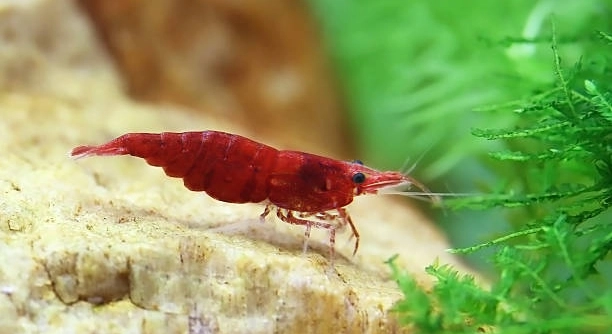
Cherry shrimp are small, colorful freshwater creatures that add life to any aquarium. Their presence brings a lively charm, and they interact with their surroundings in interesting ways. Many shrimp owners enjoy observing their natural behaviors daily.
Cherry shrimp generally prefer tanks with live plants, as plants provide shelter, grazing surfaces, and improved water quality. The presence of greenery supports their natural instincts, encourages healthy growth, and enhances overall tank stability for these delicate invertebrates.
Incorporating plants into a shrimp tank not only benefits the shrimp but also creates a visually appealing and balanced environment for their daily activities.
Benefits of Plants for Cherry Shrimp
Adding live plants to a cherry shrimp tank creates multiple advantages. Plants offer natural hiding spots, which reduce stress and provide a sense of security, especially for baby shrimp. Mosses, like Java moss, and fine-leaved plants allow shrimp to graze on biofilm and algae, a crucial part of their diet. In addition, plants help maintain water quality by absorbing excess nutrients, reducing the risk of harmful ammonia or nitrate buildup. Shrimp often explore plants, picking at leaves and surfaces, which encourages natural foraging behavior. Tall or bushy plants also break up open swimming areas, making the tank feel safer and more structured. The presence of plants can prevent aggressive behaviors among tank mates, as shrimp have retreat options when feeling threatened. Over time, a planted tank creates a stable microenvironment, supporting molting cycles and overall shrimp health. Watching shrimp interact with lush greenery is both calming and rewarding.
Plants also stabilize water parameters, making daily maintenance easier.
A planted tank doesn’t just benefit shrimp health—it enhances tank aesthetics. Greenery contrasts beautifully with red and orange shrimp, creating visual depth. Different plants offer varied textures and grazing surfaces. Adding floating plants can soften lighting and provide shaded areas, mimicking natural habitats. Choosing hardy, low-maintenance species ensures consistent growth and less work for the keeper. Overall, plants create a balanced ecosystem, encouraging natural behaviors and reducing stress-related health issues for cherry shrimp.
Best Plant Choices for Cherry Shrimp
Mosses and low-light plants are excellent options.
Java moss, Anubias, and Marimo moss balls are ideal for shrimp tanks. These plants grow slowly, require minimal care, and provide grazing surfaces. Fast-growing stem plants like hornwort and water wisteria can also be used, offering additional shelter and helping absorb nutrients. Floating plants such as duckweed give shaded areas that mimic natural environments. Selecting plants that tolerate a range of water conditions ensures long-term stability. When planting, consider shrimp accessibility, leaving open swimming areas while maintaining dense hiding spots. Consistent trimming prevents overgrowth while keeping surfaces clean for shrimp activity. Incorporating a mix of textures—from mossy mats to broad leaves—encourages exploration and grazing, reducing stress and promoting health. Proper plant selection and layout create a visually appealing, functional habitat that supports the shrimp’s natural behavior while keeping the tank healthy and balanced.
Plant Maintenance in a Shrimp Tank
Regular trimming prevents plants from overtaking the tank. Removing dead or decaying leaves helps maintain water quality and reduces algae growth, which can affect shrimp health.
Consistent maintenance is key for a healthy planted tank. Trimming ensures plants do not block swimming areas or crowd hiding spots. Removing decayed material prevents excess waste from accumulating, which can lead to spikes in ammonia or nitrates. Light adjustment is important, as too much light encourages algae, while too little slows plant growth. Fertilization should be minimal to avoid harming shrimp, focusing on root tabs or diluted liquid fertilizers safe for invertebrates. Maintaining gentle water flow helps prevent stagnation around plant leaves, ensuring shrimp can graze without difficulty.
Cleaning plants carefully avoids disturbing shrimp. When pruning or moving plants, rinse them in tank water rather than tap water to preserve beneficial biofilm. Biofilm is an essential food source for shrimp, and removing it can stress or starve them. Separating plants temporarily for trimming allows better access while keeping shrimp safe. Hard pruning may be necessary for fast-growing species to prevent shading slower plants. Observing shrimp behavior during maintenance ensures they are not stressed, allowing a balance between plant care and shrimp wellbeing. Proper care of both plants and shrimp creates a stable, vibrant aquarium environment.
Algae Control for Shrimp Tanks
Algae grows naturally but should be controlled to prevent overgrowth, which can affect plant health and shrimp activity.
Maintaining balance between light, nutrients, and plant density is essential for controlling algae. Overfeeding shrimp can contribute to algae blooms, as excess food decomposes and releases nutrients. Fast-growing plants can outcompete algae for nutrients, reducing its growth naturally. Regular partial water changes help remove dissolved nutrients that fuel algae. Certain algae-eating shrimp or snails can assist in keeping surfaces clean, but they should not be relied on exclusively. Monitoring tank conditions, including light duration and intensity, ensures algae does not dominate. Cleaning decorations and removing visible algae manually prevents it from spreading uncontrollably. By balancing these factors, algae remains manageable without harming shrimp or plants.
Feeding Around Plants
Shrimp often graze on biofilm and algae growing on plant surfaces. This natural behavior supplements their diet and keeps plants cleaner.
Providing a varied diet ensures shrimp get proper nutrition. They will nibble on leaves, moss, and soft stems, making plants an essential part of their daily foraging routine.
Choosing the Right Substrate
A fine-grained substrate supports plant roots and allows shrimp to forage easily. Avoid sharp or large gravel that can injure delicate shrimp. Healthy substrate encourages plant growth and provides a place for biofilm to develop, feeding the shrimp naturally.
Light Requirements
Moderate lighting supports plant growth without stressing shrimp. Too much light promotes algae, while too little slows plant development.
Water Conditions for Planted Shrimp Tanks
Stable water parameters are crucial. Slightly acidic to neutral pH and temperatures around 72–78°F support both plants and shrimp, ensuring healthy growth and activity.
FAQ
Do cherry shrimp need plants in their tank?
While not strictly required, plants provide numerous benefits for cherry shrimp. They offer hiding places for baby shrimp, grazing surfaces for biofilm and algae, and contribute to stable water conditions. Shrimp are naturally drawn to plants, which support healthy behavior and reduce stress. A planted tank is easier to maintain long-term and enhances overall shrimp wellbeing.
Which plants are best for cherry shrimp?
Mosses like Java moss and Marimo moss balls are ideal. Low-light plants such as Anubias, Java fern, and small stem plants like hornwort offer shelter and grazing areas. Floating plants, including duckweed, provide shaded zones, which shrimp enjoy. Choosing hardy, slow-growing plants helps maintain tank balance and prevents constant maintenance, while providing plenty of surfaces for biofilm growth.
Can cherry shrimp eat plant leaves?
Yes, cherry shrimp nibble on soft leaves occasionally. They feed mainly on biofilm, algae, and detritus on the plant surfaces, but tender leaves can be grazed lightly. This behavior is normal and supports their diet, but tough or thick leaves are generally ignored. Overfeeding them commercial food can reduce their grazing, so plants remain important.
How do plants improve water quality for shrimp?
Plants absorb nutrients such as nitrates, which helps prevent spikes in harmful compounds. They reduce excess waste and support oxygen levels during the day. Healthy plants maintain a more stable environment, reducing stress and promoting molting cycles. Shrimp benefit from this stability, which supports growth, reproduction, and overall health in the tank.
How should I maintain plants in a shrimp tank?
Trimming plants regularly prevents overcrowding and improves water circulation. Remove dead or decaying leaves carefully to avoid ammonia spikes. Use gentle pruning techniques and rinse plants in tank water instead of tap water to preserve biofilm. Fertilization should be minimal and shrimp-safe, such as diluted liquid fertilizers or root tabs for heavy root feeders. Consistent maintenance keeps both plants and shrimp healthy.
Do cherry shrimp help control algae on plants?
Yes, cherry shrimp graze on algae naturally. Their small size allows them to reach fine leaves and moss, consuming biofilm and keeping surfaces clean. They are not a complete algae solution but act as a natural aid. Combining shrimp with healthy plants and proper lighting minimizes excessive algae growth effectively.
Can I use fast-growing plants with cherry shrimp?
Fast-growing plants like hornwort or water wisteria are beneficial because they absorb nutrients quickly, reducing algae chances. However, they require regular trimming to prevent shading other plants or overcrowding the tank. A mix of slow and fast growers creates a balanced environment, providing both shelter and grazing surfaces for shrimp.
Are floating plants helpful for shrimp?
Floating plants provide shaded areas and reduce strong lighting exposure. This creates comfortable zones for shrimp to retreat and explore. They also absorb nutrients from the water column, helping maintain stable water quality. Duckweed, frogbit, or similar species are easy to manage and offer both aesthetic and practical benefits.
How many plants should I have in a shrimp tank?
A good rule is to cover at least half of the tank with plants, leaving open swimming areas. Dense plants offer shelter and grazing surfaces, while open areas allow shrimp to swim freely. Balance is key—too few plants reduce hiding spots, while too many may crowd the tank and limit movement.
Do shrimp prefer certain plant textures?
Shrimp favor soft, fine leaves or mossy surfaces. These provide more grazing opportunities for biofilm and algae. Broad-leaved plants like Anubias or slow-growing ferns are appreciated for hiding, while moss mats are ideal for baby shrimp. Varied textures keep shrimp engaged and support natural behaviors effectively.
How often should I check plant health in a shrimp tank?
Weekly observation is recommended. Look for yellowing, decaying leaves, or algae buildup. Promptly remove dead material and trim overgrown plants. Checking regularly ensures shrimp have clean grazing surfaces, stable water, and consistent hiding spots, reducing stress and promoting longevity.
Can shrimp survive in a tank with no plants?
Yes, they can survive, but their environment is less stimulating and protective. Without plants, there are fewer hiding spots, grazing surfaces, and natural water filtration. This may increase stress, reduce molting success, and limit natural behavior. Plants enhance both shrimp health and tank stability, making care easier and more rewarding.
Do all shrimp like the same plants?
Not always. While cherry shrimp are adaptable, other species may prefer different plant types or textures. Researching shrimp-specific preferences helps ensure compatibility. Providing a mix of mosses, ferns, and low-light stem plants generally meets the needs of most freshwater shrimp species.
How do plants affect shrimp breeding?
Plants offer safe hiding spots for baby shrimp and surfaces for biofilm growth, essential for early feeding. Dense vegetation reduces predation and stress, improving survival rates. Well-planted tanks encourage natural breeding behaviors and help maintain a thriving shrimp population.
Can I use artificial plants instead?
Artificial plants offer hiding spots but lack grazing surfaces and water quality benefits. Shrimp may use them for shelter but will miss out on biofilm and algae for food. If used, combine them with live moss or safe substrate to provide feeding opportunities and maintain a more natural environment.
What is the best lighting for planted shrimp tanks?
Moderate lighting is ideal. Too much light encourages algae, while too little slows plant growth. Aim for 6–8 hours daily, adjusting as needed for plant species. Floating plants or shaded areas can help balance light intensity, keeping shrimp comfortable and reducing stress while supporting healthy plant growth.
How do I start planting a shrimp tank?
Begin with hardy, low-maintenance plants that establish quickly. Add mosses, ferns, and slow-growing stem plants first. Space plants to leave open swimming areas. Introduce shrimp after plants have rooted and water parameters stabilize. Proper planting creates a supportive environment for grazing, shelter, and natural behaviors.
Can overplanting be harmful?
Yes, overcrowding can limit swimming space, reduce water flow, and shade slower plants. Dense vegetation may trap debris, increasing ammonia risks. Balance plant density to ensure both shelter and mobility, promoting a healthy, stress-free environment for shrimp.
Do shrimp eat algae on all plant types?
Shrimp prefer fine-leaved plants and moss for grazing, but they will occasionally nibble on smooth leaves. Broad-leaved plants may accumulate biofilm, though shrimp grazing is less frequent. Providing a variety ensures consistent foraging and supports their natural diet.
How do I encourage shrimp to use plants?
Offer biofilm-rich surfaces, moss mats, and gentle feeding near plants. Avoid overfeeding pellet or flake food. Maintaining clean, stable water and healthy plant growth encourages shrimp to explore and graze naturally, keeping them active and supporting their wellbeing.
Are some plants unsafe for shrimp?
Yes, plants treated with pesticides, fertilizers, or certain water additives can harm shrimp. Always rinse new plants thoroughly and avoid chemically treated species. Choosing shrimp-safe plants ensures a safe environment and reduces the risk of health issues.
How do I balance plants and shrimp activity?
Create a mix of dense hiding spots and open swimming areas. Trim plants to maintain visibility and movement while keeping grazing surfaces intact. Observing shrimp behavior helps adjust plant layout, ensuring both safety and natural activity without overcrowding.
Can plants reduce stress in shrimp?
Absolutely. Hiding spots and shaded zones allow shrimp to retreat and feel secure. This reduces molting complications, aggression, and overall stress levels. A well-planted tank fosters natural behaviors, creating a calmer and healthier environment for all shrimp.
Do plants need special care in shrimp tanks?
Yes, care should focus on trimming, removing decaying material, monitoring light, and using shrimp-safe fertilizers if needed. Regular maintenance ensures plants remain healthy and functional for shrimp grazing and shelter. Proper care keeps both plants and shrimp thriving together.
Is it necessary to replace plants often?
Not if plants are healthy and maintained. Trimming and removing dead leaves usually suffices. Replacement is only needed for declining or fast-decaying species. Choosing hardy, slow-growing plants minimizes the need for frequent replacement, providing a stable environment for shrimp.
Can shrimp damage plants?
Shrimp nibble lightly on soft leaves, but they rarely harm healthy, mature plants. Biofilm grazing is their main interaction. Fragile plants may show minor wear, but proper care and maintenance prevent significant damage while supporting natural shrimp behavior.
How do plants affect water chemistry?
Plants absorb nitrates and other nutrients, reducing harmful compound buildup. They release oxygen during daylight hours, stabilizing tank conditions. Healthy plants maintain a balanced ecosystem, supporting shrimp health and promoting consistent water parameters without excessive intervention.
Are there seasonal considerations for planted shrimp tanks?
Indoor tanks are generally stable, but light duration and intensity may vary with seasons. Adjust artificial lighting to maintain consistent plant growth. Seasonal changes can affect algae growth, water temperature, and plant vigor, so monitoring ensures a stable environment year-round.
How much space should be left open in a planted tank?
At least 50% open water is ideal. This allows shrimp to swim freely while maintaining sufficient plant coverage for grazing and hiding. Proper spacing balances safety, mobility, and natural behavior, creating a comfortable habitat for all shrimp.
Can shrimp survive with minimal plants?
Yes, but their environment is less enriching. Limited plants reduce grazing surfaces, hiding spots, and natural filtration. Shrimp may be more stressed and less active. Incorporating even a few moss mats or stem plants greatly improves their comfort and overall health.
How do I acclimate shrimp to a planted tank?
Introduce shrimp slowly after plants have established and water parameters stabilize. Float bags for temperature equalization, then gradually mix tank water. Dense planting provides immediate shelter, reducing stress during adjustment. Monitoring activity ensures shrimp adapt safely to their new habitat.
Is there a recommended plant density per gallon of water?
No strict rule exists, but covering about half of the tank with plants while leaving open swimming areas works well. Dense enough for grazing and hiding, but not overcrowded, supports health, behavior, and easy maintenance for both shrimp and plants.
Do shrimp prefer mature or newly planted vegetation?
Mature plants often provide more biofilm, algae, and shelter, making them attractive to shrimp. Newly planted species may take time to develop grazing surfaces. Balancing established and new plants encourages exploration and supports continuous feeding opportunities.
Can I propagate plants in a shrimp tank?
Yes, many plants like mosses, ferns, and stem plants propagate naturally. Cuttings can root and expand coverage, providing more grazing and hiding spaces. Propagation enhances the tank’s ecosystem while requiring minimal interference, benefiting both plants and shrimp.
How do plants help molting shrimp?
Plants offer shelter and protection during vulnerable molting periods. Dense foliage reduces stress and predation risk, allowing shrimp to shed exoskeletons safely. Providing ample plant cover supports healthy growth and molting cycles, which is essential for long-term shrimp health.
Can I combine artificial and live plants?
Yes, combining both is possible, but live plants provide grazing surfaces and water quality benefits. Artificial plants serve mainly for hiding. Using both strategically can create a visually pleasing tank while ensuring shrimp have natural surfaces for food and activity.
How do I prevent algae on plant leaves?
Balance light, nutrients, and plant density. Avoid overfeeding shrimp, trim fast-growing plants, and perform regular water changes. Introducing algae-eating shrimp or snails can help control buildup. Maintaining this balance prevents algae from dominating plant surfaces.
Are there specific fertilizers safe for shrimp tanks?
Yes, shrimp-safe fertilizers exist. Liquid or root-tab fertilizers designed for invertebrates provide nutrients without harming shrimp. Avoid fertilizers containing copper or other toxic elements. Minimal, targeted fertilization supports plant growth while protecting sensitive shrimp.
Can plants survive without shrimp?
Yes, plants can grow independently, but biofilm and algae control is reduced. Shrimp grazing helps maintain plant surfaces clean. Without shrimp, algae may require more manual removal to prevent buildup on leaves and stems.
Do shrimp use plants for mating or egg-laying?
Shrimp often use dense plants as shelter for mating and egg-laying. Moss and fine-leaved plants provide safe areas for females to hide eggs and juveniles, improving survival rates and supporting a thriving population.
How do I balance plant growth with shrimp population?
Trim fast-growing plants to prevent shading slower species, maintain open swimming areas, and monitor water conditions. Ensure sufficient grazing surfaces for all shrimp. Balancing growth and population keeps the tank healthy, functional, and stress-free for shrimp.
Can over-fertilization harm shrimp?
Yes, excess nutrients, particularly copper or high concentrations of nitrogen or phosphorus, can be toxic. Always use shrimp-safe fertilizers in recommended amounts and monitor water parameters to maintain a safe, balanced environment.
Are there signs plants are harming shrimp?
Shrimp stress, reduced activity, or molting issues may indicate harmful conditions. Check for fertilizers, sharp leaves, or chemical residues. Proper plant care and safe selection prevent such problems, ensuring shrimp thrive alongside vegetation.
How do I encourage baby shrimp to use plants?
Fine mosses and dense low plants offer safe shelter and grazing surfaces for juveniles. Avoid overfeeding, which reduces exploration. Consistent observation helps ensure babies utilize plants for protection and nutrition.
Can shrimp survive in tanks dominated by fast-growing plants?
Yes, if trimmed and managed properly. Dense, fast-growing plants require careful maintenance to prevent shading, trapping debris, or limiting movement. Balanced plant growth ensures safe grazing and open swimming areas.
Do shrimp prefer shaded or brightly lit plant areas?
They prefer moderate to shaded areas. Intense light can stress shrimp, while shaded zones allow natural grazing and retreat. Floating plants or tall stems can create these areas, supporting healthy behavior and reducing stress.
How often should I trim plants in a shrimp tank?
Trim every 2–4 weeks, depending on growth rate. Regular pruning prevents overcrowding, maintains open swimming areas, and preserves grazing surfaces. Observing plant and shrimp behavior guides proper trimming frequency.
Can shrimp survive with only moss in the tank?
Yes, moss provides shelter, grazing surfaces, and hiding spaces. While additional plant variety improves aesthetics and microhabitats, moss alone can sustain a small shrimp population effectively, supporting natural behavior.
Do plants need CO2 supplementation for shrimp tanks?
CO2 is not required for most low-light plants suitable for shrimp tanks. They grow well without supplementation, avoiding potential risks to shrimp from sudden CO2 fluctuations. Regular maintenance and moderate lighting usually suffice.
Can shrimp survive in tanks with decaying plants?
Decaying plants release nutrients that may spike ammonia or nitrates, stressing shrimp. Removing dead material promptly keeps water quality stable and reduces health risks, supporting shrimp survival.
Are there plants that shrimp completely ignore?
Shrimp generally ignore thick, tough, or waxy leaves. They prefer soft, fine-leaved plants or moss for grazing. Including a mix ensures adequate surfaces for foraging while providing hiding spaces.
Do shrimp groom plants?
Yes, shrimp actively graze on biofilm and algae, which can be considered grooming. This behavior maintains plant surfaces and provides supplemental nutrition. Grooming is a natural part of their daily activity.
Can plants survive in a shrimp-only tank without light?
No, light is necessary for photosynthesis. Low-light plants can survive under minimal lighting, but completely dark conditions will stunt growth or kill plants. Moderate, consistent light supports both plant and shrimp health.
How do I remove plants without stressing shrimp?
Remove or trim carefully, rinsing in tank water to preserve biofilm. Move shrimp gently if needed, and avoid sudden changes to reduce stress. Gradual adjustments help shrimp adapt safely.
Are plants necessary for juvenile shrimp survival?
Yes, plants provide essential hiding spaces, grazing surfaces, and reduce predation risk. Dense moss or fine-leaved plants significantly increase juvenile survival and support healthy development into adulthood.
Can shrimp survive in aquariums with artificial plants only?
They can, but artificial plants do not provide biofilm or algae. Shrimp will use them for shelter, but natural feeding and grazing behaviors are limited. Combining live and artificial plants is more beneficial.
Do shrimp prefer planted areas over open substrate?
Yes, planted areas offer safety, grazing opportunities, and natural hiding spots. Open substrate is used for swimming and exploration but lacks shelter and biofilm, making plants more attractive overall.
How do plants affect shrimp activity levels?
Plants encourage exploration, grazing, and molting. Dense vegetation reduces stress and promotes natural behaviors, while open swimming areas allow exercise. A balanced plant setup supports healthy, active shrimp.
Can shrimp reproduce in tanks with minimal plants?
Reproduction is possible but less successful. Lack of shelter increases juvenile predation and stress. Adding moss or fine-leaved plants improves egg survival and overall population growth.
Are there plants that enhance shrimp coloration?
Plants themselves do not enhance color, but healthy biofilm and algae growing on plants contribute to better nutrition. Well-fed shrimp display brighter coloration naturally, supported indirectly by plant surfaces.
Do shrimp avoid certain plant chemicals?
Yes, some fertilizers or plant treatments can be harmful. Shrimp avoid areas with chemical residues. Always use shrimp-safe plants and minimal fertilization to prevent toxic exposure.
How long does it take for plants to benefit shrimp?
Benefits begin immediately, such as shelter and grazing surfaces. Long-term advantages, like improved water quality and stable molting cycles, develop as plants establish and grow over weeks.
Can shrimp survive in tanks with seasonal plant die-off?
Yes, but sudden plant loss may stress shrimp and reduce grazing surfaces. Prompt removal of decaying plants and replacing them maintains stability and safety for the shrimp.
Do shrimp groom artificial plants?
They may explore or cling to artificial plants, but biofilm and algae are limited. Shrimp grooming behavior is more prominent on live surfaces where natural food sources exist.
Are some plants toxic to shrimp?
Yes, plants treated with pesticides or containing heavy metals can harm shrimp. Always rinse new plants and choose shrimp-safe species to prevent health issues.
How do I combine fast and slow-growing plants with shrimp?
Fast growers absorb nutrients and reduce algae, while slow growers provide stable shelter. Regular trimming of fast-growing species prevents overcrowding, ensuring a balanced habitat for grazing, hiding, and swimming.
Do shrimp prefer dense or sparse plant arrangements?
A mix works best. Dense clusters provide hiding and grazing, while open spaces allow swimming and exploration. Observing shrimp behavior helps balance safety and activity.
Can plants help molting success?
Yes, they offer safe hiding spots during vulnerable periods, reducing stress and injury risks. Properly planted tanks improve overall molting rates and shrimp health.
Do shrimp groom plants more during certain times?
Shrimp often graze actively during the day when biofilm is accessible. Feeding and light cycles influence grooming, but it is generally consistent throughout active periods.
Are there signs shrimp are not using plants?
Shrimp avoiding plants, reduced grazing, or clustering in open areas may indicate
Plants play a major role in creating a comfortable and healthy environment for cherry shrimp. They provide essential shelter and hiding spaces, especially for juvenile shrimp that are more vulnerable. Dense foliage allows shrimp to explore safely, reducing stress and encouraging natural behavior. Beyond shelter, plants offer surfaces for grazing biofilm and algae, which is an important part of their diet. Mosses, fine-leaved plants, and low-light species are particularly effective because they grow slowly, provide extensive grazing areas, and create protective zones where shrimp feel secure. The combination of plant types, textures, and heights gives shrimp variety and allows them to engage in natural behaviors, from swimming to molting. A planted tank is not just visually appealing; it also actively supports the daily needs and well-being of your shrimp population. Observing shrimp interact with healthy plants highlights the connection between proper plant care and shrimp health.
Maintaining a planted shrimp tank requires consistent attention, but the benefits are worthwhile. Trimming overgrown plants, removing decaying leaves, and monitoring algae growth help sustain water quality and prevent stress for the shrimp. Regular water changes and maintaining stable parameters complement plant health, ensuring a thriving ecosystem. Proper lighting encourages plant growth without promoting excessive algae, while careful fertilization provides nutrients without harming the shrimp. Even small adjustments, like rearranging plants or adding floating species, can improve comfort and usability for shrimp. Attention to plant maintenance enhances natural grazing opportunities and creates a cleaner, more organized tank. Plants also act as a buffer, absorbing excess nutrients and helping to maintain stable water chemistry, which directly impacts shrimp growth and reproduction. Over time, a well-planted tank becomes self-sustaining, with shrimp grazing on biofilm and plants stabilizing water conditions naturally.
Overall, plants are an essential component for anyone keeping cherry shrimp. They provide a combination of shelter, grazing surfaces, and water quality support that artificial elements cannot replicate. Proper selection of hardy, shrimp-safe plants ensures long-term success and minimizes extra work. By balancing plant density, leaving open swimming spaces, and maintaining healthy growth, shrimp can thrive in a safe, stimulating environment. The presence of plants not only encourages natural behavior but also reduces stress, improves molting success, and supports breeding. Even small choices, such as adding moss mats or slow-growing ferns, make a significant difference in the overall health and activity of your shrimp. A thoughtful approach to planting creates a visually appealing tank that supports long-term sustainability and enhances your experience as a keeper. In the end, the combination of healthy plants and attentive care forms the foundation for a thriving, balanced shrimp habitat where both plants and shrimp flourish together.

Hello,
If you enjoy the content that we create, please consider saying a "Thank You!" by leaving a tip.
Every little bit helps us continue crafting quality advice that supports the health, happiness, and well-being of pets around the world, for pets of all shapes, sizes, and species.
We really appreciate the kindness and support that you show us!