
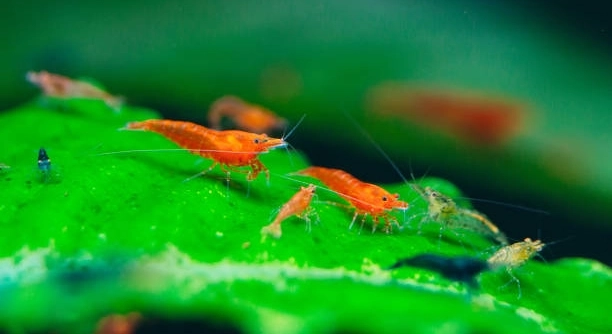
Do you ever notice your cherry shrimp moving around the tank at certain times and wonder if they have a sense of routine? Many shrimp owners have observed subtle changes in behavior during feeding moments.
Cherry shrimp do respond to regular feeding schedules and can anticipate food based on environmental cues. They recognize patterns such as light changes, movement, and previous feeding times, which triggers activity even before food is introduced into the tank.
Observing these small behaviors can help you better care for your shrimp and understand their daily rhythms more clearly.
How Cherry Shrimp Recognize Feeding Times
Cherry shrimp are surprisingly observant creatures. They pick up on small changes in their environment that signal feeding is near. Light levels, the sound of water movement, or even the approach of a hand near the tank can make them more active. Over time, they associate these cues with food. For example, many shrimp begin exploring the substrate or swimming toward the surface at the same time each day. Their memory isn’t like a human’s, but it is enough to notice patterns and anticipate regular events. Observing this behavior can make caring for them easier, as you can time feedings to match their natural activity. Shrimp often respond best to consistency, so maintaining a set schedule helps them feel secure and healthy. Even small routines, like gently tapping near the tank, can reinforce their awareness of feeding time.
These small signals are enough for shrimp to learn the timing of their meals effectively.
Regular observation helps owners understand these behaviors. Noticing subtle movements and reactions lets you plan feeding times that match your shrimp’s natural patterns. By adjusting light cycles or tank activity, you can encourage shrimp to stay active and healthy. Paying attention to these cues can improve feeding efficiency and reduce wasted food. Cherry shrimp are quick learners in environments where patterns are consistent, and they respond strongly to predictable schedules. Their behavior reflects both instinct and learned routine, making them surprisingly engaging to watch. This understanding allows you to create a tank environment that supports both their wellbeing and your enjoyment in caring for them, resulting in shrimp that are healthier and more interactive over time.
Tips for Consistent Feeding
Keeping a regular feeding schedule makes a big difference. Cherry shrimp thrive when food is predictable and available at roughly the same time each day.
Consistency ensures shrimp are active and reduces stress in the tank. Feeding at the same times allows them to anticipate meals and encourages natural behaviors. Irregular feeding can make shrimp sluggish or overly competitive during meals, which may affect their health. Simple methods, like using the same portion size and timing, are very effective. Monitoring the tank after feeding times helps you see which shrimp are most active, providing insight into their routines. Small adjustments, like placing food in the same spot or lightly tapping the tank before feeding, reinforce recognition of feeding time. Over time, shrimp become more coordinated in their activity, quickly moving to the food source as soon as it is introduced. By observing these responses, you can ensure each shrimp receives enough nutrition and maintain a healthy, stress-free environment in the tank.
Environmental Cues That Trigger Feeding
Light changes in the tank often signal cherry shrimp that it is time to eat. Movement in the water or nearby noises can also make them more alert and active. These cues help shrimp anticipate food and adjust their behavior naturally.
Shrimp are highly sensitive to changes around them. Even slight shifts in lighting, such as turning on the tank light at the same time each day, can create a routine for them. Water movement, caused by filters or currents, also influences their activity, making them more likely to search for food. Over time, they learn to connect these environmental factors with meals, responding quickly when they notice consistent patterns. This sensitivity allows them to thrive in controlled environments where conditions are stable and predictable. Recognizing these cues can improve feeding efficiency and ensure shrimp remain healthy and active.
Understanding how shrimp respond to cues helps in setting up the tank properly. Adjusting lighting schedules, tank placement, and water flow can enhance their awareness of feeding times. By creating a predictable environment, you support both their natural instincts and daily activity. Careful observation allows owners to note which signals shrimp respond to most, tailoring routines to their behavior. Consistency in these cues strengthens shrimp routines, leading to more confident and active feeding behavior.
Feeding Frequency and Amount
Feeding too often or in large amounts can harm cherry shrimp. Small, measured portions given at consistent times are ideal.
Cherry shrimp do best with moderate feeding, usually once a day or every other day. Overfeeding can pollute the tank and stress the shrimp, while underfeeding may stunt growth or reduce activity. Using small portions allows each shrimp to access food without competition becoming an issue. Observing how much they consume within a few hours helps determine the right quantity. Adjusting portions based on shrimp population and size ensures everyone receives proper nutrition without affecting water quality. Regular observation is key to maintaining balance, keeping shrimp healthy, and supporting natural feeding behavior.
Timing matters as much as quantity. Feeding should align with their natural activity peaks, often in the morning or evening when shrimp are most active. Providing food during these times increases the likelihood of complete consumption and reduces waste. Dividing a daily portion into smaller amounts spread across feeding times can also prevent sudden spikes in water contaminants. Monitoring shrimp behavior during feeding lets you fine-tune schedules and quantities. Maintaining consistency in both timing and portion size strengthens shrimp routines, promotes better health, and encourages active participation in the tank environment.
Signs Your Cherry Shrimp Are Ready to Eat
Cherry shrimp often gather near the substrate or swim toward the surface before feeding. Increased movement and alert behavior are common indicators.
They may also nibble on plants or explore decorations more actively, showing anticipation. Watching for these subtle cues can help time meals effectively.
The Role of Routine
Maintaining a consistent feeding routine trains cherry shrimp to recognize patterns. Regular schedules reinforce their natural behavior, making them more responsive to food cues. Over time, shrimp begin to associate environmental signals with meals, reducing stress and promoting healthy activity. This routine also helps maintain water quality by preventing overfeeding and minimizing waste, while supporting overall shrimp wellbeing. By following a predictable pattern, each shrimp can feed adequately, and the tank remains balanced. Observation of daily behaviors allows adjustments to timing and portion size, improving care and ensuring shrimp remain lively and engaged in their environment.
Avoiding Overfeeding
Too much food can harm shrimp and the tank environment. Providing measured portions keeps shrimp healthy and water clean.
FAQ
Do cherry shrimp always recognize feeding times?
Cherry shrimp can recognize feeding times, but this depends on consistency. They respond to patterns such as light changes, water movement, and prior experiences with food. If feeding times vary too much, shrimp may not develop the same level of anticipation. Regular schedules help them stay active and alert.
How long does it take for shrimp to learn feeding schedules?
Shrimp usually begin responding to consistent cues within a few days to a week. Repetition strengthens their routine, allowing them to anticipate meals. The exact timing depends on the shrimp’s environment, population, and previous experiences. Observing behavior daily helps gauge their learning progress.
Can shrimp sense my presence before feeding?
Yes, cherry shrimp can detect movement and vibrations near the tank. They may swim toward the food area when someone approaches. This response is a learned behavior linked to past feeding experiences rather than complex cognition. Subtle cues like tapping or hand movements often trigger this activity.
Is it harmful to feed shrimp at irregular times?
Irregular feeding does not directly harm shrimp, but it can make them less active and increase competition during meals. It may also lead to stress and poor water quality if food is overfed. Predictable schedules help maintain healthy activity levels and tank cleanliness.
How much should I feed cherry shrimp at each meal?
Small, measured portions are best. Overfeeding can pollute the tank and harm shrimp health, while underfeeding may limit growth. A portion size that shrimp consume within a few hours is ideal. Adjust amounts based on population, age, and activity level to ensure balanced nutrition.
Can environmental changes affect their feeding behavior?
Yes, changes in light, temperature, or water flow can alter feeding activity. Shrimp may become more cautious or less active if conditions shift suddenly. Maintaining a stable environment helps them recognize feeding times reliably and reduces stress.
Do shrimp remember previous feeding times if I change their schedule?
Shrimp have short-term memory and rely on consistent cues. Changing the schedule can confuse them initially, but they will eventually adapt if the new pattern is consistent. Observing activity levels can indicate how well they adjust.
What signs indicate shrimp are hungry?
Increased swimming, exploring plants or substrate, and moving toward the water surface are common signs. Shrimp may also nibble on decorations or other surfaces while waiting for food. Recognizing these behaviors helps time feedings effectively.
Does tank size affect feeding recognition?
Tank size can influence how quickly shrimp detect food or environmental cues. Smaller tanks make it easier for them to notice signals, while larger tanks may require more pronounced cues. Proper feeding placement ensures all shrimp have access.
Are there differences in anticipation between young and adult shrimp?
Young shrimp are less coordinated but still respond to regular feeding patterns. Adults often show stronger and more predictable anticipation, moving quickly to food. Both benefit from consistent schedules, but adults may react faster to cues like light or hand movement.
Can shrimp overeat if food is always available?
Yes, continuous access to food can lead to overfeeding, poor water quality, and reduced activity. Shrimp naturally stop eating after they are full, but excess food may remain in the tank, encouraging algae growth and creating an unhealthy environment.
How can I train shrimp to follow a feeding routine?
Consistency is key. Feed at the same time and in the same location daily. Use subtle environmental cues like light or gentle tapping to reinforce timing. Observe their reactions and adjust portions and timing to match shrimp behavior. Over time, they will reliably anticipate feeding.
Does diet variety affect feeding behavior?
Providing a mix of algae, biofilm, and prepared shrimp food encourages healthy activity and ensures nutrition. Shrimp respond to different textures and types, which can enhance anticipation and exploration during meals. Balanced diets support both growth and responsiveness.
How do I prevent shy shrimp from missing food?
Place small portions in multiple locations, especially in areas with hiding spots. Observing shrimp activity helps identify which areas are most frequented. Gradually, shy shrimp become more confident and participate actively in feeding, ensuring all receive proper nutrition.
Can shrimp recognize the same feeder over time?
Shrimp do not have complex recognition of humans but can associate repeated actions with food delivery. If the same person feeds them consistently, shrimp may respond faster due to learned patterns rather than individual recognition.
Is it normal for some shrimp to ignore feeding cues?
Yes, individual variation exists. Some shrimp are naturally less active or more cautious. Consistent routines, multiple feeding spots, and patience help ensure even shy or less responsive shrimp get food and remain healthy.
How often should I adjust feeding routines?
Adjust only when necessary, such as changes in population or water conditions. Frequent alterations can confuse shrimp and reduce feeding efficiency. Minor tweaks to timing or portion size are sufficient for long-term routine maintenance.
Do shrimp anticipate feeding even without visible food?
Yes, they respond to learned cues like light changes, water vibrations, or tank activity. Anticipation can occur minutes before food is added. This behavior shows their sensitivity to routine and environment rather than complex planning.
Are feeding behaviors affected by tankmates?
Other species in the tank can influence shrimp activity. Fast-moving or aggressive tankmates may cause shrimp to hide during feeding. Providing safe spaces and multiple feeding areas ensures shrimp can eat without stress.
Can seasonal changes affect shrimp feeding patterns?
Seasonal variations in light or temperature can shift shrimp activity. Consistent indoor lighting and stable temperatures help maintain regular feeding behavior regardless of external conditions. Observing shrimp daily allows adjustments to feeding schedules if necessary.
Is it necessary to feed shrimp every day?
Daily feeding is common, but some owners feed every other day depending on population and tank biofilm. Shrimp can survive longer without food due to natural grazing on algae and biofilm, but scheduled feedings ensure optimal growth and activity.
Do cherry shrimp communicate feeding times to each other?
Shrimp do not communicate like mammals but respond to movement and activity of others. When some shrimp become active, it can trigger others to move and search for food, creating a chain reaction within the tank.
How do I know if my shrimp are stressed by feeding routines?
Signs include erratic swimming, hiding, or reduced activity during feeding times. Overcrowding, inconsistent schedules, or poor water quality can contribute. Adjusting portion size, timing, and tank environment reduces stress and promotes healthy, predictable feeding behavior.
Can changing food types confuse shrimp?
Shrimp adapt quickly to new foods if introduced gradually. Sudden changes may reduce interest temporarily, but consistent exposure allows shrimp to adjust and maintain feeding anticipation. A mix of familiar and new foods helps balance nutrition and engagement.
What is the best method to observe shrimp feeding behavior?
Watch quietly without creating vibrations or shadows that may startle them. Note movements, time of activity, and which shrimp are most responsive. Observations help refine feeding schedules and portion sizes, ensuring each shrimp remains healthy and active.
Do shrimp eat more when anticipating feeding?
Yes, anticipation can increase activity and initial feeding speed, but they self-regulate intake. They may explore food faster when expecting it, but will stop once satisfied. Balanced portions help prevent overfeeding while accommodating natural anticipation behaviors.
Are there differences in feeding anticipation among cherry shrimp colors or strains?
Minor differences may exist, but overall behavior is similar across strains. Activity levels and responsiveness are more influenced by environment, health, and routine rather than color variations. Consistency in care ensures predictable feeding patterns across all shrimp.
Can I use feeding anticipation to monitor shrimp health?
Yes, changes in response or activity can indicate stress, illness, or water issues. Reduced anticipation may signal a problem, while active, responsive shrimp typically reflect good health and a well-maintained tank environment.
Cherry shrimp are small but surprisingly observant creatures. They respond to regular routines and environmental cues, which helps them anticipate feeding times. Light changes, water movement, and even subtle vibrations near the tank can trigger their activity. By paying attention to these patterns, owners can better understand shrimp behavior and provide a more consistent and healthy environment. Watching shrimp respond to cues can be enjoyable and informative, showing how even simple animals adapt to predictable schedules. Over time, this understanding allows you to plan feeding times in a way that aligns with their natural activity, helping shrimp remain active, healthy, and stress-free.
Consistency is key when caring for cherry shrimp. Feeding at the same time and place each day helps them develop a routine and ensures all shrimp have access to food. Overfeeding or irregular feeding can create stress, competition, and water quality issues, while small, measured portions support their wellbeing. Observing shrimp during feeding allows owners to adjust schedules and portions based on activity levels and behavior. Young shrimp may take longer to anticipate feeding, while adults often respond quickly. Regardless of age, all shrimp benefit from a predictable routine, which encourages natural behaviors such as exploring, grazing, and interacting with their environment. A consistent schedule also supports water cleanliness by preventing leftover food from accumulating, maintaining a balanced tank environment for everyone.
Understanding how cherry shrimp anticipate feeding times is not only about improving their diet but also about enhancing their overall wellbeing. Recognizing their subtle behaviors and responses to cues helps owners create a tank environment that meets both physical and behavioral needs. Small adjustments, such as consistent lighting, gentle cues, and measured portions, can make a noticeable difference in shrimp activity and health. Over time, shrimp adapt to these routines and show predictable patterns, making care easier and more effective. By observing and respecting these behaviors, you can ensure that your shrimp remain healthy, active, and engaged in their environment. Attention to routine, portion control, and environmental stability creates a tank where shrimp thrive and daily feeding becomes an organized and smooth process, benefiting both the shrimp and their caretaker.

Hello,
If you enjoy the content that we create, please consider saying a "Thank You!" by leaving a tip.
Every little bit helps us continue crafting quality advice that supports the health, happiness, and well-being of pets around the world, for pets of all shapes, sizes, and species.
We really appreciate the kindness and support that you show us!