
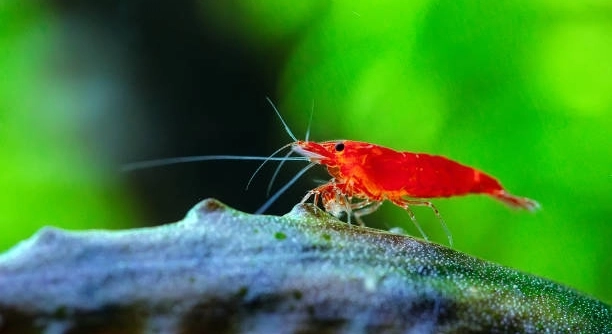
Do you ever find yourself arranging your aquarium and wondering if your cherry shrimp are truly content in a large tank? Observing their tiny movements can make you question their social needs and interactions. Even small creatures can show subtle behaviors.
Cherry shrimp do not experience loneliness in the way mammals do. They are social in groups, but their well-being primarily depends on water quality, hiding spaces, and food availability rather than the size of the tank.
Understanding shrimp behavior and tank dynamics will help you maintain a healthy and thriving aquatic environment. Proper care ensures your shrimp remain active and stress-free.
Understanding Cherry Shrimp Social Behavior
Cherry shrimp are naturally social creatures that thrive in groups. When kept in larger tanks, they often spread out, but this does not indicate unhappiness. Their interactions, such as grazing together or exploring the tank, are subtle. Unlike mammals, they do not form strong attachments to individual tank mates. The presence of multiple shrimp encourages natural behaviors like molting and foraging. Observing them over time shows that their activity levels remain consistent whether in small or large numbers. Providing ample hiding spaces and a stable environment reduces stress and supports their health. A well-planted tank with moss, rocks, and driftwood encourages shrimp to explore and interact safely. Tank size influences water stability and oxygen levels, which can indirectly affect their activity. Maintaining clean water, stable temperature, and adequate nutrition is more important than worrying about loneliness. Their social tendencies are expressed through group movement, not emotional dependency.
Even in big tanks, cherry shrimp show content behavior if conditions are stable and consistent.
Grouping cherry shrimp allows them to establish territories and reduces aggressive interactions. When a tank is too bare, shrimp may hide excessively, appearing less active. Providing plants, moss, and rocks creates microhabitats for molting and feeding. Water flow should be gentle to avoid stress, and filtration should maintain clarity without strong currents. Balanced nutrition with algae, biofilm, and occasional supplements keeps them active. Observing shrimp over time helps identify any health issues early. Their color and activity levels reflect comfort and well-being, making visual observation important. Large tanks require monitoring water parameters closely to prevent fluctuations that can impact shrimp. By focusing on environment rather than companionship, their natural behavior is supported effectively, ensuring a thriving, self-sustaining colony.
Signs of Stress or Discomfort
Stress in cherry shrimp shows through reduced movement, fading color, and hiding. Observing behavior helps detect early issues.
Water quality is the main factor affecting shrimp health. Parameters like ammonia, nitrites, nitrates, and pH must remain stable to prevent stress. Temperature swings or poor filtration can lead to lethargy, molting problems, or disease. Overcrowding or sudden changes in the tank environment can exacerbate stress, even in a large aquarium. Introducing new shrimp slowly allows the group to adjust without conflict. Lighting and plant coverage also affect comfort; bright lights or sparse hiding spaces may cause shrimp to stay hidden. Regular water changes and careful feeding routines maintain balance. Monitoring their behavior daily provides insight into their well-being. Healthy shrimp display active grazing, vibrant coloration, and consistent movement throughout the tank. By addressing environmental stressors, you ensure a long and healthy life for your colony.
Tank Size and Shrimp Activity
Larger tanks allow shrimp to explore freely, but too much open space may lead them to spread thinly. They remain active when provided with plants, hiding spots, and a stable environment that encourages natural behaviors without stress.
Cherry shrimp in big tanks often display balanced activity if the environment meets their needs. Plants, moss, and driftwood create microhabitats for grazing and molting. Proper water flow and filtration maintain clarity without creating strong currents that stress shrimp. Overcrowding is rarely an issue in large tanks, but careful monitoring ensures shrimp are healthy. Observing their movement patterns over time shows they adapt well to bigger spaces, and consistent feeding routines support their energy and growth.
Even with ample space, their comfort depends on water quality, hiding areas, and nutrition. A large tank without structure can reduce interactions, so arranging plants and decorations thoughtfully ensures shrimp remain visible, active, and stress-free, maintaining a balanced and thriving colony.
Feeding and Social Interaction
Cherry shrimp respond well to consistent feeding schedules. Offering a variety of food helps maintain health and encourages activity in a large tank.
Providing algae, biofilm, and specialized shrimp pellets ensures they receive balanced nutrition. Supplemental vegetables like blanched zucchini or spinach encourage grazing and natural foraging behavior. Feeding should be measured to prevent water contamination, which can stress shrimp and reduce activity. Observing how they gather around food shows social tendencies, as shrimp often eat together without conflict.
Social interaction among shrimp is less about companionship and more about shared activity during feeding and exploration. A well-fed colony maintains energy, coloration, and molting frequency. Overfeeding or inconsistent schedules can lead to inactivity or health problems. Large tanks require multiple feeding spots to prevent competition and ensure all shrimp access food. Thoughtful placement of food alongside hiding areas encourages safe foraging and balanced interaction. By managing diet and environment, shrimp remain active, healthy, and naturally social, even in expansive tanks.
Hiding Spaces and Comfort
Providing hiding spots helps shrimp feel secure, even in large tanks. Moss, plants, and rocks create areas for molting and resting, reducing stress and encouraging natural behavior.
Shrimp use hiding spaces to regulate activity and avoid overly bright or open areas. Dense planting ensures they remain active and comfortable throughout the day.
Water Quality and Stability
Maintaining stable water parameters is critical for shrimp health. Regular testing for ammonia, nitrites, nitrates, and pH prevents stress and ensures long-term survival. Temperature consistency is equally important to avoid lethargy or molting issues. A clean, stable environment supports their natural activity.
Observing Behavior Patterns
Watching shrimp daily reveals subtle changes in movement, color, and interaction. These observations help identify stress or health problems early, allowing timely adjustments to the tank environment.
FAQ
Can cherry shrimp get lonely in large tanks?
Cherry shrimp do not experience loneliness like mammals. They are naturally social in groups, but their well-being depends more on water quality, hiding spots, and food availability. Large tanks provide space to explore, and as long as their environment meets these needs, they remain healthy and active.
How many cherry shrimp should I keep together?
A minimum of five to ten shrimp is recommended to encourage natural social behavior. In larger tanks, you can keep more without overcrowding, as long as water parameters and space are adequate. This allows them to interact and display normal behaviors without stress.
What signs show my shrimp are stressed?
Shrimp under stress may hide excessively, show faded colors, become lethargic, or have molting difficulties. Water parameter fluctuations, poor filtration, or sudden environmental changes are common stress factors. Observing their daily activity helps identify problems early.
Do cherry shrimp need hiding spaces in big tanks?
Yes, hiding spots are crucial regardless of tank size. Plants, moss, rocks, and driftwood give shrimp secure areas to rest, molt, and escape bright light. Even in spacious tanks, a lack of cover can lead to hiding behavior and reduced activity.
How often should I feed cherry shrimp?
Feeding once daily is usually sufficient. They primarily graze on biofilm and algae, so supplemental food should be small and balanced. Overfeeding can deteriorate water quality, leading to stress and health issues. Multiple feeding spots help prevent competition in larger tanks.
Can cherry shrimp live alone?
They can survive alone, but they are more active and display natural behaviors in groups. A solitary shrimp may appear less active, but proper environment, hiding areas, and stable water parameters still support its health.
Does tank size affect shrimp behavior?
Tank size influences exploration space and social distribution. Large tanks provide room for movement but do not inherently increase stress or loneliness. Structured environments with hiding spots, plants, and stable water are more important than sheer tank size.
What water parameters are ideal for cherry shrimp?
Ammonia and nitrites should be zero, nitrates kept low, and pH between 6.5 and 8. Temperature around 72–78°F supports active, healthy shrimp. Stable parameters prevent stress, ensure proper molting, and promote vibrant coloration.
Do cherry shrimp interact with other species?
Shrimp can coexist with peaceful fish or other invertebrates. Aggressive tank mates may stress or harm them, so careful selection is necessary. Observing interactions in a controlled environment ensures shrimp remain safe and active.
How can I tell if shrimp are happy in a large tank?
Active foraging, vibrant coloration, consistent molting, and group grazing indicate comfort. Shrimp exploring multiple areas and using hiding spots naturally show they are thriving. Maintaining proper care ensures long-term health and activity.
Is it necessary to rearrange decorations in large tanks?
Occasional rearrangement can encourage exploration, but frequent changes may stress shrimp. Gradual adjustments with attention to hiding spaces support natural behavior without causing disruption.
Can cherry shrimp adapt to sudden changes in tank conditions?
Sudden changes in temperature, water chemistry, or lighting can cause stress. Gradual acclimation and careful monitoring prevent lethargy, molting problems, and other health issues. Observing shrimp closely during transitions ensures they remain active and healthy.
Do larger groups of shrimp require more food?
Yes, increasing shrimp numbers increases food demand. Balanced portions prevent waste while ensuring all shrimp access nutrition. Dividing food across multiple locations reduces competition and supports uniform growth and activity in larger colonies.
How do I encourage social behavior in cherry shrimp?
Providing ample space, hiding spots, and consistent feeding encourages natural interactions. Social behavior is shown through group grazing, exploring, and molting in visible areas. Stress-free environments with stable water quality enhance these behaviors naturally.
Can stress affect shrimp reproduction?
Yes, stressed shrimp may molt less frequently and show reduced reproductive activity. Stable water parameters, sufficient hiding spaces, and balanced nutrition promote successful breeding and overall colony health.
What are the most common mistakes in large shrimp tanks?
Overfeeding, poor water quality, lack of hiding spaces, and sudden environmental changes are frequent mistakes. Large tanks can give a false sense of security; structured environments and careful monitoring are key to thriving colonies.
How often should I clean a large tank with shrimp?
Partial water changes of 10–20% weekly maintain stability. Cleaning should avoid disturbing shrimp too much. Proper filtration, plant coverage, and careful substrate management reduce stress and maintain healthy water conditions.
Can cherry shrimp survive in bare-bottom tanks?
They can survive, but a bare-bottom tank limits grazing and hiding options. Adding plants, moss, or other structures enhances activity, natural behaviors, and overall health, even in spacious tanks.
Do shrimp need companions of the same species?
Companionship encourages activity, but solitary shrimp can survive if environmental needs are met. Groups of the same species promote visible grazing, molting, and exploration behaviors, creating a more dynamic and interactive tank environment.
Are there signs of illness to watch for in large tanks?
Lethargy, loss of color, irregular molting, and hiding can indicate illness or stress. Regular observation and maintaining water quality, feeding, and hiding spaces help prevent disease and ensure shrimp remain active.
How long do cherry shrimp live in large tanks?
With proper care, cherry shrimp live about 1–2 years. Stable water conditions, balanced nutrition, and a structured environment support longevity, active behavior, and healthy molting cycles.
Does tank lighting affect shrimp activity?
Yes, lighting influences foraging and hiding behavior. Bright or constant light may cause excessive hiding, while moderate lighting encourages visible grazing. Plants and moss provide shaded areas, allowing shrimp to regulate exposure naturally.
What is the best way to introduce new shrimp to a large tank?
Acclimate new shrimp slowly over a few hours to prevent shock. Introducing them gradually prevents stress and allows the existing colony to adjust without conflict. Maintaining consistent water parameters reduces risk and supports healthy integration.
Can cherry shrimp show individual personalities?
Subtle differences in activity, coloration, and foraging patterns can be observed. While not emotional, shrimp exhibit consistent individual behaviors influenced by environment, nutrition, and tank dynamics.
How do I maintain a balanced shrimp ecosystem in a large tank?
Combine stable water parameters, sufficient hiding spots, balanced feeding, and appropriate population density. Observing shrimp behavior, avoiding sudden changes, and maintaining filtration and plants create a self-sustaining, active colony.
Are there seasonal effects on shrimp behavior?
Temperature changes and light duration can influence activity and molting. Stable indoor conditions prevent seasonal stress, ensuring consistent behavior regardless of external weather patterns.
What is the best way to monitor shrimp in a big tank?
Regular visual checks, noting color, movement, and grazing patterns, help detect stress, disease, or water issues. Observing behavior consistently allows early intervention and maintains a healthy colony.
Can cherry shrimp survive with limited space in large tanks?
Yes, but activity may be limited without structured hiding areas. Even large tanks require plants, moss, or decorations to support natural behavior and reduce stress.
Does adding more shrimp improve social interaction?
Additional shrimp encourage visible group behavior, but overstocking can stress the colony. Balance between numbers, space, and water quality is essential for natural interaction without negative effects.
How do I prevent shrimp from hiding too much?
Provide moderate lighting, abundant hiding spots, and multiple feeding areas. Observing their patterns and adjusting environmental factors encourages exploration while maintaining safety.
Is it necessary to separate molting shrimp?
Not usually. Shrimp find hiding spots naturally to molt safely. Ensuring plants, moss, or small structures allows molting shrimp protection without manual separation, reducing stress and promoting natural behavior.
Can large tanks support multiple shrimp species?
Yes, if species are compatible and peaceful. Aggressive or predatory tank mates should be avoided to prevent stress or harm. Observing interactions ensures harmony in a shared environment.
How important is substrate choice in large tanks?
Substrate affects grazing, molting, and water quality. Fine gravel or sand allows biofilm growth, supporting feeding and natural behavior, while plants anchored in the substrate provide shelter and structure.
Does tank maintenance affect shrimp behavior?
Yes, sudden changes during cleaning or water changes can stress shrimp. Gradual, consistent maintenance preserves stability and encourages activity, proper molting, and grazing habits.
How do I encourage breeding in large tanks?
Stable water parameters, abundant hiding spots, and proper nutrition support reproduction. Healthy, stress-free shrimp display more frequent molting, mating behavior, and successful hatching of eggs.
Are shrimp sensitive to chemicals in water?
Yes, even small amounts of chlorine, heavy metals, or pesticides can harm shrimp. Using dechlorinated water, proper filtration, and avoiding chemical exposure ensures survival and activity.
Can shrimp adapt to changes in tank layout?
Gradual adjustments are tolerated well, but frequent, sudden changes may cause hiding and stress. Introducing new decorations slowly allows exploration while maintaining natural behavior patterns.
What is the ideal temperature range for large tanks?
A consistent 72–78°F supports activity, molting, and reproduction. Sudden temperature shifts can cause lethargy, color loss, or molting problems, so maintaining stability is critical.
Do cherry shrimp recognize each other?
Shrimp do not recognize individuals but respond to group presence. Social behaviors like grazing and exploring are driven by colony dynamics, not individual recognition.
How do I handle sudden deaths in large tanks?
Remove deceased shrimp promptly to prevent water contamination. Check water parameters, filtration, and food routines to identify causes. Regular monitoring minimizes the risk of recurring issues.
Are shrimp affected by tank vibrations or noise?
Excessive vibrations or loud activity can cause stress and hiding behavior. Placing tanks in stable, quiet areas promotes consistent activity and comfort.
How do I introduce plants safely for shrimp?
Rinse or quarantine plants to remove pesticides or contaminants. Dense planting provides hiding spots, grazing surfaces, and microhabitats for molting, supporting healthy activity in large tanks.
Can shrimp survive without supplemental feeding?
They can survive on biofilm and algae but may grow slower. Occasional supplementation with shrimp pellets or vegetables ensures balanced nutrition, vibrant color, and active behavior.
How do I encourage exploration in large tanks?
Arrange plants, moss, and rocks in multiple areas. Gentle water flow and gradual changes in layout promote natural movement, foraging, and visible activity without causing stress.
Do shrimp show seasonal color changes?
Color intensity is influenced by diet, water quality, and stress rather than seasons. Proper care ensures vibrant coloration throughout the year.
What is the best way to handle shrimp safely?
Avoid handling unless necessary. If required, use soft nets or containers to reduce stress and prevent injury. Minimizing disturbance preserves natural behavior and health.
Can shrimp live with snails or other invertebrates?
Yes, peaceful invertebrates like snails are compatible. They may share grazing areas without conflict, contributing to a balanced ecosystem without stressing shrimp.
How do I prevent overpopulation in large tanks?
Monitor breeding rates and adjust numbers as needed. Providing adequate space and maintaining water quality ensures the colony grows healthily without overcrowding.
What are the signs of a healthy shrimp colony?
Active grazing, vibrant color, consistent molting, and visible interaction indicate well-being. Shrimp exploring multiple areas and using hiding spots naturally show comfort and stability.
How often should I check water parameters?
Weekly testing for ammonia, nitrites, nitrates, and pH maintains stability. Frequent checks allow early intervention to prevent stress and support active, healthy shrimp.
Can cherry shrimp live long-term in big tanks?
Yes, with stable water parameters, proper feeding, and structured environments, shrimp can thrive and display natural behaviors for 1–2 years or more.
Does tank decoration affect shrimp behavior?
Decorations create hiding spots, grazing areas, and exploration opportunities. Thoughtful arrangement supports activity, reduces stress, and encourages natural behaviors in large tanks.
Are shrimp affected by tank mates during feeding?
Peaceful cohabitants are generally fine, but aggressive or fast feeders may reduce shrimp access to food. Multiple feeding spots prevent competition and ensure all shrimp receive proper nutrition.
How can I tell if shrimp are adapting well to a new tank?
Active grazing, normal coloration, consistent movement, and use of hiding spots indicate adaptation. Observing behavior over several days ensures they adjust without stress or health issues.
What are the common mistakes in large shrimp tanks?
Overfeeding, sudden water changes, insufficient hiding spots, poor water quality, and incompatible tank mates are frequent issues. Maintaining stability, structured environments, and consistent monitoring prevents problems and promotes thriving colonies.
Do shrimp need constant observation?
Daily or frequent checks help monitor activity, color, and molting. While they are low-maintenance, regular observation ensures early detection of stress, disease, or water issues.
Can cherry shrimp survive without plants?
They can survive, but lack of plants limits grazing and hiding options. Moss, plants, and decorations support natural behavior, reduce stress, and enhance overall health.
How do I maintain a low-stress environment in large tanks?
Stable water parameters, sufficient hiding spaces, moderate lighting, gradual changes, and consistent feeding routines create a low-stress habitat that encourages activity and well-being.
Are there differences in behavior between male and female shrimp?
Females are often larger and may appear less active when carrying eggs, while males move more frequently. Both require stable conditions and hiding spots to maintain health and activity.
Can shrimp survive power outages?
Short outages are usually tolerated if water quality remains stable. Extended outages may reduce oxygen levels, so aeration or temporary measures are necessary to prevent stress or mortality.
Do shrimp interact with decorations?
Yes, decorations provide grazing surfaces, hiding spots, and molting areas. Thoughtful placement encourages exploration and supports natural behaviors in large tanks.
Can large tanks reduce aggression in shrimp?
Yes, more space lowers territorial disputes, but structured environments with hiding spots are still necessary to minimize stress and allow natural interactions.
How do I maintain consistent feeding in large tanks?
Feed measured portions once daily, spread across multiple areas to prevent competition. Observing how shrimp gather helps adjust feeding routines and maintain health.
Can cherry shrimp live with other shrimp species?
Compatible, peaceful species may coexist, but avoid aggressive or larger shrimp that may stress or harm them. Monitoring interactions ensures a balanced, safe environment.
How do I prevent shrimp from escaping?
Secure lids and careful tank setup prevent escape. Even small openings can allow shrimp to leave, so safety measures are necessary to maintain colony stability.
Do shrimp need special care during molting?
They require secure hiding spaces and stable water. Adequate nutrition supports successful molting, while minimal disturbance reduces stress and ensures healthy growth.
Can shrimp survive in low-light tanks?
Yes, but plant growth may be limited. Providing moss or shaded areas supports grazing and hiding behavior, maintaining natural activity.
How do I know if shrimp are eating enough?
Active grazing, normal coloration, and regular molting indicate sufficient nutrition. Observing feeding behavior and adjusting portions ensures all shrimp receive adequate food.
Can shrimp adapt to different water hardness levels?
They tolerate moderate variations, but extreme changes can stress shrimp. Gradual acclimation helps them adjust while maintaining activity and health.
What is the best way to introduce multiple shrimp at once?
Acclimate slowly over several hours to match water parameters. Introducing them together minimizes stress and encourages normal group behavior in the colony.
Do shrimp respond to human presence?
They may show curiosity through movement but do not form attachments. Their activity is influenced by environment, feeding, and safety rather than interaction with humans.
Can cherry shrimp survive with fluctuating water parameters?
Frequent fluctuations cause stress, molting issues, and color loss. Stable water chemistry is essential for health, activity, and longevity.
How do I prevent algae overgrowth in large tanks?
Balanced feeding, proper lighting, and regular water changes control algae. Live plants compete for nutrients, reducing excessive growth and supporting shrimp grazing.
Are shrimp affected by strong currents?
Yes, strong currents can stress shrimp and reduce activity. Gentle water flow with hiding spots encourages exploration and safe grazing.
Can cherry shrimp thrive in nano tanks?
Yes, as long as water parameters are stable, hiding spaces exist, and overfeeding is avoided. Size alone does not determine well-being.
Do shrimp benefit from aeration in large tanks?
Moderate aeration helps oxygen distribution but should avoid strong currents. Proper water movement supports activity and overall health.
How often should I replace decorations in large tanks?
Occasional updates encourage exploration, but frequent changes may stress shrimp. Gradual adjustments maintain natural behavior and comfort.
Do shrimp prefer planted or bare tanks?
Planted tanks provide hiding spots, grazing areas, and safer molting locations. Bare tanks may limit activity and increase stress, even with large space.
Can shrimp detect water quality changes?
Yes, they respond to poor conditions with hiding, reduced activity, or color fading. Monitoring behavior helps detect issues early.
Are there signs of overcrowding in large tanks?
Excessive hiding, slow growth, and stress behaviors indicate overcrowding. Proper population management ensures healthy activity and natural behavior.
How do I encourage uniform growth in large colonies?
Balanced feeding, adequate space, and hiding spots prevent competition. Observing growth patterns helps adjust nutrition and environment to maintain even development.
Do shrimp show territorial behavior?
Minimal territorial behavior exists; conflicts are rare. Hiding spaces and ample grazing areas reduce disputes and maintain harmony.
Can cherry shrimp survive in soft water?
They tolerate soft water if parameters remain stable. Proper nutrition and hiding spaces support activity and health despite low mineral content.
How often should I change water in large tanks?
Weekly partial changes of 10–20% maintain stability. Sudden or large water changes can stress shrimp, so gradual adjustments are safer.
Can shrimp survive in filtered but unplanted tanks?
Yes, but lack of plants limits grazing and hiding. Decorations or moss are recommended to provide structure and support natural behavior.
Do cherry shrimp interact with each other during feeding?
Yes, they often graze together without conflict. Multiple feeding spots reduce competition and encourage natural social behaviors.
Can shrimp live in tanks with fluctuating light cycles?
Sudden or extreme changes may cause hiding or stress. Gradual adjustments and moderate lighting support activity and comfort.
Are cherry shrimp sensitive to noise?
Loud or continuous vibrations may cause stress and hiding. Quiet, stable tank placement encourages natural behavior.
How do I prevent shrimp from being stressed by tank mates?
Choose peaceful species, provide hiding spots, and monitor interactions
Cherry shrimp are small but fascinating creatures that thrive in carefully maintained environments. While some might worry about loneliness in larger tanks, these shrimp do not experience emotions in the way humans do. Their primary needs focus on stability, safety, and access to food rather than social companionship. Observing a healthy colony shows that activity, grazing, and molting continue regardless of tank size. Large tanks provide plenty of room for exploration, but the shrimp rely on structured areas such as plants, moss, rocks, and driftwood to feel secure. These features create microhabitats that allow shrimp to rest, molt safely, and interact naturally. The arrangement of hiding spaces, combined with proper water parameters, plays a much larger role in their well-being than the sheer size of the tank. Stability in the environment reduces stress and supports natural behaviors that are essential for a thriving shrimp colony.
Water quality is one of the most important factors in maintaining a healthy shrimp tank. Cherry shrimp are sensitive to changes in ammonia, nitrites, nitrates, pH, and temperature, and sudden fluctuations can lead to stress or health issues. Large tanks can make water maintenance slightly more challenging, but regular testing and partial water changes keep parameters consistent and safe. Filtration should provide gentle water movement to avoid stressing the shrimp while keeping the tank clean. Proper feeding routines are equally important. While shrimp primarily graze on biofilm and algae, occasional supplemental feeding with shrimp pellets or blanched vegetables ensures they receive balanced nutrition. Overfeeding can harm water quality, so portion control and multiple feeding spots are recommended. Observing shrimp daily for activity, coloration, and grazing patterns allows early detection of problems and ensures they remain comfortable and healthy in their environment.
Finally, caring for cherry shrimp is largely about creating a stable, supportive habitat that encourages natural behaviors. They do not require companionship in the same sense as mammals, but keeping them in groups promotes visible social activity like grazing together and exploring. Structured environments, consistent water parameters, moderate lighting, and balanced feeding all work together to create a stress-free and active colony. Large tanks, when properly maintained, offer the benefit of more exploration space without negatively affecting their well-being. By focusing on these essentials, shrimp owners can maintain vibrant, active colonies that thrive over time. Attention to detail and careful monitoring allow the shrimp to live full, healthy lives while displaying natural behaviors, regardless of the size of the aquarium they inhabit.

Hello,
If you enjoy the content that we create, please consider saying a "Thank You!" by leaving a tip.
Every little bit helps us continue crafting quality advice that supports the health, happiness, and well-being of pets around the world, for pets of all shapes, sizes, and species.
We really appreciate the kindness and support that you show us!