
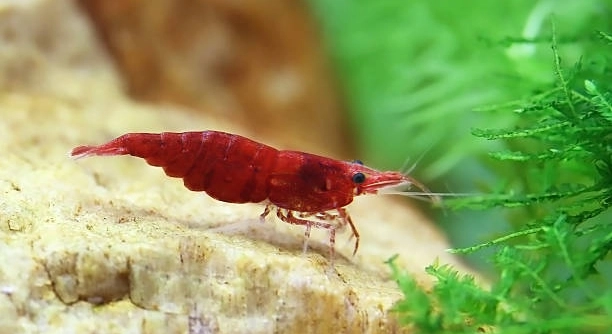
Do you enjoy keeping colorful cherry shrimp in your aquarium but find yourself noticing little escapes near the tank edges? Many shrimp owners observe these tiny climbers and wonder about their abilities and behavior.
Cherry shrimp can climb out of tanks if the conditions allow it. They are naturally curious and can use decorations, plants, or rough surfaces to reach the water surface and escape. Proper tank maintenance and lids reduce these risks effectively.
Understanding how these shrimp explore their surroundings can help you protect them and maintain a secure, healthy tank environment for your aquatic pets.
Why Cherry Shrimp Climb
Cherry shrimp are naturally curious creatures that like to explore their surroundings. They often climb when searching for food, hiding spots, or new surfaces. Decorations, live plants, and tank equipment give them places to grip and reach higher areas. Small gaps at the tank edge or lids that are not tightly sealed make it easier for them to escape. Even a few centimeters of open space above the water can be enough for a determined shrimp to climb out. Their tiny legs and claws allow them to hold onto surfaces, and they can move vertically with surprising ease. Water quality, overcrowding, and stress may increase climbing behavior, as shrimp look for safer or more comfortable spaces. Watching shrimp explore can be interesting, but it is important to keep the tank secure to prevent accidental escapes. Observation helps understand their habits while keeping them safe.
Climbing is more common in tanks without a full lid or cover.
To prevent escapes, consider using mesh or glass covers and keeping water levels slightly lower than the tank edge. Plants and decorations should be arranged to reduce direct paths upward. Consistent monitoring of water conditions and shrimp behavior can reduce stress-driven climbing. Shrimp also respond well to hiding spaces, such as small caves or dense plants, which make them feel secure and less likely to attempt leaving the water. Proper tank maintenance and feeding schedules contribute to a calmer, more stable environment, reducing the motivation for wandering. Even small adjustments, like smoothing edges on decorations or sealing gaps, significantly reduce climbing incidents. Over time, understanding their tendencies allows for better prevention without limiting their activity or curiosity. A secure tank setup ensures your shrimp remain healthy, active, and safe within their aquatic environment.
Signs Your Shrimp Might Be Trying to Escape
Shrimp often explore the top of the tank when they feel stressed or overcrowded. You may notice them crawling near the water surface or clinging to plants and decorations close to the edge. These behaviors indicate a potential attempt to climb out.
Shrimp climbing attempts often increase when water conditions are unstable. High nitrate levels, low oxygen, or temperature fluctuations make them restless. Observing them sticking to the tank walls, hovering near the surface, or gathering at the corners can signal discomfort. Providing hiding spots and adjusting water parameters reduces stress. Dense plants or moss mats offer security while keeping shrimp occupied. Tracking these behaviors over time helps identify patterns, allowing adjustments before escapes happen. Regular water changes and careful monitoring improve tank stability.
Pay attention to decorations that create easy paths to the water’s edge. Rocks, tall plants, or driftwood can act as ladders. Moving these items or adding barriers helps reduce climbing risks. Maintaining a calm environment with minimal disturbances also keeps shrimp from seeking escape.
Preventing Cherry Shrimp Escapes
Using a tightly fitting lid is the most effective way to stop shrimp from leaving the tank. A mesh or glass cover prevents accidental climbing while allowing airflow.
Arrange tank decorations thoughtfully to break vertical paths to the surface. Smooth surfaces reduce gripping points for shrimp, and floating plants provide visual barriers without limiting light. Adjust water levels slightly below the tank edge to make climbing harder. Consistent water maintenance and stress reduction, such as avoiding overcrowding and keeping compatible tank mates, make shrimp less likely to escape. Small changes, like securing driftwood or adding dense moss, can make a noticeable difference. Observing their behavior regularly helps identify areas needing adjustment and ensures shrimp remain safe, active, and healthy within the tank.
Common Escape Routes
Shrimp often climb plants, decorations, and tank walls near the edges. Open lids or gaps between the water surface and tank cover make it easier for them to leave the tank. Small cracks in filter hoods or equipment can also serve as exit points.
Corners and areas with tall decorations are especially risky. Shrimp can use these as stepping stones to reach the top. Regularly checking these spots and adjusting the setup reduces escape opportunities and keeps them safely in the water.
Tank Setup Tips
Keeping the tank secure starts with a proper lid and careful decoration placement. Avoid tall, unsteady items that create easy climbing paths. Smooth any rough edges and fill gaps where shrimp could slip through. Floating plants and moss mats reduce vertical visibility and climbing incentive. Adjusting water levels slightly below the edge adds an extra barrier. Consistent water conditions, hiding spots, and a stable environment also discourage wandering. Thoughtful arrangement and ongoing monitoring make the tank safer while still allowing shrimp to explore naturally.
Observing Shrimp Behavior
Regular observation helps detect early signs of climbing attempts. Monitoring patterns allows for preventive adjustments before escapes occur.
FAQ
Can cherry shrimp survive out of water?
Cherry shrimp cannot survive long outside of water. Their gills require constant moisture to extract oxygen. Even a few minutes on a dry surface can be dangerous, causing stress or fatality. Keeping the tank properly covered and maintaining humidity around the water surface reduces accidental escapes.
Why do cherry shrimp climb so much?
Climbing is a natural behavior for cherry shrimp. They explore their environment, search for food, and try to find hiding spots. Stress, poor water quality, or overcrowding can increase climbing attempts. Decorations, plants, and uneven surfaces give them more opportunities to reach the tank edges.
Do all shrimp climb out of tanks?
Not all shrimp attempt to leave the tank. Some are more active or curious than others. Factors like tank size, structure, hiding spaces, and water quality influence climbing tendencies. Observing individual shrimp behavior helps identify which ones may be more prone to escape.
How can I prevent shrimp from climbing out?
Using a tight-fitting lid or mesh cover is the most effective method. Keep water levels slightly below the tank edge and arrange decorations to reduce vertical climbing paths. Providing hiding spots and maintaining stable water conditions lowers stress, reducing the desire to leave the tank.
Can decorations increase escape risk?
Yes. Tall plants, driftwood, and rocks near the water surface act as ladders. Shrimp can use these items to climb out. Position decorations carefully and fill gaps to limit accessible escape routes. Dense moss mats or floating plants can also act as barriers while allowing shrimp to explore safely.
Does water quality affect climbing behavior?
Poor water quality often increases climbing attempts. High nitrates, low oxygen, or temperature fluctuations make shrimp restless and stressed. Regular water changes, monitoring parameters, and avoiding overcrowding help maintain a calm environment and reduce escape behavior.
Are baby shrimp more likely to climb?
Baby shrimp are less capable of strong climbing than adults but can still find small gaps and cling to surfaces. Providing dense plants, hiding areas, and smooth decorations helps protect juveniles and prevents accidental escapes. Monitoring tanks closely ensures their safety.
Can shrimp escape through filters or equipment?
Small gaps in filter intakes, tubing, or hoods can allow shrimp to crawl out. Ensure all equipment is sealed, covered, and checked regularly. Using sponge pre-filters or mesh covers on openings can prevent shrimp from accessing risky areas.
Is it normal to see shrimp near the tank surface?
Yes, shrimp often explore the surface when feeding, searching for oxygen-rich water, or observing their surroundings. While occasional surface activity is normal, constant clustering near the edges may indicate stress, poor water conditions, or an attempt to escape.
How long can a shrimp survive climbing attempts?
Short climbing attempts are usually safe if the water surface is moist, but prolonged exposure outside the water is dangerous. Shrimp can dehydrate quickly, leading to stress or death. Prevention through lids, monitoring, and safe tank setups is key to survival.
Do shrimp need hiding spots to reduce climbing?
Providing hiding spots significantly reduces climbing behavior. Dense plants, moss, or small caves give shrimp security, making them less likely to explore risky areas near the tank edges. A well-structured tank keeps them occupied and safe while allowing natural activity.
Can tank mates influence climbing behavior?
Yes. Aggressive or overly active tank mates can stress shrimp, prompting them to climb in search of safety. Choosing compatible species and providing adequate hiding spots reduces stress-driven climbing and maintains a stable environment.
Is it dangerous to use floating plants to prevent climbing?
No, floating plants are safe and effective. They break vertical lines and reduce visibility of the tank edge, discouraging climbing. They also provide shade and resting areas, making the environment more comfortable for shrimp without restricting natural behavior.
Do cherry shrimp climb more at certain times?
Shrimp may be more active during feeding times or at night if the tank is dimly lit. Activity patterns vary by individual and tank conditions. Observing when climbing occurs helps identify triggers and allows adjustments to reduce escape attempts.
Can stress alone cause shrimp to escape?
Yes. Stress from poor water quality, overcrowding, aggressive tank mates, or sudden changes in lighting or temperature increases climbing and escape attempts. Reducing stress through stable conditions, hiding spaces, and careful tank management is essential for safety.
Will lowering water levels prevent climbing entirely?
Lowering water levels helps but does not guarantee prevention. Shrimp can still climb if vertical paths exist. Combining lower water, a secure lid, carefully arranged decorations, and hiding spots provides the best protection against escapes.
Do shrimp climb more in planted tanks?
Planted tanks may increase climbing opportunities because plants act as natural ladders. However, plants also provide hiding spaces and comfort. Balancing plant placement and securing gaps prevents escapes while maintaining a healthy, enriched environment.
Are there signs a shrimp is stressed before it tries to escape?
Signs include frequent hiding, staying near the surface, rapid movement, or clustering in corners. Observing these behaviors early allows adjustments in water quality, tank layout, or feeding schedules to reduce climbing attempts.
Does temperature affect climbing behavior?
Yes. High or fluctuating temperatures can stress shrimp, causing more active exploration and climbing. Stable water temperature within the recommended range keeps shrimp comfortable and less likely to attempt leaving the tank.
Is monitoring daily really necessary?
Daily observation is helpful. Small changes in behavior, water quality, or decoration placement can indicate potential escape risks. Catching these early allows preventive adjustments, keeping shrimp safe and the tank stable over time.
Cherry shrimp are small but surprisingly active creatures that can sometimes test the limits of their aquarium. Their natural curiosity and desire to explore make climbing a common behavior, especially when conditions are less than ideal. Watching them move around and investigate plants, decorations, and the edges of the tank is part of the charm of keeping them. However, it also means that owners need to take precautions to make sure the shrimp remain safe. Even though they are tiny, they can get into small gaps or climb out if the setup allows it. A secure environment not only protects the shrimp but also reduces stress for the owner, knowing that their pets are unlikely to escape. Observing their behavior closely is important because it helps identify potential risks before they become a problem.
Maintaining proper water quality, stable temperatures, and regular cleaning routines can greatly reduce the likelihood of shrimp trying to leave the tank. Shrimp are sensitive to changes in their environment, and overcrowding or poor water conditions often increase climbing activity. Providing enough hiding spots and plants gives them a sense of security, so they are less likely to search for escape routes. Simple changes like lowering the water level slightly, smoothing rough surfaces, or adjusting decoration placement can make a big difference in preventing climbing. Mesh or glass lids are another essential tool for keeping shrimp in the tank while still allowing air circulation. Over time, paying attention to these small details creates a calm, healthy environment where shrimp can thrive without the risk of escaping.
Understanding the behavior of cherry shrimp also adds to the enjoyment of keeping them. By knowing why they climb, where they are likely to try to escape, and how to prevent it, owners can create a secure and engaging habitat. It is a balance between giving them space to explore and ensuring they stay within the tank. Even minor adjustments, like rearranging plants or monitoring their activity patterns, contribute to a safer environment. The overall goal is to allow shrimp to behave naturally while minimizing risks, which benefits both the shrimp and the owner. With consistent care, attention to water conditions, and secure tank setup, cherry shrimp can live safely and happily, and climbing attempts can be managed effectively without constant worry. This approach ensures a healthy and stable aquarium environment that supports the shrimp’s well-being over time.

Hello,
If you enjoy the content that we create, please consider saying a "Thank You!" by leaving a tip.
Every little bit helps us continue crafting quality advice that supports the health, happiness, and well-being of pets around the world, for pets of all shapes, sizes, and species.
We really appreciate the kindness and support that you show us!