
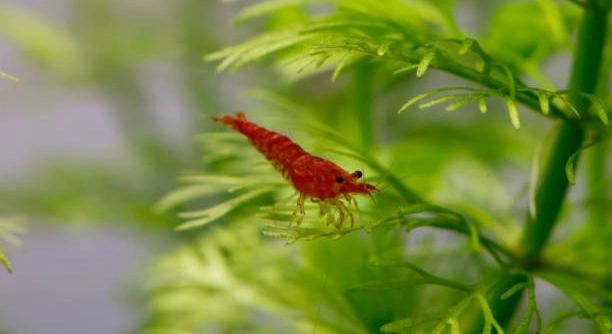
Cherry shrimp are small, colorful creatures that bring life to any freshwater aquarium. Many hobbyists enjoy keeping them, but their delicate nature means even small mistakes can cause escapes and stress. Proper care is essential to prevent problems.
The primary reasons cherry shrimp escape are related to improper tank setup, insecure lids, sudden water changes, overcrowding, and lack of hiding spots. Each factor contributes to stress or accidental escapes, highlighting the importance of careful planning and maintenance.
Knowing these mistakes can help you protect your shrimp and maintain a healthy, secure aquarium environment. This guide will cover the key areas to focus on.
Insecure Tank Lids
Cherry shrimp are surprisingly good at finding gaps and climbing out of tanks. Lids that don’t fit tightly or have large openings can easily allow shrimp to escape, especially the smaller, more agile ones. Even small gaps along the edges or corners of a lid can become exit points. Over time, water evaporation can create additional spaces, making a previously secure lid less effective. Using a proper-fitting lid with no gaps is essential. Some hobbyists prefer mesh or perforated lids for ventilation, but these must have very small holes to prevent shrimp from slipping through. Consistent checks of the lid and adjusting as needed can prevent unexpected escapes. Ensuring that decorations or equipment don’t create climbing routes to the lid is also important. Shrimp are curious by nature, and anything that allows them to reach the top is a risk. Maintaining a secure, gap-free lid is the simplest way to keep them safely inside.
A tight, secure lid is the easiest way to prevent shrimp from escaping. Regular checks ensure no gaps or loose edges appear over time.
Paying attention to the lid and tank setup can save you from sudden surprises and keep your shrimp safe.
Sudden Water Changes
Rapid changes in water parameters can stress cherry shrimp, prompting them to explore and sometimes leave the tank. Sudden shifts in temperature, pH, or hardness create discomfort that shrimp try to escape. Even minor fluctuations can make them active and more prone to climbing out. A gradual approach to water changes reduces stress and keeps them calm. Using conditioned water that matches the tank’s current conditions is crucial, as is slowly introducing any new water over time. Abrupt changes from tap water or untreated sources can shock shrimp, leading to erratic behavior. Monitoring water parameters regularly helps maintain stability and reduces escape attempts. Stressful conditions can also weaken their immune system, making them more vulnerable to disease. Planning consistent, careful water changes is key for both the health of the shrimp and the security of the tank. Observing shrimp behavior after changes allows you to adjust routines and prevent future escapes.
Slow, gradual water adjustments are critical to maintain shrimp health and prevent them from leaving the tank.
Maintaining stable water conditions ensures your shrimp remain calm and reduces their tendency to climb or jump. Consistent monitoring, proper acclimation, and matching new water to the tank’s parameters are essential practices. Avoiding sudden changes preserves their health, prevents stress, and keeps the aquarium secure. Over time, a stable routine builds confidence in the shrimp’s environment, allowing them to thrive without attempting to escape. Small steps, like adding water slowly with a drip method or adjusting temperature gradually, make a significant difference. Observing their behavior closely after each water change provides valuable feedback, helping you refine your approach. Combining careful water management with a secure lid significantly lowers the risk of escape. When shrimp feel safe and comfortable, they focus on feeding, breeding, and interacting with their environment instead of testing the boundaries of the tank.
Overcrowding
Too many shrimp in a tank increases stress and competition for food. Overcrowding can make shrimp more restless, causing them to climb decorations or try to escape. Maintaining an appropriate population density is essential for their safety and well-being.
Overcrowding creates tension among shrimp, leading to aggressive interactions and limited access to hiding spots. When space is insufficient, shrimp may constantly move around, searching for comfort and food. This heightened activity increases the likelihood of accidents or escapes. Overcrowded tanks also make it harder to monitor water quality, which can quickly deteriorate and stress the shrimp further. A carefully managed population ensures each shrimp has enough space to explore, feed, and rest without feeling threatened. Proper spacing supports healthier behavior and reduces the risk of escape attempts.
Shrimp need adequate room to move freely and establish territories. Too many in a tank can result in climbing and jumping behavior. Spacing and careful population management are crucial for a safe environment.
Lack of Hiding Spots
Shrimp feel vulnerable without sufficient hiding places. They use plants, decorations, and caves to feel secure. When hiding spots are scarce, shrimp may climb toward the tank edges or lid in search of safety.
Providing dense plant coverage, moss, and small caves helps shrimp feel safe and reduces stress. A lack of hiding places can lead to aggressive encounters, constant movement, and increased chances of escape. Shrimp naturally seek shelter during molting or when threatened. Tanks with only open spaces leave them exposed, making them more likely to explore unsafe areas. Incorporating a mix of live plants, driftwood, and decorative caves mimics their natural environment. Properly placed hiding spots allow shrimp to rest, feed, and molt safely. Observing which areas shrimp prefer can help optimize the tank layout. Creating a secure environment prevents climbing attempts and reduces overall stress.
Shrimp are more confident and calm when they have safe spaces. Dense plant coverage and small caves reduce the risk of escape and encourage natural behavior.
Sharp or Slippery Decorations
Sharp edges or slippery surfaces can cause shrimp to lose grip and accidentally climb out. Decorations should be smooth and stable to prevent accidents and injuries.
Rough or unstable surfaces make shrimp more likely to explore unsafe areas. Choosing driftwood, rocks, or ornaments with gentle textures ensures shrimp can move safely without slipping or getting caught.
Overfeeding
Excess food can decay and pollute the water, stressing shrimp. Poor water quality makes them more likely to explore or escape.
Feeding small, controlled portions prevents leftover food from contaminating the tank. Shrimp stay healthier and calmer when water remains clean, reducing the chances of climbing or escaping.
Strong Currents
Strong water flow can push shrimp toward tank edges or filtration outlets. Gentle currents allow safe movement and natural behavior.
How can I prevent my cherry shrimp from escaping?
The most effective way to prevent escapes is to maintain a secure, well-fitted lid on the tank. Check the edges regularly to ensure there are no gaps. Additionally, creating a safe and stable environment with adequate hiding spots, gentle water flow, and stable decorations helps shrimp feel secure and less likely to climb or jump out.
What kind of lid works best for a cherry shrimp tank?
A solid lid that fits tightly with no gaps is ideal. Mesh or perforated lids can work if the holes are very small, but they still need to be secure. Avoid lids that can shift or allow water evaporation to create openings over time. Weighted lids or lids with clips can provide extra safety and reduce the risk of accidental escapes.
How often should I change the water to keep shrimp safe?
Water changes should be gradual and consistent. Sudden shifts in temperature, pH, or hardness can stress shrimp and trigger escape attempts. Drip acclimation methods or slow water replacement matching the tank’s parameters help maintain stability. Regular monitoring of water quality ensures safe conditions without shocking the shrimp.
Why do hiding spots matter so much for cherry shrimp?
Shrimp naturally feel vulnerable without places to hide. Dense plant coverage, moss, and small caves allow them to rest, molt, and feel secure. Without these, shrimp may climb decorations or try to escape when stressed or threatened. Adequate shelter reduces stress, encourages natural behavior, and keeps them safe.
Can overcrowding cause shrimp to escape?
Yes, too many shrimp in a tank increases competition and stress. Limited space and food access make them restless and more likely to explore edges or climb decorations. Maintaining an appropriate population density ensures that each shrimp has enough space, reducing stress and escape attempts.
How does overfeeding impact shrimp safety?
Overfeeding can lead to decaying food, which pollutes the water and stresses the shrimp. Stressed shrimp are more likely to climb or attempt escape. Feeding small, controlled portions keeps the water clean, promotes healthy behavior, and reduces the risk of accidents or escapes.
What role does water flow play in shrimp behavior?
Strong currents can push shrimp toward tank edges or filtration intakes. Gentle, evenly distributed currents allow shrimp to move naturally without being forced toward dangerous areas. Properly adjusting pumps or filters ensures safe movement and reduces stress, which decreases the likelihood of climbing or jumping.
Do shrimp escape more during molting?
Yes, molting is a vulnerable time. Shrimp need safe hiding spots to rest and harden their new exoskeleton. Lack of shelter or stressful conditions during molting can make them more active or anxious, leading them to explore edges or try to escape.
How can I monitor my tank to prevent escapes?
Regular observation is key. Watch shrimp behavior after water changes, feeding, or new decorations. Look for climbing tendencies or stress indicators, and adjust the environment accordingly. Checking the lid, decorations, and water parameters consistently helps maintain a secure, calm habitat for all shrimp.
Are there specific decorations to avoid?
Avoid sharp, rough, or unstable decorations. Slippery surfaces or edges can cause shrimp to slip, get stuck, or accidentally climb out. Smooth driftwood, rocks, and stable ornaments are safer. Observing how shrimp interact with new decorations ensures they remain safe and reduces accidental escapes.
Can tank location affect escape risk?
Yes, tanks placed in high-traffic or drafty areas can stress shrimp. Vibrations, sudden movement, or temperature fluctuations may make them more active and prone to exploring edges. Positioning the tank in a stable, calm area helps shrimp feel secure and reduces escape attempts.
What is the best way to acclimate new shrimp?
Introduce new shrimp slowly with a drip acclimation method. Sudden changes in water chemistry can stress them, increasing climbing or jumping behavior. Gradually adjusting them to the tank’s temperature, pH, and hardness ensures they remain calm, safe, and less likely to escape.
How can I maintain long-term safety for my shrimp?
Consistently monitor water quality, population density, and tank setup. Keep the lid secure, decorations stable, and hiding spots sufficient. Gentle water changes and appropriate feeding routines maintain stability. Observing shrimp behavior regularly helps catch potential issues early, ensuring they remain healthy and secure over time.
What should I do if a shrimp does escape?
Check the surrounding area carefully, including under furniture and nearby surfaces. Shrimp can survive outside the water for a short time, but retrieving them quickly reduces stress and prevents harm. Assess the tank for gaps or risks, and make adjustments to prevent future escapes.
Caring for cherry shrimp requires attention to detail and a focus on creating a safe, stable environment. Small mistakes, like an insecure lid, overcrowding, or sudden changes in water conditions, can easily lead to escapes or stress. These shrimp are delicate and active, and even minor oversights in tank setup can have noticeable consequences. By maintaining proper water quality, providing hiding spots, and ensuring the tank is secure, you can create an environment where shrimp feel safe, comfortable, and less likely to try to leave. The effort put into planning and monitoring the aquarium pays off in healthier, more active shrimp that thrive in their home. Regular checks and small adjustments help prevent common problems before they escalate.
In addition to tank setup, daily maintenance habits play a key role in preventing escapes. Feeding should be done in controlled amounts to avoid leftover food that can pollute the water, and water changes should be gradual to avoid shocking the shrimp. Decorations and plants should be carefully arranged to provide natural hiding spots while minimizing climbing routes toward the lid. Observing shrimp behavior helps identify stress signals early, such as increased activity or attempts to explore the edges. By responding promptly to these signs and making adjustments, you can reduce the chances of escapes while supporting their overall well-being. Paying attention to these details ensures that shrimp remain healthy, active, and secure in the aquarium environment.
Long-term success with cherry shrimp comes from consistent care and observation. Keeping population density balanced, maintaining a secure lid, and providing an environment that mimics natural conditions allow shrimp to live comfortably and safely. Stress reduction is a major factor in preventing escapes, and small measures such as gentle water flow, smooth surfaces, and stable decorations make a noticeable difference. Over time, establishing these routines and habits will create a thriving tank where shrimp can feed, molt, and interact safely. The effort invested in careful maintenance and monitoring not only prevents escapes but also enhances the enjoyment of keeping these colorful, lively creatures. A calm, well-maintained tank encourages natural behavior, reduces risks, and ensures that cherry shrimp remain a healthy, vibrant addition to the aquarium.

Hello,
If you enjoy the content that we create, please consider saying a "Thank You!" by leaving a tip.
Every little bit helps us continue crafting quality advice that supports the health, happiness, and well-being of pets around the world, for pets of all shapes, sizes, and species.
We really appreciate the kindness and support that you show us!