
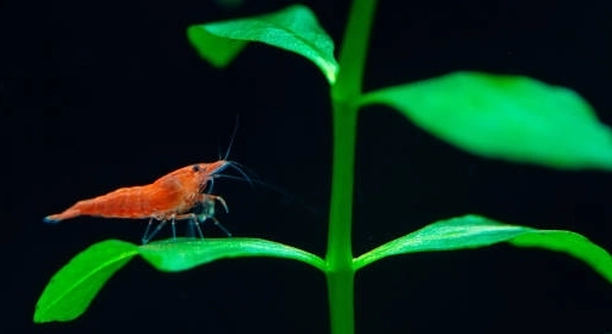
Have you ever watched your cherry shrimp explore their tank and wondered why they seem so busy throughout the day when it comes to their constant nibbling and tiny waste habits that catch your attention.
Cherry shrimp produce frequent waste because they graze all day and process food quickly. Their digestive activity increases as they consume biofilm, algae, and leftover food, which naturally leads to notable yet harmless amounts of waste in aquariums over time.
Understanding their feeding routine and waste cycle can help you maintain a cleaner tank while keeping your cherry shrimp healthy.
Why Cherry Shrimp Produce So Much Waste
Cherry shrimp create a steady amount of waste because they eat tiny bits of food throughout the day. Since they graze nonstop, their bodies process everything quickly, leading to frequent digestion. I see this often in my own tank when they explore every corner looking for biofilm and soft algae. They stay active from morning until night, and that constant movement keeps their system working. Even though each piece of waste is small, it becomes noticeable when several shrimp live together. This pattern is completely normal and shows that your shrimp are healthy and well fed. By understanding how much they graze, it becomes easier to keep their tank clean and stable. When I watch them, I can tell their routine never slows down, and they always seem focused on finding something to nibble. This lifestyle naturally leads to more visible waste, especially in smaller tanks where everything stands out.
Frequent waste production is a simple reflection of their constant grazing habits. It shows that their system is active, and it helps you understand how to manage your tank better. As long as conditions stay stable, this natural cycle supports their overall balance and keeps them healthy every day well.
Understanding this pattern allows you to make small adjustments that improve the environment for your shrimp. When you know how often they produce waste, you can plan water changes and feeding routines more carefully. I find that giving them the right balance of natural growth and light feeding keeps the tank cleaner. It also reduces the chances of waste building up in corners where it becomes harder to notice. With steady care, you can support their active lifestyle while keeping the tank comfortable for every shrimp in your peaceful aquarium setup each day with calm ongoing attention for stability always.
How Diet Impacts Waste Levels
Cherry shrimp produce more waste when their diet is rich in natural growth and leftover food. The more they graze, the more their system stays active, creating frequent digestion that shows up in the tank. This pattern becomes easier to manage once feeding stays consistent and gentle every day now.
A balanced diet keeps your cherry shrimp active, and their constant search for food influences how much waste they produce. When they have steady access to biofilm, algae, and soft plant matter, their system stays busy. I notice that when my tank grows a healthy layer of natural film, the shrimp spend hours grazing, which increases their digestion rate. When extra food is added too often, they eat more than they need, and the tank collects more visible waste. Keeping feeding measured prevents this build up. It helps the shrimp rely more on natural growth, which supports cleaner water. Understanding how their diet shapes their routine allows you to control how much waste appears each day. With careful feeding, regular maintenance, and steady conditions, your tank becomes easier to manage. Your shrimp stay comfortable, active, and supported by a clean environment that matches their constant need to explore and graze throughout the day. When you keep the tank balanced, their behavior stays calmer, and the water stays clearer. These small choices make a noticeable difference over time, especially in smaller tanks. A steady routine helps you avoid sudden spikes in waste and keeps the entire habitat stable for every shrimp.
How Tank Conditions Influence Waste Visibility
Clean and stable water makes waste less noticeable, while poor conditions make every bit stand out. I have seen how an unbalanced tank can highlight even the smallest particles, turning normal waste into something that looks heavier than it really is.
Stable filtration and gentle water flow help keep everything moving so waste does not settle in visible piles. When I keep my filter clean, the tank looks clearer even if the shrimp produce the same amount of waste. Light vacuuming during water changes also helps remove buildup that hides under plants. Shrimp feel more comfortable in stable tanks, which keeps their grazing patterns more balanced and prevents sudden waste spikes when conditions shift. A well maintained setup allows the natural cycle to stay steady without making normal waste feel overwhelming.
Proper lighting and plant growth also help manage how visible the waste becomes. When plants are healthy, they absorb extra nutrients that would otherwise highlight waste in the water. I notice a big difference when my plants grow well since they create a softer look in the tank. Bright and harsh lighting can make small particles look bigger, so choosing gentle lighting makes everything less noticeable. By keeping light, water flow, and plant health balanced, the environment stays comfortable for your shrimp and cleaner to the eye without forcing constant Scrubbing.
How Behavior Affects Tank Cleanliness
Cherry shrimp stay active through most of the day, and that movement spreads waste around the tank. I often see them grazing across every surface, and this routine naturally shifts particles into different corners, making some areas look messier than others with little effort.
Their constant exploring influences how the tank looks because they rarely stay still. When many shrimp live together, their activity increases, making waste more noticeable even though it is normal for their size. I find that giving them enough space and hiding spots helps reduce crowding, which keeps the tank from looking overloaded. When shrimp feel secure, they graze more calmly and avoid kicking up settled particles. A stable group size also prevents extra stress that could change their feeding habits and digestion. By keeping the tank spacious, steady, and calm, their everyday behavior becomes easier to manage, and the environment stays clearer without much extra work.
Common Signs of Excess Waste
Heavy buildup around plants and decorations often means the tank needs small adjustments. I notice this most when I skip a water change or feed a little too much, and the waste settles quickly in calmer areas of the tank.
Cloudy water can also appear when waste increases faster than the system can handle. This usually improves once feeding is reduced and filtration is cleaned. Even small changes make a clear difference and help the tank return to a steadier rhythm.
How Overfeeding Makes the Problem Worse
Extra food in the tank leads to more waste because cherry shrimp will graze on anything available, even when they are not hungry. I have seen how tiny leftovers collect in corners, breaking down and creating more particles in the water. This pushes the system harder than needed and makes everything look dirtier. When I keep portions small, the shrimp stay active without creating heavy buildup. It also helps them focus on natural growth in the tank, which supports a cleaner environment. Consistent feeding routines keep things stable, reduce hidden waste, and prevent sudden spikes that can make the tank look messy.
Why Shrimp Count Matters
More shrimp means more constant grazing, which leads to increased waste that becomes easier to notice in smaller tanks. Keeping the group size balanced helps the environment stay stable and prevents the tank from looking crowded or overly active.
FAQ
Why do cherry shrimp poop so often throughout the day?
Cherry shrimp stay active and graze on tiny pieces of food almost constantly, so their system stays busy. I notice in my own tank that they nibble on biofilm, algae, and softened plant matter without taking long breaks. Since they process small amounts of food all day, waste production naturally stays steady. Their digestive system works quickly, and everything they eat moves through them faster than you might expect. This routine is completely normal and shows that they are healthy, comfortable, and finding enough to eat. Their lifestyle is built around nonstop searching, which keeps their bodies working at a gentle pace from morning to night.
Is cherry shrimp poop harmful to the tank?
Their waste is harmless as long as the tank is stable. It breaks down like any other natural material and becomes part of the regular cycle in the aquarium. I find that with a good filter and light maintenance, their waste never becomes an issue. Problems only appear when feeding is too heavy or the tank is overcrowded. In a balanced setup, the waste supports natural bacteria and helps keep the ecosystem moving. As long as water changes happen regularly, their waste blends into the environment without causing stress to the shrimp or other tank mates.
Does shrimp poop mean I am overfeeding them?
Not always, but it can be a sign when waste looks heavier or builds up quickly. Overfeeding leads to extra leftovers, which the shrimp eat even if they do not need it. This creates more digestion than their usual grazing routine. I notice a difference when I give them too much, and the tank looks dirtier sooner. By keeping portions small, you let them rely on natural food sources and avoid unnecessary buildup. A little food goes a long way since they are tiny and eat slowly.
How can I tell if the poop in the tank is from shrimp or other creatures?
Cherry shrimp waste is very small and thin, usually brown or slightly green depending on what they ate. Fish waste tends to be larger or softer, and snail waste often looks more compact. After observing for a while, it becomes easy to tell the difference. I learned to spot it by watching how the shrimp move around and where waste tends to appear. Their waste is usually scattered lightly across leaves, moss, or hard surfaces. With time, you get used to the patterns.
Does shrimp poop affect water quality?
In normal amounts, it does not create issues. Your tank’s beneficial bacteria break it down into safer forms that plants and natural growth can use. Trouble starts only when there is too much waste for the system to handle, which usually happens in crowded tanks or when feeding is too heavy. I keep my shrimp tanks clean by doing small water changes and light gravel vacuuming. These simple steps keep water quality steady and prevent waste from collecting in hidden corners, where it can break down too slowly.
How can I reduce visible shrimp waste?
Light cleaning, steady filtration, and gentle feeding help more than anything else. I also find that healthy plants make a big difference because they take in extra nutrients that come from broken down waste. This prevents cloudy water and keeps everything looking clearer. Adjusting lighting helps too since softer light makes particles less noticeable. These small habits keep the tank comfortable for the shrimp while reducing the amount of visible debris.
Is it normal for shrimp poop to gather under plants or moss?
Yes, that is one of the most common places it collects. Shrimp love grazing on moss and plants, and as they move around, tiny bits of waste fall underneath. Water flow in planted areas is often gentle, so waste settles more easily. I simply lift or swirl the plants during water changes to release trapped particles, and the tank stays cleaner without much effort.
Final Thoughts
Keeping cherry shrimp happy and supported in a clean tank becomes much easier once you understand how their daily habits shape the environment around them. Their constant grazing is gentle and natural, yet it creates tiny bits of waste that collect over time. I have learned that this pattern does not mean anything is wrong. It simply reflects how active and steady their routine is. When you look at the tank with this in mind, the waste becomes less of a worry and more of a sign that your shrimp are behaving the way they should. Their small bodies work at a calm pace, and everything they eat moves through them smoothly. With this perspective, it becomes clear that managing their waste is mostly about keeping their world stable rather than trying to stop something that is already part of their nature every day.
Most of the challenges that come with visible shrimp waste can be managed with small and consistent habits. A simple cleaning routine, gentle feeding, and steady water changes go a long way in creating a comfortable space for both you and your shrimp. I noticed that once I stopped feeding too often, the tank felt more balanced. The shrimp relied more on natural growth, and their grazing pattern stayed steady without overloading the system. Clean filters and light vacuuming helped remove buildup in hidden spots, especially under plants and decorations where particles love to settle. Every small choice shapes how the tank looks, and with regular attention, you can prevent waste from becoming more noticeable than it needs to be. Stability becomes the strongest tool in keeping everything clear and calm. When conditions stay the same from day to day, the shrimp behave in predictable ways, and their waste blends into the natural cycle rather than dominating the look of the tank.
Your experience with shrimp care will feel more relaxed once you stop expecting the tank to stay spotless. Cherry shrimp are tiny creatures with busy habits, and their waste is simply part of the rhythm of a healthy setup. Over time, you get used to their routines and learn how to make small adjustments that keep the tank clean without constant effort. Plants, lighting, feeding, and filtration all work together, and when they stay balanced, the tank becomes easier to maintain. With calm observation and slow changes, you guide the environment into a stable space that supports your shrimp without making you feel overwhelmed. The goal is not perfection but a clean and steady habitat where shrimp can graze, explore, and live comfortably. When the tank feels balanced, every part of their behavior makes more sense, including the steady flow of waste that once seemed surprising but now feels completely normal.

Hello,
If you enjoy the content that we create, please consider saying a "Thank You!" by leaving a tip.
Every little bit helps us continue crafting quality advice that supports the health, happiness, and well-being of pets around the world, for pets of all shapes, sizes, and species.
We really appreciate the kindness and support that you show us!