
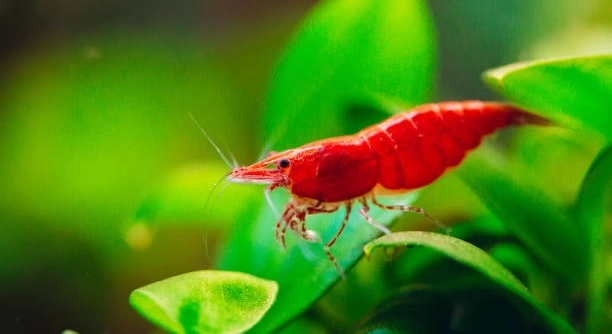
Are your cherry shrimp showing subtle changes in behavior or appearance? Observing these tiny creatures can be both fascinating and confusing, especially when they begin preparing for a molt. Noticing the early signs helps keep them healthy.
Cherry shrimp exhibit molting through distinct physical and behavioral changes. Indicators include reduced appetite, increased hiding, color fading, enlarged exoskeleton sections, softening of the shell, frequent rubbing against surfaces, and occasional sluggish movement. Recognizing these signs ensures proper care during this vulnerable stage.
Monitoring these signs closely can improve shrimp care, prevent stress, and maintain a thriving aquarium environment for your delicate aquatic pets.
How to Recognize the Early Signs
Noticing early signs of molting in cherry shrimp can feel tricky at first. I often found myself watching my tank closely, observing small changes. Shrimp may start hiding more than usual, staying near plants or decorations. Their color can become slightly duller, and some may move more slowly than before. A softening shell or slight swelling along the back is another indicator. You might also notice them rubbing against surfaces more often as they prepare to shed. Reduced appetite is common during this stage, which can worry you at first, but it is normal. They may avoid other shrimp temporarily and seek quiet areas in the tank. Watching these behaviors over time helps you predict when a shrimp is about to molt. It also gives you a chance to make small adjustments, like ensuring water conditions are stable and providing extra hiding spots for safety.
Observing shrimp closely during this phase can prevent stress and improve their overall health in the tank.
Molting is a delicate time for cherry shrimp. When they shed, their new exoskeleton is soft and vulnerable. Providing a calm environment is essential. I make sure water parameters are stable, with consistent temperature and clean conditions, to avoid any stress. Adding calcium-rich foods helps strengthen their new shell. Hiding spots like moss or small decorations allow them to molt safely without being disturbed by other shrimp. It’s common to see discarded shells floating or resting on surfaces, which is normal. Avoid handling shrimp during this time as they are fragile. Watching their behavior daily helps spot patterns and anticipate the molt, so I can ensure they have everything they need. Over time, observing these small signs becomes easier, and the process feels predictable. Protecting shrimp during molting contributes to a healthy, thriving tank with active, colorful shrimp that continue to grow successfully.
The Importance of Proper Nutrition
Providing proper nutrition is essential for supporting molting. High-quality food with calcium and minerals strengthens their new exoskeleton and supports healthy growth.
Feeding a balanced diet consistently helps shrimp recover after molting. Leafy greens, algae wafers, and specialized shrimp pellets provide the necessary nutrients. I like to include occasional blanched vegetables, which are gentle and easy to digest. Overfeeding can cause water quality issues, so I offer small portions and remove leftovers promptly. Clean water combined with proper nutrition reduces stress, supports color vibrancy, and encourages regular molting. Consistency is key, as shrimp rely on steady nutrient intake for shell hardening and overall vitality. Tracking what and when I feed helps maintain healthy shrimp populations and prevents nutritional gaps. Proper nutrition paired with a well-maintained tank ensures shrimp grow safely through each molt, maintaining their bright color and active behavior while avoiding complications from weak or incomplete exoskeletons.
Providing Safe Hiding Spots
Hiding spots are essential during molting. Shrimp need areas where they feel secure. Moss, small plants, and decorations work well. These spaces reduce stress, prevent injury, and give them privacy while their new shell hardens. Observing their behavior shows which spots they prefer.
I usually add moss or small plastic plants in my tank, creating little corners for shrimp to retreat to. They spend more time in these areas when preparing to molt, curling under leaves or behind decorations. These hiding spots not only protect them but also reduce interactions with more active shrimp, which can accidentally damage soft new shells. Over time, I noticed that shrimp that had multiple hiding options molted more calmly and recovered faster.
Choosing the right materials is important. Soft plants and smooth decorations are best to prevent scratches on soft shells. Avoid sharp or rough surfaces. I like to arrange hiding spots near feeding areas and shaded sections, giving shrimp choices based on comfort. Observing them helps me adjust placement, ensuring every shrimp has access to at least one safe area. Multiple hiding spaces also reduce competition and stress, making the tank environment calmer overall.
Monitoring Water Conditions
Stable water conditions are critical during molting. Shrimp are sensitive to sudden changes in temperature, pH, or hardness. Regular testing keeps conditions safe and predictable for delicate shells.
I check water parameters every few days to ensure they remain within safe ranges. Consistent temperature, gentle filtration, and low ammonia levels help shrimp molt without stress. Sudden fluctuations can cause incomplete molts or even fatalities. I use small adjustments rather than large changes, keeping the environment calm. Observing shrimp activity also indicates water quality. Active shrimp with vibrant color usually signal healthy conditions.
Maintaining clean water means regular partial water changes, careful feeding, and monitoring leftover food or debris. Avoid chemicals or strong cleaners near the tank. I also keep aeration subtle to prevent strong currents that could disturb molting shrimp. Combining stable water with proper nutrition and hiding spots ensures shrimp molt successfully. Over time, these practices have made my tank healthier and more predictable, reducing losses and promoting a thriving shrimp population. Watching their recovery after molting is rewarding, as healthy shrimp quickly regain color and activity.
Recognizing Color Changes
Color changes are a common sign of molting. Cherry shrimp may appear duller or slightly faded before shedding. This is temporary and signals the shrimp is preparing for a new exoskeleton.
Watching their color closely helps predict molting. Subtle fading often occurs a day or two before the molt. Brighter areas may persist, while the body softens and loses vibrancy. I noticed that shrimp with more pronounced fading tend to molt sooner. Color observation combined with behavior, such as increased hiding or reduced movement, provides a reliable indication. Tracking these changes over time allows me to anticipate molting patterns and adjust care.
Appetite Fluctuations
Shrimp often reduce their eating before a molt. This temporary fasting is normal and should not cause concern.
I typically notice that they avoid food for a day or two. It seems like they focus on preparing internally for the new shell. Offering food lightly and removing leftovers helps maintain water quality. After molting, their appetite returns quickly, and they consume food eagerly. Monitoring this pattern has helped me understand each shrimp’s molting rhythm and avoid unnecessary stress during this vulnerable period.
Handling Molted Shells
Molted shells should be left in the tank. They provide calcium and nutrients that aid recovery.
I rarely remove them unless the tank becomes overcrowded. Shrimp often nibble on these discarded exoskeletons, helping strengthen their new shell. Observing this behavior has shown me that leaving shells supports healthier growth and faster recovery after molting.
Behavior Changes
Shrimp may become less active or hide more often when approaching a molt. Observing these shifts helps track their readiness.
FAQ
Why is my cherry shrimp hiding more than usual?
Hiding is normal when shrimp are preparing to molt. Their soft new exoskeleton makes them vulnerable, so they seek secure areas. I noticed that providing moss, plants, or small decorations significantly reduces stress and helps them molt safely without interference from other shrimp.
Why has my shrimp’s color faded?
Color fading is a temporary sign that a molt is coming. The body may lose vibrancy while preparing to shed the old exoskeleton. I often watch the tank daily to track these subtle changes, which help me predict when a shrimp is about to molt.
Is it normal for my shrimp to stop eating?
Yes, reduced appetite is typical before molting. Shrimp focus on internal processes rather than feeding. I usually leave small amounts of food but remove leftovers to keep water clean. Once the molt is complete, their appetite returns quickly.
Can I help my shrimp molt faster?
Molting is natural and cannot be rushed. Proper water conditions, hiding spots, and nutrition support the process. I focus on keeping the tank stable and providing calcium-rich foods, which strengthens their new shell after molting.
Should I remove molted shells from the tank?
No, leaving shells in the tank is beneficial. Shrimp often consume them for calcium and other nutrients. I rarely remove them unless the tank becomes overcrowded, as these shells contribute to healthier growth and faster recovery.
How often do cherry shrimp molt?
Molting frequency depends on age, size, and water conditions. Young shrimp molt more frequently, sometimes every few days, while adults molt less often. I track molting patterns over time, which helps me anticipate care needs and adjust feeding and hiding areas accordingly.
What are the signs of a failed molt?
A failed molt can occur if a shrimp’s new exoskeleton hardens too slowly or if water conditions are poor. Signs include shrimp stuck in the old shell, inactivity, or unusual posture. I check water parameters carefully and provide calcium-rich food to reduce the risk.
Can stress affect molting?
Yes, stress can delay or complicate molting. Sudden water changes, aggressive tankmates, or insufficient hiding spots can interfere. I noticed shrimp recover faster when the environment is calm and stable during the molting process.
Do all shrimp show the same molting behavior?
Not exactly. Individual shrimp vary in color change, hiding habits, and appetite reduction. I learned to observe each shrimp individually, which makes it easier to provide care tailored to their needs.
When should I be concerned about molting issues?
Concerns arise if shrimp show prolonged inactivity, fail to eat for multiple days, or struggle to shed the old shell. I recommend checking water quality, ensuring proper nutrition, and providing more hiding spots. Persistent issues may require consulting experienced aquarists.
Can tankmates interfere with molting?
Yes, more active or aggressive shrimp can disturb molting individuals. I make sure there are plenty of hiding spots and space to reduce interactions during this sensitive time. This prevents injury and allows shrimp to molt safely.
Does water temperature affect molting?
Temperature impacts molting frequency and comfort. I maintain a stable temperature suitable for cherry shrimp. Sudden drops or spikes can stress shrimp and cause molting complications, so careful monitoring is key to healthy growth.
How can I support post-molt recovery?
After molting, shrimp need proper nutrition and stable water. I offer calcium-rich foods and monitor behavior closely. Hiding spots remain essential, as the soft new shell is vulnerable. Recovery usually takes a few hours to a day, depending on the shrimp’s age and size.
What foods help with molting?
Calcium-rich foods, algae wafers, and blanched vegetables support strong exoskeletons. I also include specialized shrimp pellets to ensure consistent nutrients. Avoid overfeeding to maintain clean water, which is critical during molting.
Is it normal for shrimp to be less active after molting?
Yes, reduced activity is common while the new shell hardens. I watch for gradual improvement, which signals normal recovery. Over time, they regain color, activity, and appetite as their exoskeleton strengthens.
Can I tell exactly when a shrimp will molt?
Exact timing is unpredictable. Observing behavior, color, and appetite gives the best indication. I track patterns over weeks to anticipate molting and make adjustments in hiding spots, feeding, and water care.
How long does the molting process take?
The actual shedding usually happens within minutes, but preparation and recovery take longer. I focus on keeping the tank calm and ensuring hiding spots are available throughout the entire process.
Are baby shrimp affected differently during molting?
Yes, juveniles molt more frequently and are more vulnerable. I make sure they have plenty of hiding places and gentle water flow. Observing their growth and molting patterns helps ensure they survive the delicate early stages.
Does tank size matter for molting?
Smaller tanks can increase stress and competition for hiding spots. I find that larger, well-planted tanks reduce aggression and provide more safe areas, supporting smoother molting for all shrimp.
What happens if a shrimp molts too often?
Excessive molting can indicate stress, rapid growth, or poor nutrition. I check water parameters, feeding, and overall tank conditions. Balanced care helps maintain normal molting frequency and keeps shrimp healthy.
How do I know my shrimp’s exoskeleton is hardening properly?
A properly hardened shell is firm to the touch and regains its normal color. I observe the shrimp daily, noting activity and feeding patterns. Soft or pale shells for an extended period may indicate insufficient nutrients or suboptimal water conditions.
Can I prevent molting problems completely?
Complete prevention isn’t possible, but proper water maintenance, hiding spots, and nutrition minimize risks. I focus on creating a stable, supportive environment, which significantly reduces complications and helps shrimp molt safely and successfully.
Final Thoughts
Molting is a natural and essential process for cherry shrimp. It allows them to grow and maintain a healthy exoskeleton. Observing the signs of molting helps ensure that your shrimp stay safe and thrive. Color changes, hiding behavior, appetite fluctuations, and softening shells are all indicators that a shrimp is preparing to shed. By paying close attention to these behaviors, you can provide the right care at the right time. Offering stable water conditions, proper nutrition, and safe hiding spots gives shrimp the environment they need to molt successfully. I have found that being consistent with these practices reduces stress for the shrimp and makes each molt smoother. Monitoring shrimp behavior over time also helps in predicting molting patterns, which allows for better preparation. Understanding their needs during this process creates a healthier and more stable tank overall.
Proper nutrition plays a key role in supporting successful molting. Calcium-rich foods, algae wafers, and occasional vegetables strengthen the new exoskeleton after shedding. I make sure to provide a balanced diet and avoid overfeeding to maintain water quality. The new shell is soft and fragile immediately after molting, making access to these nutrients essential for recovery. Watching how shrimp consume the discarded exoskeletons can also indicate that they are gaining important minerals. Hiding spots are equally important, as they give shrimp a safe area to recover. Soft plants, moss, and smooth decorations are ideal. Observing which spots your shrimp prefer can help you adjust placement and create a comfortable environment. Over time, it becomes clear which areas in the tank are favored for molting, helping maintain a low-stress environment. Ensuring proper food and safe spaces improves the chances of a complete and healthy molt.
Consistent water conditions are another critical factor to consider. Sudden changes in temperature, pH, or hardness can create stress and complicate the molting process. I check water parameters regularly, making small adjustments when needed to keep the environment stable. Partial water changes, gentle filtration, and careful cleaning routines all contribute to a safe habitat for shrimp. Observing shrimp activity provides additional insight into water quality and overall health. Young shrimp molt more often, so extra care is necessary during these stages. Adult shrimp molt less frequently, but the same principles apply. By maintaining clean water, providing proper nutrition, and creating safe hiding spots, you can support your shrimp’s health throughout every stage of life. Following these steps has made my experience with cherry shrimp more predictable and rewarding, ensuring that they grow, thrive, and display their natural vibrant colors in a stable, healthy tank.

Hello,
If you enjoy the content that we create, please consider saying a "Thank You!" by leaving a tip.
Every little bit helps us continue crafting quality advice that supports the health, happiness, and well-being of pets around the world, for pets of all shapes, sizes, and species.
We really appreciate the kindness and support that you show us!