
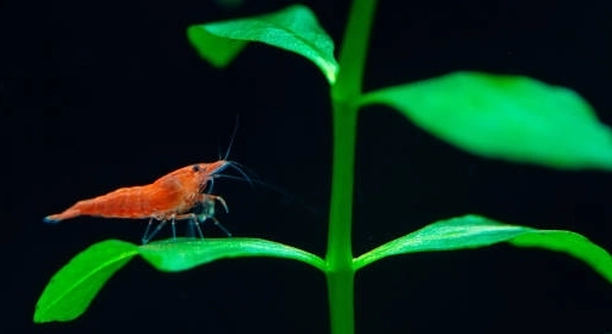
Are your cherry shrimp ignoring the food you carefully place in their tank? Many shrimp owners face this frustrating issue, especially when their tanks appear clean and their pets seem otherwise healthy and active.
Cherry shrimp may refuse food due to a combination of environmental stress, water quality issues, improper diet, molting cycles, overcrowding, disease, or sudden changes in their habitat. Each factor can significantly influence feeding behavior and overall shrimp health.
Understanding the reasons behind this behavior will help you provide a healthier, more balanced environment for your shrimp. Identifying and correcting these issues ensures your pets thrive in their aquatic home.
Water Quality Issues
Poor water quality is a leading reason cherry shrimp stop eating. High levels of ammonia, nitrites, or nitrates can stress your shrimp, making them lose interest in food. pH imbalances, extreme temperatures, and lack of oxygen also affect appetite. Shrimp are highly sensitive to changes in their environment. Even small fluctuations can cause them to hide or refuse food. Regular testing and maintenance are essential. Make sure to perform partial water changes to keep conditions stable. Using dechlorinated water and monitoring temperature helps maintain a suitable habitat. Overfeeding or decaying food can worsen water quality, making it unsafe for shrimp. Maintaining clean substrate and healthy plants can reduce waste buildup. A stable, clean tank promotes natural behavior and encourages feeding. Shrimp respond quickly to improvements, often resuming normal eating patterns within a few days of correcting water conditions. Observation is key to catching issues early.
Proper water maintenance directly impacts shrimp appetite and health. Clean, balanced water encourages regular feeding.
Consistent care reduces stress and supports normal molting, reproduction, and activity. When water is kept stable, shrimp are more likely to explore the tank and accept various foods. A well-maintained environment also minimizes the risk of disease, supporting long-term health. Monitoring water parameters regularly ensures that any changes are caught early, preventing extended periods of starvation or weakened immunity. Adding live plants can help stabilize conditions while providing natural grazing areas. Adjusting feeding amounts and frequency according to shrimp population prevents overfeeding and nutrient imbalances. Observing shrimp behavior after water adjustments can help confirm the cause of appetite loss and guide further care.
Diet and Food Preferences
Cherry shrimp may reject food that does not meet their nutritional needs.
Shrimp require a balanced diet, including algae, biofilm, vegetables, and specialized pellets. Feeding only one type of food can lead to selective eating. Offering a variety of options encourages consistent consumption. Rotating foods ensures they receive proper nutrients. Shrimp may ignore food that is stale, too large, or sinks too quickly. Observing which foods your shrimp prefer helps prevent waste. Incorporating blanched vegetables like zucchini or spinach can boost appetite. Pellets designed for shrimp provide protein and essential vitamins. Introducing new foods gradually allows shrimp to adjust without stress. Feeding smaller amounts more frequently reduces water contamination and makes food more accessible. Over time, shrimp develop predictable feeding habits that improve overall health and growth.
A varied and carefully monitored diet is crucial for maintaining shrimp appetite and vitality. Consistent observation helps identify preferences and deficiencies.
Balancing shrimp nutrition requires attention to food type, texture, and frequency. Biofilm naturally forming in the tank serves as a critical source of nutrients, but supplemental foods fill gaps in protein, fiber, and minerals. Blanched vegetables offer vitamins that shrimp cannot obtain from pellets alone, and rotating foods prevents boredom and selective feeding. Shrimp may also respond differently to food based on age, molting cycles, or population density. Feeding small portions prevents leftover food from decaying and altering water quality, which can indirectly affect appetite. Tracking consumption patterns helps adjust portions and food types as needed. A combination of live, plant-based, and pellet foods ensures shrimp receive a complete diet while encouraging regular feeding behavior. Proper diet management strengthens immunity, supports reproduction, and enhances color and vitality.
Molting Stress
Shrimp often stop eating before and after molting.
During molting, their exoskeleton softens, leaving them vulnerable. Shrimp reduce activity and avoid food to conserve energy and protect themselves from potential threats.
Molting is a delicate process. Stress from poor water quality, sudden temperature shifts, or overcrowding can intensify feeding refusal. Providing hiding spots like plants or decorations helps them feel secure. After molting, shrimp need time to harden their new exoskeleton, during which appetite may remain low. Maintaining stable tank conditions and minimizing disturbances supports healthy molting and encourages feeding once they recover. Observing behavior during this period can help you distinguish molting stress from other health issues.
Overcrowding
Overcrowded tanks reduce shrimp appetite and increase competition for resources.
High population density raises stress levels and makes shrimp hesitant to feed. Limited space and increased interaction can lead to aggression or hiding.
Overcrowding impacts water quality, further reducing feeding behavior. Waste accumulation leads to higher ammonia and nitrate levels, creating an unsafe environment. Shrimp may also struggle to find food when many are competing at the same time, causing some to be undernourished. Separating populations or reducing numbers can alleviate these problems. Providing sufficient hiding spots and feeding in multiple areas helps all shrimp access nutrition. Maintaining an appropriate shrimp-to-tank ratio promotes natural behavior and reduces stress, ultimately improving appetite. Observing feeding patterns and behavior helps determine if overcrowding is affecting the shrimp.
Disease and Parasites
Diseased shrimp often refuse food.
Parasites or bacterial infections can weaken their immune system, reducing appetite.
Sudden Environmental Changes
Shrimp are sensitive to sudden changes in temperature, light, or water chemistry. These shifts can shock them, causing temporary food refusal and stress.
Stress from Tank Mates
Aggressive or larger tank mates can intimidate shrimp.
Shrimp may hide or avoid feeding to escape confrontation, especially in tanks with active fish or other crustaceans.
Why won’t my cherry shrimp eat at all?
Cherry shrimp may stop eating due to stress, poor water quality, molting, or disease. Environmental factors like sudden temperature changes or overcrowding also play a role. Checking water parameters, observing behavior, and ensuring a clean, stable habitat can help identify the issue.
Can molting affect feeding habits?
Yes, shrimp often reduce or completely stop eating during molting. Their soft exoskeleton makes them vulnerable, and hiding or avoiding food is natural. After molting, it may take a few days for them to resume normal feeding patterns. Providing secure hiding spots helps reduce stress.
How do I know if water quality is the problem?
Testing ammonia, nitrites, nitrates, and pH levels is essential. High levels of toxins or sudden shifts in temperature can cause feeding refusal. Regular partial water changes and maintaining stable conditions encourage appetite and prevent long-term health issues.
What foods are best to encourage eating?
A varied diet works best. Provide algae, biofilm, blanched vegetables, and shrimp-specific pellets. Rotating food types ensures balanced nutrition. Avoid overfeeding, as leftover food can decay, harming water quality and further reducing appetite. Observing preferences helps tailor the diet.
Can overcrowding stop shrimp from eating?
Yes, high population density increases stress and competition for food. Some shrimp may hide or be pushed aside while others feed. Reducing numbers or increasing hiding spots ensures all shrimp have access to food. Feeding in multiple areas can improve overall consumption.
Could tank mates be causing feeding issues?
Aggressive or larger tank mates intimidate shrimp, causing them to hide and avoid food. Observing interactions and separating shrimp from aggressive species can restore normal feeding habits. Ensuring a peaceful environment reduces stress and encourages regular eating behavior.
How do I prevent disease from affecting appetite?
Maintaining clean water and stable conditions is key. Quarantining new shrimp, avoiding overfeeding, and monitoring behavior can prevent infections. Diseased shrimp often refuse food, so early intervention improves recovery and reduces the risk of spreading illness.
What role does stress play in feeding?
Stress from frequent handling, loud noises, or abrupt changes in lighting can make shrimp refuse food. Minimizing disturbances, providing hiding places, and keeping a calm environment encourages natural feeding patterns and overall well-being.
How long is it normal for a shrimp to go without eating?
Shrimp can skip food for a few days, especially during molting or minor stress. Extended periods without feeding, beyond a week, indicate underlying issues such as poor water quality, disease, or improper diet. Monitoring behavior and correcting environmental problems helps prevent starvation.
Can changing foods help shrimp start eating again?
Yes, introducing new foods gradually can stimulate appetite. Offering fresh vegetables, biofilm, or high-quality pellets often encourages reluctant shrimp. Rotating foods prevents selective feeding, ensures balanced nutrition, and can restore interest in eating for shrimp experiencing temporary appetite loss.
Is it possible that shrimp stop eating due to tank maintenance?
Yes, sudden changes during water changes, cleaning, or rearranging the tank can stress shrimp. Performing gradual water adjustments and maintaining consistency in their environment helps reduce stress and keeps feeding habits stable. Observing shrimp closely after maintenance is important for quick intervention.
How do I encourage shy shrimp to eat?
Providing hiding spots and feeding in areas where they feel secure encourages shy shrimp to eat. Small portions placed near plants or decorations allow them to access food without exposure to perceived threats. Patience and consistency improve feeding response over time.
Can temperature fluctuations impact feeding?
Shrimp are sensitive to temperature changes. Rapid increases or drops can make them stop eating. Maintaining a stable, appropriate temperature range supports appetite, activity, and overall health. Using a reliable heater and thermometer ensures consistent conditions for shrimp.
Are there signs that shrimp are undernourished?
Shrimp that refuse food for extended periods may appear lethargic, pale, or smaller in size. Monitoring color, activity, and growth helps determine if dietary adjustments or environmental changes are needed to restore health and appetite.
How often should I feed cherry shrimp?
Feeding small portions once or twice daily is ideal. Excess food should be removed to prevent decay and maintain water quality. Observing consumption patterns helps adjust feeding amounts, ensuring shrimp receive adequate nutrition without compromising tank conditions.
Cherry shrimp are delicate creatures with specific needs, and their eating habits can reveal a lot about their overall health. Observing a shrimp refusing food is not uncommon, and it does not always indicate a severe problem. Often, small adjustments in their environment, diet, or tank conditions can help restore normal feeding behavior. Maintaining stable water quality, including proper pH, temperature, and low levels of ammonia and nitrates, is essential. Stress from sudden changes, overcrowding, or aggressive tank mates can make shrimp hesitant to eat, so minimizing disturbances and providing plenty of hiding spots allows them to feel secure and more willing to feed.
Diet plays a critical role in keeping cherry shrimp healthy and active. A balanced, varied diet encourages consistent eating and supports growth, molting, and reproduction. Shrimp naturally graze on biofilm, algae, and decaying plant matter in the tank, but supplementation with blanched vegetables or high-quality shrimp pellets ensures they receive essential nutrients. Rotating food types prevents selective eating, while smaller, more frequent meals reduce leftover waste, which could otherwise deteriorate water quality. Observing which foods your shrimp prefer and how they respond to different types can provide valuable insights into their needs. Proper nutrition also helps shrimp recover faster from molting or minor stress and strengthens their immunity against disease.
Understanding why cherry shrimp refuse food requires attention to their behavior and environment. Molting, disease, poor water conditions, and stress from tank dynamics are the main factors that influence feeding patterns. Patience and careful observation are key to identifying the cause and providing appropriate solutions. Simple measures such as regular water testing, gradual adjustments during tank maintenance, feeding in safe, accessible locations, and offering a variety of nutritious foods can make a significant difference. By providing a stable, supportive habitat, you not only encourage consistent feeding but also promote the long-term health, color, and vitality of your shrimp, ensuring they remain active and thriving in your aquarium.

Hello,
If you enjoy the content that we create, please consider saying a "Thank You!" by leaving a tip.
Every little bit helps us continue crafting quality advice that supports the health, happiness, and well-being of pets around the world, for pets of all shapes, sizes, and species.
We really appreciate the kindness and support that you show us!