
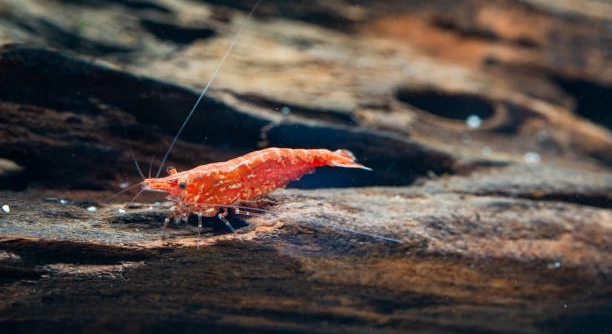
Have you ever watched your cherry shrimp move around in their tank and felt a sense of connection? These tiny creatures often capture attention with their bright colors and delicate movements. Many aquarium owners enjoy observing them closely.
Cherry shrimp do not have the neurological capacity to feel emotions or recognize when they are being watched. Their behavior is driven by instincts, such as feeding and hiding, rather than awareness of human observation or attention.
Observing their behavior can still be relaxing and informative, offering insights into their habits and how to care for them properly.
How Cherry Shrimp React to Their Environment
Cherry shrimp respond mostly to changes in their surroundings. They notice movement, light, and water conditions, which influence their behavior. For example, sudden shadows or vibrations can make them hide or swim quickly. They are very sensitive to water quality, including temperature, pH, and ammonia levels. Maintaining stable conditions helps them feel secure and active. Watching them adjust to minor changes in the tank can be fascinating. Their natural instincts are focused on feeding, avoiding predators, and reproducing. Even small decorations or plants can affect where they choose to explore. Observing these reactions provides a better understanding of their basic needs. Over time, it becomes easier to notice subtle differences in their behavior. This knowledge can improve tank setup and care. It is also helpful in spotting potential health issues before they become serious, as changes in movement or activity can indicate stress or illness. Consistent observation is key to maintaining healthy shrimp.
Their movements are instinctive, not emotional. They react, but they don’t understand being watched.
Proper care involves stable water, adequate hiding spots, and regular feeding. Monitoring these factors ensures healthy, active shrimp, and observing them can be calming and educational for anyone who keeps a tank.
Signs of Stress in Cherry Shrimp
Stress in cherry shrimp can appear as erratic swimming or hiding more often than usual.
Stress can be caused by poor water quality, lack of shelter, or sudden changes in temperature. Overcrowding or aggressive tankmates also increases stress levels. When shrimp are stressed, their color may fade, and they may stop eating. Long-term stress can weaken their immune system, making them more prone to disease. Providing plenty of plants and hiding spaces helps them feel safe. Regular water testing and gentle tank maintenance reduce sudden changes that can trigger stress. Observing behavior daily allows you to notice small changes before they become serious. Feeding small amounts consistently prevents overfeeding and helps maintain water quality. Gradual acclimation to new tank conditions also supports their well-being. Stress signs are subtle, but careful observation improves shrimp health. Taking simple steps to reduce stress ensures they remain active and maintain vibrant coloration. Keeping track of behavior changes over time provides insight into overall tank conditions and shrimp health.
Feeding Behavior and Interaction
Cherry shrimp feed constantly on biofilm, algae, and small detritus in the tank. They move slowly, picking at surfaces with their tiny claws. Observation shows they rarely compete aggressively, instead sharing food areas calmly. Feeding times are predictable and follow natural rhythms.
They tend to explore surfaces thoroughly, scraping algae and other microorganisms. Their tiny legs and antennae help them detect edible particles. They sometimes hover near plants or decorations to find hidden food. Shrimp can be observed cleaning leaves or glass, which benefits tank maintenance. They rarely overeat, consuming only what they can handle in small portions, making them efficient cleaners. Feeding habits are consistent, and observation helps ensure they receive balanced nutrition.
Cherry shrimp may cluster in areas with more food, moving together but not interacting socially like higher animals. Their “interaction” is mostly coincidental presence during feeding rather than communication. Even in crowded tanks, they maintain individual space while foraging. Watching them feed provides insight into natural behavior and reinforces the importance of maintaining water quality and providing diverse surfaces for grazing. Regular observation ensures that shy or smaller shrimp are not excluded from feeding.
Tank Setup and Comfort
Plants, rocks, and hiding spaces are essential for cherry shrimp to feel secure. They prefer areas with gentle water flow and shaded spots.
Providing a variety of hiding spots reduces stress and encourages natural behavior. Live plants improve water quality and offer surfaces for grazing. Open swimming areas allow shrimp to move freely, while moss and leaves provide cover. Consistent water temperature and minimal sudden changes help maintain activity levels. Proper filtration prevents debris buildup, which can otherwise affect shrimp health. Observing them navigate the tank shows which areas they prefer and helps optimize the layout.
Decorations and substrate also influence shrimp comfort. Smooth surfaces prevent injury, while rough surfaces allow biofilm growth. Layers of leaf litter or moss create microhabitats for molting and resting. Shrimp may hide more often during molting, so providing adequate cover ensures safe shedding. Water quality stability is crucial, as ammonia or nitrite spikes can make shrimp retreat and become lethargic. Careful arrangement of plants and decorations balances hiding spaces with open areas for movement. Observing behavior in different tank sections helps identify preferences, guiding adjustments to optimize comfort and encourage healthy activity.
Light and Visibility
Cherry shrimp are sensitive to bright light and sudden changes. Soft lighting encourages natural activity and prevents stress. Observing them under gentle light allows you to see their colors clearly without startling them.
Too much direct light can make shrimp hide constantly. Positioning the tank to avoid harsh sunlight or using adjustable LED lights creates a comfortable environment.
Molting and Growth
Molting is a regular part of cherry shrimp life. They shed their exoskeleton to grow, leaving behind a fragile shell. During this time, they may hide more than usual, avoiding open spaces. Providing hiding spots ensures safety during molting. Healthy water conditions and adequate nutrition support regular molting. Observing molting patterns can indicate overall shrimp health, and skipped or irregular molts may signal stress or poor water quality. Calcium-rich foods and stable conditions encourage successful molting. By keeping track of their molting schedule, you can ensure shrimp develop fully and maintain vibrant coloration, reflecting proper care and habitat setup.
Social Behavior
Cherry shrimp are mostly peaceful and avoid aggressive interactions. Their social structure is minimal, focusing on feeding and reproduction.
FAQ
Can cherry shrimp recognize their owners?
Cherry shrimp do not have the cognitive ability to recognize humans. Their brains are too simple to form visual associations with people. They respond to movement or vibrations near the tank, but this is a reflexive reaction, not recognition or emotional attachment.
Do cherry shrimp feel pain?
While shrimp have nerve cells and respond to harmful stimuli, they lack the brain structures necessary for experiencing pain like mammals. Their reactions are instinctive survival mechanisms, not conscious suffering. Avoid causing stress, but do not worry about them feeling pain in the human sense.
Why do cherry shrimp hide when I approach the tank?
Shrimp are naturally cautious creatures. Sudden movement, vibrations, or shadows trigger hiding instincts. Hiding is a protective behavior, not a response to being “watched.” Over time, they may appear less skittish if movement around the tank is calm and predictable.
How often should I feed cherry shrimp?
Small, frequent feedings are best. Overfeeding can pollute the water, while underfeeding slows growth. A balanced diet of algae, biofilm, and occasional shrimp pellets ensures proper nutrition. Observing their feeding habits helps adjust portions to match tank population.
Do cherry shrimp interact with each other?
Interaction is limited to basic social behavior. They may cluster in feeding areas or explore the same hiding spots, but these actions are based on survival needs, not social bonding or emotional connections.
Why do cherry shrimp change color?
Color changes are influenced by genetics, diet, water quality, and stress. Vibrant colors indicate health and proper care, while fading can signal stress, poor nutrition, or water issues. Regular observation helps maintain ideal tank conditions.
Can cherry shrimp survive alone?
They can survive alone, but keeping multiple shrimp encourages natural behavior like grazing together. A small group also reduces stress from perceived isolation and creates a more dynamic tank environment.
How long do cherry shrimp live?
The average lifespan is about one to two years, depending on care, water quality, and diet. Maintaining stable conditions and minimizing stress increases longevity. Regular monitoring of water parameters helps extend their life.
Is tank size important for cherry shrimp?
Yes. While they are small, adequate space allows free movement, prevents overcrowding, and reduces stress. A well-planted tank with multiple hiding spots supports health and encourages natural behavior.
What water conditions are ideal?
Stable water parameters are essential. A pH between 6.5 and 7.5, temperature around 68–78°F, and low ammonia, nitrite, and nitrate levels provide a healthy environment. Regular testing and gentle maintenance prevent sudden changes that can stress shrimp.
How can I tell if my shrimp are healthy?
Active movement, consistent feeding, bright coloration, and regular molting are signs of good health. Lethargy, faded color, or missing molts may indicate stress or poor water quality. Observing behavior daily allows early detection of problems.
Can cherry shrimp survive with other fish?
Small, peaceful fish are compatible, but aggressive or large fish can stress or eat shrimp. Providing plenty of hiding spots ensures safety and reduces the risk of predation. Observation is key to maintaining a harmonious tank environment.
Do cherry shrimp reproduce easily in home tanks?
Yes, under proper conditions. Stable water quality, ample hiding spots, and a well-balanced diet encourage breeding. Females carry eggs under their tails, and juveniles grow in the same tank if conditions remain stable. Observing reproduction provides insight into their health and tank quality.
How can I reduce shrimp stress?
Minimize sudden movements, maintain stable water conditions, provide hiding spaces, and avoid overcrowding. Gentle feeding and regular tank maintenance create a calm environment, allowing shrimp to display natural behaviors without constant hiding or erratic movement.
Are there signs of illness I should watch for?
Lethargy, loss of color, missing molts, or abnormal swimming may indicate disease or poor water quality. Promptly addressing water conditions and nutrition can prevent long-term health issues. Regular observation ensures early detection and intervention.
Do cherry shrimp enjoy being observed?
They do not experience enjoyment as humans do. They may seem curious or active when people watch, but this is a reaction to environmental stimuli rather than emotional response. Observation mainly allows owners to monitor health and behavior.
Cherry shrimp are fascinating creatures to watch, even if they do not have the ability to feel or recognize when humans are observing them. Their behavior is guided mostly by instincts, such as searching for food, hiding from potential threats, and reproducing. Understanding these basic instincts can make keeping them in a home aquarium much more rewarding. Observing how they explore surfaces, graze on algae, and interact with their environment gives insight into their natural behavior. While they may appear curious or active when people are nearby, these responses are simply reactions to movement, light, or vibrations in the water. Knowing this helps manage expectations and reminds us that their actions are not based on awareness or emotion, but on survival and comfort.
Providing a suitable habitat is essential for their health and activity. A well-planted tank with hiding spots, smooth surfaces, and gentle water flow allows shrimp to move freely while feeling secure. Water quality is critical, as sudden changes in temperature, pH, or ammonia levels can stress them and cause changes in behavior. Feeding them small amounts regularly ensures they get the nutrients they need without polluting the tank. Observing feeding habits, molting patterns, and activity levels gives clues about their well-being. Attention to these details creates a stable and comfortable environment, which encourages natural behavior and supports longer, healthier lives. Taking time to notice subtle shifts in color, activity, or molting success helps anticipate and address problems before they become serious.
Even though cherry shrimp do not experience emotions or enjoy attention, they provide a quiet source of observation and relaxation for those who keep them. Watching their slow, methodical movements, exploring plants, and grazing on biofilm can be calming and meditative. Keeping a shrimp tank encourages consistent care, attention to water quality, and a structured environment. This creates not only a healthy space for the shrimp but also a peaceful and enjoyable experience for the keeper. By understanding their needs and natural instincts, owners can maintain a thriving tank, appreciate the subtle details of shrimp behavior, and feel a sense of satisfaction in providing proper care. Observing their habits, maintaining proper conditions, and ensuring their safety contributes to both shrimp well-being and a positive, rewarding experience for anyone who enjoys keeping them.

Hello,
If you enjoy the content that we create, please consider saying a "Thank You!" by leaving a tip.
Every little bit helps us continue crafting quality advice that supports the health, happiness, and well-being of pets around the world, for pets of all shapes, sizes, and species.
We really appreciate the kindness and support that you show us!