
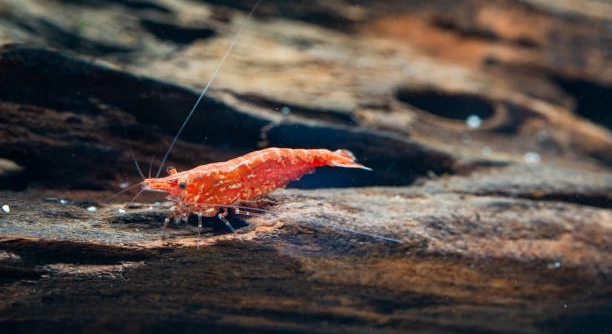
Do you ever find yourself watching your aquarium and noticing the tiny cherry shrimp moving slowly along the plants? These small creatures are fascinating to observe, and their behaviors can sometimes be puzzling.
Cherry shrimp do sleep, though not in the same way mammals do. They experience short periods of rest during which their activity decreases, their movements slow, and they often remain still in hidden or sheltered areas of the tank.
Observing their quiet moments can reveal interesting details about their daily routines and overall health, offering a closer connection to these delicate aquatic pets.
How Cherry Shrimp Rest
Cherry shrimp rest in short bursts throughout the day, often lasting a few minutes at a time. During these moments, they remain mostly still, clinging to plants, rocks, or tank surfaces. Their antennae may continue to move slightly, sensing the surroundings, but their body movements slow noticeably. Rest periods help them conserve energy and maintain overall health. In well-maintained aquariums, shrimp will develop consistent resting habits, usually during quieter times when the tank is less active. Observing them closely, you might notice that their colors sometimes appear slightly muted during these rest phases, which is normal. Proper lighting schedules also influence their rest patterns, as shrimp tend to rest more during darker periods. Providing hiding spots such as moss, plants, or small caves allows them to feel secure, making rest more frequent and natural. Over time, these small routines contribute to the shrimp’s longevity and activity balance in the tank.
Cherry shrimp need safe, shaded areas to rest. Hiding spots increase their comfort and allow for more natural resting patterns.
Monitoring their resting spots and behavior helps detect health issues early. Consistent rest indicates a stress-free environment, while erratic movements may signal tank problems. Watching these patterns over time allows for adjustments in lighting, water parameters, and tank layout to support their natural cycles. By ensuring adequate cover and observing activity levels, owners can create a stable and healthy habitat. Resting behavior is subtle, but attentive observation reveals much about shrimp wellbeing, including how they respond to changes in temperature or water quality. Adjusting feeding schedules around their active and resting periods can also enhance their overall health. Over time, small changes in their behavior may highlight shifts in the tank environment, making consistent monitoring an essential practice for anyone keeping cherry shrimp.
Recognizing Sleep Patterns
Cherry shrimp slow down and remain still when resting. This subtle change in movement is the main indicator of sleep.
Identifying sleep patterns requires attention to their daily activity. Shrimp often have predictable periods of activity and rest influenced by light cycles, tank noise, and feeding schedules. Unlike larger pets, their sleep is brief and fragmented, making it easy to miss. Observing them over several days helps establish these patterns. Changes in sleep behavior can indicate stress, water quality issues, or health problems. For example, shrimp that fail to rest properly may be disturbed by aggressive tankmates or insufficient hiding spots. Offering plants, moss, or small decorations encourages natural rest behavior. Over time, noting when and where they choose to rest allows owners to optimize tank conditions, reduce stressors, and maintain a stable environment. Consistent observation is key, as subtle shifts in movement and position are the primary clues to understanding how cherry shrimp rest.
Signs Your Cherry Shrimp is Sleeping
Cherry shrimp often tuck themselves into plants or decorations when resting. Their movements slow significantly, and their antennae may barely twitch. Observing these subtle cues is the best way to tell they are sleeping rather than hiding or feeding.
During rest, cherry shrimp maintain a low profile. They rarely swim actively and tend to cling to surfaces with minimal motion. Their coloration may appear slightly duller, though this is temporary and normal. Rest periods are short and scattered throughout the day, usually lasting a few minutes at a time. Stress or changes in water conditions can disrupt these patterns, causing shrimp to hide excessively or move irregularly. Providing consistent light cycles and quiet areas encourages regular resting behavior. By watching their body posture and activity, owners can identify when shrimp are resting versus simply exploring or feeding, allowing for better care of their tank environment.
Resting locations vary by individual shrimp. Some prefer the shaded corners of the tank, while others rest on moss or plant leaves. Hiding in secure spots reduces stress and allows them to recover energy. Observing where they rest can help ensure the tank provides enough cover and quiet zones, which contributes to overall health and longevity.
Factors Affecting Cherry Shrimp Sleep
Water quality and temperature directly impact rest periods. Poor conditions can cause irregular sleep or stress-related behaviors.
Stable water parameters are essential for regular sleep cycles. Fluctuations in temperature, pH, or ammonia levels disrupt their rest and can reduce activity during awake periods. Providing clean, well-filtered water supports both health and natural behavior. Lighting schedules also play a crucial role. Cherry shrimp respond to light and dark cycles, usually resting more during dim or dark periods. Excessive tank disturbances, such as frequent tapping or sudden movements, can interrupt rest and increase stress. Diet also affects sleep, as underfed shrimp may remain active searching for food, while overfeeding can create poor water quality, indirectly disturbing sleep. Ensuring proper tank conditions, balanced feeding, and minimal stress helps maintain predictable and healthy rest patterns, allowing shrimp to thrive and display normal behaviors consistently.
When Cherry Shrimp Sleep
Cherry shrimp often choose quiet, sheltered spots when resting. They slow their movements and remain mostly still, relying on plants, moss, or tank decorations for security during these brief rest periods.
Their antennae may continue to move slightly, sensing the environment. This subtle activity shows they are resting, not inactive from illness or stress.
Light and Sleep Cycles
Lighting greatly influences cherry shrimp sleep. They are more active during brighter periods and tend to rest when the tank is dim or dark. Consistent light schedules encourage predictable activity and rest, helping shrimp maintain healthy energy levels. Overly bright or constantly changing lighting can disrupt natural sleep patterns, causing stress.
Sleep Duration
Cherry shrimp rest in short intervals throughout the day, typically lasting a few minutes. These frequent breaks help them conserve energy without fully shutting down activity.
Observing Behavior
Monitoring movement, posture, and resting locations provides insight into shrimp wellbeing. Changes can indicate stress, water issues, or health concerns.
FAQ
Do cherry shrimp sleep at night?
Cherry shrimp do not follow a strict night-and-day sleep schedule like humans. They rest in short intervals throughout the day and night, often during quieter moments. Their sleep is more about conserving energy than following a circadian rhythm. Observing your tank, you might notice they rest more during darker periods, but brief rests occur at any time.
How long do cherry shrimp sleep?
Sleep periods for cherry shrimp are short, usually only a few minutes at a time. They take multiple rests throughout the day instead of one long sleep. These brief intervals are enough to help them conserve energy and maintain normal activity. A single shrimp may rest dozens of times in a 24-hour period.
Where do cherry shrimp usually rest?
They prefer sheltered areas, including plants, moss, decorations, or corners of the tank. Resting in hidden spots helps them feel secure and reduces stress. Shrimp will cling to surfaces or hide under leaves, often remaining very still. Observing these spots gives insight into their behavior and comfort levels.
Do cherry shrimp close their eyes when sleeping?
No, cherry shrimp do not have eyelids, so their eyes remain open at all times. You can tell they are resting by their slowed movements and still posture rather than eye closure. Antennae movement may continue slightly, helping them sense surroundings even while resting.
Does lighting affect shrimp sleep?
Yes, light plays an important role in their activity. They tend to rest more during dim or dark periods and are more active under brighter light. Consistent light schedules help maintain predictable sleep and activity patterns. Sudden changes in lighting or very bright conditions can stress shrimp and interrupt rest.
Can stress affect their sleep?
Stress significantly impacts rest. Aggressive tankmates, frequent disturbances, or poor water quality can cause irregular sleep or constant hiding. Ensuring quiet areas, stable water parameters, and adequate hiding spots supports natural rest patterns and overall health.
Do shrimp sleep in groups or alone?
Cherry shrimp may rest individually or in small groups depending on comfort and tank space. Each shrimp chooses its own hiding spot but may cluster in areas with plenty of cover. Group resting does not mean they are inactive together; each shrimp still takes independent, short rests.
How can I tell if my shrimp is not resting properly?
Signs include constant movement, lack of hiding, or unusual behavior such as frantic swimming. Disrupted sleep often indicates stress, poor water quality, or insufficient shelter. Addressing tank conditions, providing cover, and maintaining proper feeding schedules helps restore normal rest patterns.
Does age affect sleep patterns?
Yes, younger shrimp tend to rest less as they are more active and constantly searching for food. Older shrimp may take longer or more frequent rests to conserve energy. Observing differences helps understand the needs of shrimp at various life stages.
Do shrimp ever stay completely still?
While resting, they rarely become completely motionless. Slight movements of antennae or minor shifts in body position continue even during sleep. This is normal and helps them remain aware of potential threats while still conserving energy.
Can feeding schedules influence sleep?
Feeding can impact activity and rest. Shrimp often become more active around feeding times, reducing rest periods. Overfeeding can degrade water quality, indirectly disturbing rest, while underfeeding may increase constant searching behavior, limiting their rest intervals.
Are there signs of healthy sleep in shrimp?
Healthy sleep is indicated by regular, short rest periods, use of hiding spots, and calm, predictable movements. Shrimp that follow consistent activity and resting cycles are generally well-adjusted and not stressed. Irregular sleep or erratic behavior suggests adjustments to the tank environment may be needed.
How does tank size affect sleep?
Larger tanks provide more hiding spots and allow shrimp to rest without disturbance. Smaller tanks may limit secure areas, causing more frequent hiding or interrupted rest. Ensuring plants, moss, and decorations in any tank size helps support natural sleep behavior.
Is it normal for shrimp to rest during the day?
Yes, they rest in brief intervals throughout the day. Unlike mammals, shrimp do not have a fixed sleep schedule. Daytime rest is natural and should not be mistaken for illness, especially when hiding in shaded or quiet spots.
Do shrimp ever sleep in unusual positions?
Sometimes shrimp cling to surfaces at odd angles while resting. These positions are normal as long as movement slows and they appear relaxed. Unusual posture combined with frantic movement or erratic behavior, however, may indicate stress or health issues.
How important is observing sleep for tank care?
Monitoring sleep provides insight into shrimp wellbeing. Changes in resting habits can indicate water issues, stress, or disease. Attentive observation helps adjust lighting, water parameters, and tank layout to maintain a healthy environment and encourage natural behaviors.
Final Thoughts
Cherry shrimp are delicate creatures, and observing their behavior can be both fascinating and informative. Understanding their sleep patterns is an important part of caring for them properly. Unlike mammals, cherry shrimp do not have long, continuous sleep periods. Instead, they take short, frequent rests throughout the day and night. During these rest periods, their movements slow, they often hide in plants or decorations, and their antennae may continue to move slightly. These small moments of rest are essential for conserving energy and maintaining overall health. Recognizing these behaviors can help tank owners better understand their shrimp’s needs and adjust their environment to support natural cycles.
Maintaining consistent tank conditions plays a significant role in how cherry shrimp rest. Stable water temperature, proper filtration, and regular maintenance help reduce stress, which in turn encourages normal resting behavior. Lighting schedules are equally important, as shrimp tend to rest more during dim or dark periods. Providing hiding spots, such as moss, plants, and small tank decorations, allows shrimp to feel secure while resting. Without these areas, shrimp may struggle to rest properly and show signs of stress. Additionally, feeding routines affect activity and sleep patterns. Overfeeding can negatively impact water quality, while underfeeding can lead to constant searching for food, reducing rest periods. By paying attention to these details, tank owners can create a balanced environment that supports healthy sleep and overall wellbeing.
Observing cherry shrimp resting habits also offers insight into their health and comfort levels. Regular, short periods of stillness, use of hiding spots, and calm movements generally indicate that shrimp are healthy and stress-free. Conversely, disrupted rest, constant movement, or hiding in unusual locations may signal environmental issues or stress. Watching how shrimp behave over time can highlight subtle changes in tank conditions, such as water quality fluctuations, lighting issues, or overcrowding. This attention to detail allows for timely adjustments to maintain a stable habitat. Understanding shrimp sleep and behavior not only helps ensure their wellbeing but also makes caring for these small aquatic animals more rewarding. By providing a secure, well-maintained environment and monitoring their rest patterns, tank owners can support the health, longevity, and natural behaviors of their cherry shrimp while enjoying the subtle, intriguing activities these tiny creatures display every day.

Hello,
If you enjoy the content that we create, please consider saying a "Thank You!" by leaving a tip.
Every little bit helps us continue crafting quality advice that supports the health, happiness, and well-being of pets around the world, for pets of all shapes, sizes, and species.
We really appreciate the kindness and support that you show us!