
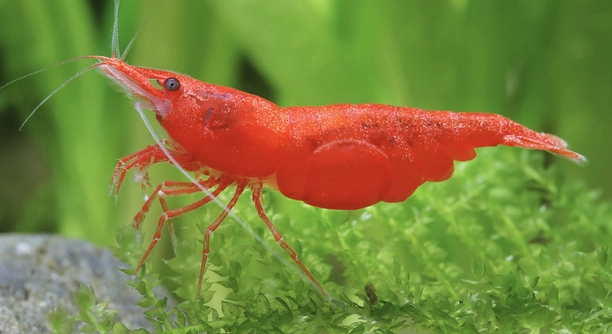
Are your cherry shrimp not growing as expected despite your care and attention? Many hobbyists experience slow or stunted growth, which can be frustrating. Understanding the underlying causes can help you create a healthier environment for your shrimp.
Cherry shrimp may fail to grow due to a variety of factors including inadequate nutrition, poor water quality, overcrowding, insufficient hiding spots, stress from tank mates, improper temperature, or lack of essential minerals necessary for molting and development.
Knowing what affects their growth will help you take steps to improve their health and ensure your shrimp thrive in your aquarium.
Poor Water Quality
Maintaining stable water conditions is crucial for cherry shrimp growth. They are sensitive to sudden changes in pH, ammonia, nitrite, or nitrate levels. Even small fluctuations can stress them, slowing their growth. Regular water testing and partial water changes help maintain a safe environment. Filtration is also important, but strong currents should be avoided as shrimp prefer calm areas. Uneaten food and decaying plants can pollute the tank, increasing harmful chemicals. Using a gentle sponge filter or low-flow filter can protect both shrimp and their young. Temperature consistency is another factor, as extreme changes can shock their system. Shrimp are also sensitive to chlorine and chloramines, so always use a water conditioner. Avoid overcrowding, as too many shrimp in a small tank can worsen water quality. Plants and hiding spaces help shrimp feel secure, reducing stress and promoting molting. Overall, a clean, stable environment is the foundation for healthy growth.
Regular water checks and partial changes will keep shrimp safe and support their development effectively.
Keeping water clean not only ensures survival but also encourages faster molting and growth. Shrimp can molt more frequently in stable water conditions, absorbing necessary nutrients for exoskeleton development. Plants, moss, and driftwood provide surfaces for biofilm, which is a natural food source. A well-maintained substrate prevents the buildup of harmful bacteria. Temperature stability also plays a role; fluctuations can slow metabolism, delaying growth. By controlling water parameters carefully, you create an environment where shrimp can thrive naturally, grow consistently, and display their full coloration. Attention to water quality is essential for maintaining an aquarium where shrimp feel secure and healthy, making the tank a balanced ecosystem.
Inadequate Nutrition
Providing a varied diet is essential for cherry shrimp to grow properly. They need foods rich in protein, minerals, and vitamins. Relying only on flakes or pellets can lead to deficiencies. Natural foods like algae, biofilm, blanched vegetables, and specialized shrimp food are important. Offering a mix of these ensures they get essential nutrients. Overfeeding should be avoided as leftover food can foul the water. Feeding small amounts frequently is better than one large portion. Observing shrimp as they feed helps determine if they are getting enough. Young shrimp benefit from powdered or finely crushed foods they can easily consume. Supplements like calcium are critical for proper molting. By paying attention to their diet, you support both growth and overall health, ensuring shrimp develop strong shells and vibrant color.
Balanced nutrition ensures shrimp remain healthy and reach their growth potential consistently.
A consistent diet with essential nutrients directly influences growth rates and molting frequency. Protein supports tissue development, while calcium strengthens the exoskeleton. Providing varied foods encourages natural foraging behavior and prevents boredom. Live or blanched plants, algae wafers, and biofilm give shrimp opportunities to obtain nutrients they might miss in commercial foods. Observing feeding patterns helps identify weaker or smaller shrimp that may need extra attention. Avoiding overfeeding keeps water clean and reduces stress on the tank ecosystem. Supplements can fill gaps in essential minerals, helping prevent deformities or slow growth. A nutrient-rich diet works best when paired with stable water conditions and adequate hiding spots. Together, these factors create an environment where shrimp grow steadily, maintain strong shells, and display healthy, vibrant coloration. Proper feeding practices are key to long-term shrimp well-being.
Overcrowding
Too many shrimp in a small tank can limit growth. Overcrowding increases stress, reduces food availability, and causes poor water quality, all of which hinder development and molting.
High population density leads to competition for space and resources. Shrimp need hiding spots to feel secure during molting, and without them, they may avoid eating or delay shedding their exoskeleton. Overcrowded tanks can also elevate ammonia and nitrate levels faster, stressing the shrimp and weakening their immune system. Ensuring enough space per shrimp and adding plants or decorations helps reduce stress and supports consistent growth.
Overcrowding also affects reproduction. Juvenile shrimp may struggle to find enough food and may be bullied by larger adults. This can slow growth significantly. Maintaining a moderate population allows for stable water parameters, proper molting, and healthier shrimp overall. Strategic tank setup with enough hiding areas and feeding zones can prevent slow growth and promote a balanced environment where shrimp thrive comfortably.
Insufficient Hiding Spots
Shrimp need places to hide during molting. Lack of cover increases stress and makes them more vulnerable to injury or predation.
Providing moss, plants, and driftwood allows shrimp to retreat safely while shedding their exoskeleton. These areas help reduce aggression from tank mates and protect young shrimp.
Without adequate hiding spots, shrimp may postpone molting or become stressed, which directly slows growth. Young shrimp are especially vulnerable in open tanks, as they risk being eaten or outcompeted for food. Hiding areas mimic natural habitats and encourage normal behavior. Even adult shrimp benefit from retreat spaces, which reduce stress hormones that can interfere with metabolism and development. Creating a tank with plenty of cover supports healthier, faster-growing shrimp and ensures safer conditions for all life stages.
Stress from Tank Mates
Aggressive or larger fish can stress cherry shrimp, limiting their growth. Constant hiding and fear prevent proper feeding and molting.
Even peaceful fish can disturb shrimp if the tank is small. Stress slows metabolism and can stunt development over time.
Improper Temperature
Maintaining the right temperature is key for shrimp growth. Too cold slows metabolism, while too hot increases stress and shortens lifespan. Stable conditions encourage regular molting and healthy development.
Lack of Essential Minerals
Calcium and other minerals are necessary for strong shells and proper molting. Deficiency can lead to weak exoskeletons and slow growth.
FAQ
Why are my cherry shrimp not growing despite feeding them well?
Even with frequent feeding, shrimp may not grow if the diet lacks essential nutrients or if water conditions are poor. Protein, vitamins, and minerals like calcium are critical for molting and shell development. Providing a mix of biofilm, algae, blanched vegetables, and specialized shrimp food ensures balanced nutrition. Overfeeding can also harm growth by fouling the water and causing stress.
Can water parameters really affect shrimp growth that much?
Yes, cherry shrimp are highly sensitive to pH, ammonia, nitrite, nitrate, and temperature fluctuations. Even minor imbalances can stress them, reduce feeding, and slow molting. Regular testing and partial water changes are necessary to maintain stable conditions. Avoid sudden temperature changes, strong currents, or unconditioned tap water. Stable water allows shrimp to grow consistently and develop healthy exoskeletons.
How does stress from tank mates impact growth?
Shrimp exposed to aggressive or overly active tank mates often hide and avoid food, which slows metabolism and growth. Even small, peaceful fish can create stress if the tank is crowded or lacks hiding spots. Providing plants, moss, and driftwood creates safe areas for molting and reduces stress, supporting steady development.
Does overcrowding really slow growth?
Yes, too many shrimp in a small tank increase competition for food and space. Overcrowding can raise ammonia and nitrate levels, adding stress and weakening shrimp immune systems. Juveniles may struggle to find food, delaying growth. Proper stocking and tank setup with adequate hiding areas are key for consistent development.
How important are hiding spots for growth?
Hiding areas are crucial, especially during molting. Shrimp need secure spaces to shed their exoskeleton safely. Lack of cover can cause stress, delayed molting, or injury. Moss, plants, and decorations give shrimp confidence to explore and feed normally, encouraging faster growth and healthier shells.
Can temperature fluctuations stunt growth?
Yes, inconsistent temperatures affect metabolism. Cold water slows growth, while high heat can stress shrimp and shorten lifespan. Keeping water within a stable range appropriate for cherry shrimp ensures regular molting, proper feeding, and stronger shells, promoting consistent growth.
What minerals are essential for shrimp growth?
Calcium is the most critical mineral for shell strength and proper molting. Magnesium and trace elements also support growth and overall health. Mineral deficiencies lead to weak exoskeletons, molting issues, and stunted growth. Providing supplements or mineral-rich foods ensures shrimp develop strong shells and remain healthy.
How do I know if my shrimp are stressed?
Signs include hiding constantly, reduced feeding, pale coloration, and slowed movement. Stress can result from poor water quality, aggressive tank mates, lack of cover, or sudden environmental changes. Observing behavior and addressing stressors promptly improves growth rates and overall shrimp health.
Can I fix slow growth by changing just one factor?
Not always. Growth is influenced by diet, water quality, temperature, minerals, and stress levels. Addressing multiple factors together yields the best results. Ensuring stable water, proper nutrition, adequate hiding spots, and moderate tank density supports consistent growth and healthier shrimp.
How long does it take for cherry shrimp to reach full size?
Under optimal conditions, cherry shrimp typically reach full size in four to six months. Growth speed varies depending on water quality, diet, and tank environment. Consistent care, balanced nutrition, and a stress-free habitat help shrimp develop at a steady rate and maintain strong exoskeletons.
Can I speed up growth naturally?
Growth can be encouraged but not rushed. Providing a nutrient-rich diet, stable water conditions, sufficient hiding spots, and avoiding overcrowding creates an environment where shrimp molt regularly and develop efficiently. Patience and careful attention to all aspects of care produce healthy, thriving shrimp.
Is it normal for some shrimp to grow slower than others?
Yes, individual differences exist. Genetics, size at hatching, and competition for food influence growth rates. Weaker or smaller shrimp may need extra feeding or protection from tank mates. Ensuring everyone has access to food and safe spaces promotes uniform growth across the tank population.
Can tank setup affect growth beyond hiding spots?
Yes, substrate choice, plants, and tank decor influence food availability and comfort. Moss and biofilm provide natural grazing surfaces, while driftwood or rocks create secure microhabitats. A well-structured tank reduces stress, encourages exploration, and supports healthier growth for all shrimp.
How often should I check water parameters?
Weekly testing for pH, ammonia, nitrite, nitrate, and temperature is recommended. Frequent monitoring helps catch issues early before they affect growth. Small, consistent adjustments maintain a stable environment, preventing stress and supporting proper molting and shell development.
Do adult shrimp still benefit from supplements?
Yes, even mature shrimp require minerals like calcium and magnesium to maintain shell health and color. Regular supplements or mineral-rich foods prevent weak shells and support ongoing growth, especially for females carrying eggs and juveniles developing in the tank.
How can I support juvenile shrimp growth?
Provide small, easily consumable foods, calm water conditions, and plenty of hiding spaces. Juveniles are more vulnerable to stress, competition, and poor water quality. Observing them ensures they receive enough nutrients and can molt safely, leading to consistent development into healthy adults.
Final Thoughts
Ensuring your cherry shrimp grow properly requires attention to several key aspects of their environment. Water quality is one of the most important factors. Stable pH, temperature, and low levels of ammonia, nitrites, and nitrates help shrimp feel secure and reduce stress. Regular water changes and careful monitoring prevent harmful buildup that can stunt growth. Using a gentle filter and keeping strong currents to a minimum supports a calm environment, which is essential for proper feeding and molting. Clean water also reduces the risk of disease, allowing shrimp to develop strong shells and maintain vibrant colors. Plants, moss, and other decorations not only provide hiding spots but also contribute to natural filtration and offer surfaces for biofilm, which is an additional food source for shrimp. A well-maintained tank creates a balanced ecosystem that supports consistent growth and overall health.
Nutrition plays an equally important role in shrimp development. Feeding a varied diet ensures they get the protein, vitamins, and minerals needed for proper molting and growth. Relying solely on flakes or pellets can lead to deficiencies, while a mix of biofilm, algae, blanched vegetables, and specialized shrimp food offers a complete nutritional profile. Calcium and other minerals are particularly important for shell strength, especially during molting. Overfeeding, however, can negatively impact water quality, increasing stress and slowing growth. Feeding small portions frequently allows shrimp to consume food without creating excess waste. Observing shrimp during feeding can help you identify weaker or smaller individuals that may need extra attention. A balanced diet combined with stable water conditions creates an environment where shrimp can grow steadily and maintain strong, healthy exoskeletons.
Other factors such as overcrowding, stress from tank mates, and insufficient hiding spots also influence growth. High population density increases competition for food and space, and aggressive or overly active tank mates can make shrimp feel threatened. Providing plenty of hiding areas and ensuring a moderate population reduces stress and allows shrimp to feed, molt, and grow normally. Temperature consistency is another key factor, as fluctuations can slow metabolism and affect overall development. By addressing all these elements together, you can create a supportive environment where cherry shrimp thrive. Paying attention to each aspect of their care ensures they grow at a steady pace, remain healthy, and display their natural colors beautifully.

Hello,
If you enjoy the content that we create, please consider saying a "Thank You!" by leaving a tip.
Every little bit helps us continue crafting quality advice that supports the health, happiness, and well-being of pets around the world, for pets of all shapes, sizes, and species.
We really appreciate the kindness and support that you show us!