
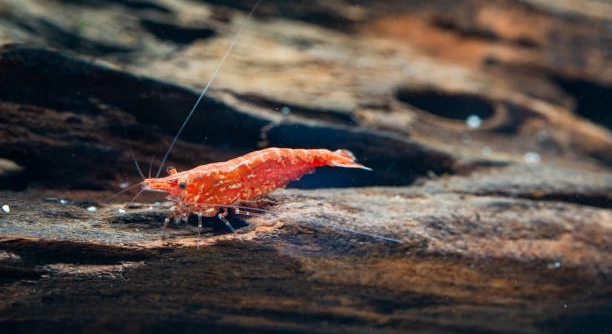
Cherry shrimp are a popular choice for aquarium enthusiasts because of their bright colors and small size. Many people enjoy watching them explore plants, rocks, and decorations in their tanks, adding life and movement.
Adult cherry shrimp typically reach a size of 1 to 1.5 inches (2.5 to 4 centimeters). Growth rates are influenced by water quality, diet, and genetics, with shrimp maturing in approximately four to six months under optimal conditions.
Knowing how big your cherry shrimp can grow helps in planning tank space and care routines for a healthy, thriving colony.
Factors That Affect Cherry Shrimp Size
Cherry shrimp size can vary depending on several factors. Water quality plays a major role, as stable pH, temperature, and clean water encourage healthy growth. Poor conditions can stunt development and make shrimp more vulnerable to disease. Diet is equally important. Feeding a balanced mix of high-quality shrimp pellets, blanched vegetables, and occasional protein supplements helps shrimp reach their maximum size. Genetics also influence how large each shrimp can get. Some strains are naturally smaller, while selectively bred shrimp may grow slightly larger. Overcrowding can slow growth because competition for food increases stress and limits nutrition. Providing hiding places reduces stress and allows shrimp to grow more steadily. Consistent tank maintenance, including regular water changes, helps maintain optimal conditions. Observing your shrimp over time allows you to notice changes in size and behavior, making it easier to adjust care and feeding routines to support their development.
Understanding these factors is key to maintaining healthy, appropriately sized shrimp.
Proper care ensures shrimp remain active, colorful, and grow steadily without unnecessary stress or setbacks.
Growth Stages of Cherry Shrimp
Cherry shrimp pass through several growth stages before reaching adulthood.
After hatching, the shrimp are tiny and transparent, requiring careful feeding and clean water. They molt frequently during the first few weeks, shedding their shells as they grow. Each molt allows the shrimp to expand in size, but the process leaves them vulnerable. Juvenile shrimp gradually develop color, though full red coloration usually appears after several molts. Growth rate depends on nutrition and environmental stability, with a typical shrimp reaching adult size in four to six months. Adult shrimp molt less often, but regular care remains essential. Observing the timing of molts can help predict when shrimp will reach their maximum size. Providing a stress-free environment with sufficient hiding spots supports successful molting and reduces mortality. Tracking growth stages also makes it easier to monitor the health of the colony and ensure they are thriving under your care.
By understanding these stages, you can better manage feeding, tank conditions, and molting cycles to support strong, healthy shrimp.
Ideal Tank Conditions
Maintaining stable tank conditions is essential for cherry shrimp growth. Temperature, pH, and water hardness must remain consistent to support molting, feeding, and overall health. Sudden changes can stress shrimp and slow growth.
A well-maintained tank ensures shrimp remain active and healthy. The ideal temperature range is 72–78°F (22–26°C), with a pH between 6.5 and 7.5. Soft to moderately hard water provides the best environment for molting. Regular water changes remove waste and maintain water quality, reducing the risk of disease. Filtration is important, but strong currents should be avoided, as shrimp prefer calm areas. Plants, rocks, and hiding spots help shrimp feel secure, reducing stress and encouraging natural behavior. Careful monitoring of these factors promotes steady growth, vibrant coloration, and a thriving colony.
Feeding also interacts with tank conditions. Nutrient-rich food supports growth, but overfeeding can degrade water quality. Balancing diet and tank maintenance is crucial. Hiding spots further reduce stress, giving shrimp the environment they need to grow fully and safely.
Molting Process and Growth
Molting is critical for cherry shrimp development and directly affects size.
Shrimp shed their exoskeletons to grow, leaving them vulnerable for several hours. Adequate calcium in the water supports shell hardening, while stress-free conditions improve survival during this stage.
The frequency of molts decreases as shrimp mature. Juveniles molt more often, sometimes weekly, while adults may molt every few weeks. Each molt allows incremental growth, and missing or irregular molts can indicate poor health or unsuitable water conditions. Providing a stable environment with sufficient hiding places ensures shrimp can molt safely without interference from tankmates or strong currents. Proper feeding and mineral supplementation support faster recovery and stronger exoskeletons. Tracking molts helps gauge growth rates and overall shrimp health. Observing shrimp during this time provides insight into their well-being, allowing you to adjust tank care and nutrition as needed.
Understanding molting patterns helps maintain healthy growth. Proper water quality, diet, and shelter ensure shrimp reach their full potential in size and appearance.
Common Growth Issues
Slow growth in cherry shrimp often results from poor water quality, inadequate diet, or stress. Consistently monitoring conditions helps prevent these problems and ensures shrimp develop properly.
Overcrowding can also hinder growth. Too many shrimp in a small tank leads to competition for food, increasing stress and stunting development.
Feeding for Optimal Size
Providing a balanced diet is key to helping cherry shrimp reach their full size. High-quality shrimp pellets supply essential nutrients, while blanched vegetables like zucchini or spinach provide fiber and vitamins. Occasional protein sources, such as bloodworms, support growth and molting. Avoid overfeeding, as uneaten food can decay and harm water quality. Feeding small amounts multiple times a day allows shrimp to eat steadily without overwhelming the tank. Consistency in feeding schedules supports steady growth, while variety keeps shrimp healthy and active.
Monitoring Growth
Tracking shrimp size over time helps identify potential problems and adjust care routines accordingly.
FAQ
How fast do cherry shrimp grow?
Cherry shrimp grow at a moderate pace. Under ideal conditions, juveniles can reach adult size in about four to six months. Frequent molts during the early stages allow for gradual size increases. Growth slows once they reach maturity, and adults typically molt less often. Regular feeding, stable water conditions, and minimal stress help shrimp grow steadily and maintain vibrant coloration. Observing their size over time provides a clear picture of their development and overall health.
What size do cherry shrimp usually reach?
Adult cherry shrimp generally reach between 1 and 1.5 inches (2.5 to 4 centimeters) in length. Some variations exist depending on genetics and selective breeding. Environmental factors like water quality, diet, and tank conditions also influence maximum size. While most shrimp fall within this range, careful care can help them reach their full potential without stunting.
Do cherry shrimp stop growing after a certain age?
Yes, cherry shrimp reach a maximum size once they are fully mature, usually around four to six months old. Growth continues slowly after maturity but is mostly limited to minor size changes. Maintaining proper care ensures they remain healthy and strong, even after reaching full size.
Why are my cherry shrimp smaller than expected?
Several factors can stunt growth, including poor water quality, low calcium levels, inadequate nutrition, and stress from overcrowding. Regular monitoring of water parameters and providing a balanced diet are essential. Ensuring enough hiding spaces and limiting sudden environmental changes also encourages healthy growth. Genetics may also play a role, as some shrimp naturally remain smaller.
How often do cherry shrimp molt?
Juveniles molt frequently, sometimes every few days to a week, allowing for rapid growth. Adults molt less often, typically every few weeks. Providing a stable environment and calcium-rich diet helps support safe molting. Monitoring molts can indicate overall health and whether adjustments to care are needed.
Does tank size affect cherry shrimp growth?
Yes, tank size can influence growth indirectly. Overcrowded tanks increase competition for food and stress levels, slowing growth. Providing enough space, hiding spots, and consistent feeding allows shrimp to grow steadily. While shrimp do not require large tanks, maintaining proper stocking density is important.
What role does diet play in cherry shrimp size?
Diet is one of the most important factors for growth. High-quality shrimp pellets, blanched vegetables, and occasional protein sources ensure shrimp get essential nutrients. Underfeeding or relying solely on plant matter can slow growth. Feeding multiple small portions daily supports steady development and strong molting cycles.
Can cherry shrimp grow larger than 1.5 inches?
Occasionally, selective breeding or exceptional care can produce shrimp slightly larger than 1.5 inches, but this is rare. Most cherry shrimp remain within the typical range. Genetics, tank conditions, diet, and water quality all contribute to the maximum achievable size.
How can I encourage faster growth in my cherry shrimp?
Focus on maintaining stable water parameters, providing a nutritious diet, and minimizing stress. Ensure proper tank maintenance, sufficient hiding spaces, and moderate tank density. Observing their molting patterns and adjusting care based on their behavior can help support healthy growth.
Is it normal for some shrimp to stay smaller than others?
Yes, size differences are common. Genetics, social dynamics, and competition for food can lead to variation. Smaller shrimp may catch up over time with proper care, but some may remain naturally smaller. Consistent feeding and a stress-free environment help all shrimp thrive.
Do water changes affect growth?
Regular water changes support growth by maintaining water quality and reducing toxins. Clean water encourages healthy molting, feeding, and activity levels. Sudden large changes can cause stress, so gradual, consistent water maintenance is ideal. Proper balance keeps shrimp active and supports their development.
What is the impact of temperature on shrimp growth?
Temperature directly affects metabolism and growth rate. Cherry shrimp grow best in 72–78°F (22–26°C). Lower temperatures slow metabolism and development, while higher temperatures can increase stress or reduce lifespan. Stable temperatures within this range support consistent growth and regular molting.
How do hiding spots influence growth?
Hiding spots reduce stress, which can otherwise slow growth. Plants, rocks, and decorations give shrimp safe spaces to molt and rest. Less stress improves feeding efficiency and overall health, promoting steady development and vibrant coloration.
Can shrimp grow in a bare tank without plants?
They can survive, but growth may be slower. Lack of hiding places increases stress and vulnerability during molts. Providing some structures, even simple decorations, supports healthier, more consistent growth and overall shrimp well-being.
How long do cherry shrimp live?
Cherry shrimp typically live around 1.5 to 2 years. Growth occurs mostly during the first few months, slowing after maturity. Proper care, stable water conditions, and a good diet support longevity and maintain optimal size throughout their life.
Does pH affect growth?
Yes, pH affects molting, digestion, and overall health. A stable pH of 6.5–7.5 supports normal growth and prevents stress-related stunting. Sudden pH fluctuations can disrupt molting and slow development, making consistent monitoring essential.
What is the relationship between hardness and size?
Moderate water hardness supports shell development and successful molting. Soft to moderately hard water provides minerals necessary for growth. Extremely soft or hard water can impact size, making mineral balance an important part of care.
Do shrimp stop eating as they age?
Adults may eat less than juveniles, but consistent nutrition is still necessary. Smaller meals spread throughout the day help maintain energy, molting, and overall health. Proper feeding supports longevity and prevents shrinkage or weight loss.
Can I mix cherry shrimp with other species without affecting growth?
Mixing with non-aggressive species is generally fine. Avoid predators or fast-moving fish, as stress from tankmates can stunt growth. Providing hiding places ensures shrimp can feed and molt safely, supporting steady development despite tankmates.
How do I know if growth is healthy?
Healthy growth is steady, with shrimp gaining size gradually. Vibrant coloration, regular molting, and active behavior indicate proper development. Sudden size stagnation, lethargy, or irregular molts may signal environmental or dietary issues needing attention.
Is it normal for shrimp to molt less frequently as they age?
Yes, adults molt less often than juveniles. Molting frequency naturally decreases with maturity, though providing proper nutrition and low-stress conditions ensures molts remain safe and support minor growth adjustments.
What signs indicate shrimp are stressed and may have slowed growth?
Shrimp that hide constantly, remain lethargic, lose color, or have failed molts may be stressed. Stress slows growth and increases vulnerability. Improving tank conditions, stabilizing water parameters, and ensuring proper diet usually restores healthy growth patterns.
Can genetics alone determine shrimp size?
Genetics play a significant role, but environment, diet, and care are equally important. Even genetically small shrimp can thrive and reach their potential with proper conditions.
How often should I measure shrimp growth?
Measuring monthly is sufficient to track development. Observing molting, behavior, and size trends over time helps identify care adjustments needed for optimal growth. Consistent monitoring ensures all shrimp are progressing healthily.
Do shrimp need supplements to grow larger?
Calcium and mineral supplements can support shell hardening and molting. While not always necessary with proper diet and water quality, supplementation ensures strong exoskeletons and steady growth, particularly in mineral-poor water.
Can shrimp grow without live plants?
Growth is possible, but plants provide hiding spots and biofilm for supplemental nutrition. Limited shelter may increase stress and molting risk, slightly slowing growth. Minimal decorations can compensate, but live plants optimize overall development and health.
Does tank lighting affect growth?
Indirectly, yes. Lighting promotes plant growth, which produces biofilm shrimp feed on. Adequate lighting helps maintain a natural environment, supporting feeding habits and steady growth. Excessive or inadequate lighting can stress shrimp or reduce available food sources.
How do I handle shrimp during molting without affecting growth?
Avoid handling shrimp during molting. They are fragile and highly susceptible to stress. Ensuring hiding spots and minimal disturbance allows safe molting, which supports healthy growth and prevents injuries that could stunt development.
Can I speed up growth by increasing temperature?
Higher temperatures can increase metabolism, but too high causes stress and shortens lifespan. Maintaining the recommended range of 72–78°F (22–26°C) ensures steady, healthy growth without risking shrimp health.
How do I encourage uniform growth among shrimp?
Provide consistent feeding, stable water, and adequate space. Reducing competition by controlling density and offering hiding places helps smaller shrimp catch up, ensuring more uniform growth across the colony.
What is the best way to track shrimp growth?
Photographs, measurements, and noting molting patterns help track growth over time. Observing behavior, coloration, and activity levels alongside size ensures shrimp are developing properly and allows timely adjustments to care routines.
Are there seasonal effects on growth?
Indoor tanks minimize seasonal variation, but temperature changes can influence metabolism and molting rates. Keeping water conditions stable throughout the year supports consistent growth regardless of outside seasons.
Can stress from tankmates affect molting and growth?
Yes, aggressive or fast-moving tankmates can increase stress, delaying molts and slowing growth. Providing hiding spots and avoiding incompatible species allows shrimp to molt safely and grow steadily.
How do I know if my shrimp are reaching full size?
Compare current size to the typical 1–1.5 inch adult range. Consistent molting and healthy activity indicate they are approaching full growth. Minor size differences are normal due to genetics and social hierarchy within the tank.
Is it normal for some shrimp to never reach full size?
Yes, some shrimp may remain smaller due to genetics, stress, or competition. Proper care maximizes potential, but natural variations are expected. Ensuring stable water conditions, nutrition, and low stress helps the majority reach full adult size.
Does tank pH fluctuation slow growth?
Yes, frequent pH changes stress shrimp, slow molting, and reduce feeding efficiency. Maintaining stable pH supports proper exoskeleton development and steady growth throughout their life stages.
Can I boost growth with special foods?
High-quality pellets, blanched vegetables, and occasional protein sources optimize growth. Overfeeding or unbalanced supplements can harm water quality, so moderation and consistency are key. Balanced nutrition supports molting, color development, and overall size.
Is it okay if some shrimp grow faster than others?
Yes, variations in size are normal. Faster-growing shrimp often have better access to food or slightly different genetics. Maintaining proper feeding and low-stress conditions helps smaller shrimp catch up over time.
Do water hardness changes affect growth?
Significant hardness changes can impact shell formation and molting. Stable soft to moderately hard water ensures minerals for healthy exoskeleton development, supporting consistent growth. Sudden shifts can cause stress and stunted development.
Can shrimp stop growing temporarily?
Yes, stress, poor water quality, or inadequate food can temporarily halt growth. Correcting conditions usually restores normal development. Continuous observation ensures growth resumes once issues are addressed.
How long does it take for shrimp to reach full coloration?
Full coloration typically develops after several molts, around the time they reach adult size. Proper nutrition, stable water, and low stress help shrimp display vibrant, uniform colors as they mature.
Does the number of shrimp in the tank impact growth?
Higher density increases competition for food and stress, slowing growth. Maintaining moderate numbers and providing hiding spots allows each shrimp adequate access to food and safe molting space, supporting steady growth.
Can stress from handling shrink shrimp temporarily?
Yes, handling can cause temporary shrinkage or color fading due to stress. Minimizing disturbance ensures shrimp remain healthy and continue growing without setbacks.
Do shrimp need supplemental calcium to grow properly?
Calcium supports exoskeleton strength and safe molting. In low-mineral water, supplementation can prevent stunted growth. Proper diet and occasional mineral additives ensure healthy shell development and steady size increase.
What environmental factors most affect shrimp growth?
Water temperature, pH, hardness, cleanliness, and tank density directly influence growth. Providing stable conditions, balanced nutrition, and stress-free surroundings promotes consistent development and healthy adult size.
Are some cherry shrimp genetically predisposed to be smaller?
Yes, genetics can determine natural size limits. Even with perfect care, some shrimp may never exceed a smaller adult size. Providing optimal conditions ensures all shrimp reach their personal potential.
How does food competition affect growth?
Competition for food slows growth for weaker or smaller shrimp. Ensuring enough food for all, feeding multiple times a day, and creating hiding spots for smaller shrimp helps them grow consistently alongside larger tankmates.
Do water changes help shrimp grow faster?
Regular water changes maintain high water quality, indirectly supporting growth. Clean water reduces stress, encourages feeding, and supports safe molting, helping shrimp reach their full size efficiently.
Can poor water filtration stunt growth?
Yes, inadequate filtration can lead to toxin buildup and unstable conditions. Proper filtration removes waste and maintains water quality, preventing stunted growth and promoting overall health and vitality.
Does overcrowding affect adult shrimp size?
Overcrowding mainly impacts juveniles, as competition for food and stress slows growth. Adults may remain slightly smaller if conditions are crowded, but proper tank management ensures they reach near-normal adult size.
How do I prevent stunted growth in cherry shrimp?
Maintain stable water conditions, feed a balanced diet, avoid overcrowding, and reduce stress. Providing hiding spots and monitoring health ensures shrimp develop properly and reach their full size potential.
What is the link between molting frequency and growth?
Frequent molting in juveniles allows rapid size increases. As growth slows with age, fewer molts occur. Regular, safe molting ensures steady development and supports healthy adult size.
Can cherry shrimp grow without hiding places?
They can survive, but growth may be slower due to stress. Hiding places reduce vulnerability during molting, support feeding efficiency, and contribute to healthier, more consistent growth.
Do shrimp grow faster in planted tanks?
Planted tanks provide natural food sources, hiding spots, and stress reduction. These factors create an environment conducive to steady growth, improving health and molting success compared to bare tanks.
Is adult shrimp growth significant after six months?
Adult growth is minor. Most size increase occurs during juvenile stages. Proper care ensures adults maintain health, coloration, and vitality, even though length changes are minimal.
Can shrimp size indicate health issues?
Yes, unusually small or slow-growing shrimp may be stressed, malnourished, or exposed to poor water conditions. Monitoring size helps identify problems early for corrective action.
Does diet variety influence growth speed?
A varied diet supports balanced nutrition, which promotes steady growth. Limiting food types may slow development or reduce molting success. Combining pellets, vegetables, and occasional protein optimizes size and health.
Are smaller shrimp less likely to survive?
Not necessarily, but smaller shrimp may face more stress or predation. Ensuring sufficient food, hiding spots, and stable water conditions increases survival and helps them reach full adult size.
How do I know if shrimp are stressed enough to slow growth?
Signs include hiding, lethargy, color fading, failed molts, and reduced feeding. Addressing water quality, diet, and tank conditions usually restores normal growth patterns.
Does water temperature fluctuation affect growth?
Yes, fluctuations slow metabolism and molting, leading to stunted growth. Maintaining stable temperatures within 72–78°F (22–26°C) supports consistent size development.
Can I force shrimp to grow faster?
Growth cannot be safely forced. Optimizing diet, water quality, and tank conditions supports natural, steady growth without risking health or lifespan.
Do juvenile shrimp need more food than adults?
Yes, juveniles molt frequently and require more nutrients for growth. Adults need consistent, moderate feeding to maintain health but do not grow as rapidly.
Is it normal for shrimp growth rates to vary in the same tank?
Yes, size differences are common due to genetics, feeding access, and social interactions. Proper care ensures all shrimp reach their potential safely.
Can poor lighting affect growth indirectly?
Yes, low lighting can limit plant growth and biofilm, reducing supplemental food sources. Adequate light supports natural feeding behavior and helps maintain steady growth.
How long does it take for shrimp to recover after a stressful event?
Recovery depends on severity and tank conditions. Stable water, hiding spots, and proper diet usually restore normal growth within days to weeks.
Does shrimp coloration indicate growth progress?
Coloration develops as shrimp mature. Vibrant colors often appear when shrimp reach near-full size. Dull colors may indicate stress, poor diet, or suboptimal conditions affecting growth.
Are some shrimp naturally smaller even with perfect care?
Yes, genetics determine maximum size. Optimal care ensures shrimp reach their genetic potential, but natural size variation is expected.
Do shrimp stop eating when stressed?
Stress can reduce feeding, which slows growth. Providing hiding spots and stable conditions helps restore appetite and normal development.
How does tank filtration strength affect growth?
Strong currents can stress shrimp, reducing feeding efficiency and slowing growth. Moderate filtration maintains water quality without creating excessive flow.
Does water mineral content influence growth?
Yes, minerals like calcium support exoskeleton formation. Low mineral content can stunt growth, making supplementation or mineral-rich water important.
Can adult shrimp regain lost size?
Adults may appear smaller temporarily due to stress or molting issues, but true length rarely increases after maturity. Maintaining health prevents further shrinkage.
Are shrimp more vulnerable to stunted growth in bare tanks?
Yes, without plants or hiding spots, stress increases, molting risks rise, and growth may slow. Minimal structures improve survival and development.
How do I create optimal conditions for maximum growth?
Maintain stable water, balanced diet, moderate tank density, hiding places, and low stress. Observing molting and behavior ensures shrimp develop fully and healthily.
Can shrimp size indicate age accurately?
Size offers a rough estimate but varies with genetics and environment. Monitoring molting and growth trends provides better age and health insight than size alone.
Do water changes promote uniform growth?
Yes, clean water ensures all shrimp access healthy conditions, reducing stress and supporting steady growth for both juveniles and adults.
Is it normal for shrimp to stop growing after molting issues?
Yes, failed or irregular molts can halt growth. Correcting water quality, stress factors, and nutrition usually restores normal development.
Can tank decorations affect growth?
Yes, adequate hiding spots reduce stress and support safe molting, indirectly promoting steady growth. Lack of shelters may slow development.
How can I help smaller shrimp catch up in size?
Provide additional food access, hiding spots, and a calm environment. Minimizing competition and stress allows smaller shrimp to grow more consistently with larger tank
Cherry shrimp are small, colorful freshwater creatures that can bring life to any tank. Understanding their growth and size helps in providing proper care. Typically, they reach about 1 to 1.5 inches as adults, but their development depends on water quality, diet, genetics, and stress levels. Maintaining a stable environment is crucial for healthy growth. Temperature, pH, and hardness should remain within the recommended ranges, and frequent water changes help reduce harmful toxins. Feeding a balanced diet with high-quality pellets, blanched vegetables, and occasional protein ensures shrimp get the nutrients they need to molt safely and grow steadily. Observing shrimp behavior, molting frequency, and coloration offers insight into their overall health.
Stress and overcrowding can slow growth, even if water and diet are adequate. Providing sufficient space and hiding spots reduces competition and allows shrimp to feed and molt without interference. Molting is a critical stage in a shrimp’s life, as it is the only time they grow. Calcium and mineral levels in the water support strong exoskeletons during this vulnerable phase. Juveniles molt frequently to increase in size, while adults molt less often. Tracking molting cycles is helpful for predicting growth rates and detecting potential health issues early. Tank plants and decorations not only offer hiding places but also encourage natural behaviors and provide supplemental food sources like biofilm, which supports steady development.
Growth in cherry shrimp is a gradual process that reflects careful care and stable conditions. While size may vary due to genetics, consistent feeding, water maintenance, and low-stress environments ensure shrimp reach their full potential. Monitoring their behavior and development allows for timely adjustments in diet, tank setup, or water parameters. Even minor changes, such as adjusting feeding schedules or adding shelters, can positively influence growth and overall health. By understanding the factors that affect size and providing a supportive environment, it is possible to maintain a thriving shrimp colony with vibrant colors and active behavior. Paying attention to these details helps ensure your cherry shrimp remain healthy, grow properly, and enjoy a safe, comfortable habitat throughout their lives.

Hello,
If you enjoy the content that we create, please consider saying a "Thank You!" by leaving a tip.
Every little bit helps us continue crafting quality advice that supports the health, happiness, and well-being of pets around the world, for pets of all shapes, sizes, and species.
We really appreciate the kindness and support that you show us!