
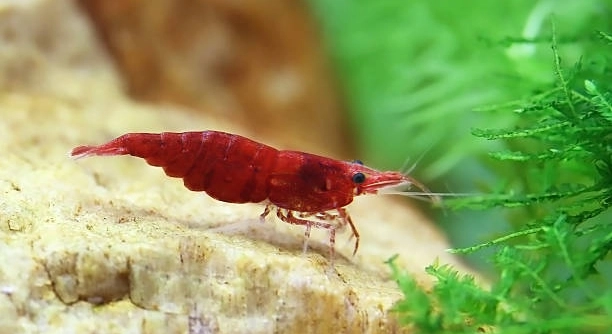
Cherry shrimp are small, colorful creatures that add life to any aquarium. They are gentle, curious, and sensitive, and their environment greatly affects their health and happiness. Proper tank setup can make a big difference in their daily behavior.
Upgrading a cherry shrimp tank involves enhancing water quality, providing hiding spots, improving substrate, adding plants, incorporating gentle filtration, adjusting lighting, and maintaining stable temperature levels. These improvements promote shrimp well-being, reduce stress, and encourage natural behaviors within the aquarium environment.
Simple changes can transform your shrimp’s habitat into a more comfortable and stimulating space, giving them a healthier, happier life in your care.
Improving Water Quality
Maintaining clean, stable water is essential for cherry shrimp health. These tiny creatures are sensitive to sudden changes in water parameters, so frequent testing and gradual adjustments are important. Using a reliable water conditioner helps remove chlorine and heavy metals that can harm shrimp. Regular partial water changes keep nitrate levels low and prevent harmful waste buildup. A good filter system not only circulates water but also traps debris and promotes beneficial bacterial growth. Overfeeding can quickly degrade water quality, so measure food carefully. Even small changes in pH, hardness, or temperature can stress shrimp, making them more susceptible to illness. Plants and mosses can naturally help absorb some toxins and provide surfaces for biofilm, which is a critical food source for shrimp. Observing your shrimp daily helps identify early signs of stress or illness, so adjustments can be made promptly to maintain a balanced environment. Clean, stable water directly influences growth, color, and reproduction.
Clean water supports shrimp survival, growth, and vibrant coloration. Stable conditions reduce stress and help them thrive naturally in the tank.
By keeping water parameters consistent and avoiding drastic fluctuations, you create a safe environment. A combination of partial water changes, careful feeding, and filtration ensures waste does not accumulate, preventing potential toxins. Plants and biofilm offer natural filtration and supplemental nutrition. Maintaining steady pH, temperature, and hardness levels allows shrimp to focus on feeding, molting, and breeding rather than coping with stress. Monitoring water daily provides early warning signs if anything goes wrong, making timely intervention possible. Even small improvements, like adding live plants or using a sponge filter, can greatly enhance water quality and reduce stress, ensuring your shrimp remain healthy and active. Clean water is foundational for any tank upgrade.
Adding Hiding Spots
Shrimp need places to retreat and feel safe. Hiding spots reduce stress, encourage natural behaviors, and improve overall tank health.
Using decorations, caves, or dense plants gives shrimp areas to explore and hide, mimicking natural environments.
Providing multiple hiding areas in a tank ensures that shrimp of all sizes can avoid aggression from tank mates. Moss, small rocks, and driftwood create shaded areas that feel secure. Juvenile shrimp especially benefit from hiding spots to avoid being eaten or stressed by larger shrimp. Natural hiding places also support molting, as shrimp are vulnerable during this process and require safe spaces. By arranging decorations thoughtfully, you can balance open swimming areas with secure retreats, making shrimp feel confident and encouraging activity. Hiding spots are simple yet effective upgrades that directly improve shrimp well-being, reproduction, and longevity.
Enhancing Substrate
A fine, nutrient-rich substrate supports plant growth and provides surfaces for biofilm, which cherry shrimp feed on. It also allows shrimp to dig and forage naturally, improving their activity and overall health.
A substrate that retains some nutrients helps plants thrive, creating a natural food source for shrimp. Biofilm grows on surfaces, giving shrimp constant access to extra nutrition. Avoid sharp or coarse materials that can harm delicate shrimp legs. Darker substrates also enhance the shrimp’s coloration, making them appear brighter and healthier. Gravel or sand should be rinsed thoroughly before use to remove dust or debris that could cloud water. Combining nutrient-rich substrate with plants ensures a balanced environment where shrimp can feed and explore safely. Proper substrate contributes to molting, breeding, and general comfort in the tank.
Layering substrate with a mix of sand and nutrient-rich soil allows better root support for plants. Shrimp benefit from hiding within plants and searching for biofilm. A stable substrate helps prevent water clouding during cleaning and keeps the tank visually appealing. Regular monitoring of substrate depth prevents compaction, which can trap waste. Adding small stones or moss-covered decorations encourages foraging, keeping shrimp active. Substrate choice directly impacts shrimp feeding, molting, and reproduction. A well-planned substrate creates a functional, safe, and stimulating environment.
Increasing Plant Coverage
Plants provide shelter, biofilm, and oxygen, improving shrimp health and behavior. Dense plant areas reduce stress and offer hiding spaces during molting.
Adding live plants like java moss, anubias, or floating species creates layers in the tank, giving shrimp places to explore and hide. Plants naturally filter water by absorbing nitrates, which helps maintain cleaner conditions. They also serve as surfaces for biofilm growth, giving shrimp a continuous, natural food source. Combining tall and low plants balances open swimming space with covered areas. Regular trimming prevents overcrowding while maintaining hiding spots. Increasing plant coverage boosts shrimp activity, supports molting, and encourages breeding by providing secure microhabitats for eggs and juveniles.
Gentle Filtration
A sponge filter or low-flow filter provides clean water without creating strong currents that stress cherry shrimp. Gentle filtration traps debris while preserving small shrimp and fry.
Filters should be checked regularly to prevent clogging. A low-flow setup ensures shrimp can move freely without battling strong water movement.
Adjusting Lighting
Moderate lighting promotes plant growth and biofilm development without stressing shrimp. Avoid intense lights that can cause algae overgrowth or harm shrimp behavior.
Consistent light cycles of 8–10 hours mimic natural conditions, supporting molting and activity. Using floating plants or shaded areas helps diffuse direct light, giving shrimp choices for comfort. Proper lighting maintains tank balance while enhancing shrimp coloration.
Stable Temperature
Maintaining a steady temperature around 72–78°F supports shrimp metabolism and reproduction. Sudden changes can cause stress or illness.
Investing in a reliable heater or thermometer ensures consistent warmth. Small fluctuations may seem minor but can significantly affect shrimp health, growth, and activity levels.
FAQ
How often should I change water in a cherry shrimp tank?
Partial water changes of 10–20% once a week are ideal. Frequent, small changes maintain stable water parameters without shocking the shrimp. Larger changes can remove beneficial bacteria, so gradual adjustments are better. Monitoring nitrate and ammonia levels helps determine if extra changes are needed.
What plants are best for cherry shrimp?
Java moss, anubias, and moss balls are great choices. They provide hiding spaces, surfaces for biofilm, and help improve water quality. Floating plants add shade and diffuse lighting. Dense planting encourages natural behaviors, giving shrimp places to explore, molt safely, and breed.
Can cherry shrimp live with other fish?
Yes, but small, peaceful fish like neon tetras or otocinclus are safer options. Avoid large or aggressive species that may stress or eat shrimp. Even small fish can compete for food, so monitor interactions and provide plenty of hiding spots.
What do cherry shrimp eat?
Shrimp primarily eat biofilm, algae, and specialized shrimp pellets. Occasional blanched vegetables like zucchini or spinach provide extra nutrition. Overfeeding can harm water quality, so feed small portions that are consumed in a few hours. Diversifying food supports growth, coloration, and reproduction.
Why are my shrimp hiding all the time?
Hiding behavior often indicates stress, molting, or water quality issues. Ensure water parameters are stable, plants and hiding spots are adequate, and filtration is gentle. Stress can also result from sudden temperature or pH changes, so check equipment and environmental conditions.
How do I encourage breeding in cherry shrimp?
Stable water conditions, dense plants, and proper nutrition support reproduction. Avoid sudden parameter changes, and provide plenty of hiding spaces for juveniles. Healthy adults will molt and breed naturally. Observing females with eggs under their abdomen is a sign breeding is successful.
Why are my shrimp losing color?
Fading coloration usually stems from stress, poor water quality, or inadequate nutrition. Ensure stable water parameters, balanced diet, and proper lighting. Darker substrate and live plants also enhance natural colors. Shrimp may regain vibrancy once conditions improve and stress is minimized.
How do I prevent molting problems?
Molting issues often result from low calcium or poor water quality. Adding mineral supplements, maintaining stable parameters, and providing a safe environment with hiding spots ensures successful molting. Avoid sudden temperature or pH fluctuations, as these can cause incomplete or failed molts.
Can I keep different shrimp species together?
Some species coexist well, but aggressive or larger shrimp may stress smaller cherry shrimp. Consider tank size, hiding spots, and compatibility before mixing species. Even compatible species may compete for food or breeding spaces, so monitor behavior and separate if necessary.
How do I clean the tank without harming shrimp?
Use gentle methods like siphoning debris from the substrate, wiping glass, and trimming plants. Avoid strong suction or chemical cleaners. Perform water changes gradually and use water conditioners to neutralize chlorine or heavy metals. A careful approach protects shrimp, biofilm, and beneficial bacteria.
Why are my shrimp dying suddenly?
Sudden deaths are usually linked to water quality spikes, disease, or toxic substances. Test ammonia, nitrite, nitrate, and pH. Check for chemicals like cleaning agents or metals that may have entered the tank. Maintaining stable conditions and providing proper nutrition prevents many health issues.
How long do cherry shrimp live?
Cherry shrimp typically live 1.5–2 years with proper care. Lifespan depends on water quality, nutrition, and stress levels. Maintaining stable parameters, clean water, and a safe environment helps shrimp reach their full life expectancy while remaining active and healthy.
Can I use tap water for cherry shrimp?
Tap water is usable if treated with a water conditioner to remove chlorine and heavy metals. Testing pH, hardness, and other parameters ensures it is safe. Gradual acclimation helps shrimp adjust to tap water without stress or shock.
Do cherry shrimp need a heater?
A heater is recommended if room temperature fluctuates below 72°F. Stable temperature supports metabolism, molting, and breeding. Even small fluctuations can stress shrimp, so a reliable heater or temperature monitor is beneficial for maintaining consistent warmth.
How do I introduce new shrimp safely?
Quarantine new shrimp in a separate tank for a few weeks to check for disease. Slowly acclimate them to the main tank by gradually mixing tank water. Providing plenty of hiding spaces reduces stress and ensures smooth integration with existing shrimp.
What signs indicate a healthy shrimp?
Active swimming, bright coloration, frequent grazing on biofilm, regular molting, and breeding are signs of health. Shrimp should explore the tank confidently without excessive hiding. Dull colors, lethargy, or loss of appetite indicate stress or water quality issues that need attention.
Is it necessary to remove eggs from the tank?
No, female cherry shrimp carry eggs safely under their abdomen until hatching. Eggs benefit from the natural protection of plants and hiding spots. Interfering is unnecessary and may harm both the female and the developing young.
How can I reduce algae without harming shrimp?
Control light exposure, avoid overfeeding, and introduce plants that compete with algae for nutrients. Occasional algae-eating snails or shrimp themselves can help. Manual removal with a soft brush or sponge works without using chemicals that could harm shrimp.
Can cherry shrimp survive in small tanks?
Yes, but tanks should be at least five gallons with stable conditions. Small tanks require more frequent monitoring of water parameters, partial water changes, and careful stocking to prevent stress and maintain a healthy environment for shrimp.
How do I acclimate shrimp to a new tank?
Float the bag in the tank to equalize temperature. Slowly add small amounts of tank water to the bag over an hour. Gradual acclimation reduces shock from water parameter differences and helps shrimp settle safely into their new environment.
What causes shrimp to molt too frequently?
Rapid molting often results from warm temperatures, abundant food, or stress from water fluctuations. While occasional molting is normal, consistent rapid molts can indicate environmental or nutritional imbalances. Adjust water parameters and diet to stabilize molting frequency.
How can I prevent shrimp from getting stuck in filters?
Use sponge filters or pre-filters to block shrimp from entering suction areas. Avoid strong currents and cover intakes with mesh if necessary. Proper filter placement and gentle flow ensure shrimp can swim freely without injury.
What is the best way to feed baby shrimp?
Provide biofilm, microalgae, or powdered shrimp food that settles on surfaces. Tiny portions prevent water pollution. Dense plants and moss give babies natural surfaces to graze on, improving survival and growth. Monitor feeding to avoid overfeeding and maintain water quality.
Can cherry shrimp tolerate cold water?
They can survive mild drops but prolonged cold reduces metabolism, slows growth, and can impair breeding. Keeping water within 72–78°F ensures active behavior, healthy molting, and proper feeding. Use a heater if temperatures fluctuate significantly.
How do I treat sick shrimp?
Identify the underlying problem, usually water quality or disease. Adjust parameters gradually, remove contaminants, and consider a quarantine tank. Avoid harsh medications, as many can harm shrimp. Maintaining clean water and proper nutrition prevents most illnesses.
Are decorations safe for shrimp?
Yes, if smooth and free from chemicals or sharp edges. Natural stones, driftwood, and resin-safe ornaments provide hiding spots without harming delicate legs or antennae. Always rinse decorations thoroughly before placing them in the tank.
What affects shrimp coloration the most?
Diet, substrate, lighting, and stress levels influence color. Dark substrates, healthy plants, and high-quality food improve vibrancy. Stress or poor water quality often leads to dull or faded colors, which can recover with better conditions.
How long does it take for shrimp to breed?
Healthy adults can breed within weeks of reaching maturity if conditions are stable. Dense plants, proper diet, and secure hiding spots encourage frequent molting and egg-laying, supporting a continuous population in the tank.
Can I use fertilizers in a shrimp tank?
Use shrimp-safe fertilizers sparingly for plant growth. Avoid chemicals that harm invertebrates. Slow-release or diluted liquid fertilizers support plants without risking shrimp health. Always research ingredients before adding them to the tank.
Do shrimp need aeration?
Oxygen levels are usually sufficient with plants and gentle filtration. Aeration is helpful in densely stocked tanks or warmer water but is not strictly necessary if the tank has good circulation and plant coverage.
How do I know when shrimp are molting?
Look for soft exoskeletons, reduced activity, and shrimp hiding more often. Shed shells indicate successful molting. Providing safe spaces during this vulnerable time reduces stress and prevents injury from tank mates or equipment.
What is the best way to quarantine new plants?
Rinse plants thoroughly and soak them in dechlorinated water to remove pests or snails. Observe for algae or pathogens before introducing them to the main tank. Quarantine helps protect shrimp from accidental contamination.
How can I improve shrimp survival after molting?
Provide hiding spots, stable water parameters, and mineral-rich food. Avoid sudden changes in temperature, pH, or water flow. Ensuring a calm environment helps delicate, soft-shelled shrimp recover safely.
Why do shrimp sometimes climb out of the tank?
This is often due to stress, poor water quality, or lack of cover. Keep the tank covered, ensure stable parameters, and provide hiding spots to reduce escape attempts and keep shrimp safe.
Can shrimp live in a community tank with snails?
Yes, most small, peaceful snails coexist well with shrimp. Snails help control algae and waste, but avoid aggressive or large species. Monitor interactions and ensure sufficient food and hiding spaces for both.
Do cherry shrimp need special water hardness?
Moderate hardness (GH 6–8, KH 2–4) supports molting and overall health. Extremely soft or hard water can stress shrimp or affect egg development. Test and adjust hardness gradually if needed to maintain optimal conditions.
What signs show that shrimp are breeding successfully?
Females carry eggs under their abdomen, and juveniles appear within weeks. Active, healthy adults, regular molting, and a thriving population indicate successful breeding. Dense plants and biofilm support early survival of fry.
Can I use aquarium salt with cherry shrimp?
Use sparingly and only for specific health issues, as shrimp are sensitive to high salt levels. Always research the correct dosage and ensure gradual introduction to prevent stress or death.
How often should I trim plants in a shrimp tank?
Trim plants regularly to prevent overcrowding while maintaining hiding spots. Overgrown plants can block light or reduce swimming space, while balanced trimming encourages healthy growth and supports natural shrimp activity.
How do I acclimate shrimp to new water chemistry?
Gradually mix tank water with new water over one to two hours, adjusting slowly. Sudden changes in pH, hardness, or temperature can stress or kill shrimp. Proper acclimation reduces shock and promotes safe adaptation.
What is the ideal tank size for a group of cherry shrimp?
A minimum of five gallons is recommended for a small colony. Larger tanks are easier to maintain and provide more space for hiding, plants, and stable water parameters, ensuring shrimp thrive and reproduce naturally.
How do I prevent shrimp from eating each other’s eggs?
Dense plants, moss, and hiding spaces reduce egg predation. Eggs are usually attached under the female’s abdomen until hatching, so interference is rarely needed. Providing secure microhabitats protects juveniles from accidental consumption.
Can cherry shrimp tolerate brackish water?
They prefer freshwater conditions. Brackish water or salt fluctuations can stress or kill shrimp. Always maintain stable freshwater parameters for optimal health and reproduction.
Do shrimp need calcium supplements?
Calcium supports molting and shell health. Mineral-rich foods or liquid supplements help prevent molting issues. Maintaining balanced water hardness also provides natural calcium levels, reducing the need for extra supplementation.
How can I reduce stress during tank maintenance?
Perform gentle water changes, clean equipment carefully, and avoid disturbing plants excessively. Maintaining stable parameters, proper hiding spots, and low light during maintenance reduces stress and ensures shrimp continue normal behavior.
What causes shrimp to become inactive?
Inactivity often stems from poor water quality, low temperature, insufficient food, or stress. Check water parameters, improve habitat conditions, and ensure proper diet. Healthy shrimp are active, grazing, and exploring the tank regularly.
How do I remove uneaten food safely?
Use a siphon or small net to remove leftover pellets or vegetables before they decompose. Uneaten food can quickly deteriorate water quality and harm shrimp health. Regular removal keeps the tank clean and balanced.
Are decorations necessary for shrimp?
Not strictly, but decorations provide hiding spots, surfaces for biofilm, and visual interest. Smooth, non-toxic materials like driftwood or stones enhance shrimp comfort and safety without affecting water quality.
Can shrimp survive without live plants?
Yes, but live plants offer food sources, shelter, and improved water quality. Without plants, additional surfaces for biofilm and hiding spots must be provided to support health, breeding, and natural behavior.
What is the ideal pH range for cherry shrimp?
A pH of 6.5–7.5 is optimal. Stable pH supports molting, feeding, and breeding. Sudden shifts outside this range can cause stress or death. Regular testing ensures the tank remains within safe limits.
How do I prevent shrimp from getting stuck in decorations?
Use smooth, rounded surfaces without sharp edges. Avoid tight gaps where small shrimp can get trapped. Proper arrangement ensures shrimp can move freely and safely around plants, rocks, and ornaments.
Can I use tap water directly without testing?
Always test tap water and treat it with a conditioner. Chlorine, chloramine, and heavy metals can harm shrimp. Testing ensures proper hardness, pH, and safety before adding water to the tank.
How long does it take for shrimp eggs to hatch?
Eggs usually hatch in 2–3 weeks under stable conditions. Temperature, water quality, and female health affect development. Dense plants and biofilm support the survival of newly hatched shrimp.
Do cherry shrimp need a specific diet for coloration?
Yes, high-quality shrimp food, algae, and blanched vegetables improve vibrancy. Nutrient-rich diets enhance natural pigments, while poor nutrition can lead to faded colors and weaker overall health.
How can I safely move shrimp between tanks?
Use a soft net or container, acclimate slowly to new water, and avoid overcrowding during transfer. Gradual changes reduce stress and prevent injury, ensuring shrimp adapt safely to the new environment.
Can shrimp survive in tap water treated with conditioner?
Yes, properly treated tap water is safe. Conditioner removes harmful chlorine, chloramine, and metals. Gradual acclimation ensures shrimp adjust to any differences in hardness or pH, maintaining health and activity.
Why do some shrimp die after molting?
Molting is a vulnerable time; deaths often result from stress, poor water quality, or calcium deficiency. Providing hiding spots, stable conditions, and mineral supplements reduces mortality and supports successful molts.
What signs indicate water parameter issues?
Lethargy, loss of color, unusual hiding, or sudden deaths indicate problems. Test ammonia, nitrite, nitrate, pH, and hardness to identify issues. Early detection prevents further harm and maintains healthy shrimp.
Can cherry shrimp live with plants that require fertilizers?
Yes, if fertilizers are shrimp-safe. Avoid chemicals that harm invertebrates. Liquid or slow-release fertilizers suitable for shrimp support plant growth while keeping the tank safe.
How often should I monitor water parameters?
Check ammonia, nitrite, nitrate, pH, and temperature at least weekly. Frequent monitoring detects early problems, allowing adjustments to maintain safe and stable conditions.
Can I use LED lights in a shrimp tank?
Yes, LEDs provide adjustable lighting without excess heat. Moderate lighting supports plant growth and biofilm development while reducing stress on shrimp. Use timers to maintain consistent day-night cycles.
What causes shrimp to die suddenly after adding new water?
Rapid changes in temperature, pH, or hardness can shock shrimp. Always acclimate new water gradually and treat with conditioners to prevent harmful chemical exposure.
Are there signs of disease in cherry shrimp?
White patches, lethargy, abnormal swimming, or unusual growths may indicate illness. Early detection, quarantine, and maintaining water quality help prevent disease progression.
Can cherry shrimp survive in a tank with strong water flow?
Strong currents stress shrimp and make feeding difficult. Gentle flow is preferable. Sponge filters or flow diffusers reduce current while maintaining proper filtration.
How do I prevent shrimp from being eaten by fish?
Select small, peaceful tank mates and provide hiding spots. Dense plants, moss, and decorations reduce predation risk. Avoid aggressive or large species that see shrimp as food.
Is it necessary to remove shrimp molts?
No, molts can provide calcium and nutrients if left in the tank. Some shrimp may nibble on them, benefiting from the minerals and biofilm present.
Can cherry shrimp tolerate low oxygen levels?
They require moderate oxygen levels. Dense planting and gentle water circulation help maintain oxygen. Low oxygen can reduce activity, slow growth, and increase stress.
Do cherry shrimp need a quarantine tank?
Quarantining new shrimp prevents disease or parasite introduction. Observing them in a separate tank ensures they are healthy before adding to the main aquarium.
What is the best substrate depth for shrimp?
1–2 inches is ideal for digging and foraging while supporting plants. Deep layers risk compaction and trapped waste, while shallow layers limit plant growth and hiding opportunities.
Can I keep shrimp in a tank without a filter?
Yes, if water is changed frequently and plants provide natural filtration. However, a gentle filter helps maintain stable water conditions and reduces maintenance.
How do I prevent shrimp from escaping during maintenance?
Keep the tank covered, handle equipment gently, and perform slow water changes. Shrimp often climb when stressed, so minimizing disturbance keeps them safe.
Do shrimp need soft or hard water?
Moderate hardness is best. Soft water can stress molting, while extremely hard water affects egg development. Stable parameters are more important than absolute hardness.
What is the best way to feed molting shrimp?
Feed small portions of biofilm, algae, or shrimp food nearby hiding spots. Avoid overfeeding, which can degrade water quality and increase stress during vulnerable molting periods.
Can cherry shrimp survive in a heavily planted tank?
Yes, dense plants provide hiding spots, biofilm surfaces, and oxygen. Proper plant management prevents overcrowding and ensures sufficient swimming space for shrimp.
How do I prevent shrimp from eating each other?
Sufficient food, hiding spaces, and proper tank size reduce cannibalism. Stress or overcrowding may increase aggression, so maintain balanced conditions for all inhabitants.
What is the ideal temperature range for breeding?
72–78°F supports
Final Thoughts
Cherry shrimp are small but fascinating creatures that can bring color and life to any aquarium. Their health and happiness depend largely on the environment we provide for them. Simple changes, such as upgrading water quality, adding hiding spots, and increasing plant coverage, can make a significant difference in their daily lives. Observing shrimp closely allows us to notice subtle changes in behavior, feeding habits, and coloration. These observations can be an early sign of stress or water parameter issues. By making thoughtful upgrades, shrimp can thrive, molt safely, and even reproduce naturally, creating a lively and balanced tank. Even minor improvements, like adjusting lighting or providing a stable substrate, have a noticeable effect on shrimp activity and overall well-being.
Maintaining stable water conditions is one of the most important steps in keeping cherry shrimp healthy. Gradual water changes, careful monitoring of parameters, and proper filtration reduce stress and prevent illnesses. Shrimp are very sensitive to sudden shifts in temperature, pH, and hardness, so consistency is key. Adding plants and biofilm surfaces not only improves water quality but also offers food and shelter, supporting natural behaviors. A well-planned substrate gives shrimp places to forage and explore safely. Providing gentle filtration prevents strong currents that can tire or harm small shrimp. Taking the time to set up and maintain a stable tank allows shrimp to focus on eating, molting, and breeding, rather than dealing with stress from environmental changes.
Small upgrades can have a lasting impact on the lives of cherry shrimp. Hiding spots, live plants, proper lighting, and stable temperature all contribute to a comfortable and stimulating environment. These elements not only support shrimp health but also enhance their natural coloration and activity. Paying attention to diet and nutrition further improves their growth, molting, and reproductive success. Each improvement, even if minor, adds to the overall quality of life in the tank. By combining thoughtful care with careful observation, we can ensure cherry shrimp remain active, healthy, and vibrant. Consistently maintaining these conditions creates a thriving aquarium that benefits both the shrimp and the keeper, making the tank a source of enjoyment and satisfaction over time.

Hello,
If you enjoy the content that we create, please consider saying a "Thank You!" by leaving a tip.
Every little bit helps us continue crafting quality advice that supports the health, happiness, and well-being of pets around the world, for pets of all shapes, sizes, and species.
We really appreciate the kindness and support that you show us!