
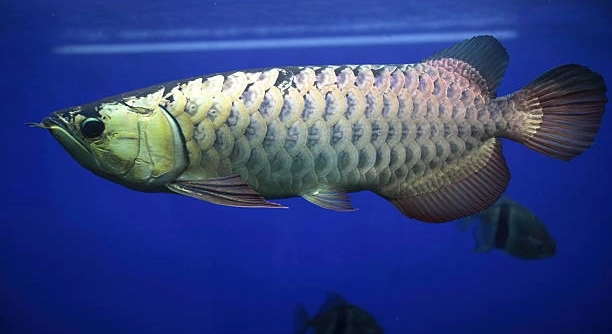
Arowanas are fascinating fish admired for their elegance and vibrant scales. Many owners notice behaviors that seem strange at first but are often perfectly normal in these aquatic pets. Observing these habits can deepen understanding of their nature.
Some arowana behaviors, such as surface swimming, tail flicking, or occasional jumping, are natural instincts rather than signs of stress. These actions support feeding, territory monitoring, and exercise, and they do not typically indicate illness or require intervention from the owner.
Recognizing these behaviors allows owners to feel confident in their care. Each habit has a purpose, reflecting the arowana’s instincts and well-being in its environment.
Surface Swimming and Gliding
Many arowanas spend a lot of time near the water’s surface. They glide gracefully, scanning for food or exploring their surroundings. This behavior may seem unusual, especially when they hover motionless or slowly drift in one area. It is not a sign of illness but part of their natural instincts. Surface swimming allows them to access oxygen more efficiently. It also helps them stay alert to any movements above the tank. Observing this can give insight into their comfort level. They often repeat these motions at certain times, especially after feeding. Light and water temperature can influence how frequently they surface. It’s common for them to patrol the upper area of the tank, even without food nearby. This behavior should not be disrupted. Maintaining a clean surface and stable water conditions supports this habit. In general, it is a natural, healthy pattern for your arowana.
Surface swimming is completely normal and indicates a healthy, attentive fish monitoring its environment while accessing oxygen efficiently.
For arowanas, surface gliding is not random. It serves multiple purposes: monitoring food availability, keeping an eye on potential threats, and ensuring optimal breathing. Understanding this habit helps owners maintain proper tank conditions. Observing when and how often they perform this action provides clues about their health and comfort. Tank setup, including water level and flow, can affect this behavior. Owners may notice more activity near feeding times or in brighter areas. Supporting this behavior with adequate oxygenation and minimal disturbances ensures your arowana can continue gliding naturally without stress or health concerns. Recognizing it as a regular habit removes unnecessary worry.
Tail Flicking and Quick Turns
Tail flicking is often a sign of exercise or alertness rather than aggression.
Arowanas use tail flicking to navigate quickly or adjust their position in the tank. This rapid movement allows them to respond to changes in their environment efficiently. Tail flicking also helps with balance and maintaining stability while swimming. It is particularly noticeable when they interact with tank decorations or during feeding. Sudden turns and flicks are instinctive and indicate that the fish is actively engaging with its space. Some flicks are subtle, while others are more pronounced, but both are normal. Owners should note that excessive or continuous flicking may point to water quality issues, so occasional observation is sufficient. This behavior is typically brief and serves functional purposes rather than showing distress.
Tail flicking is an instinctive habit that keeps arowanas agile, balanced, and responsive to their environment.
Tail flicking and sharp turns in arowanas are part of their natural activity. These movements allow them to explore the tank efficiently and respond to stimuli, including food or sudden shadows. They also use flicking to maintain proper balance and alignment while swimming, especially near tank walls or decorations. Observing these behaviors helps owners understand that the fish is alert and active. The intensity and frequency may vary based on time of day, water temperature, and feeding routines. Occasional bursts of rapid motion are expected and healthy. Ensuring the tank has enough space for swimming and clear water conditions supports this behavior. Recognizing tail flicking as a normal pattern prevents unnecessary concern about aggression or illness. Owners can safely enjoy these glimpses of their arowana’s natural agility.
Occasional Jumping
Arowanas may jump out of the water, which is instinctive rather than alarming. This behavior usually occurs when they are excited or trying to catch food. Proper tank covering is necessary to prevent accidents. It is not a sign of illness but a natural expression of energy.
Jumping helps arowanas practice hunting skills and adjust to their environment. In the wild, this behavior allows them to catch prey near the water surface. In captivity, they may leap during feeding or when startled. Ensuring the tank is secure prevents injury while allowing them to display this natural habit. Providing ample space and avoiding sudden disturbances reduces the frequency of jumps. Owners often notice these leaps more when water levels are high or when the fish detects movement outside the tank. Occasional jumping is a sign of a healthy, active fish.
While it may seem dramatic, jumping is an expression of energy and alertness. Observing it occasionally is normal. Owners should focus on safety measures.
Head Bobbing and Tilted Swimming
Head bobbing is a subtle behavior where the arowana moves its head up and down while swimming. It can indicate exploration, balance adjustment, or sensory engagement. Tilted swimming, where the body leans slightly to one side, often accompanies this. Both are natural actions.
These movements help arowanas maintain equilibrium in the water. Head bobbing assists in scanning the surroundings, improving spatial awareness. Tilted swimming allows them to maneuver around obstacles and adjust buoyancy. Neither behavior signals stress if the fish appears otherwise healthy. Observing regular feeding, clear eyes, and smooth scale appearance confirms normalcy. These behaviors may increase when interacting with tank elements or other fish. They are subtle cues about the fish’s engagement with its environment and should not cause concern. Maintaining stable water conditions supports these habits and encourages healthy activity.
Arowanas use head bobbing and tilting to interact with their surroundings efficiently. These habits improve navigation, balance, and awareness in the tank, reflecting instinctive behavior. Understanding them reduces unnecessary worry about their health.
Flaring Fins
Arowanas sometimes flare their fins suddenly. This behavior is usually a display of excitement, alertness, or territorial awareness. It is not aggressive in a harmful sense but a natural reaction to changes in the tank environment.
Flaring helps the fish appear larger and more confident. It can occur during feeding, interaction with reflections, or the presence of other fish. Observing flaring is a sign that your arowana is active and aware of its surroundings.
Resting in Corners
Arowanas may rest in tank corners or near decorations. This behavior provides a sense of security and a break from constant swimming. It is normal and indicates comfort in their environment. Regular observation ensures the spot is clean and safe.
Mouth Gaping
Mouth gaping is often seen when arowanas open and close their mouths slowly. This action helps with breathing and regulating water flow over their gills. It can also indicate alertness or feeding readiness. As long as it is occasional and not continuous, it is normal behavior.
Shadow Chasing
Arowanas sometimes follow shadows or movements outside the tank. This instinctive reaction mimics hunting behavior in the wild and is harmless. Observing this habit shows the fish is alert and responsive to visual stimuli in its environment.
FAQ
Why does my arowana jump out of the water?
Jumping is a natural instinct for arowanas. In the wild, it helps them catch prey near the surface. In a tank, it can occur during feeding, excitement, or if they are startled. Providing a secure tank lid prevents injuries while allowing them to move naturally.
Is tail flicking a sign of illness?
Tail flicking is generally normal and indicates activity or alertness. It helps with balance and quick navigation. Continuous or frantic flicking, combined with other signs like loss of appetite or lethargy, may indicate stress or poor water conditions. Otherwise, occasional flicking is healthy.
Why does my arowana swim near the surface constantly?
Surface swimming is normal and allows the fish to access more oxygen and observe its surroundings. It may increase after feeding or in well-lit areas. Ensure water quality is stable, but surface swimming alone is not a cause for concern.
What does flaring fins mean?
Flaring fins show alertness, excitement, or territorial behavior. It makes the fish appear larger and more confident. It usually happens when feeding, seeing reflections, or noticing changes in the tank. As long as it’s occasional, it is normal behavior.
Is head bobbing a problem?
Head bobbing is often subtle and indicates balance adjustments or sensory engagement. It helps arowanas scan their environment and maintain stability while swimming. Paired with normal eating and appearance, head bobbing is not a sign of illness.
Why does my arowana rest in corners or near decorations?
Resting in corners provides security and a break from constant swimming. It is normal behavior that reflects comfort. Make sure the resting areas are clean, and avoid sudden movements nearby to keep the fish relaxed.
Is mouth gaping dangerous?
Occasional mouth gaping is a normal respiratory behavior and helps regulate water flow over the gills. It can also indicate feeding readiness. Continuous gaping, paired with labored breathing, could signal water quality issues or illness. Otherwise, it is harmless.
Why does my arowana chase shadows?
Shadow chasing mimics hunting instincts from the wild. The fish reacts to movements outside the tank as it would to prey. This is a harmless display of alertness and activity. Limiting rapid movements near the tank can reduce excessive chasing.
Do these habits affect health?
Most of these behaviors are natural and do not harm your arowana when water conditions, tank size, and diet are adequate. Observing patterns helps owners ensure the fish is active and healthy while recognizing behaviors that require attention.
How can I support these habits?
Maintain clean water, provide enough space, and keep a secure lid to allow natural behaviors. Regular feeding schedules, minimal sudden disturbances, and proper tank setup help your arowana remain active and stress-free. Recognizing these habits allows for better care without unnecessary concern.
Can multiple arowanas display these behaviors together?
Yes, these behaviors can appear in multiple arowanas simultaneously, especially in shared tanks. Flaring, surface swimming, and tail flicking may occur around feeding times or in response to external movement. Monitoring interactions ensures all fish remain healthy and safe.
How often should I monitor these behaviors?
Regular observation is enough to ensure normal activity. Spotting sudden changes in swimming patterns, appetite, or energy levels can help detect potential health issues early. Keeping notes can help track trends and address concerns promptly.
Are any of these behaviors signs of stress?
Only persistent, exaggerated, or unusual changes combined with other symptoms, like discoloration or lethargy, indicate stress. Most of the behaviors described are normal and part of the arowana’s natural instincts. Ensuring stable water conditions reduces stress.
How can I tell normal behavior from illness?
Normal behavior is consistent with feeding, alertness, and clear appearance. Signs of illness include lethargy, loss of appetite, rapid gill movement, discoloration, or constant erratic swimming. Observing habits alongside general health indicators helps distinguish between instinctive actions and medical concerns.
Final Thoughts
Arowanas are unique fish with a variety of habits that can seem strange at first. Observing them closely reveals that many of these behaviors, such as surface swimming, tail flicking, and head bobbing, are part of their natural instincts. These actions help the fish navigate their environment, maintain balance, and respond to stimuli. While some movements may appear unusual, they are generally harmless and indicate that the fish is alert and active. Recognizing these behaviors allows owners to feel more confident in understanding their arowana’s needs. Maintaining proper tank conditions, including stable water parameters, adequate space, and regular feeding, supports these natural habits. Over time, owners may notice patterns that provide insight into their fish’s daily routines and preferences, helping create a healthier and more comfortable environment for the arowana.
It is important to remember that occasional behaviors like jumping, flaring fins, or resting in corners are normal and reflect the fish’s instincts. Jumping often demonstrates energy and alertness, while flaring fins can indicate confidence or territorial awareness. Resting in quiet areas shows that the fish feels safe and secure in its surroundings. Even behaviors like shadow chasing or mouth gaping have functional purposes, from hunting instincts to efficient respiration. Observing these habits over time helps distinguish what is typical for your arowana versus what may require attention. Owners should focus on providing a secure and enriched environment, which minimizes stress and allows these behaviors to occur naturally. Avoiding unnecessary interventions ensures that the fish remains comfortable and maintains its normal activity levels.
Consistently monitoring an arowana’s behavior also helps detect potential problems early. While most habits are harmless, changes in patterns, appetite, or energy levels can signal stress or health issues. Comparing current behaviors to what is typical for the fish makes it easier to identify when something is wrong. Maintaining clean water, monitoring temperature, and providing proper nutrition are essential steps in keeping the fish healthy. By understanding and accepting these natural habits, owners can provide better care and enjoy observing the fish without unnecessary worry. Appreciating the arowana’s instincts and routines encourages a more relaxed approach to ownership and fosters a balanced, healthy environment where the fish can thrive.

Hello,
If you enjoy the content that we create, please consider saying a "Thank You!" by leaving a tip.
Every little bit helps us continue crafting quality advice that supports the health, happiness, and well-being of pets around the world, for pets of all shapes, sizes, and species.
We really appreciate the kindness and support that you show us!