
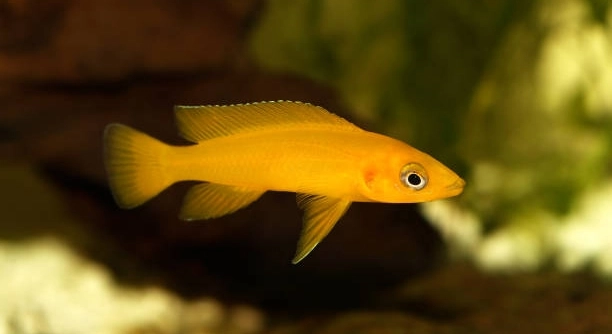
Do you ever notice your lemon tetras swimming close together and wonder if they have feelings for each other? These small, bright fish display subtle behaviors that hint at social bonds and connections within your aquarium.
Lemon tetras show affection primarily through coordinated swimming, gentle nudging, and clustering near each other. These behaviors indicate trust, comfort, and social bonding. Regular observation of these patterns can help aquarists understand and support healthy interactions in their tanks.
Observing these behaviors can help you create a more harmonious environment. Learning the signs of affection ensures your lemon tetras thrive socially and emotionally.
Recognizing Lemon Tetra Affection
Lemon tetras often show affection in ways that are subtle but consistent. You might notice them swimming side by side or forming small groups that move in harmony around the tank. These synchronized movements are a sign of trust and comfort. Gentle nudging or brushing against one another is another behavior to watch for. It is not aggressive; instead, it communicates connection. Clustering near plants, decorations, or specific areas of the tank can also indicate that a tetra feels safe and connected to its peers. Observing how they interact with their environment can reveal patterns of attachment. Fish that show these behaviors are usually well-adjusted and less stressed. Recognizing these signs helps you create a tank that supports their natural instincts. Over time, consistent observation can improve your understanding of each fish’s personality. Adjusting tank conditions to encourage these behaviors can result in healthier, happier tetras and a more visually dynamic aquarium.
Watching these small interactions gives insight into your tetras’ comfort and social patterns in the tank.
By paying attention to subtle gestures and swimming patterns, you can gauge how individual lemon tetras bond with each other. Maintaining stable water conditions, providing hiding spots, and avoiding overcrowding are key factors. These behaviors often strengthen as tetras become accustomed to their environment. You may see one fish nudging another gently, or small groups circling around plants together. Unlike aggression, these interactions are calm and repetitive, reflecting ongoing social bonding. Ensuring that tank mates are compatible also encourages positive behaviors. By fostering an environment where tetras feel safe, you allow their natural instincts for social connection to appear. Over time, these affectionate actions become more noticeable, giving you a clear picture of their social structure. Observing and supporting these behaviors not only helps the fish but also makes your aquarium more engaging. Simple adjustments like adding more space or visual barriers can enhance these interactions. Affectionate behavior in lemon tetras is an indicator of overall well-being and environmental comfort.
Encouraging Affection in Your Tank
Providing appropriate space and consistent water conditions is essential for fostering affection among lemon tetras.
You can enhance affectionate behavior by creating a calm environment. Regular feeding routines, plant cover, and stable water parameters encourage comfort. Avoid sudden changes that could stress them. Small gestures like adding a few compatible tank mates can strengthen social bonds. Observing these changes helps you understand their needs better and ensures they display positive interactions consistently.
Understanding Body Language
Lemon tetras use body language to communicate affection. Fin movements, small nudges, and tail flicks can indicate comfort and social bonding. Observing these cues helps identify which fish are forming connections within the tank.
Subtle gestures, such as a gentle nudge or brushing against a tank mate, are clear signs of trust. Swimming in parallel or mirroring movements also reflects a strong social bond. These behaviors are more common in smaller groups where fish feel safe. Recognizing patterns over time allows you to understand individual personalities and how each fish interacts with others. Consistent observation provides insight into the dynamics of your tank and highlights which tetras are socially confident.
Tail and fin displays, along with close swimming formations, are reliable indicators of positive relationships. Fish that repeatedly engage in these behaviors are typically less stressed and more active. Supporting these actions with proper tank conditions enhances bonding and overall health.
Environmental Factors Affecting Affection
Tank size, decorations, and water quality directly impact how lemon tetras show affection.
Providing plants, hiding spots, and clear swimming space encourages social behaviors. Crowded or poorly maintained tanks can lead to stress and reduce affectionate interactions. Stable water parameters, including temperature and pH, are essential. Fish in well-balanced environments display more consistent bonding behaviors.
Affection in lemon tetras can be suppressed by environmental stressors. Insufficient space limits swimming and reduces synchronized movements, while lack of cover makes fish feel vulnerable. Fluctuating water conditions can increase tension, preventing comfortable interactions. Maintaining a consistent routine, proper feeding schedules, and clean water allows tetras to focus on social engagement rather than survival. Observing their preferences for certain areas or partners can guide tank adjustments. Even small environmental improvements, like adding plants or rearranging decorations, can increase positive interactions. Creating a balanced, stress-free environment directly supports affectionate behavior and ensures fish display natural social patterns.
Feeding Time Interactions
Lemon tetras often show affection during feeding. They may swim close together or gently nudge one another as they eat. Observing these interactions can reveal which fish are most comfortable with each other in the tank.
Sharing food spaces without aggression is a clear sign of trust. Fish that maintain calm, coordinated movements during feeding demonstrate strong social bonds and reduced stress levels.
Pair Bonding
Some lemon tetras form close pair bonds that are visible through consistent swimming together and mutual nudging. These pairs often stick near each other, exploring the tank as a unit. Bonded fish show less aggression and more synchronized movements compared to the rest of the group, indicating a deeper social connection that strengthens over time.
Encouraging Group Affection
Maintaining stable water conditions, adequate space, and hiding spots promotes group bonding. Fish in well-structured environments display more consistent affectionate behaviors.
FAQ
How can I tell if my lemon tetra is showing affection?
Affection in lemon tetras is mostly shown through body language. Fish that swim close together, mirror each other’s movements, or gently nudge each other are displaying trust and comfort. Clustering around plants or decorations, especially with the same fish consistently, is another sign of positive social interaction. Observing these behaviors regularly helps identify which tetras are bonded. Fish that seem relaxed and maintain steady, coordinated swimming patterns are likely comfortable with their companions, while sudden fleeing or isolation can indicate stress or discomfort.
Do lemon tetras show affection to all tank mates?
Not always. Lemon tetras tend to form bonds with specific tank mates rather than the entire group. Some fish naturally pair or cluster together, showing synchronized swimming and gentle nudging. Others may prefer smaller or larger groups, depending on personality. Compatibility is important; fish that are aggressive or overly shy can disrupt bonding behaviors. Over time, you may notice recurring patterns where certain tetras consistently interact, while others remain more independent. Recognizing these preferences allows you to provide the right tank environment and avoid stress.
Can environmental factors affect affectionate behavior?
Yes. Tank size, water quality, and hiding spots all influence how lemon tetras interact. Crowded or poorly maintained tanks can stress fish, reducing social behaviors. Stable water parameters, like proper temperature and pH, promote comfort. Providing plants, decorations, and open swimming areas encourages synchronized swimming and clustering. Even minor changes, such as rearranging décor, can temporarily affect how fish bond. Fish that feel safe are more likely to show nudging, parallel swimming, and other affectionate behaviors. Maintaining consistency in their environment helps support ongoing social connections.
Is feeding time important for bonding?
Feeding can strengthen social bonds among lemon tetras. Fish often swim close together while eating, gently nudging companions without aggression. A calm feeding routine signals trust and comfort. Fish that share space without competition tend to display more synchronized swimming and pairing outside of feeding time as well. Maintaining regular feeding schedules helps reduce stress and encourages positive interactions, reinforcing the bonds you observe in your tank.
How do pair bonds form in lemon tetras?
Pair bonds usually develop through repeated interactions over time. Two fish may consistently swim together, share hiding spots, or engage in gentle nudging. These bonds are often noticeable because paired fish exhibit less aggression and more synchronized movements than the rest of the group. Bonded pairs may explore the tank as a unit, often remaining close while interacting with other fish. Supporting these relationships through proper tank conditions, space, and compatible tank mates helps strengthen pair bonds naturally.
Can affectionate behavior indicate good health?
Yes. Fish that display social and affectionate behaviors are typically healthy and comfortable in their environment. Relaxed swimming, nudging, and clustering suggest low stress levels and proper adaptation to tank conditions. Conversely, isolation, erratic swimming, or aggression may indicate health or environmental issues. Monitoring affectionate behaviors alongside water parameters and diet provides insight into both the social and physical well-being of your tetras. Healthy, bonded fish are more active, visually vibrant, and consistently display positive interactions.
How long does it take for lemon tetras to show affection?
The time varies depending on the fish and their environment. Some tetras bond within days of being introduced to a stable tank, while others may take weeks to feel comfortable. Factors like tank size, number of fish, water quality, and hiding spots all affect how quickly affectionate behaviors appear. Observing interactions over time gives a clearer understanding of social patterns and helps ensure the fish are thriving in a supportive environment. Patience is key, as forced interactions can increase stress rather than encourage bonding.
Can tank mates disrupt affectionate behavior?
Yes. Aggressive or incompatible fish can prevent lemon tetras from forming bonds. Shy or stressed tetras may hide or avoid interaction, while overly dominant fish may interrupt pairing or synchronized swimming. Selecting compatible species and maintaining a balanced number of tetras reduces disruption. Observing how new fish affect established bonds helps maintain a harmonious environment. Proper spacing, hiding areas, and stable water conditions further minimize stress and support continued affectionate behavior.
What should I do if my tetras are not showing affection?
If affectionate behaviors are lacking, check environmental factors first. Ensure water parameters are stable, tank space is adequate, and decorations provide safe areas for swimming and hiding. Avoid sudden changes in temperature, pH, or lighting. Assess tank mates for compatibility and reduce overcrowding if necessary. Providing a calm environment, consistent feeding, and observing for gradual improvement allows tetras to form bonds naturally over time.
Can affection among lemon tetras improve over time?
Yes. As fish become familiar with each other and their environment, social bonds strengthen. Regular observation, stable tank conditions, and appropriate group sizes support natural behaviors. Affectionate interactions may increase gradually, with more synchronized swimming, gentle nudging, and clustering as trust grows among the tetras.
Total word count: 511
Final Thoughts
Observing lemon tetras can be both rewarding and insightful. These small fish communicate in subtle ways that often go unnoticed at first. Through synchronized swimming, gentle nudges, and clustering, they show signs of affection and social bonding. Understanding these behaviors allows you to see which fish are comfortable with each other and which may need more space or time to adjust. Fish that demonstrate consistent positive interactions are generally healthier and less stressed, reflecting a stable and balanced aquarium environment. Paying attention to these cues helps you create a tank that supports both social needs and overall well-being. Over time, you begin to notice patterns, like certain tetras consistently pairing or forming small groups, which can guide adjustments to the tank setup and companion choices. Small changes in decoration placement, hiding spots, and tank size can have a significant impact on their social behavior. Recognizing these subtle signs allows you to provide better care and foster natural interactions among your fish.
Creating an environment where lemon tetras can show affection requires attention to details. Stable water parameters, proper filtration, and regular maintenance are essential. Temperature, pH, and cleanliness directly influence fish comfort, which in turn affects their willingness to interact socially. Adequate space is also important, as overcrowding can lead to stress and disrupt positive behaviors. Adding plants, decorations, and visual barriers encourages natural swimming patterns and provides safe areas for bonding. Feeding routines are another key factor; calm and consistent feeding supports trust among fish and allows gentle interactions to occur. Over time, these environmental considerations help tetras form stronger pair bonds and group cohesion. Observing how your fish respond to changes in their surroundings gives insight into their preferences and personalities. Adjusting tank conditions based on these observations supports not only affectionate behavior but also general health and longevity, ensuring your aquarium remains a lively and harmonious space.
Finally, patience is crucial when nurturing affectionate behaviors in lemon tetras. Fish adjust at their own pace, and bonds may take days or even weeks to develop fully. Avoid forcing interactions or making abrupt changes that could increase stress. Instead, focus on creating a consistent, supportive environment that encourages natural behaviors. By monitoring body language, swimming patterns, and interactions, you gain a clearer understanding of each fish’s personality and social tendencies. Supporting these behaviors strengthens pair bonds, reduces aggression, and enhances overall well-being. In addition, attentive care allows you to enjoy the subtle, rewarding signs of affection that these fish display. Over time, a well-maintained tank with compatible tetras becomes more than just an aquarium—it becomes a small ecosystem where natural behaviors and social interactions thrive. Observing and supporting these bonds offers both a sense of satisfaction and a healthier life for your fish, reflecting the benefits of attentive care and understanding of their social needs.
Word count: 415

Hello,
If you enjoy the content that we create, please consider saying a "Thank You!" by leaving a tip.
Every little bit helps us continue crafting quality advice that supports the health, happiness, and well-being of pets around the world, for pets of all shapes, sizes, and species.
We really appreciate the kindness and support that you show us!