
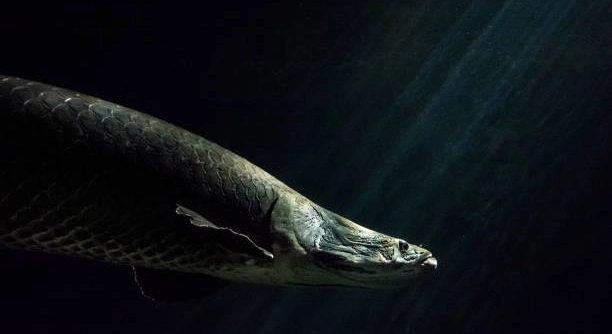
Bringing home a new arowana can feel exciting and a little overwhelming. The first week is crucial as your fish adjusts to its new environment and begins to settle into its tank comfortably and safely.
During the first week, your arowana will likely explore its surroundings cautiously, adjust to water parameters, and establish feeding patterns. Providing stable conditions, proper diet, and minimal stress is essential to ensure its health and acclimation.
Observing its behavior and maintaining a consistent routine will help you support your arowana’s smooth transition into its new home.
Preparing the Tank Before Arrival
Setting up the tank properly before your arowana arrives is essential. Begin with a large tank that allows enough swimming space, ideally 150 gallons or more for adult arowanas. Ensure the water is properly filtered and cycled to remove harmful chemicals and establish beneficial bacteria. Use a heater to maintain stable temperatures between 75–82°F, depending on your species. Substrate choice is important; sand or smooth gravel works best to prevent injury. Decorate minimally with sturdy plants or driftwood to give hiding spots without overcrowding. Test water parameters including ammonia, nitrite, nitrate, and pH levels to ensure they are safe. Adding a gentle flow helps mimic natural conditions and reduces stress. Before introducing the fish, run the tank for several days to confirm stability. Arowanas are sensitive to sudden changes, so a calm and stable environment will support their health and reduce the risk of shock. Proper preparation sets the stage for a smooth first week.
Testing water daily during the first week is crucial to catch any imbalances early. Stable water keeps your arowana healthy.
Arowanas can be stressed by sudden changes, so maintaining clean water, consistent temperature, and proper filtration is key. Even small adjustments should be gradual, and equipment should be checked regularly. Observing your fish for signs of stress like clamped fins, erratic swimming, or refusal to eat helps you respond quickly. Feeding should be monitored carefully, offering live or frozen foods initially, gradually transitioning to pellets. Avoid overfeeding to prevent water quality issues. Creating a calm environment with minimal disturbances ensures the arowana begins to explore its surroundings confidently. Over time, you will notice it becoming more active and responsive to its new home. A well-prepared tank and attentive care during this first week lay the foundation for long-term health and vibrant growth, ensuring your arowana adapts comfortably and thrives in its environment.
First Feeding and Diet
Introducing food should be done carefully. Offer small portions to observe your arowana’s appetite. Avoid sudden changes in diet to prevent stress.
Start with high-quality live or frozen foods, such as shrimp, small fish, or insects, gradually introducing pellets once the fish is comfortable.
During the first week, feeding is not just about nutrition but also about building trust and observing health. Arowanas may hesitate to eat in a new environment, so patience is necessary. Feed in the same location and at the same time each day to establish a routine. Avoid overfeeding, as leftover food can pollute the water and harm the fish. Monitor for signs of digestive issues or refusal to eat, adjusting portions as needed. Rotate food types to provide balanced nutrition and encourage natural hunting behaviors. While live foods are preferred initially, slowly adding pellets ensures long-term dietary stability. Proper feeding habits, combined with clean water and a stress-free environment, help your arowana settle in confidently, supporting growth and overall well-being.
Monitoring Behavior
Arowanas often explore their new tank cautiously. Watch for erratic swimming, hiding, or aggression, which may indicate stress. Frequent observation helps you respond quickly to any health or environmental issues that arise during the first week.
During the initial days, your arowana may appear hesitant to swim or may cling to corners. This behavior is normal as it adjusts to new surroundings. Provide a calm environment with minimal disturbances and maintain consistent water parameters. Avoid sudden changes in lighting, temperature, or decorations. Interaction should be limited, allowing the fish to acclimate naturally. Any signs of lethargy, rapid gill movement, or clamped fins should be addressed immediately, possibly indicating water quality problems or stress.
Feeding behavior is another key indicator. A fish that refuses food may need more time to adjust or may be reacting to water conditions. Patience is important; gradually it will explore, swim more freely, and respond to feeding cues. Ensuring stability in diet, temperature, and tank maintenance encourages healthy adaptation, allowing the arowana to show its natural behavior while minimizing stress during this vulnerable period.
Water Quality Checks
Maintaining water quality is critical. Test pH, ammonia, nitrite, and nitrate levels daily to ensure the environment remains safe. Minor fluctuations can stress your arowana, impacting appetite and behavior.
Frequent water changes and proper filtration prevent toxic buildup. Even in a cycled tank, new fish can introduce waste that alters water chemistry. Monitor for cloudy water, unusual odors, or debris, which may indicate the need for partial water changes. Adjust filtration or add aeration if oxygen levels drop. Keep temperature stable and avoid sudden shifts, as arowanas are sensitive to rapid changes. Documenting water parameters daily helps track trends and identify potential issues before they become serious. Consistent maintenance reduces stress and supports overall health.
Proper water quality management goes beyond testing. Use a reliable water conditioner to remove chlorine or chloramines and maintain stable hardness and pH levels. Observe how the fish reacts after water changes to ensure transitions are smooth. Feeding small amounts and removing uneaten food reduces the risk of spikes in ammonia or nitrites. Over time, establishing a routine for monitoring and maintenance will create a balanced environment that promotes growth, vibrant colors, and natural activity. Careful attention during the first week sets the standard for long-term success.
Adjusting to Tankmates
Introducing your arowana to other fish should be done gradually. Observe interactions closely to prevent bullying or territorial disputes. Monitor for signs of stress or aggression to ensure a peaceful environment.
Smaller or slower fish may need separate spaces initially. Arowanas can become dominant, so providing hiding spots and adequate space helps reduce conflict.
Lighting and Environment
Consistent lighting supports natural behavior and helps regulate feeding and activity patterns. Use a timer to maintain a regular day-night cycle, avoiding sudden changes that may stress your arowana. Bright lighting can be introduced gradually, and shaded areas or decorations offer refuge.
Handling Stress
Stress can weaken immunity and affect appetite. Minimize disturbances around the tank, maintain water stability, and monitor behavior carefully to reduce risks.
FAQ
How often should I feed my new arowana during the first week?
During the first week, feed small portions once or twice a day. Start with live or frozen foods such as shrimp, small fish, or insects. Avoid overfeeding, as leftover food can quickly affect water quality. Observe whether the arowana is eating well and adjust portions accordingly. Gradually, you can introduce high-quality pellets once the fish is comfortable. Consistency in feeding time and location helps your arowana establish a routine.
What signs indicate my arowana is stressed?
Stress can show in several ways. Look for clamped fins, erratic swimming, hiding excessively, or refusing food. Rapid gill movement or loss of color may also indicate stress. Stress often arises from poor water quality, sudden environmental changes, or aggressive tankmates. Addressing these factors quickly is key. Maintaining stable water parameters, a calm environment, and proper feeding routines reduces stress during the critical first week.
Can I handle my arowana during the first week?
It’s best to avoid handling during the first week. Arowanas are sensitive and can be stressed by physical contact. Allow the fish to acclimate and observe its behavior instead. Handling may increase the risk of injury or stress-related illness. Focus on monitoring swimming, eating habits, and interactions with the environment. After the first week, handling should still be minimal and only for necessary maintenance, such as moving the fish during tank cleaning or treatment.
How do I maintain proper water quality?
Test water parameters daily, checking pH, ammonia, nitrite, and nitrate levels. Perform partial water changes to remove excess waste and prevent spikes in harmful chemicals. Use a high-quality filtration system and maintain stable water temperature. Remove uneaten food promptly and avoid overcrowding the tank. Keeping a log of water parameters helps identify trends and address potential issues early. Arowanas are highly sensitive to sudden changes, so consistency and routine maintenance are essential for long-term health.
Is it normal if my arowana doesn’t eat at first?
Yes, it’s common for new arowanas to hesitate in a new tank. Stress or unfamiliar surroundings can temporarily reduce appetite. Offer familiar live or frozen foods in small portions and maintain a calm environment. Avoid frequent changes in food type or location. Over the first week, feeding should gradually improve as the fish acclimates. Monitoring eating behavior helps you detect any underlying issues with water quality or health early.
What temperature should I keep the tank at?
Keep water temperature stable between 75–82°F depending on your arowana species. Use a reliable heater and thermometer to maintain consistency. Sudden changes can stress the fish and affect appetite or behavior. Consistent temperature supports immune function, digestion, and activity levels.
Can my arowana be housed with other fish?
During the first week, avoid introducing new tankmates. Arowanas are territorial and may become aggressive. Gradually introduce other fish only after observing the arowana’s behavior and ensuring sufficient space and hiding spots. Monitor interactions closely for any signs of stress or aggression.
How do I encourage my arowana to explore the tank?
Keep the environment calm and provide a few sturdy decorations or plants. Avoid excessive movement or tapping on the glass. Gradual introduction to lighting changes and feeding routines encourages the fish to swim confidently. Patience is key, as exploration naturally increases over time.
What should I do if my arowana refuses to eat for several days?
Check water quality immediately, as poor conditions are a common cause. Ensure the temperature and pH are stable. Offer a variety of live or frozen foods, and remove any uneaten portions to prevent water issues. If refusal continues beyond a few days, consult a vet specializing in fish health.
How can I tell if my arowana is healthy after the first week?
A healthy arowana is active, explores the tank, eats consistently, and shows vibrant coloration. Fins should be open and intact, and swimming should be smooth and confident. Regular monitoring and stable tank conditions help maintain health and prevent illness.
This FAQ addresses common concerns during the crucial first week, offering practical guidance to ensure your arowana’s smooth adjustment and long-term well-being.
Caring for a new arowana in its first week is a careful balance of observation, patience, and consistency. The first days are the most critical as the fish adapts to its new environment. Providing stable water conditions, a properly sized tank, and gentle lighting helps the arowana feel secure. Monitoring water parameters daily ensures the tank remains safe, and any issues can be addressed promptly. Feeding small portions of appropriate live or frozen foods allows the fish to develop a routine without causing excess waste. Avoiding sudden changes, excessive handling, and disturbances around the tank minimizes stress, which can otherwise affect appetite, behavior, and overall health. Even small details, like offering hiding spots or gradually adjusting lighting, contribute to a smoother transition. By focusing on creating a calm, stable environment, the arowana can explore the tank confidently and start establishing healthy habits for the long term.
Observation plays a major role in the first week. Watching your arowana’s behavior, swimming patterns, and feeding habits provides important insight into its comfort and well-being. Signs of stress, such as clamped fins, erratic swimming, or refusal to eat, indicate areas that may need attention. Ensuring that water parameters such as pH, ammonia, nitrite, and nitrate levels remain within safe ranges is vital, as even small fluctuations can affect the fish. Interaction with tankmates, if present, should be closely monitored, and adjustments made to prevent aggression or territorial disputes. A calm routine helps your arowana feel secure, allowing it to grow accustomed to its surroundings. Patience is essential during this period, as the fish may take several days to fully settle in. By carefully observing and responding to its needs, you can prevent potential health issues and create conditions for steady growth.
The first week also sets the stage for long-term health and behavior. Feeding routines, water quality management, and tank maintenance all establish the foundation for a strong, healthy fish. Gradual adjustments to diet, lighting, and environment support proper development while reducing stress. By maintaining consistency and attention to detail, you ensure your arowana develops confidence in its tank and engages in natural behaviors. Over time, the fish becomes more active, responsive, and comfortable with its surroundings. Taking the time to carefully manage this initial period benefits both the arowana and the keeper, fostering a positive experience and encouraging a vibrant, healthy, and well-adjusted fish in the weeks and months ahead.

Hello,
If you enjoy the content that we create, please consider saying a "Thank You!" by leaving a tip.
Every little bit helps us continue crafting quality advice that supports the health, happiness, and well-being of pets around the world, for pets of all shapes, sizes, and species.
We really appreciate the kindness and support that you show us!