
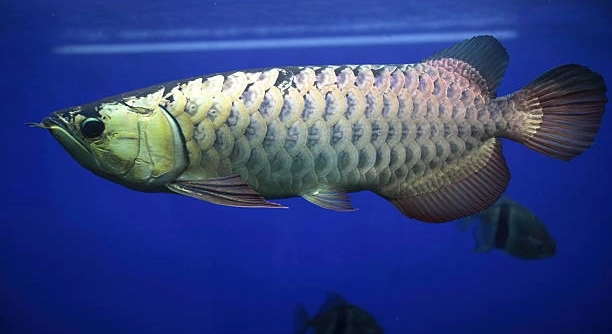
Is your arowana losing its scales unexpectedly? This issue can be worrying for any fish owner. Observing your pet carefully and noticing changes early can make a significant difference in preventing further health problems and maintaining its well-being.
Scale loss in arowanas is commonly caused by poor water quality, physical injuries, or bacterial and parasitic infections. Ensuring optimal tank conditions, maintaining proper diet, and monitoring the fish for signs of stress are critical steps in addressing this issue effectively.
Maintaining arowana health requires careful observation, proper care, and timely intervention to prevent long-term damage to its scales and overall vitality.
Common Causes of Scale Loss
Arowanas are sensitive fish, and losing scales can signal several issues. Poor water quality is one of the most frequent causes. High ammonia or nitrite levels, fluctuating pH, or dirty tanks can irritate the skin, causing scales to loosen. Physical injuries are another factor. Arowanas are active swimmers, and collisions with tank decorations or walls can damage scales. Overcrowding increases stress and the risk of injury. Parasites and bacterial infections also play a significant role. These can cause inflammation and damage to the skin, leading to scales falling off. Diet is another key factor; a lack of essential nutrients like vitamins and minerals can weaken the skin’s integrity. Monitoring behavior and tank conditions helps prevent scale loss. Regular water changes, proper tank setup, and a balanced diet can significantly reduce the risk. Observation and quick action often prevent more severe health issues from developing in your arowana.
Maintaining water quality and avoiding tank injuries are essential to keeping scales intact.
Even minor changes in the environment can affect an arowana’s skin health. Consistent water testing, using filtration systems, and providing hiding spots reduce stress and prevent collisions. A varied diet, including vitamins and protein, supports strong skin. Early detection of infections allows for timely treatment before widespread scale loss occurs.
How to Treat Scale Loss
Immediate action is necessary when scales start falling.
Treating scale loss requires addressing the root issue. Start by testing water parameters, ensuring proper temperature, pH, and cleanliness. Remove aggressive tank mates and provide enough space to avoid injuries. Treat infections with appropriate medications after identifying bacterial or parasitic problems. Adjust the diet to include high-quality protein, vitamins, and minerals to support skin recovery. Gentle handling minimizes further damage. Monitoring the fish closely over the following weeks is crucial, as recovery can take time. Consistency in care ensures the scales regrow evenly. Maintaining optimal water conditions, balanced nutrition, and reducing stress helps prevent future occurrences. Recording observations of behavior, appetite, and scale regrowth provides insight into progress and alerts you to new issues quickly.
A balanced diet, clean tank, and proper care support your arowana’s health and prevent further scale loss.
Preventing Scale Loss
Consistent water maintenance is key to preventing scale loss. Regular testing for ammonia, nitrite, and pH levels helps avoid skin irritation. Tank cleanliness, proper filtration, and avoiding overcrowding reduce stress and physical injuries, keeping your arowana healthy and its scales intact.
Providing a balanced diet is essential. Arowanas require protein-rich food along with vitamins and minerals to maintain strong skin and scales. Overfeeding can cause water quality issues, while underfeeding weakens the fish’s immunity. Monitoring behavior and appetite ensures your fish is thriving. Small adjustments, like removing sharp decorations and providing adequate swimming space, prevent accidental damage to scales.
Observation is an effective prevention strategy. Watching your arowana daily for signs of stress, illness, or minor scale damage allows you to act quickly. Early detection of water issues or infections prevents serious problems. Keeping a consistent routine, including feeding schedules and water changes, supports overall health. Stress reduction, combined with proper tank setup and nutrition, helps maintain vibrant scales and prevents future loss.
Recognizing Symptoms Early
Scale loss often comes with additional warning signs. Changes in behavior, such as reduced activity, hiding, or loss of appetite, can indicate underlying health problems. Skin redness or lesions may appear alongside missing scales.
Early recognition is crucial for timely treatment. Noticing minor scale damage, unusual swimming patterns, or discoloration can prevent serious infections. Maintaining a log of observations helps identify patterns in behavior or environmental issues. Prompt water testing, tank adjustments, and dietary improvements can prevent worsening conditions. When infections are suspected, isolating the fish and administering proper treatment ensures a smoother recovery. This proactive approach reduces stress and encourages healthier scale regrowth.
Ignoring early symptoms often leads to more severe problems. Stress, poor water conditions, and untreated infections worsen scale loss. Taking immediate action, including adjusting water quality, improving nutrition, and monitoring tank interactions, protects your arowana. Observing subtle changes before they escalate ensures the fish recovers faster and maintains long-term health. Regular checks and small preventive steps significantly reduce risks, keeping your arowana active, vibrant, and free from further scale issues.
Common Water Issues
High ammonia, nitrite, or nitrate levels directly harm arowanas, leading to skin irritation and scale loss. Poor water circulation and inconsistent temperature further stress the fish, making them more susceptible to infections and injuries in the tank environment.
Overcrowding increases stress and aggression, causing accidental scale damage. Regular water changes and proper filtration maintain stable conditions. Monitoring temperature and using a reliable water testing routine ensures your arowana remains healthy, active, and free from skin problems.
Nutritional Deficiencies
Arowanas require a diet rich in protein, vitamins, and minerals to maintain healthy scales. Inadequate nutrition weakens the skin, making it more prone to damage and slower to heal. Feeding varied, high-quality food supports overall growth, immunity, and scale regeneration.
Physical Injuries
Sharp tank decorations, aggressive tank mates, or rough handling can tear or loosen scales. Minimizing hazards in the tank and ensuring ample swimming space prevents these physical injuries from occurring, protecting your arowana’s health and appearance.
FAQ
Why is my arowana losing scales suddenly?
Sudden scale loss usually points to stress, poor water quality, or physical injury. Arowanas are sensitive to changes in their environment. High ammonia or nitrite levels, fluctuating pH, or tank overcrowding can cause skin irritation. Injuries from decorations or other fish also contribute to scales falling off. Monitoring water conditions and tank setup helps prevent sudden problems.
Can infections cause scale loss?
Yes. Bacterial and parasitic infections are common reasons for scale loss. Infected areas may appear red, swollen, or have missing scales. Early detection is essential. Treating the fish with appropriate medication and isolating them if necessary prevents the infection from spreading and allows scales to recover more effectively.
How can I improve water quality to prevent scale loss?
Regular water changes and proper filtration are key. Test water for ammonia, nitrite, and nitrate levels frequently. Maintain stable pH and temperature. Avoid overcrowding and remove uneaten food promptly. Using gentle water circulation and keeping the tank clean reduces stress and irritation, which are major factors in scale loss.
Does diet affect scale health?
Absolutely. Arowanas need protein, vitamins, and minerals to maintain strong scales. Poor nutrition weakens skin integrity, making it more prone to damage. Offering a varied diet of high-quality pellets, live or frozen foods, and vitamin supplements promotes scale regeneration and overall health. Consistency in feeding schedules also reduces stress.
How long does it take for scales to regrow?
Regrowth depends on the severity of the damage, the fish’s age, and overall health. Minor scale loss may heal in a few weeks, while severe cases can take several months. Ensuring optimal water conditions, proper nutrition, and minimal stress helps accelerate recovery and prevents further loss.
Can stress alone cause scale loss?
Yes. Stress is a significant factor in scale shedding. Stress can result from poor water quality, overcrowding, aggressive tank mates, or frequent handling. Chronic stress weakens immunity and slows healing. Reducing stress by improving tank conditions, offering hiding spots, and maintaining a calm environment protects your arowana’s scales.
Should I separate an injured arowana?
Separating an injured fish is often beneficial. Isolation reduces the risk of further injury from tank mates and allows focused treatment. Use a clean, properly conditioned quarantine tank. Monitor water quality, offer nutritious food, and observe the fish closely for signs of infection or further scale loss.
What are the signs of a serious infection?
Signs include redness, inflammation, frayed fins, abnormal swimming, lethargy, and noticeable skin lesions. Missing scales accompanied by these symptoms require immediate attention. Treating infections promptly and maintaining good water quality increases the likelihood of recovery and prevents permanent damage.
Can physical injury fully regrow scales?
Yes, but full recovery requires proper care. If the underlying cause, like tank hazards or aggression, is removed, scales will gradually regrow. Nutrient-rich food and optimal water conditions support healing. Avoid handling or stressing the fish during recovery to ensure the new scales develop evenly.
Is preventive care more effective than treatment?
Preventive care is always better. Maintaining clean water, proper diet, and stress-free conditions reduces the risk of scale loss. Regular observation for early signs of irritation, injury, or infection allows for quick action. Preventing problems saves time, reduces stress for the fish, and maintains long-term health and appearance.
Can supplements help scale regrowth?
Certain vitamin and mineral supplements support skin and scale health. Including vitamins A, C, and E in the diet can strengthen immunity and aid regeneration. Protein-rich foods also help rebuild damaged tissue. Use supplements carefully according to dosage instructions to avoid overfeeding or water contamination.
How often should I check my arowana for scale issues?
Daily observation is best. Look for missing scales, redness, unusual swimming, or changes in appetite. Prompt detection allows you to address minor issues before they become serious. Keeping a log of observations helps track progress and notice patterns that may indicate recurring problems.
Are tank decorations a risk for scale loss?
Yes. Sharp or rough decorations can tear or scrape scales. Ensure all tank items are smooth and secure. Providing ample open swimming space reduces accidental collisions. Soft plants or rounded ornaments protect your arowana while allowing it to explore comfortably.
When should I consult a veterinarian?
Consult a vet if scale loss persists, spreads, or comes with infection signs such as swelling, lethargy, or abnormal swimming. A professional diagnosis ensures proper treatment and prevents permanent damage. Early intervention is always more effective than waiting for recovery on its own.
Can multiple factors cause scale loss at once?
Yes, scale loss often results from a combination of stress, poor water quality, diet deficiencies, and injuries. Addressing only one factor may not fully solve the problem. Comprehensive care—clean water, good nutrition, proper tank setup, and minimal stress—ensures effective prevention and recovery.
Is scale loss reversible?
In most cases, yes. With proper care, injured or lost scales can regrow. Recovery time depends on the severity of the damage, water quality, diet, and stress levels. Maintaining optimal conditions and monitoring the fish closely ensures scales return healthy and intact.
How can I reduce stress for my arowana?
Stress reduction involves stable water parameters, a balanced diet, adequate swimming space, and minimizing handling. Avoid sudden changes in temperature or lighting. Provide hiding areas to make the fish feel secure. Calm, consistent care improves immunity and reduces the likelihood of scale loss or other health issues.
Are there specific foods that help skin and scale health?
High-protein foods like shrimp, fish fillets, and insects provide essential nutrients for strong scales. Vitamin-rich pellets and occasional supplements support immunity and tissue repair. Rotating food types ensures your arowana receives all nutrients required for healthy skin and proper scale regrowth.
Can age affect scale loss?
Older arowanas may experience slower scale regeneration. Their skin can be more delicate, making them prone to damage. Extra care with water quality, nutrition, and stress reduction is important. Younger fish generally recover faster, but consistent care benefits all ages and supports long-term scale health.
How do I prevent future scale loss?
Regular water testing, balanced nutrition, stress reduction, and safe tank setup are essential. Observe your fish daily and adjust care as needed. By addressing all potential causes proactively, you ensure your arowana maintains healthy scales, overall vitality, and a long, active life in the tank.
Final Thoughts
Maintaining arowanas in a home aquarium requires attention to detail, consistency, and awareness of their specific needs. Scale loss is often a visible sign that something in the tank is not ideal. It can result from poor water quality, physical injury, stress, infections, or nutritional deficiencies. Each of these factors alone can affect the health of the fish, but often multiple factors contribute simultaneously. Observing your arowana daily helps identify early signs of trouble. Small changes in behavior, appetite, or appearance can indicate underlying issues before they escalate into serious problems. Taking preventive measures, such as regular water testing, consistent cleaning, and providing proper tank conditions, is the most effective way to maintain arowana health. Paying attention to tank mates and ensuring ample swimming space reduces accidental injuries, which can also prevent scale loss.
Nutrition plays a critical role in scale health and overall vitality. A balanced diet with sufficient protein, vitamins, and minerals helps maintain the skin and scales. Poor nutrition weakens the body and slows recovery when damage occurs. Including high-quality pellets, live or frozen foods, and occasional supplements ensures that the fish receives all necessary nutrients. Avoid overfeeding, as uneaten food can pollute the water and contribute to poor water quality, which is another common reason for scale loss. Providing variety in the diet keeps the fish healthy and supports its immune system. A properly nourished arowana is better equipped to resist infections, recover from minor injuries, and maintain vibrant, intact scales. Consistency in feeding schedules and monitoring appetite also helps detect potential issues early.
Stress management is another essential factor for long-term arowana care. Stress can weaken the immune system, increase susceptibility to infection, and cause behavioral changes that may lead to injury or scale loss. Factors that contribute to stress include overcrowding, aggressive tank mates, frequent handling, and sudden changes in water conditions. Creating a calm, stable environment with hiding areas, smooth tank decorations, and sufficient space for swimming minimizes stress. Regular observation and routine maintenance help identify and correct stressors promptly. Combined with proper nutrition and water management, stress reduction allows your arowana to maintain healthy scales, strong immunity, and a generally vibrant appearance. By following these guidelines, scale loss can often be prevented or corrected, ensuring the fish remains healthy and active in its aquatic environment.

Hello,
If you enjoy the content that we create, please consider saying a "Thank You!" by leaving a tip.
Every little bit helps us continue crafting quality advice that supports the health, happiness, and well-being of pets around the world, for pets of all shapes, sizes, and species.
We really appreciate the kindness and support that you show us!