
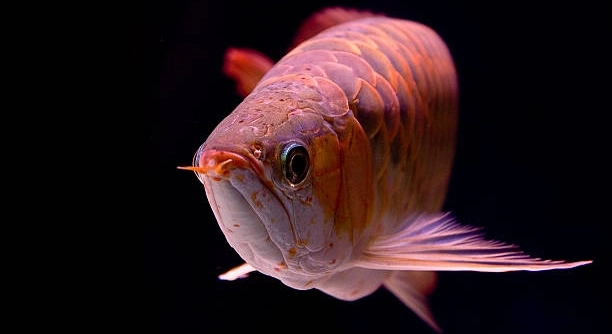
Have you ever noticed your arowana swimming sluggishly or hiding more than usual in its tank? Maintaining a healthy environment is key, and one of the most important factors is keeping the water balanced and stable for your fish.
The ideal pH for arowana typically ranges from 6.5 to 7.5. Maintaining water within this range ensures optimal health, supports proper metabolism, and reduces stress, helping arowanas thrive in a controlled freshwater environment.
Understanding pH management will help you provide a more comfortable and stable home for your arowana, ensuring its long-term well-being and growth in your aquarium.
Why pH Matters for Arowanas
Arowanas are sensitive fish, and even small changes in water chemistry can affect their health. Maintaining the correct pH ensures their immune system functions properly and helps prevent stress-related illnesses. A stable pH also supports proper digestion and growth, allowing your arowana to reach its full potential. Fluctuations can cause lethargy, reduced appetite, and weakened resistance to disease, which makes regular monitoring crucial. Using a reliable test kit helps track pH changes, while water changes and buffering agents can correct deviations. Over time, understanding how your tank environment interacts with pH makes it easier to anticipate problems before they affect your fish. Temperature, hardness, and other chemical parameters also play a role, but pH remains one of the most visible and easily adjustable factors. A balanced pH creates a healthier, calmer tank where arowanas can swim actively and display natural behaviors without unnecessary stress.
Keeping the pH stable protects your arowana from sudden stress and promotes long-term health.
Even small shifts in pH can disrupt arowana metabolism. For example, a slightly acidic or alkaline environment can reduce oxygen absorption in their blood, slow digestion, and weaken natural defenses. Consistently monitoring water and making gradual adjustments helps maintain a balanced environment. Using natural elements like driftwood, certain substrates, or commercial buffers allows you to fine-tune pH without shocking the fish. Regular testing paired with partial water changes ensures that pH remains within the recommended 6.5–7.5 range. Over time, these habits prevent behavioral issues and keep the tank ecosystem stable. Observing your arowana’s activity, appetite, and coloration provides additional clues to water quality. A calm, active fish is often a reliable indicator that conditions are right. By prioritizing pH balance, you create a habitat where arowanas can thrive and maintain strong, vibrant health in the long term.
How to Adjust pH Safely
Small adjustments are best done gradually to avoid stressing your fish.
To safely adjust pH, start with partial water changes using conditioned water. Add natural elements like driftwood or Indian almond leaves to lower pH slightly, or crushed coral and limestone to raise it. Avoid abrupt chemical changes, as these shock arowanas and disrupt beneficial bacteria in the tank. Testing daily during adjustments helps track progress and ensures the environment remains stable. Over time, keeping detailed notes on water parameters and observing fish behavior will make future adjustments easier and more precise. Balancing pH isn’t just about hitting a number—it’s about maintaining harmony in the aquarium for your arowana’s overall well-being. By approaching changes slowly and carefully, you give your fish the best chance to grow strong and healthy while keeping the tank environment safe and predictable.
Monitoring pH Levels
Regular testing is essential to keep your arowana healthy.
Using a reliable liquid test kit allows for accurate readings and helps you notice even small changes. Test the water at least twice a week, and record the results to track trends. Observing the fish’s behavior alongside test results gives insight into water stability. Consistent monitoring prevents sudden shifts that could stress your arowana.
pH can fluctuate due to factors like leftover food, decaying plants, and changes in water hardness. Keeping the tank clean and performing regular water changes minimizes these fluctuations. Using a quality buffer or substrate suited to your arowana’s needs can also stabilize pH over time. Monitoring and controlling pH ensures that your fish’s environment remains safe and consistent.
Noticing early signs of pH stress, such as sluggish swimming or loss of appetite, helps address issues before they become serious. Adjustments should be small and gradual. Arowanas respond best to slow, controlled changes, which reduces the risk of shock. Tracking pH alongside temperature and other parameters provides a complete picture of water quality. Over time, regular monitoring creates a routine that keeps both you and your fish confident about the tank’s stability and health.
Common Mistakes in pH Management
Neglecting small changes can lead to bigger problems later.
Frequent sudden adjustments, overusing chemicals, and ignoring test results are common mistakes that harm arowanas. Rapid changes can stress the fish, weaken their immune system, and affect appetite. Skipping regular monitoring makes it harder to detect gradual shifts that may already be impacting your tank. Being consistent with testing, water changes, and careful adjustments avoids these issues and promotes a stable environment for your fish.
Adding chemicals without knowing the tank’s natural buffering capacity often causes more harm than good. Using inappropriate substrates, overfeeding, or allowing organic waste to accumulate also disrupts pH. It’s important to make incremental changes and observe the effects before continuing. Relying solely on products without understanding the cause of pH shifts can mask underlying problems. Keeping a routine of partial water changes, proper feeding, and regular testing prevents mistakes and maintains a safe environment. Over time, these habits protect your arowana’s health, reduce stress, and encourage natural behavior while ensuring a stable and balanced tank.
Natural Ways to Maintain pH
Driftwood and Indian almond leaves can naturally lower pH without harsh chemicals.
Using crushed coral or limestone gradually raises pH while providing a stable buffer. Both methods create a safer environment for your arowana and reduce the risk of sudden water shocks.
Impact of Water Changes
Regular water changes help keep pH within the ideal range. Removing old water reduces waste buildup, while adding conditioned water prevents sudden fluctuations. Combining consistent water changes with monitoring allows you to maintain a stable, healthy environment for your arowana, supporting long-term health and growth.
pH and Tank Companions
Some fish affect pH differently. Keeping compatible species helps maintain stable water chemistry.
Equipment for pH Control
Heaters, filters, and air pumps indirectly influence pH by stabilizing temperature and circulation. Proper equipment supports consistent water conditions and reduces the chances of pH swings, giving your arowana a calm and balanced habitat.
FAQ
What happens if my arowana’s pH is too low?
A low pH can make the water more acidic, which stresses your arowana. Acidic water can irritate their gills, reduce oxygen absorption, and affect digestion. Over time, this stress weakens the immune system and increases susceptibility to disease. Consistent monitoring and partial water changes help bring pH back to a safe range. Adding natural buffers like crushed coral gradually increases pH without shocking the fish. Observing your arowana’s behavior, such as reduced swimming or hiding, can help you notice low pH early and take action before serious health issues develop.
What happens if my arowana’s pH is too high?
High pH makes the water more alkaline, which can also stress your arowana. Alkaline conditions affect their metabolism and can reduce nutrient absorption. It may also cause lethargy and poor appetite. Gradual adjustments using natural elements like driftwood or Indian almond leaves can lower pH safely. Frequent testing is important to avoid overcorrection. Maintaining stable pH within the recommended 6.5–7.5 range prevents long-term health problems and keeps your fish active. Sudden changes, even to correct high pH, can be harmful, so slow adjustments are crucial.
How often should I test my tank’s pH?
Testing at least twice a week is ideal. Frequent monitoring helps detect small changes before they affect your arowana’s health. Recording the results over time allows you to see trends and identify potential causes of pH shifts. Testing is especially important after water changes, adding new tank decorations, or adjusting substrate. Consistency is key, as it helps maintain a stable environment. Using a reliable liquid test kit provides the most accurate readings, while comparing results with a secondary method can confirm accuracy.
Can tank decorations affect pH?
Yes, decorations and substrates can change pH over time. Driftwood and some leaves naturally lower pH, while limestone, coral, and certain rocks raise it. Choosing decorations suited to your arowana’s needs helps maintain stability. Monitor changes after adding new elements to ensure they don’t push pH outside the safe range. The combination of substrate type, décor, and water additives creates a natural buffer system that can support long-term stability. Being mindful of what enters the tank reduces unexpected fluctuations and keeps your arowana healthy.
Is it safe to use chemical pH adjusters?
Chemical adjusters can work but must be used with caution. Abrupt changes can shock your fish and disrupt beneficial bacteria in the tank. If you use chemicals, make small, gradual adjustments while testing frequently. Natural methods like water changes or using driftwood or coral are safer and reduce the risk of harming your arowana. Chemicals are best reserved for situations where natural adjustments are insufficient. Proper dosing and careful observation are essential to prevent stress or illness. Combining chemical and natural methods cautiously can help maintain the ideal pH over time.
How do I know if my arowana is stressed from pH?
Signs include reduced swimming, hiding, loss of appetite, and faded coloration. Stress often appears before illness, so early detection is key. Observing your fish daily and comparing behavior with water test results helps pinpoint pH-related problems. Gradual adjustments and maintaining consistency in water conditions reduce stress. A calm and active arowana usually indicates that the pH and overall water quality are within the proper range.
Can I keep other fish with my arowana without affecting pH?
Yes, but choose compatible species. Some fish produce more waste, which can change water chemistry and affect pH. Regular water changes, careful feeding, and monitoring will prevent fluctuations. Balancing tank companions ensures a stable environment and reduces the likelihood of pH-related stress for your arowana.
What is the best way to stabilize pH long-term?
Consistent monitoring, partial water changes, and natural elements like driftwood or crushed coral help maintain stable pH. Avoid sudden chemical adjustments, overfeeding, and waste buildup. Observing fish behavior alongside test results creates a routine that keeps the environment safe. Gradual changes prevent shock and encourage long-term health, helping your arowana thrive in a predictable, balanced tank environment.
How do temperature and hardness affect pH?
Water temperature and hardness interact with pH. Higher temperatures can increase biological activity, slightly affecting pH, while hard water buffers against pH swings. Monitoring these parameters alongside pH provides a complete picture of water quality. Proper equipment, like heaters and filters, helps maintain stable conditions. Adjusting temperature gradually and choosing the right substrate can reduce sudden changes, ensuring a balanced environment. Understanding these connections helps prevent stress and supports your arowana’s overall health.
Can overfeeding affect pH?
Yes, leftover food decays and produces acids that lower pH. Overfeeding also increases ammonia levels, further stressing your fish. Feeding controlled portions and promptly removing uneaten food prevents pH swings. Maintaining a consistent feeding routine supports stable water chemistry and promotes arowana health. Keeping the tank clean and removing debris ensures that pH remains within the safe range without unnecessary fluctuations.
What is the ideal range for arowana pH again?
The ideal range is 6.5 to 7.5. Staying within this range promotes optimal metabolism, reduces stress, and supports immune health. Monitoring and gradual adjustments help maintain consistency, preventing sudden shifts that could negatively impact your fish. Regular observation and care ensure a thriving environment.
Maintaining the ideal pH for your arowana is a key part of keeping it healthy and thriving. Water chemistry plays a critical role in the overall well-being of your fish. Even small fluctuations in pH can affect metabolism, digestion, and immune function. By keeping the water within the recommended 6.5 to 7.5 range, you help your arowana maintain normal activity levels, proper coloration, and appetite. It also reduces stress, which is often the root cause of many common health issues in fish. Regular monitoring and careful adjustments allow you to provide a stable environment that supports long-term growth and vitality. The process does not have to be complicated, but it does require attention and consistency. Using reliable test kits, observing behavior, and making gradual changes are simple steps that can have a big impact on the health of your arowana. Stability is more important than perfection, so focus on creating a tank environment that changes slowly and predictably.
Maintaining pH is not just about hitting a number on a test kit. It is about understanding how different factors in the tank influence water chemistry. Substrate choice, decorations, and even the type of water you add during changes all affect pH. Driftwood, certain leaves, and crushed coral are examples of natural elements that can help stabilize the water. Temperature and water hardness also play a role in how pH fluctuates over time. Overfeeding or leaving decaying food in the tank can cause sudden drops, while incompatible tank mates may contribute to unexpected changes. By taking a holistic approach to your aquarium setup and monitoring these factors, you can prevent problems before they appear. Observing your arowana daily allows you to notice early signs of stress, such as changes in swimming patterns or appetite. These observations, combined with consistent testing, make it easier to maintain a healthy and balanced tank environment. Gradual and careful adjustments are always safer than quick fixes, and they protect the fish from unnecessary stress.
Long-term care for arowanas involves patience and routine, but it is rewarding. Maintaining a stable pH ensures that your fish can grow, display natural behaviors, and remain healthy for years. It also supports the overall tank ecosystem, keeping beneficial bacteria and other organisms in balance. By focusing on small, consistent actions—like partial water changes, careful feeding, and monitoring—you create an environment where the fish can thrive without constant intervention. Over time, these habits become second nature, and maintaining the correct pH becomes a simple part of your aquarium care routine. Remember that consistency and observation are the keys to success. Your arowana will benefit from a tank that is calm, stable, and carefully managed. Providing this environment helps prevent stress-related illnesses and supports the natural growth and beauty of your fish, ensuring a rewarding experience for anyone dedicated to proper care.
Word count: 406

Hello,
If you enjoy the content that we create, please consider saying a "Thank You!" by leaving a tip.
Every little bit helps us continue crafting quality advice that supports the health, happiness, and well-being of pets around the world, for pets of all shapes, sizes, and species.
We really appreciate the kindness and support that you show us!