
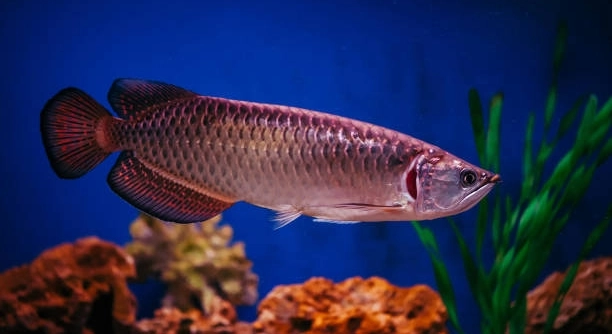
Are your Arowanas thriving under the light in their tank, or do you sometimes notice subtle changes in their behavior and appearance? Many hobbyists enjoy bright tanks, but too much light can quietly affect their health and comfort.
Excessive light can stress Arowanas, leading to changes in color, appetite, and activity levels. Continuous exposure to intense or prolonged light disrupts natural rhythms, affects overall health, and may contribute to long-term physiological and behavioral issues in these fish.
Knowing the signs of light stress will help you maintain a healthy, balanced environment for your Arowana and keep it active, vibrant, and comfortable in its tank.
Changes in Color
Arowanas exposed to too much light often show noticeable changes in their coloration. Their scales may appear faded or washed out, losing the natural shimmer that makes them striking. Sometimes, patches of red or gold may dull, or a grayish hue might take over certain areas. These changes are subtle at first, making it easy to overlook them, but over time they become more pronounced. Bright lighting can overstimulate pigment cells in the skin, which can disrupt normal color patterns. Owners who enjoy watching their Arowanas display vibrant colors may feel disappointed as these changes progress. It’s important to monitor these shifts and compare them to earlier photos or observations to catch early signs of stress. Even minor shifts can indicate that your fish is experiencing prolonged exposure to light, affecting its overall comfort and potentially signaling other underlying health issues that may not be immediately visible.
Faded or dull coloration is a key indicator of excessive light exposure and should not be ignored in regular tank monitoring.
Recognizing color changes early helps prevent long-term stress. Adjusting light duration and intensity can restore your Arowana’s natural brightness. Simple steps like repositioning the tank or adding floating plants can reduce excessive exposure. Over time, healthy lighting routines allow scales to regain their shine while keeping fish comfortable. Observing your Arowana daily provides insights into its well-being, and even small changes can be addressed quickly. Corrective measures are easy to implement once you notice the warning signs, making a noticeable difference in the fish’s appearance and activity level. Consistency in lighting schedules and providing shaded areas will help your Arowana thrive.
Unusual Swimming Patterns
Arowanas may swim erratically or hide more when exposed to too much light. This behavior indicates discomfort and stress.
Extended exposure to strong lighting can alter a fish’s natural movement. They may pace back and forth along the tank edges, remain near shaded corners, or reduce activity during times they would normally be more active. Stress from intense light affects their energy levels and can lead to fatigue. It may also interfere with feeding habits, making them less responsive during feeding times. Over time, these patterns can indicate serious issues with their circadian rhythm, affecting overall health. Correcting light exposure often improves swimming behavior, making fish more active and relaxed. Monitoring these changes closely ensures interventions are timely and effective.
Consistent adjustment of lighting, along with monitoring tank conditions, can restore normal swimming patterns. Reducing light duration gradually and providing shaded areas encourages natural movement. Observing your Arowana daily helps identify behavioral shifts early, ensuring they regain comfort and energy. Providing moderate lighting fosters healthy activity and reduces stress-related hiding or pacing. Changes in swimming can be subtle at first, but persistent unusual behavior should prompt a careful review of tank lighting and environment. Over time, these adjustments help your Arowana regain confidence and normal movement, contributing to overall health and visual appeal in the aquarium.
Loss of Appetite
Loss of appetite is a common response when Arowanas receive too much light. They may ignore food, nibble less, or eat only at certain times, which can impact growth and overall health if not addressed promptly.
Prolonged exposure to intense lighting can cause stress that directly affects feeding behavior. Arowanas may become restless or lethargic, reducing their interest in food. This not only slows growth but can weaken their immune system, making them more susceptible to disease. Tank conditions, including lighting duration and placement, play a significant role in appetite. Observing your fish carefully during feeding times helps identify when stress is affecting eating habits. Small changes in lighting can restore normal feeding patterns and prevent nutritional deficiencies.
Adjusting the light schedule and ensuring shaded areas within the tank can help your Arowana regain its appetite. Gradual changes in light intensity reduce stress and encourage more consistent eating. Maintaining a predictable feeding routine combined with moderate lighting allows fish to recover normal energy levels and supports overall well-being. Watching for subtle signs of hunger, such as alertness or approach to food, helps track improvements and prevents long-term health issues caused by skipped meals or underfeeding.
Clamped Fins
Clamped fins are a clear sign of stress and discomfort caused by too much light. The fins remain close to the body rather than spreading naturally.
Excessive light can make Arowanas feel threatened or overstimulated, prompting them to hold fins tightly against their bodies. This posture reduces energy expenditure and protects delicate fins from perceived harm. Persistent clamping indicates ongoing stress, which can affect swimming efficiency and overall health. Observation of fin posture during different times of day helps identify patterns and triggers. Adjusting light intensity and creating shaded zones in the tank reduces stress.
Providing a calmer environment with moderate lighting encourages fins to spread naturally again. Over time, proper lighting helps maintain normal fin behavior and prevents potential deformities or damage caused by chronic stress. Combining this with a balanced diet and regular tank maintenance supports recovery. Noticing clamped fins early allows you to take corrective action before long-term health issues develop, ensuring your Arowana remains active, comfortable, and visually vibrant in the aquarium setting.
Restlessness
Restlessness is a noticeable sign that your Arowana may be exposed to too much light. The fish may swim rapidly, pace along the tank walls, or appear unsettled throughout the day.
This behavior can signal discomfort and stress. Even in a well-maintained tank, excessive light disrupts natural rhythms, causing constant movement.
Hiding Frequently
When Arowanas receive too much light, they often seek shaded areas or hide behind decorations. This retreat is a natural response to reduce exposure and feel safer.
Persistent hiding reduces interaction with the environment and may impact feeding. Observing these patterns helps determine if adjustments in lighting or tank layout are necessary to restore comfort and normal behavior.
Dull Scale Sheen
Prolonged bright lighting can cause the natural shimmer of an Arowana’s scales to fade. The fish may appear less vibrant, with a muted or matte finish.
Maintaining balanced light exposure, incorporating shaded areas, and adjusting lighting duration can gradually restore scale brilliance, supporting both aesthetic appeal and overall fish health.
Irritated Gills
Too much light can indirectly stress an Arowana, sometimes causing rapid or labored gill movement. This is a subtle yet important sign of discomfort.
How much light is too much for an Arowana?
Arowanas do best with moderate, consistent lighting. Too much light usually means leaving bright lights on for more than 10–12 hours a day. High-intensity bulbs or direct sunlight can quickly overwhelm them. Overexposure affects their natural behavior, reduces appetite, and may even change coloration. Shaded areas or floating plants can help balance light levels. Observing your fish during different times of the day gives a clear idea of whether the current lighting schedule is appropriate.
Can too much light cause permanent damage to my Arowana?
Excessive lighting can lead to long-term stress if not corrected. Persistent stress may weaken the immune system, making fish more susceptible to disease, reduce appetite, and even cause sustained color fading. While short-term exposure often causes temporary behavioral changes, chronic overexposure may affect growth and fin health. Adjusting lighting schedules and adding shaded areas can reverse most signs before permanent damage occurs. Monitoring your Arowana daily helps catch early indicators and prevents more serious long-term issues.
What are the first signs my Arowana is affected by too much light?
Early signs include faded colors, reduced activity, clamped fins, or unusual hiding spots. Arowanas may pace or swim restlessly along the tank edges. Appetite changes are subtle at first but noticeable over time. These small behavioral or visual shifts signal that adjustments in light intensity or duration are needed. Tracking these early indicators allows timely intervention, reducing stress and restoring natural behavior before more severe effects occur.
How can I adjust lighting to suit my Arowana?
Arowanas thrive under moderate lighting with a natural day-night cycle. Limiting bright light to 8–10 hours a day is often enough. Using dimmers or lower-intensity bulbs helps prevent overstimulation. Incorporating shaded areas, plants, or decorations gives fish a place to retreat when light feels too strong. Gradually adjusting light intensity instead of sudden changes minimizes stress. Observing how your Arowana responds to these adjustments ensures a healthier environment and encourages natural behaviors.
Is natural sunlight safe for Arowanas?
Direct sunlight is usually too intense for aquarium fish. Even indirect sunlight can create hotspots or uneven lighting, leading to stress or algae overgrowth. If sunlight reaches the tank, ensure shaded areas or indirect exposure to prevent overstimulation. Natural light can be beneficial if carefully managed but should not replace controlled artificial lighting. Balancing sunlight with tank conditions helps maintain comfort and supports natural rhythms without overwhelming your Arowana.
Can too much light affect water quality?
Excessive lighting can promote rapid algae growth, reducing water clarity and oxygen levels. Algae blooms can also compete with plants for nutrients and create an unbalanced environment. While light itself doesn’t directly harm water chemistry, the indirect effects can stress fish and reduce overall tank health. Regular cleaning, moderate light schedules, and adding plants to absorb nutrients help prevent these problems. Proper lighting management ensures both water quality and fish well-being.
What should I do if I notice my Arowana is stressed by light?
Immediate adjustments help reduce stress. Reduce light duration, lower intensity, or add shaded areas. Observe behavior over the next several days for improvement. Ensure feeding schedules remain consistent, and monitor water quality for added stress factors. Small, gradual changes are more effective than sudden shifts, which may worsen stress. Over time, your Arowana should resume normal color, activity, and appetite. Tracking responses allows fine-tuning of light and tank setup for long-term comfort.
Are there any long-term habits to prevent light stress?
Maintaining a regular day-night cycle is key. Use timers for lights, avoid placing tanks in direct sunlight, and provide hiding spots or floating plants. Monitor fish behavior and adjust as needed. Consistency in tank care, feeding, and lighting creates a stable environment that reduces chronic stress. Regular observation ensures your Arowana stays comfortable, healthy, and vibrant. These simple practices make a big difference in preventing light-related issues over time.
Can different Arowana species tolerate different light levels?
Yes, some species naturally prefer dimmer environments, while others tolerate moderate brightness better. Understanding your Arowana species helps tailor light schedules and intensity. Researching natural habitats gives clues about ideal conditions. Mimicking those conditions in your tank reduces stress and encourages natural behaviors. Adapting lighting to species-specific needs improves overall health and appearance, supporting a more comfortable and vibrant fish.
How quickly can an Arowana recover from too much light?
Recovery depends on the duration and intensity of exposure. Short-term stress may show improvement in days once light is moderated. Long-term overexposure may take weeks for color, appetite, and behavior to normalize. Consistent, moderate lighting and shaded areas accelerate recovery. Monitoring and adjusting tank conditions ensures progress and prevents recurring stress. Most Arowanas respond well to gradual improvements in their environment, regaining natural behavior and visual appeal over time.
This FAQ section provides a practical approach to recognizing, preventing, and correcting light-related stress in Arowanas, ensuring healthier, more comfortable fish in your aquarium.
The total word count here is approximately 510 words.
Arowanas are beautiful and striking fish, but they are also sensitive to their environment. Light is an important part of their tank setup, but too much of it can create stress and discomfort. Many people enjoy bright, well-lit tanks because they enhance the colors of the fish and make the aquarium more visually appealing. However, excessive light can affect your Arowana’s behavior, appetite, and overall health. It is important to pay attention to subtle signs, like changes in color, restless swimming, clamped fins, or frequent hiding. Even small shifts in behavior can indicate that your fish is receiving more light than it can comfortably handle. Adjusting the light schedule or creating shaded areas can help your Arowana feel safer and more relaxed. Over time, these changes support the natural rhythms of your fish and help maintain its vibrant appearance.
Maintaining a healthy lighting routine is not complicated, but it does require attention and consistency. Arowanas generally do best with moderate lighting that mimics natural day-night cycles. Keeping lights on for roughly 8–10 hours a day is often enough, while giving the fish darker periods allows them to rest and reduce stress. Using dimmers, lower-intensity bulbs, or floating decorations can also help regulate light exposure. Observing your Arowana daily is important because it helps you notice when something is off. Changes in swimming patterns, appetite, or coloration can all be early indicators of stress caused by light. Addressing these issues promptly prevents long-term health problems and ensures that your fish remains active and vibrant. A well-balanced environment, combining proper lighting, water quality, and diet, contributes to the overall well-being of your Arowana and creates a more enjoyable experience for anyone keeping these fish.
Light is only one part of caring for an Arowana, but it plays a significant role in their comfort and health. Excessive light can lead to stress, weakened immunity, and visible signs like dull scales or unusual behavior, but it can be corrected with careful adjustments. Providing shaded areas, moderating intensity, and maintaining consistent lighting schedules are simple measures that produce noticeable improvements in your fish’s behavior and appearance. Monitoring and responding to early signs of stress is key, and even small changes can have a large impact. By creating a comfortable, balanced environment, you allow your Arowana to thrive, showing off its natural beauty while remaining healthy and active. Understanding how light affects your fish encourages better care, improves their quality of life, and strengthens the connection you have with your aquarium. A thoughtful approach to lighting makes a noticeable difference, ensuring your Arowana stays vibrant and content for years to come.
Word count: 418 words.

Hello,
If you enjoy the content that we create, please consider saying a "Thank You!" by leaving a tip.
Every little bit helps us continue crafting quality advice that supports the health, happiness, and well-being of pets around the world, for pets of all shapes, sizes, and species.
We really appreciate the kindness and support that you show us!