
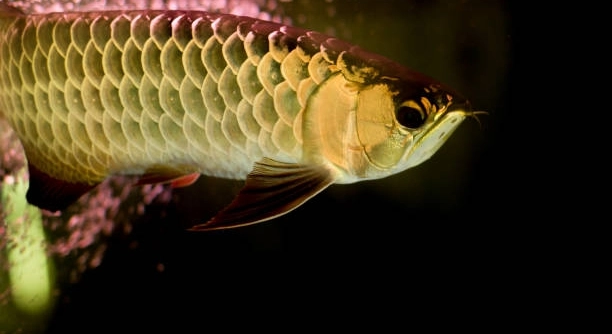
Arowanas are elegant and powerful fish, often admired for their vibrant colors and graceful movements. Caring for them requires attention to detail, especially when it comes to feeding routines and maintaining a healthy balance in their environment.
Allowing an Arowana to fast once a week can be beneficial when done correctly. Periodic fasting helps regulate digestion, prevents overfeeding, and reduces the risk of health issues, while ensuring the fish maintains overall vitality and optimal growth.
Understanding the right approach to fasting will help you support your Arowana’s health and create a balanced feeding schedule for long-term well-being.
Why Arowanas Benefit from Weekly Fasting
Arowanas have sensitive digestive systems that can be overwhelmed by daily feeding. Fasting one day a week allows their stomachs to process previous meals fully and reduces the chances of bloating or constipation. It also mimics natural conditions, where these fish may not find food every day in the wild. By giving them a day without food, you allow their metabolism to reset slightly, supporting nutrient absorption. Over time, this practice can help prevent obesity and maintain energy levels. Observing your Arowana during fasting days is important to ensure it is adjusting well. Some fish may become more active or curious during fasting, which is normal behavior. Maintaining water quality is also easier when the fish is not eating constantly, as there is less waste produced. This approach contributes to a healthier, longer life for your Arowana in captivity.
Fasting once a week should be gradual, starting slowly to avoid stress and ensure adaptation.
Consistent weekly fasting encourages a steady appetite, preventing overeating on regular feeding days. Fish often show increased interest in food after a fast, helping maintain natural feeding rhythms. This practice also reduces digestive strain and supports overall health, making the fish more vibrant and active.
How to Implement a Fasting Routine
Start by selecting a day each week when the Arowana will not be fed. Monitor the fish closely during this period to ensure it behaves normally and shows no signs of stress.
Gradually, establish a routine where fasting days are consistent, helping the fish’s metabolism adjust naturally. Provide high-quality, nutrient-rich meals on feeding days to compensate for the skipped day, ensuring your Arowana receives proper nutrition. Observing the fish’s body condition is important; if weight loss or lethargy occurs, adjustments may be needed. Fasting also gives you a chance to clean the tank thoroughly, as less food means less waste. Keep in mind that young or very small Arowanas may need a modified fasting schedule, as they require more frequent nutrition to support growth. By maintaining a balanced approach, fasting can be a practical tool for health management without compromising energy levels or behavior. Consistency, observation, and proper nutrition are key to making weekly fasting a safe and beneficial practice.
Signs Your Arowana is Ready for Fasting
Many Arowanas tolerate fasting well once they have a stable feeding routine. Look for consistent appetite, normal swimming patterns, and alert behavior before starting. Avoid fasting if the fish appears lethargic or shows signs of illness, as it may need extra nutrition.
Once your Arowana has shown regular feeding behavior for several weeks, fasting can be introduced gradually. Begin with a single skipped meal, then progress to a full day if the fish remains healthy. Monitor body condition and activity closely. Any unusual behavior or weight loss indicates the need to adjust the fasting schedule or provide additional nutrition. Gradual introduction minimizes stress and supports long-term health, making the fish more resilient.
Fasting can also reveal hidden health issues. Fish that struggle during skipped meals may have underlying digestive problems or parasites. Observing their response helps identify concerns early. Over time, regular fasting strengthens their digestive system and supports metabolic balance, contributing to vibrant coloration and sustained energy levels in the tank.
Adjusting Feeding Amounts on Non-Fasting Days
When implementing weekly fasting, reduce the quantity of food on regular days slightly to maintain balance. Overfeeding on non-fasting days can negate the benefits of fasting and lead to obesity. Proper portioning supports stable digestion and energy levels.
Divide the daily portion into smaller, manageable servings throughout the day. This prevents bloating and ensures that the Arowana receives nutrients evenly. High-quality protein sources, such as pellets or live food, are preferable to maintain health. Observe the fish during feeding to ensure all food is consumed and adjust amounts if leftovers accumulate. Proper feeding practices alongside fasting enhance digestion, prevent waste accumulation in the tank, and maintain consistent energy. Establishing this routine gradually allows your Arowana to adapt comfortably.
Consistent portion control also supports long-term health. Avoid sudden increases in food quantity after fasting, as this can strain the digestive system. By balancing meal size and fasting periods, your Arowana maintains a healthy weight, strong metabolism, and active behavior.
Choosing the Right Day for Fasting
Pick a day when the tank environment is stable, avoiding periods of water changes or stress. A consistent fasting day helps your Arowana adapt gradually. Monitoring behavior during fasting ensures the fish remains active and healthy.
Avoid fasting on days when the fish seems stressed or after handling. Stress can affect digestion and overall health, so choosing a calm day improves the effectiveness of fasting and supports consistent metabolic balance.
Monitoring Health During Fasting
Watch for signs of stress, such as unusual swimming patterns or lack of responsiveness. A healthy Arowana remains alert, curious, and maintains normal movement throughout the fasting period. Regular observation helps detect issues early and ensures fasting is beneficial rather than harmful.
Common Mistakes to Avoid
Feeding too much on non-fasting days can counteract the benefits. Overfeeding may lead to bloating, obesity, and digestive issues, reducing the effectiveness of fasting. Monitor portions carefully to maintain balance and overall health.
FAQ
How often should I fast my Arowana?
Fasting once a week is generally sufficient for adult Arowanas. This routine gives their digestive system a break and helps prevent overfeeding. Young or very small Arowanas may require more frequent meals, so fasting should be adjusted based on age and growth needs.
Will fasting affect my Arowana’s growth?
For healthy adult Arowanas, occasional fasting does not hinder growth. In fact, it supports efficient digestion and nutrient absorption. Juvenile Arowanas that are still growing rapidly may need a modified schedule, with shorter fasting periods or skipped meals spread out more gradually.
Can fasting prevent digestive problems?
Yes, fasting helps reduce the risk of constipation, bloating, and other digestive issues. It allows food to fully pass through the digestive tract, preventing buildup and strain. Observing your fish after fasting can indicate whether its digestive health is improving.
How should I adjust feeding on non-fasting days?
Portion control is key. Feed smaller, balanced meals throughout the day rather than giving a large amount at once. High-quality pellets or live food provide essential nutrients, supporting energy and vitality while complementing the fasting day.
What signs indicate my Arowana is stressed during fasting?
Stress can show as lethargy, loss of appetite, erratic swimming, or hiding. Occasional curiosity or increased activity is normal, but sustained unusual behavior may mean the fish needs a shorter or less frequent fasting schedule.
Can fasting help with obesity in Arowanas?
Yes, fasting is an effective tool for weight management. Overweight Arowanas benefit from giving the digestive system a break, which supports metabolic balance. Consistent portion control on feeding days is necessary to maintain long-term results.
Is it safe to fast a sick Arowana?
Fasting is not recommended for sick or weakened fish. Ill Arowanas require regular nutrition to recover. Once fully healthy, you can gradually introduce fasting, starting with shorter periods to ensure the fish adapts comfortably.
How do I know if my Arowana is ready for fasting?
Look for a consistent appetite, normal swimming, and alert behavior. Fish that are active and eating well during regular feeding days are better candidates for fasting. Avoid fasting if the fish shows any signs of illness or stress.
Does fasting improve water quality?
Indirectly, yes. Less food in the tank produces less waste, making it easier to maintain water quality. This reduces the frequency of cleaning required and helps stabilize the aquatic environment for your Arowana.
How long should I fast my Arowana each week?
A full 24-hour fasting period once per week is generally sufficient. This allows the digestive system to rest without compromising overall nutrition. Gradually increasing the fasting period may be possible, but always observe the fish for stress or changes in behavior.
Can fasting affect behavior?
Yes, but usually in a positive way. Many Arowanas become more alert or active after a fasting period, showing increased curiosity during feeding. This reflects a natural feeding rhythm and helps maintain engagement and energy in the tank.
Should I fast during breeding or spawning periods?
Fasting is not recommended during breeding, spawning, or shortly before these periods. Nutritional needs are higher during reproduction, and skipping meals could negatively affect energy levels, fertility, and overall health. Regular feeding should resume during these times.
What if my Arowana refuses to eat after fasting?
Refusal to eat occasionally is normal, but prolonged disinterest may indicate stress or illness. Ensure the fasting period was appropriate and provide high-quality food. If appetite does not return within a day, further observation or veterinary advice may be needed.
Can fasting be combined with other dietary strategies?
Yes, fasting works well alongside portion control, varied diet, and high-quality nutrition. Combining these strategies supports digestion, metabolic balance, and overall health, while maintaining vibrant coloration and active behavior in your Arowana.
How do I gradually introduce fasting?
Start with skipping a single meal rather than a full day. Observe the fish for signs of stress, and once it adapts, move to a full 24-hour fast weekly. Gradual introduction reduces stress and ensures the fish remains healthy throughout the process.
Is fasting suitable for all types of Arowanas?
Most adult Arowana species tolerate weekly fasting, but younger or smaller varieties may need tailored schedules. Adjustments based on size, age, and growth requirements ensure fasting remains safe and beneficial. Observation is key to determining the best routine.
How long before I see benefits from fasting?
Benefits like improved digestion, increased activity, and better appetite may appear within a few weeks. Consistency is important. Monitoring your Arowana’s behavior, weight, and overall health helps determine if fasting is effectively supporting its well-being.
Can fasting prevent overeating?
Yes, fasting trains Arowanas to maintain natural feeding rhythms. When they return to normal meals, they eat in moderation rather than overconsuming, which helps prevent digestive strain and supports healthy metabolism.
What should I do if I notice negative effects?
Reduce fasting frequency or shorten the fasting period. Ensure nutrition on feeding days is adequate. Persistent issues may require veterinary consultation to rule out underlying health problems. Observing the fish closely ensures fasting remains a positive practice.
Does fasting replace regular health checks?
No, fasting supports digestion and metabolic balance but does not replace routine monitoring, water testing, or health inspections. Regular observation of behavior, appetite, and physical condition remains essential to prevent and address health concerns.
How do I track my Arowana’s response to fasting?
Keep a simple log of behavior, appetite, and body condition before and after fasting days. Noting changes helps identify patterns, optimize the routine, and ensure the fish stays healthy and active over time.
Are there risks if fasting is done incorrectly?
Yes, too frequent or prolonged fasting can cause stress, weight loss, and nutritional deficiencies. Gradual introduction, observation, and proper feeding on non-fasting days minimize risks and maximize benefits for your Arowana.
How long can an adult Arowana safely go without food?
Healthy adult Arowanas can safely fast for 24 hours weekly. Longer fasting periods should be introduced cautiously, with close monitoring to prevent stress or nutritional imbalance. Individual tolerance may vary, so adjust based on observation.
Does fasting improve tank hygiene?
Indirectly, yes. Less food reduces waste accumulation, lowering ammonia and nitrate levels. This helps maintain a cleaner tank environment, reduces the frequency of water changes, and supports overall fish health and water stability.
Can fasting be used alongside supplements?
Yes, supplements like vitamins or probiotics can be given on feeding days. This ensures your Arowana receives necessary nutrients while still benefiting from the digestive rest fasting provides. Supplements should not be provided during the fasting period.
How important is consistency in fasting?
Consistency is crucial. Keeping the fasting day the same each week allows your Arowana to adapt, supporting natural feeding rhythms and metabolism. Irregular fasting may cause stress and reduce the effectiveness of the practice.
Will fasting affect tankmates?
If you have multiple fish, fasting one Arowana may require monitoring to prevent competition or stress. Adjust feeding routines for other fish to ensure everyone receives proper nutrition without causing conflicts or imbalance in the tank.
Can fasting improve overall longevity?
Regular, controlled fasting supports digestive health, metabolic balance, and weight management. Over time, these benefits can contribute to a healthier, longer life by reducing chronic digestive issues and maintaining stable energy levels and vitality.
How do I know if fasting is successful?
Success is measured by healthy appetite on feeding days, stable weight, normal behavior, and improved digestive function. If these indicators are met consistently, weekly fasting is providing benefits without causing stress or nutritional deficits.
Is there an ideal fasting schedule for all Arowanas?
There isn’t a single schedule suitable for every fish. The best approach depends on age, size, health, and behavior. Observation, gradual introduction, and consistent monitoring allow you to create a personalized routine that benefits your Arowana safely.
How do I combine fasting with water quality management?
Fasting reduces food waste, which helps maintain lower ammonia and nitrate levels. Pair this with regular water testing, partial water changes, and tank cleaning to create an optimal environment for health and growth.
Can fasting affect coloration?
Indirectly, yes. Healthy digestion and nutrient absorption, supported by fasting, help maintain vibrant coloration. Malnutrition or digestive strain from overfeeding can dull colors, so controlled fasting supports both health and appearance.
Should fasting be avoided in very young fish?
Yes, juvenile Arowanas require frequent nutrition for growth. Fasting can be introduced gradually only after they reach a size and age where metabolism and digestion are stable, ensuring safe adaptation to the routine.
How do I combine fasting with different types of food?
Feed a variety of protein-rich foods on non-fasting days. Pellets, live or frozen foods, and occasional treats provide balanced nutrition. Fasting allows the digestive system to rest while ensuring nutrients are absorbed efficiently on feeding days.
What adjustments are needed for older Arowanas?
Older Arowanas may benefit from fasting, but watch for weight loss or reduced appetite. Adjust meal size and monitor behavior closely to maintain energy and overall health while still providing digestive rest.
Can fasting reduce feeding costs?
Yes, skipping one day of feeding each week lowers food consumption, helping manage costs while supporting health. Proper portioning and high-quality meals on feeding days maximize nutrition without excess.
How long should I continue weekly fasting?
Weekly fasting can be maintained indefinitely for adult Arowanas as long as the fish remains healthy, active, and shows no negative signs. Adjust schedules if health, age, or behavior changes.
Can fasting support immune function?
Fasting may support overall health, indirectly benefiting the immune system by reducing digestive stress and promoting metabolic balance. Proper nutrition on feeding days ensures the fish has the resources needed for immune function.
What should I do if my Arowana refuses food regularly?
Investigate water quality, health, and feeding routines. Occasional fasting is fine, but consistent refusal may indicate illness. Adjust fasting or feeding practices and consult a professional if appetite does not return.
Can fasting improve social behavior in community tanks?
Yes, when balanced with proper feeding for other fish, fasting can reduce aggression around food. A consistent schedule helps maintain a calmer, more stable environment for all tank inhabitants.
How do I prevent overeating after fasting?
Feed smaller, measured portions and avoid sudden large meals. Gradual reintroduction of food after fasting ensures digestion remains balanced and reduces the risk of bloating or stress.
Is there a difference in fasting needs between species of Arowana?
Some species may tolerate fasting better than others. Researching specific dietary and metabolic needs is essential to create a safe, effective fasting routine tailored to your fish.
Can fasting help with tank algae control?
Indirectly, yes. Less food waste reduces nutrient buildup in the water, which can limit algae growth. Combined with proper maintenance, fasting contributes to a cleaner, healthier tank environment.
Should I fast my Arowana during temperature changes?
Avoid fasting during periods of rapid temperature fluctuation or stress, as it may affect digestion and behavior. A stable environment ensures fasting benefits without causing additional stress.
How do I adjust fasting during illness recovery?
Suspend fasting and focus on providing easily digestible, high-quality nutrition. Once the Arowana has recovered fully, reintroduce fasting gradually to avoid stress and support health.
Does fasting influence appetite consistency?
Yes, it helps regulate feeding patterns. Fish tend to eat more efficiently on non-fasting days, preventing overeating and supporting stable digestive function over time.
Can fasting prevent fatty liver in Arowanas?
Controlled fasting helps prevent excessive fat accumulation by regulating calorie intake and supporting metabolic balance. Combined with portion control, this reduces the risk of liver-related health issues.
Is fasting useful for Arowanas in small tanks?
Yes, it reduces waste buildup, making water quality management easier in smaller tanks. Careful monitoring ensures the fish remains healthy despite limited space.
How do I combine fasting with seasonal changes in feeding?
Adjust meal size and fasting frequency based on activity levels and metabolism. Cooler months may require shorter fasting periods, while active periods support full weekly fasting. Observation is key.
Can fasting help with aggressive feeding behavior?
Yes, consistent fasting paired with measured portions can reduce competition and aggressive feeding tendencies in community tanks, supporting calmer interactions among fish.
How do I know if my fasting schedule is too strict?
Signs include weight loss, lethargy, stress, or decreased appetite. Adjust fasting duration or frequency, and ensure nutrition on feeding days is sufficient.
Are there alternatives to full-day fasting?
Partial fasting, such as skipping a single meal or feeding smaller portions, can provide similar digestive benefits while reducing stress, especially for younger or more sensitive fish.
How important is observation during fasting?
Observation is essential. Monitoring swimming, appetite, and body condition ensures fasting remains safe and beneficial, allowing adjustments as needed to maintain health and energy.
Can fasting improve Arowana behavior long-term?
Yes, it supports natural feeding rhythms, energy balance, and activity levels. Over time, Arowanas often become more alert, active, and healthier overall with consistent fasting and proper feeding routines.
Does fasting replace proper tank maintenance?
No, fasting complements but does not replace regular water changes, cleaning, and health monitoring. Consistent maintenance alongside fasting ensures a safe, healthy environment for your Arowana.
How do I balance fasting with occasional treats?
Provide treats on feeding days in moderation. Treats should not exceed regular meal portions, and fasting days should remain free of extras to maintain the digestive benefits of the routine.
Can fasting improve long-term tank stability?
Yes, by reducing food waste and digestive stress, fasting contributes to more stable water parameters and cleaner conditions, supporting the overall health of your Arowana and other tank inhabitants.
What is the best way to track fasting effects?
Keep a log of behavior, appetite, weight, and physical condition. Regular notes help identify patterns, adjust routines, and ensure fasting remains beneficial without causing stress or nutritional deficits.
How do I combine fasting with supplements or medications?
Give supplements or medications on feeding days, not during fasting. This ensures the fish receives nutrients or treatments effectively while still benefiting from digestive rest.
Can fasting affect aggression in single Arowanas?
Fasting does not typically affect aggression in solitary fish. It mainly influences appetite regulation, energy levels, and digestion, while behavior is more affected by environment and territory.
Are there long-term risks if fasting is done incorrectly?
Yes, improper fasting can cause malnutrition, stress, digestive problems, or weakened immune response. Observation, proper portioning, and gradual implementation are critical to avoid negative effects.
How do I know if fasting is working?
Indicators include healthy appetite, normal weight, active behavior, better digestion, and vibrant coloration. If these signs persist consistently, fasting is providing positive benefits.
Is fasting recommended for all captive Arowanas?
Mostly for healthy adults. Juveniles, sick fish, or breeding individuals require modified schedules. Observation and adjustment ensure fasting is safe and effective for each fish.
How do I avoid overcompensation on feeding days?
Provide measured portions, spread meals throughout the day, and maintain consistent routine. Avoid sudden increases in food to prevent digestive strain after fasting periods.
Can fasting improve overall tank hygiene indirectly?
Yes, less leftover food reduces waste accumulation, helping maintain water quality, lower nitrate levels, and cleaner tank conditions for healthier living conditions.
What should I do if fasting causes sudden behavior changes?
Reduce fasting duration or frequency, monitor nutrition, and check water quality. Persistent issues may require professional advice to ensure fish health is not compromised.
Can fasting benefit Arowanas in community tanks?
Yes, when coordinated with other fish feeding, it prevents overeating and reduces stress around food. Observation ensures all fish maintain proper nutrition.
Does fasting affect water parameters?
Indirectly, yes. Less uneaten food reduces ammonia and nitrate levels, supporting more stable water conditions and reducing the need for frequent maintenance.
How long can fasting safely continue for adults?
Weekly 24-hour fasting can continue indefinitely for healthy adult Arowanas, provided they maintain appetite, energy, and overall health. Adjustments may be needed with age or health changes.
Can fasting prevent common health problems?
Yes, controlled fasting reduces digestive stress, prevents obesity, and supports metabolic balance, which can prevent secondary health issues associated with overfeeding or poor digestion.
Is fasting suitable for all tank sizes?
Yes, though smaller tanks benefit more due to reduced waste and easier water maintenance. Ensure feeding adjustments support all inhabitants.
How should I combine fasting with dietary variety?
Provide diverse, high-quality food on feeding days, including pellets, live, or frozen items. Fasting ensures digestion rests while still delivering balanced nutrients during meals.
Can fasting affect long-term growth in adults?
No significant effect if introduced properly. Adults maintain growth while benefiting from improved digestion, metabolic balance, and reduced digestive strain.
Does fasting improve immune response indirectly?
Yes, by reducing digestive stress and supporting nutrient absorption, fasting can contribute to overall resilience and immune function.
What is the ideal duration for fasting in adults?
A 24-hour fast weekly is sufficient. Longer fasting periods should be introduced gradually with close monitoring.
How do I combine fasting with water changes?
Fasting days are ideal for minor water adjustments, as the fish produces less waste. Combine with routine cleaning for optimal tank conditions.
Can fasting influence reproduction in adults?
Fasting outside breeding periods is safe. During spawning or pre-spawning, avoid fasting to meet higher nutritional needs.
How do I know if fasting is too long?
Signs include lethargy, weight loss, or appetite decline. Shorten fasting periods and ensure balanced meals on feeding days to restore stability.
Can fasting improve energy levels?
Yes, periodic digestive rest helps metabolism function efficiently, leading to more consistent energy and activity in adult Arowanas.
Should fasting be adjusted for seasonal changes?
Yes, in cooler or less active periods, reduce fasting duration. In active periods, standard fasting can be maintained with careful observation.
How do I combine fasting with tank enrichment?
Offer safe decorations and spaces for exploration. Fasting can make fish more curious and active, enhancing engagement with their environment.
Can fasting reduce the risk of bloating?
Yes, periodic fasting allows the digestive system to empty completely, lowering the chance of bloating and improving overall gut health.
How do I track fasting impact on behavior?
Observe swimming patterns, activity, appetite, and interactions with tankmates. Record these notes to see trends and adjust the routine if needed.
Can fasting influence lifespan?
Properly implemented fasting supports digestive health, metabolic balance, and
Final Thoughts
Fasting can be a useful tool for managing the health of your Arowana when applied correctly. Adult fish generally benefit from one fasting day per week, which gives the digestive system a chance to rest and prevents the risks associated with overfeeding. Regular observation during fasting is essential to ensure the fish remains active, alert, and healthy. It is important to remember that fasting is not a replacement for proper nutrition. Balanced, high-quality meals on non-fasting days are essential to provide the vitamins, protein, and energy the fish needs. Skipping food occasionally helps maintain metabolic balance, but consistent monitoring of the Arowana’s weight, behavior, and body condition ensures that fasting remains a positive practice. Over time, this routine can support digestion, improve appetite on feeding days, and contribute to overall vitality.
Introducing fasting should be gradual, particularly for younger or smaller Arowanas. Juvenile fish need more frequent meals to support growth, so fasting schedules must be adapted to avoid stress or nutritional deficits. Observing the fish’s response is crucial, as signs of lethargy, loss of appetite, or unusual swimming behavior may indicate that adjustments are needed. For adult fish, consistent fasting days help establish a predictable rhythm, making it easier to manage feeding and portion sizes. Alongside fasting, maintaining water quality, monitoring tank conditions, and providing proper enrichment are essential to support the fish’s well-being. Skipping a meal or a full day of food occasionally can also help reduce food waste and make tank maintenance simpler, while indirectly promoting a cleaner environment.
Fasting is not suitable for every situation. Sick or recovering fish, breeding Arowanas, or those under stress from environmental changes should continue regular feeding until fully stable. Even healthy adult fish require attention to portion control and nutrition to ensure they receive adequate nutrients. Fasting, when done carefully, complements other aspects of fish care and can improve digestion, metabolism, and activity levels. It also encourages better appetite control and reduces the risk of obesity and digestive strain. The key is consistency, careful observation, and appropriate adjustments based on the fish’s individual needs. When implemented thoughtfully, fasting can enhance the long-term health, energy, and overall quality of life for your Arowana while supporting a balanced and manageable feeding routine.

Hello,
If you enjoy the content that we create, please consider saying a "Thank You!" by leaving a tip.
Every little bit helps us continue crafting quality advice that supports the health, happiness, and well-being of pets around the world, for pets of all shapes, sizes, and species.
We really appreciate the kindness and support that you show us!