
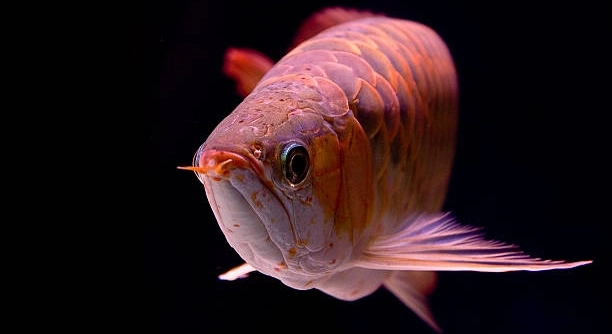
Have you noticed your arowana swimming slowly or hiding more than usual? Sometimes these graceful fish can appear listless, showing subtle signs that something in their environment or health may need attention.
When an arowana seems down, it is crucial to evaluate water quality, feeding habits, tank conditions, and stress factors. Ensuring proper nutrition, temperature, and space can restore vitality, while observing behavior helps identify potential illnesses or environmental issues promptly.
Understanding these steps can help you improve your arowana’s well-being. Taking timely action ensures your fish remains healthy, active, and more comfortable in its aquatic home.
Check Water Quality
Water quality is the foundation of arowana health. Regularly testing for ammonia, nitrite, nitrate, and pH levels is essential. Poor water conditions can stress your fish, making it appear lethargic or disinterested in food. Temperature fluctuations can also impact behavior, so keep the tank stable. Frequent water changes and a reliable filtration system help maintain clean water. Observing clarity and odor can give early hints of a problem, as cloudy or foul-smelling water often indicates imbalance. Aeration is another important factor—adequate oxygen levels ensure your arowana swims actively and maintains proper metabolism. Even minor adjustments in water chemistry can improve appetite and energy. Keeping the tank free from leftover food, decaying plants, or excessive algae prevents toxins from building up. Regular monitoring, combined with careful observation of your arowana’s movements and interactions, allows you to spot early signs of stress and act before the fish’s health declines.
Consistent testing and maintenance of water quality prevent health issues and promote a more energetic, alert arowana.
Balanced water conditions directly impact feeding habits, growth, and immunity, helping your arowana thrive in a stable, clean environment over time.
Observe Feeding Habits
Changes in appetite are often the first visible sign of stress or illness in an arowana. A fish that refuses food, eats slowly, or spits out food may be signaling discomfort or digestive issues. Different types of food—live, frozen, or pellet—affect digestion differently, so offering variety can help identify preferences and sensitivities. Overfeeding can lead to bloating or poor water quality, while underfeeding may weaken the fish. Record feeding times and amounts to spot patterns or inconsistencies. Some arowanas become shy during feeding if tankmates are aggressive or space is limited, which can reduce intake. Adjusting portion size, frequency, and food type can encourage better eating habits. Maintaining a calm environment during feeding, without sudden movements or disturbances, also promotes regular consumption. Monitoring leftovers and uneaten food ensures you’re not contributing to water contamination, which could worsen the arowana’s lethargy. Careful observation over a few days often reveals subtle changes that indicate the next steps.
Tracking feeding habits closely helps identify problems early and supports proper nutrition.
Feeding consistency, portion control, and variety ensure your arowana receives enough nutrients, helping restore energy levels and overall vitality in its tank.
Check Tank Environment
Arowanas need enough space to swim freely. Overcrowded tanks or sharp decorations can stress them and reduce activity levels.
Tank layout affects behavior and comfort. Large arowanas require wide, open swimming areas and minimal clutter to avoid injuries. Decorations should be smooth, avoiding sharp edges that may harm fins or scales. Lighting matters too—bright lights can stress fish, while too dim lighting may reduce activity. Plants can provide hiding spots, but too many may limit swimming space. Water flow should be gentle; strong currents tire the fish. Monitoring behavior around these features helps determine if adjustments are needed.
Keeping the tank at a stable temperature and providing proper filtration are essential. Sudden changes in environment, such as moving the tank or changing decorations, can trigger stress. Consistency in layout and conditions supports healthy behavior, encourages feeding, and reduces risk of illness. Observing the arowana regularly ensures the environment meets its needs.
Monitor Behavior Changes
Sudden shifts in activity, swimming patterns, or interactions with tankmates can indicate stress or illness.
Behavioral observation is critical for detecting problems early. Arowanas normally swim smoothly and explore the tank; sluggishness, floating near the surface, or hiding excessively may suggest health issues. Aggressive interactions with other fish can cause physical injury or stress, which often reduces appetite. Some fish develop repetitive swimming patterns or rub against surfaces when irritated. Monitoring these actions daily allows timely intervention. Keeping a log of unusual behaviors helps track trends and evaluate whether environmental or dietary changes are effective.
Consistency in observing and recording behavior allows better understanding of your arowana’s needs. Timely adjustments in care, tank setup, or feeding routines can prevent minor issues from becoming severe. Regularly reviewing these notes helps identify long-term patterns, supporting overall health and well-being, while also making it easier to communicate concerns to a vet if needed.
Reduce Stress Factors
Minimizing sudden noises, bright lights, or frequent tank disturbances helps arowanas feel secure. Consistent routines and a calm environment improve overall health.
Limiting aggressive tankmates and avoiding overcrowding reduces stress. Stress weakens immunity and can lead to illness, so keeping the tank peaceful is essential for arowanas to regain energy and maintain proper behavior.
Maintain Proper Nutrition
Providing a balanced diet tailored to arowanas supports growth and energy. Include protein-rich foods like fish, shrimp, or high-quality pellets, and occasionally supplement with vitamins. Avoid overfeeding, as excess food pollutes water and causes digestive issues. Proper nutrition strengthens immunity and encourages regular activity.
Keep Up with Tank Maintenance
Regular cleaning, water changes, and filter checks prevent harmful toxin buildup, ensuring a safe and stable environment for your arowana.
FAQ
How do I know if my arowana is stressed?
Stress in arowanas often shows as changes in behavior. A stressed fish may hide more, swim slowly, or refuse food. Fin clamping, rubbing against surfaces, or sudden aggressive interactions with tankmates are also signs. Monitoring these behaviors regularly helps identify stress early, allowing adjustments in environment or care to improve their well-being.
What is the best water temperature for an arowana?
Arowanas thrive in water between 75°F and 82°F (24°C–28°C). Maintaining a stable temperature is crucial because fluctuations can reduce appetite, weaken the immune system, and increase stress levels. Using a reliable heater and thermometer helps ensure the water stays within this ideal range. Gradual adjustments are better than sudden changes to avoid shocking the fish.
How often should I change the water?
Partial water changes of 20–30% weekly are recommended to maintain clean water and reduce toxin buildup. Avoid changing too much at once, as sudden shifts in water chemistry can stress the fish. Regular cleaning of the tank substrate, decorations, and filter ensures debris doesn’t accumulate, keeping the arowana healthy and active.
What foods are best for an arowana that refuses to eat?
High-protein foods like live or frozen fish, shrimp, and high-quality pellets are ideal. If your arowana is refusing food, try offering a variety of options or smaller portions. Occasionally, soaking pellets in vitamins or supplements can make them more appealing. Monitoring feeding behavior helps identify any dietary sensitivities or underlying health problems.
Can tankmates affect my arowana’s mood?
Yes, aggressive or overly active tankmates can stress an arowana, causing lethargy or hiding. Peaceful and spacious tank arrangements help reduce conflicts. Observing interactions between fish allows you to separate problematic individuals or adjust the tank layout to minimize stress and encourage normal activity.
Why does my arowana hide most of the time?
Hiding can result from stress, illness, poor water quality, or overcrowding. Providing adequate space, gentle water flow, and hiding spots helps the fish feel secure. Regular observation ensures the hiding isn’t due to sickness. If hiding continues alongside reduced appetite, consulting a vet may be necessary.
How can I prevent illness in my arowana?
Maintaining clean water, proper temperature, balanced nutrition, and reducing stress are key preventive measures. Quarantining new fish before introducing them to the main tank reduces the risk of spreading disease. Early detection of unusual behavior or physical changes allows prompt treatment, improving recovery chances.
Is it normal for arowanas to swim near the surface?
Occasional surface swimming is normal, but persistent hovering may indicate low oxygen, poor water quality, or stress. Ensuring proper aeration, clean water, and a calm environment supports healthy swimming patterns and energy levels. Observing behavior changes helps determine if intervention is necessary.
How long should I monitor my arowana’s behavior before taking action?
Consistent daily observation over a few days helps identify patterns. Minor fluctuations are normal, but repeated signs of stress, reduced feeding, or lethargy indicate that changes in care, environment, or feeding are needed. Keeping a log can help track improvements after adjustments.
What should I do if my arowana seems ill?
Isolate the fish if necessary, check water quality, adjust diet, and reduce stress factors. Observe for symptoms like unusual swimming, discoloration, or bloating. If issues persist, seek advice from an aquatic veterinarian. Early intervention increases the chances of recovery and prevents worsening health problems.
How important is tank size for an arowana?
Tank size directly affects behavior and growth. Arowanas need spacious tanks to swim freely and avoid stress. Small or overcrowded tanks limit movement, cause injuries, and reduce appetite. Providing a long and wide tank suitable for adult size ensures comfort, encourages natural behavior, and supports overall health.
Can supplements improve arowana health?
Occasional vitamin or mineral supplements can support immune function, growth, and energy levels. Use them sparingly and according to recommended guidelines. Over-supplementing can harm the fish or pollute water, so balance is key. Observing responses helps determine effectiveness.
How do I know if my arowana is happy?
A healthy arowana displays regular swimming, active feeding, and alert behavior. Smooth, even movements, bright scales, and interaction with the environment indicate comfort. Reducing stress factors, providing proper nutrition, and maintaining stable water conditions all contribute to a happy, energetic fish.
What are signs of water toxicity?
Cloudy water, foul odor, frequent hiding, sluggish swimming, or gasping at the surface are indicators of toxins. Regular testing for ammonia, nitrite, and nitrate, along with partial water changes, prevents buildup. Quick action restores a safe environment and prevents illness.
How do I handle sudden behavioral changes?
Document the changes, check water quality, review feeding, and examine tank conditions. Adjusting environment, separating aggressive tankmates, or modifying diet can help. If behavior does not improve, professional advice is recommended. Prompt observation and action minimize stress and health risks.
What’s the best way to introduce a new fish?
Quarantine new fish in a separate tank for at least two weeks to ensure they are healthy. Gradually acclimate them to the main tank’s water conditions. This reduces stress and prevents disease transmission, keeping existing arowanas safe.
How long can an arowana go without eating?
Healthy adult arowanas may survive several days without food, but prolonged refusal signals health or environmental problems. Monitor behavior, water quality, and tank conditions. Intervene with alternative food or veterinary advice to prevent malnutrition or further stress.
Can lighting affect my arowana’s mood?
Yes, consistent and moderate lighting helps regulate natural behavior. Too bright or too dim conditions can stress the fish, reduce feeding, and encourage hiding. Simulating a natural day-night cycle supports activity, metabolism, and overall well-being.
Is it normal for arowanas to change color?
Gradual color changes can be normal due to age or diet, but sudden fading or darkening may indicate stress, illness, or poor water conditions. Observing alongside behavior changes helps identify if action is needed. Stable water and proper nutrition help maintain vibrant colors.
How often should I clean the filter?
Filters should be cleaned every 2–4 weeks depending on tank size and waste accumulation. Avoid over-cleaning, which can remove beneficial bacteria. Regular maintenance ensures proper filtration, clean water, and a healthy environment for your arowana.
Final Thoughts
Caring for an arowana requires consistent attention to both its environment and daily needs. These fish are sensitive to changes in water quality, temperature, and tank setup, which can affect their behavior and overall health. Maintaining clean water through regular testing, partial water changes, and proper filtration is essential to prevent toxins from building up. Even small imbalances in ammonia, nitrite, or nitrate levels can make an arowana appear lethargic or reduce its appetite. Observing the fish carefully for subtle signs, like unusual hiding, fin clamping, or decreased movement, can help you detect problems early and take corrective measures before they become serious. Creating a calm and stable environment with minimal stressors is equally important, as stress can weaken immunity and lead to illness.
Feeding habits are another key factor in keeping an arowana healthy. A balanced diet with high-quality pellets, live or frozen fish, shrimp, and occasional vitamin supplements supports growth and energy. Overfeeding or underfeeding can both cause issues—excess food can pollute water and lead to digestive problems, while insufficient food may weaken the fish. Offering variety and observing which foods your arowana prefers helps maintain interest and ensures proper nutrition. It’s also important to monitor feeding patterns for changes, as a sudden loss of appetite can be an early warning of stress or illness. Adjusting the amount and type of food, along with providing consistent feeding routines, contributes to healthier behavior and more active swimming patterns.
Finally, patience and regular observation are key to successful arowana care. These fish respond well to stable conditions and consistent routines, so sudden changes should be avoided whenever possible. Proper tank size, safe decorations, gentle water flow, and compatible tankmates all contribute to a positive environment. Paying attention to behavior, feeding, and physical appearance over time allows you to notice minor changes that might otherwise go unnoticed. Quick response to any irregularities, whether in water conditions, diet, or behavior, can prevent minor issues from escalating into serious health problems. Ultimately, combining careful observation with steady, attentive care will help your arowana remain active, healthy, and comfortable in its tank. Consistency, attention, and a thoughtful approach to every aspect of its environment make a significant difference in the well-being of these fish.

Hello,
If you enjoy the content that we create, please consider saying a "Thank You!" by leaving a tip.
Every little bit helps us continue crafting quality advice that supports the health, happiness, and well-being of pets around the world, for pets of all shapes, sizes, and species.
We really appreciate the kindness and support that you show us!