
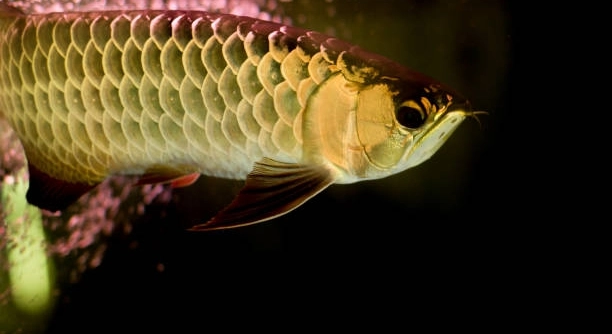
Is your arowana showing unusual behavior or changes in appearance that seem concerning? Observing your fish carefully is important, as subtle signs can indicate discomfort or distress before more serious problems develop.
Arowanas in pain often exhibit clear physical and behavioral symptoms. These may include loss of appetite, erratic swimming, fin clamping, visible injuries, color changes, lethargy, and abnormal respiratory patterns. Identifying these signs promptly allows for timely intervention and care.
Recognizing these signals early can prevent worsening conditions and help maintain your arowana’s health in its environment. Proper attention ensures a happier and more comfortable fish.
Loss of Appetite
When an arowana stops eating or shows less interest in food, it can be an early indicator of pain or illness. Reduced appetite often signals that something in the environment or the fish’s body is causing discomfort. Stressful conditions, water quality issues, or underlying infections can all affect feeding behavior. Arowanas may refuse food even when their tank is clean and well-maintained, which makes careful observation critical. Monitoring feeding patterns daily helps detect changes quickly. Consistent refusal to eat can lead to weakened immunity, making the fish more vulnerable to diseases. In some cases, pain from injuries or internal problems may reduce the fish’s ability to digest or process food. Addressing the root cause early is essential to prevent further health complications. Arowanas rely on proper nutrition for growth and energy, so maintaining a stable appetite is vital for their overall well-being.
Loss of appetite in arowanas is often a sign that immediate attention is needed to prevent worsening health issues.
Observing feeding habits carefully can help determine the exact problem. Providing high-quality food and adjusting water conditions can support recovery.
Erratic Swimming
Erratic or unusual swimming patterns in arowanas are often a direct response to discomfort or pain. Fish may dart quickly across the tank, spin, float near the surface, or struggle to maintain balance. These behaviors can indicate internal problems, fin or tail injuries, or stress from water conditions. Water temperature, oxygen levels, and pH imbalances can also trigger abnormal swimming, but persistent unusual movements often suggest pain. Noticing these signs early allows for corrective action, including checking water quality, inspecting the fish for injuries, and making environmental adjustments. Swimming irregularities can also stem from infections or parasites that interfere with the fish’s normal movement. Observing the intensity, frequency, and timing of these behaviors is essential for accurate assessment. Arowanas that consistently swim in a disoriented or abnormal manner require prompt intervention to prevent further health deterioration.
Erratic swimming is often one of the clearest visible signs of distress in your arowana.
Addressing the issue involves correcting water conditions, checking for injury or infection, and providing a stable, stress-free environment to aid recovery.
Clamped Fins
Clamped fins are a clear sign that an arowana is experiencing discomfort or stress. The fins remain tight against the body instead of spreading naturally, which can indicate pain, poor water conditions, or illness.
Clamped fins often accompany lethargy, loss of appetite, or unusual swimming patterns. This behavior signals that the fish is trying to conserve energy or protect itself from further stress. Infections, parasites, or injuries can all cause fin clamping. Water quality issues, such as high ammonia or nitrite levels, can also contribute. Regular observation helps identify these problems early. Treating the underlying cause promptly improves the fish’s overall health and prevents long-term damage to fins or internal systems.
Persistent fin clamping can weaken an arowana’s immune system, making it more susceptible to other health issues. Correcting water parameters and inspecting the fish for injuries are critical steps in restoring normal behavior and comfort.
Visible Injuries
Visible injuries, such as torn fins, lesions, or wounds, are a direct sign that your arowana is in pain. Even minor injuries can lead to infections if left untreated.
These injuries may result from aggressive tank mates, sharp decorations, or accidents during feeding. They can also be caused by bacterial or fungal infections that eat away at the skin and fins. Observing how the fish moves and interacts can reveal whether the injury is affecting swimming or feeding. Immediate treatment and isolation can prevent further damage and reduce stress. Proper water maintenance and careful handling are essential to support healing and prevent recurring injuries.
Ignoring visible injuries can escalate problems quickly. Treating wounds promptly with appropriate remedies, maintaining optimal water conditions, and monitoring behavior will improve recovery. Pain from injuries can disrupt normal activity, so attention and care are vital for overall well-being.
Color Changes
Arowanas may show dull or faded colors when they are in pain. Loss of vibrancy can indicate stress, illness, or poor water conditions that affect their overall health.
Rapid or unusual color changes often accompany other symptoms such as clamped fins or lethargy. Monitoring water quality and ensuring proper nutrition helps restore normal coloration.
Lethargy
A lethargic arowana will spend extended periods resting at the bottom or hiding. Reduced activity is a common response to discomfort, pain, or illness. A lack of movement can also indicate energy depletion due to stress or poor feeding. Regular observation of activity levels helps detect problems early. Lethargy often appears alongside loss of appetite and unusual swimming, reinforcing the need for prompt attention. Maintaining a stable, clean environment and providing proper nutrition can improve energy levels and reduce stress. Immediate assessment of water parameters and health status is essential to address the cause effectively.
Abnormal Respiratory Patterns
Labored or rapid gill movement can indicate that your arowana is experiencing discomfort or stress. Watching how it breathes helps identify early signs of illness or poor water conditions.
FAQ
How can I tell if my arowana is in pain?
Observing your arowana’s behavior and physical condition is the most reliable way to identify pain. Key signs include clamped fins, loss of appetite, unusual swimming patterns, lethargy, visible injuries, color changes, and abnormal respiratory movements. Changes in one or more of these areas usually indicate discomfort or health issues. Keeping a daily routine of observation allows you to notice subtle differences quickly. Consistent monitoring of feeding, swimming, and resting habits helps pinpoint when something is wrong, allowing timely intervention before conditions worsen.
What should I do if my arowana shows signs of stress or pain?
Immediate action is necessary to reduce pain and prevent further complications. Start by checking water quality parameters, including ammonia, nitrite, nitrate levels, pH, and temperature. Clean or adjust the tank as needed to maintain optimal conditions. Inspect the fish carefully for injuries, parasites, or infections. Isolate the affected arowana if necessary to prevent aggression or contamination from other fish. Providing high-quality food and minimizing stressors, such as sudden movements or loud noises near the tank, supports recovery. In severe or persistent cases, consulting a veterinarian specializing in fish health is recommended for accurate diagnosis and treatment.
Can poor water quality cause my arowana pain?
Yes, poor water quality is a common source of discomfort for arowanas. High levels of ammonia or nitrites irritate the gills, causing labored breathing and abnormal respiratory patterns. Temperature fluctuations can stress the fish, leading to lethargy, loss of appetite, and clamped fins. Maintaining consistent, clean water with proper filtration is essential. Regular testing and partial water changes help keep the environment safe and reduce the risk of stress-related pain.
Are injuries common in home arowanas?
Injuries can occur even in well-maintained tanks. Arowanas are active swimmers and may bump into decorations, tank walls, or other fish. Aggressive interactions with tank mates can also cause wounds or torn fins. Observing behavior, removing sharp objects, and providing adequate space reduces the likelihood of injury. Prompt treatment of any injuries prevents infections and helps the fish recover quickly.
How do color changes indicate pain or illness?
Arowanas usually have vibrant, consistent coloration. Dull, faded, or uneven coloring can signal stress, illness, or internal pain. These changes often accompany other symptoms like lethargy or clamped fins. Ensuring proper diet, clean water, and stress-free surroundings supports healthy coloration and overall well-being.
When should I consult a vet?
If your arowana displays persistent signs of pain such as prolonged loss of appetite, visible injuries, unusual swimming, or abnormal breathing despite proper care, it’s time to seek professional help. A veterinarian can identify underlying conditions, prescribe medications, and provide guidance to restore health efficiently.
Can diet affect my arowana’s comfort and health?
Yes, inadequate or poor-quality food can contribute to discomfort and illness. Nutrient deficiencies may weaken the immune system, making the fish more prone to infections and stress. Feeding a balanced diet appropriate for arowanas supports growth, energy levels, and overall health, reducing the risk of pain and discomfort.
How can I prevent my arowana from experiencing pain?
Consistent tank maintenance, regular water testing, providing a safe environment, and monitoring behavior are key preventive measures. Avoid overcrowding and aggressive tank mates. Feed a varied, high-quality diet and address signs of illness early. Creating a stable, stress-free environment ensures your arowana stays healthy and comfortable.
Is it normal for arowanas to be inactive sometimes?
Short periods of rest are normal, but prolonged inactivity or hiding can indicate stress, pain, or illness. Observing the context of inactivity alongside other symptoms helps determine whether intervention is needed. Maintaining water quality, temperature, and proper nutrition encourages healthy activity levels.
What are the most critical signs not to ignore?
Loss of appetite, abnormal swimming, clamped fins, visible injuries, rapid breathing, and significant color changes are all critical signs. These symptoms indicate potential pain or serious health issues and should prompt immediate action to prevent deterioration. Regular observation ensures early detection and effective care.
This FAQ provides practical, straightforward guidance for recognizing and addressing pain in arowanas, helping ensure their long-term health and comfort.
Monitoring your arowana’s health closely is essential to ensuring it lives a comfortable and stress-free life. These fish are sensitive to changes in their environment, and even small shifts in water quality, temperature, or diet can cause discomfort. Paying attention to their daily behavior, swimming patterns, appetite, and physical appearance allows you to detect problems early before they escalate. Consistent observation is key because arowanas often hide signs of pain until it becomes serious. Simple routines, such as checking water parameters, inspecting the fish for injuries, and offering a balanced diet, can make a significant difference in maintaining their health. By taking these steps, you create a stable environment that minimizes stress and reduces the likelihood of illness or injury. Understanding your arowana’s normal habits and responses helps you spot subtle changes that indicate discomfort or pain, allowing you to act promptly to prevent further complications.
Addressing health concerns promptly is critical when your arowana shows signs of pain or unusual behavior. Clamped fins, lethargy, loss of appetite, visible injuries, or abnormal swimming patterns all signal that something may be wrong. These signs should never be ignored, as untreated issues can worsen and lead to serious health complications. Maintaining water quality is one of the most effective ways to prevent stress and illness in your arowana. Regular water changes, proper filtration, and monitoring of pH, ammonia, and nitrite levels help create a safe and comfortable environment. Nutrition also plays a crucial role in supporting your fish’s immune system and overall well-being. Feeding a balanced diet appropriate for arowanas helps them recover from stress or illness more quickly. When needed, isolating the affected fish, treating injuries, or consulting a veterinarian ensures that your arowana receives the necessary care to recover effectively. Prompt intervention can prevent small issues from becoming severe problems, protecting your fish’s long-term health.
Finally, keeping your arowana healthy requires ongoing attention and care. Creating an environment that meets its physical and behavioral needs helps prevent discomfort and supports a longer, happier life. Observing your fish, maintaining clean water, providing high-quality food, and minimizing stressors are all part of responsible care. Even subtle changes in behavior or appearance can indicate underlying pain or illness, so staying attentive is essential. By being proactive, you reduce the chances of serious health issues and ensure that your arowana remains comfortable in its habitat. Consistent care, observation, and responsiveness to any signs of distress not only improve the fish’s physical health but also enhance its overall quality of life. A well-cared-for arowana will display normal swimming, vibrant coloration, healthy appetite, and general vitality, making your efforts rewarding and ensuring your fish thrives in its environment.

Hello,
If you enjoy the content that we create, please consider saying a "Thank You!" by leaving a tip.
Every little bit helps us continue crafting quality advice that supports the health, happiness, and well-being of pets around the world, for pets of all shapes, sizes, and species.
We really appreciate the kindness and support that you show us!