
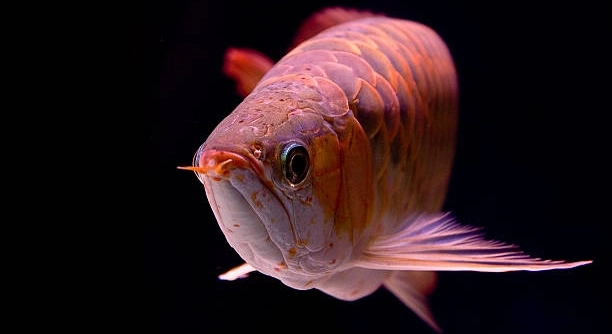
Is your arowana staying in one corner of the tank instead of exploring its full space? Many fish owners notice this behavior and feel concerned. Understanding the reasons behind it can help maintain a healthier environment for your fish.
Arowanas may avoid certain areas due to stress, improper tank setup, insufficient water quality, or lack of hiding spots. Environmental factors, tank dimensions, and water parameters significantly influence movement patterns, making the fish reluctant to use the entire available space.
Observing your arowana closely and adjusting the tank environment can improve its comfort and activity. Small changes often encourage natural exploration and healthier behavior over time.
Tank Size and Layout
Arowanas are large, active fish that need ample space to swim freely. If the tank is too small, the fish will naturally stay in one area to feel secure. Even when the tank seems sufficient in length, improper width or height can limit movement. Decorations, rocks, and plants should be arranged to create open swimming paths. Avoid overcrowding the tank with ornaments that block natural movement. Arowanas also prefer areas with some hiding spots, like floating logs or broad leaves, where they can retreat when stressed. Lighting plays a role as well; bright lights directly over the tank can make the fish uncomfortable, causing it to stay in shaded areas. Regularly observing the fish and noting which areas it avoids can help identify layout issues. Rearranging decorations periodically encourages exploration and prevents the fish from forming fixed patterns of movement. Proper spatial arrangement supports natural behavior and reduces stress.
Ensuring the tank has at least twice the length of your arowana helps it swim comfortably and explore all areas.
A well-planned tank layout balances open swimming spaces and hiding spots. Providing unobstructed pathways allows the arowana to move freely while retaining areas to retreat for comfort. Placing plants or decorations along the edges rather than the center encourages the fish to navigate the full tank. Regular adjustments and monitoring of behavior will help maintain activity levels and prevent the fish from developing fixed habits.
Water Quality and Temperature
Water conditions directly affect an arowana’s willingness to explore its tank. Poor water quality can make fish sluggish, keeping them in one corner.
Maintaining stable water temperature, pH levels, and cleanliness is crucial for promoting activity. Arowanas are sensitive to sudden changes in water chemistry. Frequent water changes help remove toxins like ammonia, nitrites, and nitrates, which can stress the fish. Temperature fluctuations can make the fish retreat to safer areas, typically near filters or heaters. Monitoring water parameters with reliable testing kits ensures a stable environment. Filtration should provide adequate circulation without creating overly strong currents that limit movement. Even minor imbalances in water quality can alter the fish’s behavior and health. Observing signs such as lethargy, lack of appetite, or hiding patterns can indicate underlying issues. Gradually acclimating the fish to new water conditions or equipment reduces stress and encourages more consistent exploration of the tank. Arowanas respond well to stable, clean, and properly maintained water, which fosters natural swimming behavior.
Feeding Habits
Arowanas may remain in one area if food is consistently offered in the same spot. They often associate certain corners with feeding, limiting exploration. Varying feeding locations can encourage movement across the tank.
Rotating feeding areas helps the fish become more active and explore its environment. Offering live, frozen, or prepared foods in different parts of the tank stimulates natural hunting instincts. Feeding at different times of the day also encourages activity, preventing the fish from forming fixed routines. Overfeeding can make arowanas lethargic, so controlled portions are important. Observing the fish’s response to different foods can help identify preferences and motivate more swimming across the tank. Encouraging natural foraging behavior supports both mental stimulation and physical exercise, helping the fish fully utilize its space and maintain a healthier lifestyle.
Maintaining variety in feeding not only prevents boredom but also supports overall health. This approach keeps the fish engaged and encourages exploration of the entire tank.
Stress and Environmental Factors
Sudden changes in tank setup or exposure to loud noises can make arowanas stay in one corner. Minimizing disturbances supports their comfort and encourages movement.
Stress can also come from nearby fish, reflections in glass, or frequent handling. Arowanas are sensitive to constant disturbances, which may cause hiding or restricted swimming. Maintaining a calm environment with stable conditions helps reduce anxiety. Ensuring consistent lighting, gentle water flow, and quiet surroundings allows the fish to feel secure. Observing behavior over time identifies potential stressors that limit activity. Introducing gradual changes rather than sudden ones supports adjustment. Stress reduction enhances willingness to explore, increases feeding response, and improves overall health, creating a more balanced and active aquatic environment.
Providing secure areas and maintaining a predictable, calm environment is essential. The arowana will gradually gain confidence to swim throughout the tank, making better use of its space.
Tank Companions
Arowanas may limit their movement if tankmates are aggressive or overly active. Choosing compatible species reduces stress and allows the fish to explore freely.
Even peaceful fish can create territorial conflicts if the tank is crowded. Ensuring adequate space and monitoring interactions encourages natural swimming behavior and reduces hiding.
Health Issues
Illness or injury can make an arowana less active. Symptoms like lethargy, clamped fins, or unusual swimming patterns indicate potential health problems. Regular observation and prompt treatment are essential to restore normal activity.
Lighting and Day-Night Cycle
Inconsistent lighting or overly bright conditions can make arowanas stay in shaded areas. A balanced day-night cycle promotes natural activity and comfort.
FAQ
Why is my arowana staying in one corner of the tank?
Arowanas often stay in one area due to stress, small tank size, poor water quality, or unsuitable tank layout. Providing enough open swimming space, hiding spots, and stable water conditions encourages more activity and exploration.
Can feeding habits affect my arowana’s movement?
Yes. Arowanas may associate specific areas with food and stay there. Rotating feeding locations and offering varied food types stimulates natural hunting instincts and encourages swimming across the tank. Controlled portions also prevent lethargy caused by overfeeding.
How does water quality influence behavior?
Poor water quality, such as high ammonia, nitrite, or nitrate levels, can stress the fish, making it stay in one area. Maintaining stable pH, temperature, and cleanliness, along with regular water changes, promotes activity and overall health.
Do tankmates affect my arowana’s exploration?
Aggressive or overly active fish can intimidate an arowana, causing it to limit movement. Even compatible species need enough space to prevent territorial disputes. Observing interactions and providing adequate open areas ensures safer exploration.
Can lighting impact my arowana’s swimming habits?
Yes. Bright or inconsistent lighting may cause the fish to remain in shaded areas. A balanced day-night cycle and gentle lighting encourage natural movement and comfort. Adjusting intensity gradually prevents sudden stress reactions.
What role does tank layout play?
Crowded or poorly arranged decorations restrict movement. Open swimming paths with hiding spots at the edges allow the fish to explore freely. Rearranging decorations periodically stimulates activity and prevents fixed movement patterns.
Could stress from external factors make my arowana inactive?
Loud noises, frequent handling, or reflections in glass can make arowanas hide or stay in one corner. Reducing disturbances and maintaining a calm environment encourages confidence and active swimming throughout the tank.
How do health problems affect activity?
Illness, injury, or parasites can cause lethargy. Signs like clamped fins, unusual swimming, or loss of appetite indicate health issues. Prompt diagnosis and treatment restore normal movement and encourage full tank use.
Is tank size the main reason for limited movement?
Tank size plays a major role. Arowanas need long, open spaces to swim. Tanks that are too small, or too narrow in width or height, can make the fish feel confined. Ensuring appropriate dimensions promotes full exploration and reduces stress.
How can I encourage my arowana to explore more?
Provide stable water conditions, varied feeding areas, a proper tank layout, gentle lighting, compatible tankmates, and minimal disturbances. Gradual changes and observation help the fish gain confidence, promoting natural swimming and better use of the full tank.
Are there seasonal or temperature effects on activity?
Yes. Sudden temperature changes can make arowanas retreat to safer spots. Maintaining consistent water temperature and gradual adjustments during seasonal changes ensures comfort and encourages full tank exploration.
Can decorations or hiding spots cause the fish to avoid areas?
Too many decorations in central swimming areas may restrict movement. Hiding spots should be along edges or corners to give security without blocking open spaces, helping the fish explore naturally.
Does water flow influence swimming patterns?
Strong currents may make arowanas avoid certain areas. Adjusting filtration to provide gentle circulation while keeping open swimming paths encourages consistent movement across the tank.
How long does it take for an arowana to start using the full tank?
It varies depending on stress levels, adaptation to the tank, and environmental adjustments. With proper care, consistent feeding, stable water, and gradual changes, most arowanas begin exploring the full tank within days to weeks.
Can regular observation improve activity?
Yes. Watching swimming patterns helps identify stressors, inactive areas, and preferred hiding spots. Making adjustments based on observation promotes healthier behavior, encourages movement, and improves overall tank management.
Do live plants affect exploration?
Live plants can provide shelter and comfort but should not overcrowd the tank. Proper placement along edges and open areas in the center allow the arowana to feel safe while moving freely.
Is it normal for arowanas to be inactive sometimes?
Occasional inactivity is normal, especially after feeding or during rest periods. Persistent hiding or limited movement usually indicates environmental, health, or stress-related issues that need attention.
How important is tank maintenance in encouraging movement?
Very important. Clean water, stable temperature, and proper filtration reduce stress and create an inviting environment. Regular maintenance encourages natural swimming patterns and overall well-being.
Will rearranging the tank help?
Yes. Periodically adjusting decorations and feeding areas prevents the fish from forming fixed movement habits. Small, gradual changes promote exploration and mental stimulation.
How can I balance hiding spots and open swimming areas?
Place hiding spots along edges or corners while keeping central areas open. This arrangement provides security without restricting movement, allowing the arowana to explore the full tank comfortably.
Does overfeeding affect activity levels?
Yes. Overfed arowanas may become lethargic and avoid swimming. Controlled portions, along with varied food types, encourage more movement and support overall health.
Are sudden water changes stressful?
Large, abrupt water changes can cause stress and reduce activity. Gradual water replacement maintains stable conditions and encourages confident exploration of the tank.
Can reflections in the glass affect behavior?
Yes. Reflections may be perceived as rivals, making the fish stay in one corner. Minimizing reflections through background placement or repositioning the tank reduces stress and encourages natural swimming.
Does age influence movement?
Young arowanas are generally more active and exploratory. Older fish may naturally slow down but still need adequate space, proper care, and stimulation to use the full tank effectively.
What is the best way to encourage consistent swimming?
Combining proper tank size, stable water conditions, varied feeding, gentle lighting, compatible companions, and minimal disturbances promotes confidence. Regular observation and gradual adjustments help maintain activity and full tank use over time.
Can tank temperature swings limit swimming?
Yes. Arowanas are sensitive to temperature changes. Maintaining a stable range appropriate for the species ensures comfort and encourages exploration throughout the tank.
Is it normal for an arowana to favor corners sometimes?
Occasional corner resting is normal, especially after feeding or during low activity periods. Persistent corner dwelling usually signals environmental, health, or stress-related issues that need to be addressed.
How often should I monitor water parameters?
Weekly testing of pH, ammonia, nitrite, nitrate, and temperature is recommended. Frequent monitoring ensures stable conditions, reduces stress, and encourages active swimming across the tank.
Can different water flow patterns help?
Yes. Gentle water circulation encourages movement without creating strong currents. Proper filtration setup promotes exploration and reduces the likelihood of the fish remaining in one corner.
Does tank size alone guarantee full exploration?
No. While adequate size is essential, water quality, feeding practices, layout, lighting, companions, and stress management all contribute to encouraging the fish to use the full tank.
How long should I wait after adjustments to see changes in behavior?
Behavioral changes can be seen within a few days to weeks, depending on the fish’s personality and previous stress levels. Consistency in care accelerates adaptation.
Can introducing new decorations affect swimming?
Yes. Gradual introduction of new elements can stimulate exploration. Sudden changes, however, may stress the fish and reduce activity temporarily.
Are temperature and pH fluctuations more harmful than size issues?
Both impact behavior, but frequent water parameter changes often stress the fish more quickly than slightly smaller tank dimensions. Stable conditions encourage natural movement even in moderately sized tanks.
Is it normal for arowanas to hide near plants?
Yes. Plants provide security. Proper placement along edges ensures the fish has comfort without restricting full exploration of the tank.
Can long-term inactivity affect health?
Yes. Limited movement can reduce muscle tone, appetite, and overall well-being. Encouraging regular activity supports physical and mental health, promoting a longer, healthier life.
Should I worry if my arowana only explores at certain times?
Not necessarily. Arowanas have natural activity peaks, often related to feeding or lighting cycles. Consistent monitoring ensures these patterns are normal and not caused by stress or illness.
What combination of factors encourages the best activity?
Stable water parameters, proper tank size, varied feeding, compatible companions, gentle lighting, and reduced disturbances work together. Observation and gradual adjustments optimize exploration and overall health.
Can stress from nearby humans affect movement?
Yes. Frequent tapping, sudden motions, or proximity may cause the fish to hide. Limiting disturbances fosters confidence and encourages swimming across the tank.
How does age and growth rate affect activity?
Younger, growing arowanas are generally more active. Adults may be slower but still benefit from stimulation, open swimming areas, and stable environmental conditions to maintain movement.
Do seasonal changes impact behavior?
Yes. Temperature fluctuations and daylight changes may affect activity. Maintaining consistent conditions supports exploration and reduces inactivity related to environmental shifts.
Can rearranging hiding spots improve movement?
Yes. Moving decorations or hiding areas encourages the fish to explore new parts of the tank. Gradual adjustments prevent stress and stimulate natural swimming behavior.
How do I know if limited movement is normal or a problem?
Occasional resting or corner preference is normal. Persistent inactivity, hiding, poor appetite, or abnormal swimming patterns usually indicates stress, illness, or environmental issues that need attention.
Are feeding schedules important for activity?
Yes. Regular but varied feeding times prevent routine stagnation, stimulate movement, and encourage exploration. Adjusting location and type of food promotes natural behavior.
Can temperature and pH changes interact with other stress factors?
Yes. Combined with overcrowding, aggressive tankmates, or strong currents, fluctuations intensify stress. Maintaining stable conditions while managing other environmental factors promotes confident, active swimming.
Does the type of filtration matter?
Yes. Filters providing gentle circulation without strong currents support swimming. Overly strong flows may discourage movement and make the fish seek calmer areas.
Can I use observation to adjust care?
Absolutely. Tracking behavior helps identify stressors, optimize feeding, monitor water quality, and adjust tank layout. Observing responses ensures better activity and overall well-being.
Is it normal for an arowana to hide after a new setup?
Yes. Fish may retreat to safe areas during acclimation. Gradual adjustments and minimal disturbances help the arowana gain confidence and explore the tank fully.
Can consistent care reverse inactivity habits?
Yes. Stable water, proper feeding, suitable tankmates, gentle lighting, and observation gradually encourage activity and natural swimming, reversing fixed or inactive habits over time.
How can I ensure long-term full tank use?
Maintain proper tank size, clean water, varied feeding, calm surroundings, and periodic adjustments. Observing the fish ensures its comfort and promotes healthy exploration consistently.
Final Thoughts
Ensuring that your arowana uses the full tank space requires attention to multiple factors. Tank size is critical, as these fish are large and highly active. Even if a tank seems long enough, insufficient width or height can make the fish feel confined, encouraging it to stay in one area. Decorations, plants, and hiding spots need careful placement to create open swimming paths. Crowding the tank or blocking central areas can restrict natural movement. Regularly adjusting decorations and feeding locations promotes exploration and prevents the fish from developing fixed patterns of behavior. Maintaining balance between open areas and shelter helps the fish feel secure while encouraging full use of the tank.
Water quality and temperature play equally important roles in your arowana’s activity. Unstable parameters, such as fluctuating pH, ammonia spikes, or rapid temperature changes, create stress and discourage swimming. Frequent water testing, proper filtration, and regular maintenance are essential. Even minor imbalances can impact behavior. Lighting should also be consistent, as overly bright conditions or sudden changes may make the fish seek shaded areas. A predictable day-night cycle, gentle illumination, and quiet surroundings provide comfort and promote confidence in movement. When combined with careful monitoring, these environmental adjustments support natural swimming patterns and overall well-being.
Feeding habits, tankmates, and stress management further influence activity levels. Overfeeding can cause lethargy, while feeding in the same spot repeatedly may lead the fish to associate certain areas with food, limiting movement. Rotating feeding locations and offering varied food types stimulate natural hunting instincts. Aggressive or overly active tankmates can intimidate your arowana, so compatible species and sufficient space are necessary. External stressors, including loud noises, frequent handling, or reflections in the glass, also reduce activity. Gradual changes, consistent care, and close observation help the fish adapt confidently, ensuring it uses the full tank space. By addressing these factors collectively, you create an environment that encourages exploration, supports health, and allows your arowana to thrive naturally.

Hello,
If you enjoy the content that we create, please consider saying a "Thank You!" by leaving a tip.
Every little bit helps us continue crafting quality advice that supports the health, happiness, and well-being of pets around the world, for pets of all shapes, sizes, and species.
We really appreciate the kindness and support that you show us!