
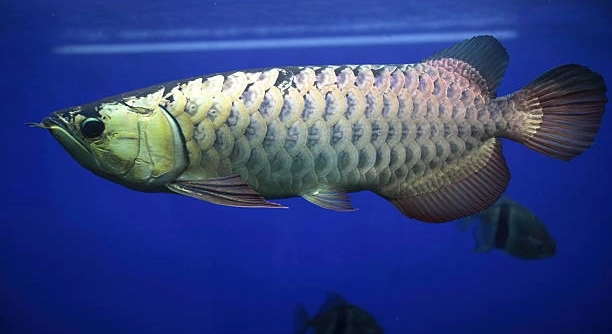
Do you ever find yourself watching your Arowana swim gracefully, wondering how it recognizes feeding routines? These fish are known for their intelligence and can develop habits over time through consistent cues. Observing them can be fascinating and rewarding.
Arowanas are capable of learning feeding times through auditory cues. By repeatedly associating specific sounds with food delivery, they form conditioned responses. This behavior demonstrates their ability to recognize patterns and adapt to predictable environmental stimuli efficiently.
Understanding this learning process can help improve feeding routines and strengthen your bond with your Arowana. Consistency and observation are key to fostering positive habits in these fish.
How Arowanas Respond to Sound
Arowanas have keen senses that allow them to detect vibrations and changes in their environment. Over time, they can associate specific sounds with the arrival of food. For instance, tapping the tank lid or the sound of a feeding container being opened can trigger anticipation. When this pattern is repeated consistently, the fish begin to recognize the sound as a signal for feeding. Observing their behavior, you might notice them swimming near the surface or following the source of the sound. This response is not immediate at first; it requires several repetitions for the fish to understand the connection. Each Arowana may react differently, depending on its temperament and age. Younger fish tend to learn faster, while older fish may take longer to adapt. Paying attention to their reactions helps reinforce the association and ensures that feeding remains a smooth and stress-free routine for both you and the fish.
Conditioned responses in Arowanas improve with consistent repetition of the sound.
Consistency in using the same sound helps the fish anticipate meals, creating a reliable feeding schedule and reducing stress in the tank environment. By keeping signals uniform, the learning process becomes faster and more effective, ensuring the fish respond promptly to feeding cues.
Training Tips for Sound Recognition
Start with one distinct sound consistently linked to feeding.
Begin by choosing a specific noise, like tapping a lid lightly or shaking a feeding container. Always use this sound immediately before placing food in the tank. Avoid changing the sound or combining it with other noises, as this can confuse the fish. Repeating this routine daily at roughly the same times helps the Arowana associate the sound with food. Positive reinforcement comes naturally when the fish quickly approaches the surface upon hearing the cue. Patience is essential; initial attempts may show little reaction, but persistence leads to recognition over days or weeks. Observing their behavior closely allows you to adjust the method slightly if needed. This practice not only strengthens their response but also enhances the feeding experience, making it predictable and manageable while reducing sudden movements or stress in the tank. Consistent repetition ensures the fish internalize the association efficiently.
Common Mistakes to Avoid
Using too many sounds can confuse Arowanas and slow learning.
Changing feeding cues frequently disrupts the association between sound and food. Arowanas respond best to a single, consistent sound linked directly to feeding. Overstimulation from tapping, clinking, or other noises may cause stress, reducing their willingness to approach during feeding times. Observing their reactions helps identify which signals work best. Avoid abrupt movements or loud noises around the tank, as these can create negative associations. Maintaining a calm, predictable routine encourages quicker learning and strengthens their conditioned response, making feeding smoother and less stressful.
Inconsistent timing is another factor that delays learning. Feeding at different hours each day prevents the fish from anticipating meals accurately.
Consistency in both timing and sound ensures the Arowana develops a reliable routine. Predictable schedules reduce stress and improve feeding efficiency. Fish quickly recognize the patterns, responding promptly and actively. Over time, they become conditioned to the sound, knowing it always signals food. Avoid mixing sounds or sudden changes, as this undermines their learning process. Observing responses allows subtle adjustments to improve effectiveness. Patience combined with repetition strengthens the bond between routine and behavior, ensuring a healthier, more comfortable environment for the fish.
Enhancing Feeding Routine with Sound
Pair sound with gentle hand movements to reinforce recognition.
Using the same sound consistently before offering food trains the fish to respond reliably. Arowanas associate the sound with the reward of food, increasing their anticipation and activity near the feeding area. Combining sound with consistent timing enhances the learning process, while observing reactions ensures adjustments can be made if needed. Gradually, the fish begins to associate the sound not only with food delivery but also with a sense of safety. Avoid overstimulation by keeping cues simple and predictable, which supports positive reinforcement.
Gradual introduction of additional stimuli can improve recognition efficiency. For instance, slightly varying the angle of food presentation or the position of your hand encourages the fish to focus on the primary cue: the sound. Over time, Arowanas become highly responsive, approaching quickly when the signal is given. Avoid mixing multiple cues at once, as this can dilute the association. Consistent observation and small adjustments help ensure the fish reliably understands the sound’s meaning. This approach strengthens feeding habits while maintaining a calm environment, making each session predictable and stress-free for both the fish and yourself.
Timing and Consistency
Feeding at the same times each day reinforces the connection between sound and food.
Predictable schedules help Arowanas anticipate meals. Regular timing combined with a consistent sound strengthens learning, making the fish more responsive and reducing stress during feeding sessions.
Observing Behavioral Cues
Watching their movements helps gauge understanding. Signs like swimming toward the surface or following the sound indicate the fish recognizes the cue.
Adjusting for Individual Fish
Each Arowana has its own learning pace. Some respond quickly to auditory cues, while others require repeated exposure and patience. Monitoring progress allows adjustments in timing or sound intensity to match the fish’s comfort and responsiveness, ensuring the learning process is effective and stress-free.
Avoiding Overfeeding
Respond only to cues, not excess movements.
FAQ
Can all Arowanas learn to respond to sound?
Most Arowanas can learn to associate specific sounds with feeding, but the speed and accuracy of learning vary by individual temperament, age, and past experiences. Younger fish often adapt faster, while older Arowanas may require more repetition. Consistent cues and gentle reinforcement increase the likelihood of successful learning over time.
How long does it take for an Arowana to recognize a sound?
It usually takes several days to a few weeks of consistent feeding routines for an Arowana to reliably respond to a sound. Repetition is key, and using the same sound at the same time each day helps the fish form a conditioned response more efficiently.
What type of sound works best?
Simple, consistent sounds work best. Light taps on the tank lid, shaking a feeding container, or gentle clinks can be effective. Avoid loud, abrupt noises, as they can startle the fish or create negative associations, slowing the learning process. The sound should be distinct but calm.
Can Arowanas forget the sound association?
Yes, if the sound is not used consistently, the fish may lose the connection. Long gaps in feeding or changing the signal frequently can weaken the learned behavior. Maintaining a regular routine ensures the association remains strong over time.
Will multiple sounds confuse my Arowana?
Introducing several sounds at once can confuse the fish. It is better to use a single sound consistently for feeding and gradually introduce minor variations only after the fish reliably responds to the initial cue. This prevents stress and helps the fish focus on one clear signal.
Is it necessary to pair sound with visual cues?
While sound alone can be effective, pairing it with consistent visual cues like hand movements or the position of food can reinforce learning. This combined approach strengthens recognition and encourages the fish to respond promptly while maintaining a sense of security in their environment.
How do I know if my Arowana understands the cue?
Behavioral signs include swimming toward the source of the sound, gathering near the surface, or becoming more alert before food is presented. Observing these subtle movements helps track progress and adjust the method if the fish seems hesitant or confused.
Can overfeeding affect sound training?
Yes. Overfeeding reduces motivation to respond to the cue because the fish may not feel hungry. Feeding only the appropriate amount and maintaining a controlled routine ensures the sound remains meaningful and encourages a positive conditioned response.
Do environmental factors influence learning?
Water temperature, tank setup, and distractions can affect learning. Calm surroundings with minimal disturbances support faster recognition, while noisy environments or sudden movements may slow down the association between sound and food. A quiet, consistent environment is ideal.
What if my Arowana doesn’t respond at all?
Some fish may take longer to learn or require subtle adjustments. Patience and observation are essential. Ensure the sound is consistent, the timing is regular, and the fish is hungry enough to respond. Avoid adding multiple cues or abrupt changes that might confuse them.
Can sound training improve overall feeding habits?
Yes, conditioned responses can make feeding predictable, reduce stress, and create a smoother routine. Arowanas become more attentive and responsive, which can help with portion control and ensure the fish eats consistently, promoting healthier growth and well-being.
Should I use treats or regular food for training?
Regular food works best, but occasionally using favorite treats can strengthen motivation and reinforce the association. Avoid overusing treats, as this may lead to overeating and reduce the effectiveness of training with standard meals.
How do I maintain the behavior long-term?
Consistency is key. Continue using the same sound, timing, and feeding approach. Regular observation allows adjustments for changes in behavior, ensuring the fish continues to recognize the cue and maintains the conditioned response throughout its life.
Can multiple Arowanas learn the same sound?
Yes, but each fish may respond differently. Dominant fish may react faster, while others might take longer. Feeding routines should account for multiple responses, ensuring each fish receives food and has the opportunity to recognize the cue individually.
Are there any risks with sound training?
When done calmly and consistently, risks are minimal. Overly loud or sudden sounds can startle the fish or create stress. Proper care involves gentle, predictable signals paired with appropriate feeding amounts and observation of the fish’s behavior to ensure a positive experience.
Training an Arowana to respond to sound is a rewarding process that relies on patience, consistency, and careful observation. These fish are intelligent and capable of recognizing patterns in their environment, including auditory cues. By using a single, distinct sound consistently before feeding, you help the fish form a clear association between the signal and food. Over time, this conditioned response becomes reliable, with the Arowana swimming toward the source of the sound or showing signs of anticipation when it hears the cue. Observing these behaviors allows you to understand your fish better and adjust feeding routines if necessary. Younger fish tend to learn faster, but older Arowanas can also develop the habit with steady repetition and careful attention to their responses. The process demonstrates their ability to adapt and reinforces the importance of creating a calm, predictable environment for the fish.
Consistency is key when training Arowanas with sound. Feeding at roughly the same time each day and using the same sound helps the fish anticipate meals and reduces stress. Inconsistent timing or varying the sound frequently can confuse the fish and slow the learning process. Gentle reinforcement and patience are essential, particularly for fish that are slower to respond. Observing subtle behavioral cues, such as swimming patterns or alertness near the feeding area, provides insight into how well the fish understands the cue. Overfeeding should be avoided, as it reduces the fish’s motivation to respond to the signal. Likewise, using loud or abrupt noises may create negative associations that hinder learning. Maintaining a controlled, calm environment allows the Arowana to focus on the cue and strengthens the conditioned behavior over time. With regular practice and attention, the fish becomes more responsive, making feeding routines smoother and more predictable.
The benefits of training an Arowana to recognize a sound go beyond convenience. Conditioned responses help establish a structured feeding routine, which contributes to the fish’s overall well-being. Anticipation of meals reduces stress and encourages natural behavior, while a consistent approach ensures each fish receives the appropriate amount of food. Training also allows for better monitoring of appetite and activity levels, making it easier to identify any changes in health early. While some fish may take longer to learn than others, persistence and careful observation usually result in success. Sound training enhances the interaction between the fish and its environment, creating a more engaging and controlled habitat. By focusing on clear, consistent cues and maintaining a calm feeding routine, you support the Arowana’s learning abilities, promote healthier habits, and foster a more harmonious tank environment.

Hello,
If you enjoy the content that we create, please consider saying a "Thank You!" by leaving a tip.
Every little bit helps us continue crafting quality advice that supports the health, happiness, and well-being of pets around the world, for pets of all shapes, sizes, and species.
We really appreciate the kindness and support that you show us!