
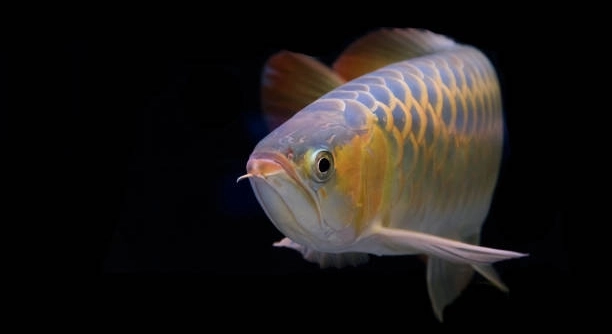
Do you ever notice your arowana staying near the bottom of the tank while ignoring the top? Many fish owners experience this behavior and feel unsure about what might be causing it. Observing their habits closely is important.
Arowanas often avoid the top layer due to stress, poor water quality, insufficient hiding spots, or fear of sudden movements. Ensuring proper tank conditions, stable water parameters, and a calm environment encourages healthy surface swimming behavior.
Understanding why your arowana avoids the top layer can help improve its comfort and overall health in the aquarium environment. Proper adjustments may lead to a more balanced and visible fish behavior.
Common Reasons Arowanas Avoid the Top Layer
Arowanas tend to stay at the bottom for several reasons. One of the main factors is stress caused by sudden movements around the tank or loud noises nearby. Another factor is water quality. Poor water conditions, including high ammonia, nitrite, or nitrate levels, can make the upper layers uncomfortable for your fish. Temperature fluctuations also affect their behavior, as arowanas prefer stable, warm water. Tank setup plays a role too. If there aren’t enough hiding spots or plants, they may feel exposed near the surface and stick to the bottom for security. Lighting can influence activity as well; very bright lights can make your arowana cautious. Overcrowding with other fish may also push them downward. Observing these factors carefully can help identify the main reason your arowana avoids the top layer. Making gradual adjustments improves their comfort and encourages more natural swimming behavior.
Monitoring water quality, temperature, and tank conditions is key to promoting healthier surface swimming.
Consistency in tank maintenance is crucial. Regular water changes and proper filtration reduce stress and make your arowana more comfortable. Using floating plants or gentle lighting can ease exposure fears. Providing hiding spots ensures the fish feels safe near the surface, and gradually acclimating it to minor changes prevents sudden reactions. Feeding practices also affect behavior; scattered feeding near the top can encourage movement upward. Over time, with patience and attention to these factors, arowanas become more active at different levels. Tracking their patterns daily helps you notice subtle changes and respond quickly, creating a stable environment that promotes overall health and natural behavior.
Water Quality and Its Impact
Water quality directly affects arowana behavior and well-being. Poor water conditions can stress your fish, making them avoid the top layer.
Maintaining clean water is essential for arowanas to swim freely. Regular checks for ammonia, nitrites, and nitrates prevent harmful buildup. Temperature and pH balance should be stable, as fluctuations discourage surface activity. Filtration systems help remove waste and maintain oxygen levels, promoting healthy swimming habits. Additionally, removing uneaten food prevents bacterial growth, which can reduce comfort at the top. Paying attention to these details ensures your arowana feels safe and healthy in all areas of the tank, including the surface. Proper care encourages natural behaviors, leading to a more active and visually engaging fish.
Regular testing and careful observation make a significant difference. Using a reliable water testing kit, adjusting filtration, and performing partial water changes keep parameters consistent. Monitoring temperature and pH daily helps avoid sudden stress triggers. Overfeeding and leftover food should be managed to prevent water deterioration. Plants and decorations can improve oxygen levels and provide comfort, but they must not overcrowd the tank. Creating a balanced environment requires attention to detail and patience. Over time, your arowana becomes more comfortable exploring all tank layers, showing more natural and lively behavior. The benefits extend beyond appearance, supporting long-term health, growth, and overall well-being, which every fish owner hopes to achieve.
Tank Setup and Environment
Arowanas avoid the top layer when the tank environment feels unsafe. Lack of hiding spots, bright lighting, and overcrowding can make them stick to the bottom. Adjusting decor and lighting encourages more balanced swimming behavior.
Providing floating plants, gentle lighting, and proper hiding spaces improves comfort. Overcrowding with other fish can stress arowanas, so keeping compatible species or limiting numbers helps. Positioning decorations strategically allows the fish to explore upper layers without feeling exposed. Water flow also matters; strong currents near the surface can discourage swimming there. By arranging the tank thoughtfully, your arowana becomes more willing to move throughout all layers.
Feeding practices influence surface activity. Scattering food near the top encourages the fish to explore the upper layer gradually. Regularly changing decor and adjusting lighting can maintain a stimulating yet safe environment. Monitoring how your arowana reacts to different setups ensures it feels secure. Over time, careful adjustments result in natural swimming patterns and more visible activity at the top.
Health and Stress Factors
Stress and illness often keep arowanas at the bottom. Poor diet, water fluctuations, and infections reduce energy and confidence.
Illnesses like swim bladder problems or bacterial infections impact mobility. Stress from sudden changes in water temperature, pH, or tank disturbances also limits surface activity. Regular observation helps detect early signs of health issues. Maintaining a balanced diet and stable conditions prevents stress. Arowanas respond well to calm surroundings and consistent care.
Monitoring behavior closely is essential. Changes in appetite, color, or swimming patterns can indicate health problems. Quarantining new fish before introducing them prevents disease spread. Ensuring proper nutrition and supplementation supports immunity and growth. Gentle water flow and minimal disturbances reduce stress, encouraging exploration of all tank levels. By combining careful feeding, consistent maintenance, and attention to subtle behavioral shifts, your arowana can regain confidence, swim naturally, and maintain overall well-being, resulting in a healthier and more active fish.
Lighting and Surface Conditions
Bright lights can make arowanas feel exposed, keeping them near the bottom. Dimming lights or using floating plants helps reduce stress and encourages surface swimming.
Water movement at the surface also affects comfort. Gentle currents are ideal, while strong flows may make your arowana avoid the top layer altogether.
Feeding Habits
Scattering food near the top gradually trains arowanas to explore higher levels. Consistent feeding schedules and varied diet improve overall activity. Overfeeding or dropping all food at the bottom reinforces bottom-dwelling behavior. Using feeding rings or small floating pellets encourages the fish to reach the surface naturally.
Tank Size
Arowanas require large tanks to swim comfortably. Small tanks restrict movement and discourage surface exploration.
FAQ
Why does my arowana stay at the bottom all the time?
Arowanas often stay at the bottom due to stress, poor water quality, or feeling exposed. Sudden movements, loud noises, or overcrowding make them cautious. Ensuring stable water parameters, gentle lighting, and adequate hiding spots encourages your fish to swim more freely near the top.
Can water temperature affect surface swimming?
Yes. Arowanas prefer stable, warm water, typically between 75–82°F (24–28°C). Sudden drops or fluctuations in temperature can make them less active and reluctant to swim near the surface. Using a reliable heater and checking temperatures regularly keeps your fish comfortable.
Does lighting play a role in top layer avoidance?
Bright or harsh lighting can make arowanas feel exposed. Using floating plants or dimming lights reduces stress. Gradually adjusting lighting levels helps the fish explore upper layers without feeling threatened or anxious.
How does tank size influence surface activity?
Arowanas are large, active fish that need space to move freely. Small tanks limit their swimming range and make the upper layers less inviting. A longer, taller tank encourages vertical exploration and more natural swimming behavior.
Can diet affect their swimming behavior?
Feeding practices can influence where an arowana swims. Dropping all food at the bottom reinforces bottom-dwelling behavior. Scattering floating pellets or using feeding rings encourages the fish to explore the surface, promoting more balanced activity throughout the tank.
Could stress or illness keep my arowana at the bottom?
Stress from water fluctuations, overcrowding, or frequent disturbances can make arowanas avoid the top. Illnesses, including swim bladder problems or infections, also reduce activity. Observing changes in color, appetite, or swimming patterns helps detect health issues early.
Are floating plants helpful for top layer exploration?
Yes, floating plants provide shade and a sense of security. They make the surface less exposed and allow the arowana to swim near the top without feeling vulnerable. Adjusting plant density gradually helps the fish adapt comfortably.
How often should I monitor water quality?
Daily checks for temperature and weekly testing for ammonia, nitrites, and nitrates keep conditions stable. Partial water changes and proper filtration maintain water quality, preventing stress and encouraging surface swimming.
Will tank mates affect my arowana’s top layer behavior?
Other fish can impact comfort levels. Aggressive or fast-moving tank mates may push the arowana down. Keeping compatible species and avoiding overcrowding creates a calmer environment that supports activity throughout all layers.
How long does it take for an arowana to start exploring the top layer?
It depends on the fish and adjustments made. With stable water conditions, gentle lighting, proper hiding spots, and surface feeding, most arowanas gradually explore the upper layers within a few weeks. Patience and consistency are key to encouraging natural behavior.
Can changing the tank decorations help?
Yes. Rearranging rocks, plants, or driftwood can create safe paths to the surface. This prevents the fish from feeling trapped and encourages exploration of the top layer, while also keeping the tank visually interesting.
Is overfeeding harmful to surface swimming?
Overfeeding increases waste, which deteriorates water quality and stresses the fish. Uneaten food at the bottom also encourages bottom-dwelling habits. Feeding small amounts in controlled portions improves health and encourages movement toward the top layer.
Do arowanas ever prefer the bottom naturally?
Some arowanas are naturally more cautious and may prefer the bottom temporarily. However, consistently avoiding the top often signals environmental or health issues that should be addressed to ensure overall well-being.
How can I make the surface more inviting?
Adjust lighting, add floating plants, reduce strong currents, and scatter food near the top. Creating a calm, safe environment encourages the arowana to explore the upper layer without feeling exposed.
What should I do if my arowana never swims near the top?
Check water quality, temperature, lighting, and tank setup. Monitor for stress or illness, adjust feeding habits, and ensure the tank is large enough. Persistent avoidance may indicate health concerns, which require closer observation or professional advice.
Are there behavioral signs that indicate discomfort with the top layer?
Yes. Rapid darting to the bottom, clamped fins, or hiding behind decorations are signs of discomfort. Observing these behaviors helps you identify stressors and make adjustments to encourage more balanced swimming.
Does water flow near the surface affect arowanas?
Strong currents can discourage surface activity. Arowanas prefer gentle water movement, especially near the top. Adjusting filter output or adding flow diffusers makes the surface more comfortable and encourages exploration.
How can I gradually train my arowana to swim near the top?
Introduce floating food, adjust lighting gradually, and add safe hiding spots near the surface. Consistent routines, gentle water flow, and minimal disturbances help the fish gain confidence over time.
Can arowanas adapt to changes in the tank environment?
Yes, but gradual adjustments work best. Sudden changes can increase stress and reinforce bottom-dwelling habits. Slowly modifying lighting, decor, and feeding routines supports adaptation and encourages more natural swimming behavior.
Is it normal for arowanas to occasionally avoid the top?
Yes. Temporary avoidance due to stress, feeding patterns, or environmental changes is normal. Consistent care, stable water conditions, and gentle encouragement can help your arowana regain comfort and swim across all tank layers.
Do certain arowana species behave differently at the surface?
Yes. Some species are naturally more cautious or prefer mid-to-bottom levels, while others are more active near the top. Understanding your species’ typical behavior helps set realistic expectations and guide tank management strategies.
How important is observation in encouraging top layer swimming?
Regular observation allows you to notice subtle changes in behavior, water conditions, or health. Early detection of issues ensures timely adjustments, promoting confidence and encouraging your arowana to explore all areas of the tank safely.
What is the best long-term strategy for encouraging top layer activity?
Maintain stable water quality, proper tank size, gentle lighting, floating plants, and gradual feeding practices. Monitor behavior daily and adjust as needed. Consistent care and patience ensure your arowana feels safe and active in all parts of the tank.
Final Thoughts
Arowanas are beautiful and sensitive fish that need a stable and comfortable environment to thrive. Their behavior, especially avoiding the top layer of the tank, is often a sign that something in their surroundings is not ideal. This could be anything from water quality issues, poor tank setup, stress from sudden movements, or even health problems. Paying attention to these signs and making small, consistent changes can have a big impact on your fish’s behavior. For example, adjusting lighting, adding floating plants, or rearranging decorations can create a safer feeling environment near the surface. These changes don’t need to happen all at once. Gradual adjustments are often more effective because arowanas can be cautious and easily stressed by sudden changes. Observing your fish daily allows you to see how it responds to new arrangements or feeding habits, giving you insight into what works best.
Feeding practices play a key role in encouraging top layer activity. If your arowana only finds food at the bottom, it naturally avoids the surface. Using floating pellets or a feeding ring near the top encourages exploration and helps the fish associate the upper layers with safety and nourishment. Consistency is important, so keeping a regular feeding schedule helps build confidence. Diet also affects overall energy levels and health. A well-balanced diet strengthens the immune system, improves coloration, and promotes natural swimming behavior. Overfeeding or letting uneaten food accumulate can cause water quality problems, which in turn increases stress and encourages bottom-dwelling habits. Managing these details ensures your arowana remains active, healthy, and more willing to swim near the top layer.
Tank size and water quality are equally important. Arowanas are large, active fish that need space to swim freely. Small or overcrowded tanks make them feel confined and limit their movement. Proper filtration, stable water temperature, and regular testing for ammonia, nitrites, and nitrates maintain a healthy environment. Stress from unstable conditions can reduce surface activity and even affect appetite and growth. Creating an environment that is calm, stable, and enriched with hiding spots or floating plants encourages natural behavior. Over time, these consistent adjustments allow your arowana to explore all areas of the tank, swim confidently near the top, and display its full range of behavior. Patience, attention, and daily care are the keys to helping your arowana feel comfortable, safe, and active throughout its home.

Hello,
If you enjoy the content that we create, please consider saying a "Thank You!" by leaving a tip.
Every little bit helps us continue crafting quality advice that supports the health, happiness, and well-being of pets around the world, for pets of all shapes, sizes, and species.
We really appreciate the kindness and support that you show us!