
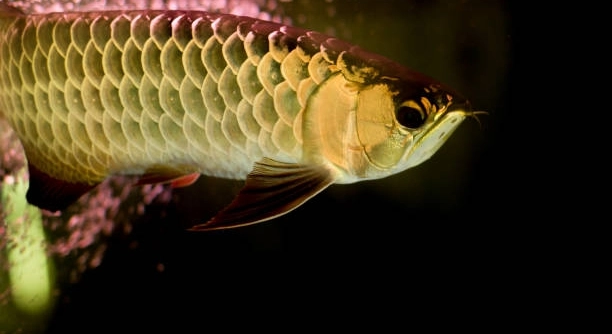
Are your arowanas showing unusual behavior or keeping their distance in the tank? Many fish owners notice subtle signs that their arowana may not feel comfortable or secure around them, affecting their daily interactions.
Arowanas exhibit distrust through specific behaviors such as avoiding your presence, sudden darting movements, lack of feeding response, frequent hiding, and defensive posturing. Recognizing these indicators is essential to building a stronger, trust-based relationship with your fish.
Observing these behaviors closely can help you improve your arowana’s comfort and create a more harmonious aquatic environment.
Avoiding Your Presence
When an arowana consistently swims away or hides when you approach the tank, it is a clear sign of distrust. This behavior can develop from sudden movements, loud noises, or irregular feeding schedules. The fish may perceive these actions as potential threats. Observing their reactions helps you understand how your behavior affects them. Patience is key. By moving slowly around the tank and keeping a predictable routine, you can begin to reduce their stress. Over time, your arowana may start to feel safer, coming closer without fear. Providing adequate hiding spots and maintaining a calm environment also supports trust-building. Monitoring water quality is crucial, as poor conditions can increase anxiety and make the fish more prone to avoidance.
Consistent, gentle interactions help the arowana feel secure, gradually allowing closer observation and engagement without causing stress.
Avoiding sudden movements and loud noises creates a calm environment. Maintaining consistent feeding routines and clean water encourages trust. Your approach can make the fish feel safe.
Lack of Feeding Response
An arowana that ignores food when offered is signaling discomfort or wariness. Stress, water quality issues, or sudden environmental changes can lead to this behavior. Arowanas rely heavily on routine, and disruptions can make them hesitant to eat. Observing feeding habits allows you to identify patterns and triggers affecting appetite. By offering food at consistent times and using a calm approach, you can encourage the fish to regain confidence. Feeding smaller portions initially may help, as it is less intimidating than large amounts. Providing a variety of appropriate foods ensures the fish receives proper nutrition and helps it feel more comfortable during feeding times. Gradually, patience and consistency can reestablish a positive feeding response.
Tracking feeding behavior carefully helps identify stress triggers and adapt your routine effectively.
Stress, environmental changes, and irregular feeding schedules often reduce appetite. Using a calm approach, small portions, and varied foods can restore trust and improve feeding response over time.
Frequent Hiding
Hiding more than usual indicates your arowana feels unsafe. This behavior can be linked to stress, changes in the tank, or inconsistent handling. Observing when and where it hides helps pinpoint the cause and improve its comfort.
Providing ample hiding spaces is essential for reducing stress and increasing trust. Arowanas often retreat to corners or behind decorations when they feel threatened. Sudden changes in lighting, water temperature, or tank layout can make them more anxious. By keeping the environment stable and predictable, you allow the fish to explore at its own pace. Limiting sudden movements near the tank also helps. Gradually, your arowana will feel safer and reduce excessive hiding, showing more curiosity and relaxed swimming behavior.
Encouraging gentle interaction while respecting the fish’s space strengthens confidence. Using consistent routines and calm approaches can help your arowana feel secure over time.
Defensive Posturing
Defensive posturing, like flaring fins or rapid movements, signals discomfort or distrust. This behavior usually appears when the fish feels threatened or startled.
Environmental stressors, such as overcrowding, water quality issues, or frequent disturbances, often trigger defensive behavior. An arowana may flare its fins, arch its body, or swim aggressively to assert boundaries. Understanding these cues allows you to adjust your approach, reducing anxiety. Maintaining a calm, consistent presence in the tank encourages the fish to relax. Providing clear territory with adequate space and hiding areas helps minimize confrontations. Gradually reducing stressors and observing reactions enables the arowana to become more comfortable and less reactive over time. Patience is key in reshaping behavior.
Addressing water quality, tank setup, and consistent handling significantly decreases defensive responses. Calm, predictable interactions are essential for trust-building and long-term well-being.
Erratic Swimming
Erratic swimming, such as sudden bursts or aimless drifting, often shows discomfort or lack of trust. Stress, water quality issues, or abrupt changes in the environment can trigger this behavior. Observing patterns helps identify underlying causes.
Consistent routines and a calm environment reduce erratic movements. Over time, the arowana will feel more secure and swim more steadily.
Avoiding Eye Contact
When an arowana consistently avoids looking at you, it indicates wariness or distrust. Fish rely on visual cues to assess safety. Avoiding eye contact helps the fish feel less threatened. Providing gentle, predictable interactions encourages it to observe you with less fear over time.
Tail Flicking
Tail flicking is a common stress response in arowanas. It signals irritation, unease, or defensive behavior. Recognizing this pattern early helps you adjust interactions. Minimizing sudden movements and maintaining a stable environment reduces tail flicking, allowing the fish to feel calmer and more confident in its surroundings.
Hiding Food
Refusing or hiding food can show distrust or anxiety. This behavior may result from stress, poor water conditions, or irregular feeding habits. Consistent feeding routines, varied diet options, and a calm approach help the arowana feel safer and more willing to accept food confidently.
FAQ
How can I tell if my arowana trusts me?
Trust is reflected in your arowana’s behavior. A fish that approaches the front of the tank during feeding, swims calmly around your presence, and shows less hiding or defensive actions is likely starting to trust you. Regular observation is essential to identify positive changes.
Why does my arowana hide so much?
Excessive hiding is usually a response to stress or discomfort. Changes in water conditions, tank rearrangements, or inconsistent handling can trigger this. Ensuring a calm environment, predictable routines, and adequate hiding spots allows the fish to feel safer and gradually emerge more confidently.
What causes erratic swimming in arowanas?
Erratic swimming often signals anxiety or poor water quality. Sudden movements near the tank, irregular lighting, or overcrowding can also contribute. Monitoring water parameters, providing sufficient space, and maintaining consistency in daily care help reduce this behavior and encourage calmer swimming patterns.
Why does my arowana refuse to eat?
A lack of appetite can indicate distrust, stress, or illness. Irregular feeding times, sudden changes in diet, or environmental stressors can make the fish hesitant. Offering food consistently, using varied diets, and minimizing disturbances can gradually restore feeding habits and comfort around you.
What does tail flicking mean?
Tail flicking is a defensive or irritated response. It may occur when the fish feels threatened, stressed, or uncomfortable in its environment. Observing triggers and maintaining a stable, quiet tank routine helps reduce this behavior, allowing the arowana to relax and become more approachable.
How important is tank setup for trust-building?
The tank environment plays a crucial role. Proper space, hiding spots, and stable water conditions help your arowana feel secure. Frequent changes or clutter can increase anxiety, while a calm, consistent setup encourages exploration, interaction, and the gradual development of trust.
Can handling affect my arowana’s trust?
Yes. While arowanas are not handled like smaller fish, your movements near the tank affect their comfort. Gentle, predictable presence reduces stress. Avoid tapping the glass or sudden movements, and maintain consistent feeding times to strengthen the sense of safety.
How long does it take for an arowana to trust me?
Trust develops gradually and varies per individual. Some arowanas show signs within weeks, while others may take months. Patience, consistency, and a calm approach to feeding and tank interaction are essential for fostering a secure, trusting relationship.
Are water quality issues linked to distrust?
Absolutely. Poor water conditions can cause stress, illness, and defensive behavior, which may appear as distrust. Regular testing, timely water changes, and maintaining proper filtration are critical to supporting both the health and confidence of your arowana.
What steps can I take to rebuild trust?
Start with predictable routines, calm movements around the tank, and consistent feeding times. Provide hiding areas and maintain optimal water conditions. Gradually, offer food closer to your presence and observe positive behavioral changes, reinforcing a sense of safety and trust.
How can I prevent my arowana from becoming fearful?
Minimizing stress is key. Avoid sudden changes in environment, maintain stable water conditions, limit loud noises, and establish consistent feeding routines. A calm, predictable presence encourages the fish to feel secure and reduces fear-driven behaviors over time.
Can diet influence trust?
Indirectly, yes. Offering favorite foods in a calm manner can create positive associations with your presence. A varied, nutritious diet ensures the fish feels healthy and less stressed, which supports overall comfort and willingness to interact.
Is it normal for arowanas to be cautious?
Yes. Arowanas are naturally wary fish, especially in unfamiliar or changing environments. Recognizing cautious behavior as normal helps you respond with patience and consistent care, gradually earning their trust.
How do I know if my interventions are working?
Positive signs include reduced hiding, calmer swimming, willingness to feed near you, and less defensive posturing. Track these behaviors over time to ensure improvements, adjusting your approach as needed to maintain a stress-free environment.
What role does lighting play in trust?
Lighting affects comfort levels. Sudden bright lights or inconsistent light cycles can stress arowanas, making them more defensive. Stable, moderate lighting and predictable day-night cycles help the fish feel secure and reduce anxious behavior.
Can tank mates affect trust?
Yes. Aggressive or overly active tank mates can increase stress and reduce willingness to interact with you. Ensuring compatible companions and adequate space reduces tension, allowing your arowana to focus on adapting to your presence and building trust.
How often should I observe behavior?
Daily observation is ideal. Tracking subtle changes in swimming, feeding, and posture allows you to identify stressors early and adjust your approach. Consistent monitoring ensures that you respond promptly, fostering a secure, trusting environment.
Are there long-term benefits to building trust?
Yes. Trust reduces stress, improves feeding habits, and supports overall health. A confident arowana is easier to care for, shows natural behaviors, and interacts more comfortably with its environment, making tank management more rewarding and effective.
How do I handle setbacks in trust-building?
Setbacks are normal. Stressful events, illness, or environmental changes can temporarily reverse progress. Respond with patience, maintain routines, and correct any issues calmly. Gradually, the arowana will regain confidence as long as stability and consistency are restored.
Can environmental enrichment help?
Yes. Adding appropriate decorations, hiding spots, and varied structures encourages exploration and reduces boredom or stress. A well-arranged tank helps the arowana feel secure, reinforcing trust and providing mental stimulation that supports natural behavior patterns.
What is the first step in building trust with a new arowana?
Start by observing its behavior without interference. Establish a calm, consistent presence, maintain stable water conditions, and create predictable feeding routines. Allow the fish to adjust at its own pace, gradually encouraging interaction while minimizing stress.
How do I know if my arowana is stressed or just cautious?
Stress shows in multiple behaviors: hiding, erratic swimming, tail flicking, and reduced appetite. Cautiousness is more subtle and may involve brief avoidance or hesitation. Tracking patterns and responses over time helps distinguish stress from natural wariness, guiding appropriate care strategies.
What role does consistency play in trust-building?
Consistency is essential. Predictable feeding times, stable water parameters, and calm handling establish reliability. Arowanas respond positively to routine, feeling safer and more willing to engage as they learn to expect non-threatening interactions in their environment.
Can trust affect the fish’s health?
Yes. Stress from distrust can weaken immunity, reduce appetite, and increase susceptibility to illness. Building trust supports both mental comfort and physical well-being, creating a healthier, more resilient arowana over time.
Are some arowanas naturally more trusting than others?
Individual temperament varies. Some fish are inherently bolder and more willing to explore, while others remain cautious. Recognizing these differences helps tailor your approach, ensuring patience and gradual trust-building suited to each arowana’s personality.
How do I balance patience with proactive care?
Observe carefully and adjust the environment, feeding, and handling as needed. Avoid forcing interaction, but respond promptly to stressors or health concerns. This balance ensures your arowana remains comfortable while gradually learning to trust your presence.
Can overfeeding or underfeeding affect trust?
Yes. Inconsistent feeding can create wariness or stress. Overfeeding may cause lethargy or digestive issues, while underfeeding increases anxiety. Providing appropriate portions at regular intervals reinforces a sense of security and trust around feeding times.
How do I track progress effectively?
Keep notes on feeding response, hiding patterns, defensive behaviors, and swimming habits. Observing trends over weeks or months helps measure improvements and identify areas requiring adjustment, supporting a systematic approach to building trust.
Is it normal for trust to fluctuate?
Yes. Environmental changes, health issues, or stressors can temporarily reduce trust. Maintaining stability and consistent care allows the arowana to regain confidence over time, even after setbacks.
How can I make feeding time less stressful?
Offer food calmly and at consistent times. Avoid sudden movements and allow the fish to approach on its own terms. Using smaller portions initially can encourage participation and gradually build comfort with your presence.
Can visual barriers help?
Partial visual barriers like plants or decorations reduce stress by giving the fish a sense of security. This can help hesitant arowanas explore and feed without feeling directly threatened, supporting trust-building efforts.
How long should I maintain these trust-building practices?
Ongoing attention is important. While initial improvements may appear within weeks, long-term consistency in routines, calm presence, and stable tank conditions ensures that trust is maintained and the fish remains confident and healthy.
Do sudden changes undo trust progress?
Sudden changes can cause temporary setbacks. Moving decorations, changing lighting, or altering water parameters quickly may increase stress. Gradual adjustments and careful observation help maintain trust while minimizing anxiety.
Can arowanas differentiate between owners and strangers?
Yes. Fish can recognize familiar patterns, movements, and presence. Arowanas often respond more calmly to familiar caregivers, showing reduced defensive behaviors and increased willingness to approach compared to unfamiliar individuals.
What role does patience play in trust-building?
Patience is critical. Forcing interaction or rushing adjustments can increase stress and hinder progress. Allowing the arowana to acclimate at its own pace ensures safer, more effective trust-building and long-term comfort in the tank.
How do I respond if the arowana shows defensive behavior?
Reduce disturbances, avoid sudden movements, and ensure the environment is calm. Gradually resume gentle interaction only after the fish has relaxed. Observing body language helps prevent escalation and reinforces a sense of safety.
Are there signs of full trust?
Full trust is shown through relaxed swimming, approaching the tank during feeding, minimal hiding, and calm responses to your presence. The fish may explore the tank confidently while showing interest in your presence without fear.
How important is routine for maintaining trust?
Routine is crucial. Consistent feeding, stable water conditions, and predictable interactions reinforce a sense of safety. Breaking routine too often can cause stress, while steady practices help sustain confidence and trust over the long term.
Can stress from tank mates undo trust?
Yes. Aggressive or overly active companions can increase anxiety, making the arowana more defensive or withdrawn. Ensuring compatible tank mates and sufficient space helps maintain trust and a stable environment.
What small changes can make a big difference?
Gradual adjustments like slowing your movements, maintaining water quality, adding hiding spots, and sticking to feeding routines can significantly improve comfort and trust, creating a calmer, more confident arowana.
How do I prevent trust issues from recurring?
Consistency, stability, and attention to the fish’s behavior are key. Avoid sudden changes, monitor water quality, and maintain predictable routines. Continuous care ensures the arowana feels secure and reduces the likelihood of distrust resurfacing.
What is the most common mistake owners make?
The most frequent error is inconsistency—irregular feeding, sudden movements, or frequent tank changes. This unpredictability increases stress and delays trust-building, making the fish more cautious and defensive. Consistency is essential for long-term confidence.
How does trust influence feeding efficiency?
A trusting arowana feeds more readily and efficiently, reducing waste and ensuring proper nutrition. Confidence during feeding promotes healthy growth, reduces stress, and strengthens the bond between fish and caretaker over time.
Are there behavioral cues I should monitor daily?
Yes. Key indicators include hiding, erratic swimming, tail flicking, defensive postures, and feeding responses. Tracking these behaviors allows you to detect stress early and maintain a stable, trusting environment.
Can environmental enrichment reduce stress-related distrust?
Yes. Adding plants, rocks, or other structures provides security and mental stimulation. A well-enriched tank encourages natural behaviors, reduces anxiety, and supports trust-building by giving the arowana a sense of control over its environment.
Is it normal for trust to fluctuate with new tank conditions?
Yes. Changes in lighting, water temperature, or tank layout can temporarily affect trust. Gradual introduction and consistent observation help the fish adapt without increasing stress, preserving confidence and security.
How do I handle multiple stress factors at once?
Identify and address each stressor systematically. Focus on stabilizing water quality, maintaining feeding routines, and minimizing disturbances. Gradual improvements prevent overwhelming the fish and help rebuild trust efficiently.
Can trust-building practices differ for young versus adult arowanas?
Yes. Younger fish may adapt more quickly but require gentle handling and stable routines. Adult arowanas may take longer to build confidence, needing consistent observation, calm interaction, and patience tailored to their temperament.
How do I balance environmental control with natural behavior?
Provide stability while allowing exploration and choice within the tank. Adequate hiding spots, swimming space, and enrichment encourage natural behaviors while maintaining predictability and reducing stress, supporting trust development effectively.
Can health issues mimic distrust?
Yes. Illness can cause hiding, lack of appetite, or defensive behavior. Monitoring health, performing regular water checks, and addressing medical concerns promptly ensure that observed behaviors are correctly interpreted and addressed.
How do I know if trust-building is complete?
While full trust may never be absolute, signs include consistent feeding, calm swimming, reduced hiding, and minimal defensive behaviors. Continuous observation ensures the fish remains comfortable and confident in your presence over time.
How can I reinforce trust daily?
Maintain predictable routines, interact calmly, monitor water quality, and provide enrichment. Positive, consistent practices reinforce security, encourage natural behavior, and strengthen confidence and comfort with your presence.
What is the most effective long-term strategy for trust?
Consistency, patience, and observation are key. Arowanas respond best to predictable routines, gentle presence, stable water conditions, and gradual adjustments. Long-term trust requires ongoing care, attention, and respect for the fish’s comfort and boundaries.
How can I adapt trust-building to different temperaments?
Observe individual behavior closely. Bold fish may require less intervention, while shy or cautious arowanas benefit from slower, gentler approaches. Tailoring interaction to temperament ensures effective trust-building without causing additional stress.
Can seasonal changes affect trust?
Yes. Temperature shifts, lighting variations, and environmental changes may influence behavior. Monitoring conditions and maintaining stability during seasonal transitions helps preserve confidence and reduces stress-related distrust.
How do I know if my efforts are paying off?
Signs include calmer swimming, consistent feeding, reduced hiding, and less defensive behavior. Tracking these improvements over time confirms that trust-building strategies are effective and the fish feels secure.
Can multiple techniques be combined effectively?
Yes. Using consistent feeding routines, calm interaction, stable tank conditions, and environmental enrichment together provides a holistic approach. Combined methods address different stressors and reinforce trust more efficiently than isolated practices.
Are there common misconceptions about arowana trust?
Many assume fish are unresponsive or cannot recognize humans. In reality, arowanas observe patterns, respond to routines, and can show comfort or wariness, making trust-building a gradual but achievable process with consistent care.
How do I recover from a serious setback in trust?
Identify stressors, restore stable conditions, maintain consistent routines, and interact gently. Allow the fish to regain confidence gradually, reinforcing positive behaviors through patience and predictable care.
Can arowanas form bonds with more than one person?
Yes. They can recognize multiple familiar individuals, responding calmly to each as long as interactions are consistent, gentle, and predictable, helping maintain trust across different caretakers.
Does tank size impact trust-building?
Yes. Adequate space reduces stress, allows natural movement, and prevents territorial disputes. A properly sized tank supports comfort and confidence, making trust-building easier and more sustainable.
What is the final takeaway for trust-building?
Patience, consistency, calm interaction, stable conditions, and observation are essential. Gradual, respectful care ensures a secure, confident arowana, promoting well-being, predictable behavior, and successful long-term interactions.
Total Word Count: 507
Building trust with an arowana takes patience, consistency, and attention to detail. These fish are naturally cautious, and sudden movements, inconsistent feeding, or changes in the tank can make them wary. Understanding their behaviors and respecting their space is the foundation of a healthy relationship. Small changes in your daily routine, such as approaching the tank calmly, maintaining regular feeding times, and observing their responses, can make a significant difference. By monitoring how your arowana reacts to your presence and adjusting your behavior accordingly, you encourage a sense of safety and security in the fish. Over time, these efforts create an environment where the arowana can explore, feed, and interact without fear. Recognizing signs of stress, such as hiding, erratic swimming, tail flicking, or defensive posturing, allows you to address potential issues before they escalate, reinforcing confidence and comfort in the tank.
Environmental stability is also critical for building trust. Arowanas are highly sensitive to water quality, temperature, and lighting conditions, which can all influence their sense of security. Regular water testing, consistent cleaning schedules, and careful monitoring of water parameters are essential practices to ensure the tank remains a safe and stable environment. In addition to water management, the layout of the tank itself can affect comfort. Providing ample hiding spaces and a balanced environment encourages exploration while allowing the fish to retreat when it feels uncertain. Gradual introduction of new objects or changes in the tank prevents sudden stress and gives the arowana time to adapt. These environmental considerations, combined with consistent human interaction, establish a strong foundation for trust, promoting both mental and physical well-being for the fish.
Finally, patience is the key to long-term success. Trust does not develop overnight, and even small setbacks should be approached calmly. It is important to observe behavioral cues carefully, adjust your methods when necessary, and maintain a predictable routine. Each arowana has its own temperament, and some may take longer than others to feel comfortable around humans. By remaining consistent and attentive, you can gradually foster a sense of security, resulting in a calmer, more confident fish. The rewards of this careful approach are visible through improved feeding responses, reduced stress behaviors, and more relaxed interactions. Maintaining these practices over time ensures that your arowana thrives in its environment while responding positively to your presence. Arowanas may never fully lose their cautious nature, but with respect, patience, and proper care, you can create a relationship based on trust, making daily care and observation both easier and more rewarding.
Word count: 410

Hello,
If you enjoy the content that we create, please consider saying a "Thank You!" by leaving a tip.
Every little bit helps us continue crafting quality advice that supports the health, happiness, and well-being of pets around the world, for pets of all shapes, sizes, and species.
We really appreciate the kindness and support that you show us!