
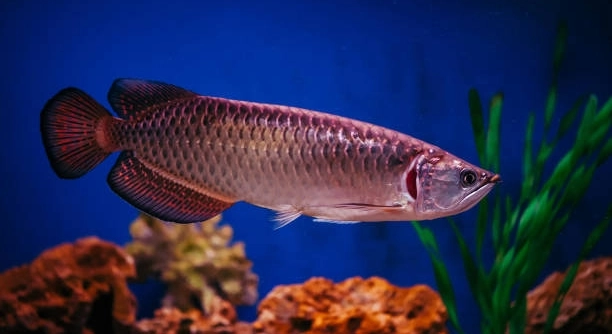
Is your arowana spending most of its time near the water’s surface, making you wonder if something might be wrong with its environment?
The primary reason an arowana floats near the surface is often linked to low oxygen levels in the tank. Poor water quality, temperature fluctuations, or stress can also influence this behavior, signaling that the fish requires immediate attention.
Understanding the underlying causes will help you maintain your arowana’s comfort and ensure a healthy, balanced aquatic environment for your elegant swimmer.
Common Reasons Your Arowana Floats Near the Surface
Arowanas are surface-dwelling fish by nature, but when they linger at the top for extended periods, it usually means something is off. One of the most common causes is low oxygen levels in the water. If your tank lacks proper aeration, your arowana will instinctively stay near the surface, where oxygen concentration is higher. Another reason could be poor water quality, such as high ammonia or nitrate levels, which can irritate the fish’s gills and cause breathing issues. Additionally, temperature fluctuations, overfeeding, or internal infections can also lead to abnormal swimming behavior. Observing your fish’s posture, appetite, and breathing rate can help identify the underlying problem before it worsens.
If you notice sluggish movement, rapid gill movement, or loss of appetite along with surface floating, it’s time to test your tank’s parameters immediately.
Maintaining stable water conditions and providing a balanced diet can help your arowana return to its normal, graceful swimming habits. Regular monitoring prevents stress and supports its long-term well-being.
How to Help Your Arowana Recover
The first step to helping your arowana is checking oxygen levels and water parameters. Insufficient oxygen or poor water quality are often the main causes of surface floating. Ensuring the water is clean, stable, and well-oxygenated can make a big difference.
Start by performing a partial water change, replacing 25–30% of the tank water to reduce toxins and restore balance. Clean the filter and make sure it’s running efficiently to promote oxygen flow. You can also add an air stone or increase surface agitation to boost oxygen exchange. Keep the temperature consistent, between 75°F and 82°F, as sudden drops can stress your arowana. Observe feeding habits and avoid overfeeding, which can cause digestive problems and contribute to poor water conditions. Finally, reduce external stressors like loud noises or sudden lighting changes. With patience and steady care, your arowana should regain its strength and resume healthy behavior.
Preventing Future Floating Issues
Regular tank maintenance is the best way to prevent your arowana from floating near the surface again. Clean the tank weekly, monitor water parameters consistently, and ensure your filtration system runs efficiently to maintain healthy oxygen and nutrient balance.
Feeding habits also play a major role in prevention. Offer small portions of high-quality, protein-rich food and avoid overfeeding, as uneaten food can quickly degrade water quality. Keep the tank environment calm, minimize stress, and maintain stable water temperature and pH levels. Performing periodic water tests helps you catch imbalances early, reducing the risk of respiratory distress. Healthy plants can also support better oxygenation.
Adding proper aeration, such as air stones or surface skimmers, keeps oxygen circulating effectively. By developing consistent care routines, you create a more stable environment that supports your arowana’s natural swimming behavior and overall health. Prevention often comes down to steady, attentive care.
Signs Your Arowana May Be in Distress
Changes in your arowana’s behavior often signal distress. Floating near the surface, rapid breathing, clamped fins, or reduced appetite are common warning signs that should never be ignored. Early recognition helps prevent serious health issues from developing further.
Sometimes, stress or poor water conditions trigger subtle behavioral shifts before visible symptoms appear. Your arowana may become lethargic, lose its vibrant color, or refuse food. Poor posture or struggling to stay balanced in the water can indicate swim bladder issues or internal infection. Inspect for gill discoloration, frayed fins, or spots on the scales, as these may signal bacterial or parasitic concerns. Regular observation is essential—spend a few minutes daily watching how your fish moves, eats, and breathes. Detecting these small changes early allows you to intervene promptly and restore your arowana’s comfort before complications arise.
The Role of Water Quality
Consistent water testing ensures your arowana stays healthy and active. High ammonia, nitrite, or nitrate levels can cause breathing problems and stress, leading your fish to stay near the surface for relief. Keep levels stable through regular maintenance.
Use a reliable test kit weekly to monitor parameters. Perform partial water changes as needed, and clean filters without removing beneficial bacteria. Proper filtration, oxygenation, and stable temperature are key to maintaining an environment that supports your arowana’s comfort and prevents harmful fluctuations.
Importance of Oxygen Levels
Oxygen levels directly affect your arowana’s health and activity. Low oxygen causes your fish to seek the surface for air, showing signs of stress or sluggish movement. Adequate aeration keeps oxygen evenly distributed and supports normal swimming patterns throughout the tank.
Stress and Environmental Changes
Sudden changes in lighting, temperature, or tank setup can stress your arowana. Minimize loud noises, maintain consistent conditions, and introduce any changes gradually to help your fish feel secure and prevent erratic behavior.
FAQ
Why does my arowana stay near the surface even when the water seems fine?
Even if your water appears clear, there may still be underlying issues like low dissolved oxygen, hidden ammonia spikes, or temperature fluctuations. Arowanas are sensitive fish that respond quickly to subtle changes in their environment. Oxygen levels might drop overnight, or filters may not circulate water evenly throughout the tank. Performing regular water tests helps you detect problems that aren’t visible. Additionally, ensure surface movement through proper aeration, as stagnant water often limits oxygen exchange. Sometimes, your arowana’s behavior can also be linked to stress, poor diet, or minor illness, so always observe its posture and activity closely.
Can overfeeding cause my arowana to float near the surface?
Yes, overfeeding can lead to digestive issues and swim bladder imbalance, causing your arowana to struggle with buoyancy. Uneaten food also decomposes, producing toxins that degrade water quality and reduce oxygen. Feed small, measured portions twice a day instead of large amounts at once. Use a variety of protein-rich and fiber-balanced foods to support digestion. Allow fasting once a week to help the digestive system rest. Regular cleaning of leftover food and debris will further reduce the chance of ammonia buildup and prevent your arowana from floating abnormally.
How can I tell if low oxygen is the problem?
Low oxygen can be identified through rapid gill movement, frequent surface gasping, or lethargic swimming. You might also notice your arowana staying near filter outlets or areas with bubbles, where oxygen levels are higher. Testing water with a dissolved oxygen kit can confirm the issue. Improve oxygenation by adding air stones, ensuring your filter output disturbs the surface, or introducing live plants to increase oxygen naturally. It’s also helpful to lower tank temperature slightly, as warm water holds less oxygen. Addressing oxygen deficiencies early helps prevent stress and long-term health decline.
Could poor tank maintenance cause this behavior?
Yes, inconsistent tank cleaning and irregular water changes often lead to floating behavior. Arowanas thrive in clean, well-maintained tanks with stable parameters. Neglecting routine maintenance causes waste and toxins to accumulate, affecting oxygen and pH balance. It’s important to change 25–30% of the water weekly and clean filters regularly without removing beneficial bacteria. Wipe away algae and remove decaying plants to prevent contamination. Proper maintenance not only keeps the water clear but also ensures your fish feels secure and less stressed in its habitat.
Is it normal for arowanas to swim near the surface occasionally?
Yes, arowanas naturally swim near the surface since they are top-dwelling fish. However, if this becomes excessive or is accompanied by signs of distress, it signals a problem. Occasional surface activity is normal when feeding or exploring, but constant floating or gasping should never be ignored. Observe your fish’s behavior patterns closely—healthy arowanas glide smoothly, display bright colors, and react to movement outside the tank. Consistent surface floating usually means environmental conditions need adjustment.
What temperature should I keep the tank at?
Arowanas thrive in temperatures between 75°F and 82°F (24°C–28°C). Maintaining a consistent range prevents stress and supports stable metabolism. Avoid sudden temperature drops, as they can weaken immunity and cause erratic swimming. Using a reliable aquarium heater with a thermometer ensures constant monitoring. Always place the heater near good water flow for even heat distribution. Keeping temperature stable also helps maintain balanced oxygen levels and reduces the chance of floating behavior linked to thermal shock.
Can stress cause my arowana to stay at the surface?
Yes, stress is a common cause of surface floating. Loud noises, frequent tank tapping, sudden lighting changes, or overcrowding can overwhelm your arowana. Relocate the tank to a quiet area with minimal movement around it. Covering part of the top with floating plants or decorations can help your fish feel more secure. Avoid rearranging decorations frequently, as stability is comforting to them. A calm environment helps your arowana relax and return to natural swimming behavior.
Should I use medication if my arowana keeps floating?
Medication should only be used after confirming the cause. If your water parameters, oxygen, and temperature are balanced but the behavior persists, internal infections or parasites might be involved. Use antibiotics or antiparasitic treatments only under guidance from an aquatic veterinarian. Overusing medication can harm beneficial bacteria and stress your fish further. Quarantine the affected arowana in a separate tank before treatment if possible. Always focus on maintaining clean, oxygen-rich water alongside any medical care, as that greatly supports recovery.
How often should I check my water parameters?
It’s best to test your water at least once a week, especially for ammonia, nitrite, nitrate, pH, and temperature. Regular testing ensures early detection of imbalances before they affect your arowana’s health. During periods of illness or unusual behavior, daily testing can help identify patterns. Keeping a simple log of results helps track consistency over time. Using high-quality test kits and replacing them periodically ensures accuracy. Routine testing is one of the simplest yet most effective ways to maintain your fish’s health and prevent surface-floating behavior from recurring.
Final Thoughts
Caring for an arowana requires patience, consistency, and close observation. These fish are elegant but sensitive, and even slight changes in their environment can affect their behavior. When your arowana floats near the surface for too long, it’s a signal that something within its habitat needs attention. Whether it’s low oxygen, poor water quality, or stress, these issues can usually be corrected through steady maintenance and awareness. Regular cleaning, monitoring of parameters, and ensuring stable temperatures go a long way in keeping your fish calm and healthy. Developing a routine helps prevent sudden problems and allows you to notice unusual changes before they turn serious. A well-cared-for arowana will display graceful swimming, a strong appetite, and vivid coloration, all of which reflect the quality of care it receives.
Understanding your arowana’s behavior is just as important as maintaining its environment. Floating near the surface can seem harmless at first, but it’s often an early sign of discomfort or imbalance. Observing daily habits—like swimming patterns, breathing rate, or feeding response—provides valuable insight into your fish’s well-being. Arowanas are intelligent creatures that quickly adapt to their surroundings, so when their routine changes, it usually means they’re reacting to a shift in water quality or stress. Paying attention to these signals helps you respond early and avoid major health concerns. Combining environmental balance with consistent care ensures that your arowana remains active and stress-free. Over time, you’ll start to understand its unique personality and rhythm, which makes caring for it even more rewarding.
The beauty of keeping an arowana lies in the harmony between the fish and its environment. Each adjustment you make—whether improving oxygen flow, managing feeding habits, or stabilizing water conditions—contributes to its overall health and comfort. A clean, oxygen-rich, and stable aquarium reflects a balanced system where your arowana can thrive. When cared for properly, these fish can live for many years, becoming a striking centerpiece in any home aquarium. Floating near the surface should never be ignored, but it doesn’t have to be a sign of worry if addressed promptly. By remaining consistent, patient, and attentive, you provide your arowana with the conditions it needs to live peacefully. In the end, the effort you invest in maintaining its habitat will always show through your fish’s vitality and graceful presence.

Hello,
If you enjoy the content that we create, please consider saying a "Thank You!" by leaving a tip.
Every little bit helps us continue crafting quality advice that supports the health, happiness, and well-being of pets around the world, for pets of all shapes, sizes, and species.
We really appreciate the kindness and support that you show us!