
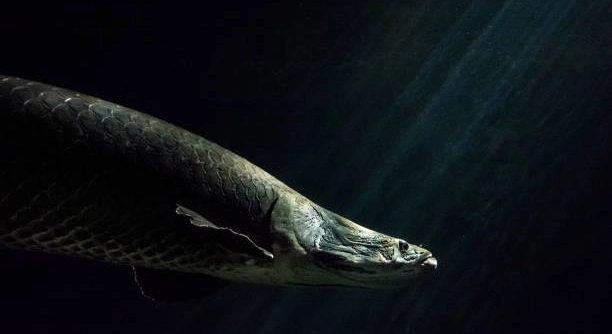
Have you ever noticed subtle changes in your arowana’s behavior while watching it swim around the tank? Observing these differences early can help you understand your fish better and keep your aquarium environment safe and calm.
Arowana aggression is usually indicated by rapid fin movements, frequent chasing of tankmates, flaring gills, or sudden lunges toward objects. Monitoring these signs consistently allows owners to intervene promptly and manage aggressive tendencies before they escalate.
Recognizing these behaviors early gives you the chance to protect your fish and maintain a peaceful aquarium for all its inhabitants.
Common Signs of Aggression in Arowanas
Arowanas can show aggression in subtle ways at first. You might notice them chasing smaller fish or nipping at their own reflection in the glass. Sometimes, they flare their gills or swim rapidly along the tank’s edge. These behaviors can happen more often during feeding times or when new tankmates are introduced. Aggressive movements can also include tail whipping or sudden lunges toward objects in the tank. It is important to track how often these behaviors occur, as repeated incidents indicate a more serious level of aggression. Observing your arowana daily helps you notice changes early, allowing you to adjust tank conditions, such as space or hiding spots, to reduce stress. Even small tanks can become stressful if your fish feels cornered or crowded, increasing the likelihood of aggressive episodes.
Watching for these behaviors consistently is key to preventing conflicts and injuries in the aquarium environment.
Taking notes on your arowana’s actions over several weeks gives you a clear picture of its typical behavior patterns. This can help in making decisions about tank mates and feeding strategies, and ensure the fish remains healthy.
Environmental Factors Affecting Aggression
Tank size, water quality, and decorations all impact aggression. Small or overcrowded tanks often make arowanas more territorial and stressed.
Adjusting tank layout and water conditions can reduce aggressive behaviors. Providing ample swimming space, hiding areas, and stable water parameters keeps your arowana calmer. Ensuring proper filtration, regular water changes, and consistent temperature supports their overall well-being, reducing irritability. Placement of tank decorations can also influence interactions, as visual barriers allow fish to feel secure. Stress from sudden changes, like new fish introductions or frequent disturbances near the tank, can trigger aggression. Observing how your arowana responds to environmental changes helps in creating a peaceful setup. Gradual introductions, avoiding overcrowding, and keeping the tank clean are simple but effective ways to manage aggression. Paying attention to these factors prevents injuries and promotes natural behaviors. Regular monitoring and minor adjustments often make a significant difference in maintaining harmony in the aquarium.
Feeding and Aggression
Arowanas can become aggressive during feeding. Competition over food often triggers chasing, lunging, or snapping at tankmates. Feeding routines and portion sizes can influence how peaceful mealtimes are.
Offering food in multiple areas of the tank helps reduce conflict. If all the food is placed in one spot, dominant fish can monopolize it, leaving others stressed or underfed. Smaller fish are more at risk during aggressive feeding, so separating slow eaters or using feeding rings can improve safety. Adjusting the frequency and type of food, such as live, frozen, or pellets, can also help manage aggressive tendencies. Observing how your arowana reacts during feeding lets you make simple adjustments to keep all fish comfortable and fed properly.
Consistency in feeding times and portions reduces unpredictability, which can heighten aggression. Predictable routines make the tank calmer and prevent sudden bursts of hostility during mealtime.
Managing Aggressive Behavior
Providing hiding spaces and visual barriers reduces stress and territorial disputes among tankmates. Dense plants, driftwood, and rocks create safe zones for less dominant fish.
When aggression persists, separating the arowana temporarily can prevent injuries. Quarantine tanks or dividers allow fish to calm down while maintaining visibility. Adjusting tank mates is another method, as pairing similarly sized or less active fish can lower conflicts. Avoid sudden changes in the aquarium environment, like rearranging decorations or overhandling fish, as these increase stress and provoke aggression. Monitoring water parameters closely ensures that poor quality does not exacerbate irritability. Gentle observation and gradual changes help the arowana adjust without excessive aggression. Regular care and attention to the tank’s layout often result in a more balanced and peaceful aquarium environment.
Recognizing Early Warning Signs
Rapid fin movements, gill flaring, and chasing behaviors often appear before serious aggression occurs. Observing these signs early helps prevent injuries and stress in your tank.
Frequent lunges toward other fish or sudden attacks on objects indicate rising tension. Noticing these patterns allows for timely interventions to maintain a calmer aquarium environment.
Adjusting Tank Setup
Reorganizing decorations and providing more hiding spots can reduce stress and aggressive behavior. Open swimming space and visual barriers help fish feel secure and limit confrontations. Proper tank size and thoughtful layout are key factors in maintaining a peaceful environment.
Social Considerations
Some arowanas tolerate tankmates poorly. Pairing similar-sized, non-aggressive fish minimizes conflict and allows coexistence.
What causes arowanas to become aggressive?
Arowanas are naturally territorial fish. Aggression often comes from limited space, overcrowding, or competition for food. Stressful water conditions, sudden changes in their environment, or introducing new tankmates can also trigger hostile behavior. Understanding their natural instincts helps manage aggression before it escalates.
How can I tell if my arowana is being aggressive?
Signs include chasing or nipping other fish, lunging at tank objects, flaring gills, and rapid fin movements. Aggressive arowanas may dominate feeding areas and isolate smaller fish. Observing patterns over days or weeks helps differentiate normal activity from problematic aggression.
Can feeding habits influence aggression?
Yes, competition during feeding is a major trigger. Arowanas may lunge at tankmates or fight for food. Distributing food in multiple spots, using feeding rings, or separating slower eaters can reduce stress and minimize aggressive incidents during mealtime.
Does tank size matter for aggression?
Smaller tanks can increase stress and territorial disputes. Arowanas need ample swimming space to feel secure. Larger tanks with open areas and hiding spots help reduce conflict and allow dominant fish to coexist more peacefully with others.
What environmental factors affect aggression?
Water quality, temperature, and decorations play a role. Poor water conditions increase stress, leading to hostility. Visual barriers, driftwood, and plants create safe zones. Avoid frequent rearrangements, as sudden changes make arowanas more irritable and prone to attacking tankmates.
Can tankmates reduce aggression?
Choosing the right tankmates helps. Smaller or slow-moving fish may be harassed, so pairing arowanas with similar-sized, non-aggressive fish is better. Monitoring interactions closely ensures safety, and separating incompatible species prevents injury.
Is aggression permanent or temporary?
Aggression can be situational or ongoing. Temporary hostility often occurs during feeding or when new fish are introduced. Persistent aggression may indicate stress, overcrowding, or dominance issues. Observing patterns and adjusting the environment can help reduce long-term aggressive behavior.
What are the risks of ignoring aggressive behavior?
Unchecked aggression can injure or kill other fish. Stress from repeated attacks weakens immune systems, leading to disease. Aggressive behavior may escalate over time, making tank management more difficult. Early intervention protects all inhabitants and maintains a balanced aquarium.
How can I prevent aggression from developing?
Maintaining stable water conditions, providing ample space, and planning tankmate combinations carefully are essential. Structured feeding routines and environmental enrichment, like hiding spots and visual barriers, help reduce territorial disputes. Gradual introductions and consistent care prevent stress-induced aggression.
When should I separate an aggressive arowana?
If chasing, nipping, or lunging leads to injuries or extreme stress, temporary separation is necessary. Using dividers or a quarantine tank allows the fish to calm down. Observing behavior during isolation ensures it can safely rejoin the main tank without harming others.
Can diet impact aggression levels?
Yes, a balanced diet with enough protein and variety reduces competition and irritability. Overfeeding or irregular schedules may increase frustration and fighting. Providing proper portions and feeding multiple areas helps maintain peace.
How long does it take to reduce aggression?
The time varies based on tank size, fish temperament, and environment. Minor adjustments like adding hiding spots or rearranging tankmates may calm fish within days. More significant changes, such as separating aggressive individuals or expanding the tank, can take weeks.
Are some arowanas naturally more aggressive than others?
Yes, personality differences exist. Some fish are naturally territorial or dominant, while others remain calm. Recognizing individual behavior allows tailored strategies for aggression management. Observing each arowana’s reactions to tankmates and environment helps predict and prevent conflicts.
Does age affect aggression?
Younger arowanas may be less territorial but can become aggressive as they grow. Adult fish establish dominance more strongly, particularly in confined spaces. Adjusting tank size and observing developing behavior helps prevent issues before they escalate.
Can stress trigger aggression suddenly?
Absolutely. Sudden changes in lighting, water quality, temperature, or tank disturbances can provoke aggressive outbursts. Minimizing stressors and maintaining a predictable environment helps reduce sudden attacks and keeps your arowana calmer.
Is it safe to keep multiple arowanas together?
It can be, with careful planning. Sufficient space, compatible sizes, and environmental enrichment are essential. Observing interactions regularly and separating overly aggressive individuals prevents injury. Overcrowding or mismatched fish often leads to persistent aggression and stress.
How often should I monitor aggressive behavior?
Daily observation is best. Tracking patterns over weeks helps identify triggers, like feeding times or new tankmates. Regular monitoring ensures timely adjustments to prevent escalation and protects the health of all fish in the aquarium.
Can visual barriers really help reduce aggression?
Yes, barriers break lines of sight and give less dominant fish safe areas. Plants, rocks, and driftwood create zones that reduce stress and territorial disputes. Proper placement of these elements ensures all fish can retreat and minimizes confrontations.
What should I do if aggression continues despite changes?
Persistent aggression may require long-term separation or rehoming of incompatible fish. Consulting with experienced aquarists or professionals can help identify specific causes and solutions. Sometimes, even with optimal care, certain individuals remain highly aggressive, requiring careful management.
Does water temperature affect aggression?
Yes, temperature fluctuations can increase irritability. Maintaining a stable range suitable for arowanas promotes calm behavior. Sudden drops or spikes can stress fish and trigger chasing or nipping incidents, making temperature control an important part of aggression management.
Are there signs of stress linked to aggression?
Stress often appears as lethargy, loss of appetite, hiding, or erratic swimming. Aggression may coincide with these signs, indicating the fish is uncomfortable or threatened. Addressing the underlying cause reduces both stress and aggressive behavior, improving overall tank harmony.
Can enrichment reduce aggression?
Providing environmental enrichment, such as varied decorations, plants, and hiding spots, keeps fish engaged and reduces boredom-induced aggression. Enrichment encourages natural behaviors while minimizing territorial disputes, making daily interactions calmer and more predictable.
How important is routine in controlling aggression?
A consistent routine reduces unpredictability, which can provoke hostility. Regular feeding, stable water changes, and consistent handling minimize stress. A predictable environment helps arowanas feel secure, reducing incidents of chasing or lunging and promoting a peaceful tank.
What role does observation play in managing aggression?
Careful observation is essential. Monitoring behavior allows you to identify triggers, track progress after changes, and prevent injuries. Detailed notes on interactions, feeding patterns, and environmental changes help make informed decisions to manage aggression effectively.
Can aggression affect the health of other fish?
Yes, frequent attacks can cause injuries, stress, or infection in tankmates. Chronic stress weakens immune systems and reduces overall vitality. Maintaining calm conditions and intervening when aggression arises protects the health of all inhabitants.
Are there behavioral signs that aggression is escalating?
Escalation includes more frequent chasing, repeated lunges, and persistent dominance during feeding. Sudden attacks on objects or continuous harassment of specific fish also indicate worsening aggression. Prompt adjustments or separation prevent serious injuries and help restore balance.
Does tank lighting influence aggression?
Lighting affects activity levels. Too bright or sudden changes can stress arowanas, increasing aggressive behavior. Consistent, moderate lighting helps fish feel secure and reduces unpredictable outbursts, making daily tank life calmer for all fish.
How long should aggressive fish be monitored after interventions?
Monitoring should continue for weeks after changes. Observing feeding, interactions, and stress levels ensures the adjustments are effective. Some behaviors may take time to normalize, and ongoing observation prevents relapses or new conflicts from arising.
Is aggression more common in certain arowana species?
Yes, some species have stronger territorial instincts. Understanding the typical behavior of your species helps anticipate aggression and plan tankmates, space, and enrichment accordingly. Proper species-specific care reduces stress-related conflicts.
Can overcrowding be corrected to reduce aggression?
Yes, adding more space, larger tanks, or separating fish alleviates territorial pressure. Overcrowding often worsens aggression, so addressing it directly helps maintain harmony and reduces stress-induced conflicts.
What should I do if one fish is constantly bullied?
Provide hiding spots or temporary separation for the bullied fish. Adjusting tank layout or pairing with compatible fish can help. Ensuring it has safe access to food and space prevents stress and allows recovery from injuries or anxiety.
Are aggressive interactions always visible?
Not always. Some behaviors, like subtle fin flares or stalking, occur when you’re not watching. Consistent observation, especially during feeding and activity peaks, is crucial to detect early warning signs and prevent injuries.
Can I train my arowana to be less aggressive?
Direct training is limited, but conditioning through feeding routines, gradual introductions of tankmates, and predictable environmental changes can reduce aggressive outbursts. Repetition and consistency teach the fish to expect interactions calmly.
Does age or size difference among tankmates influence aggression?
Yes, larger or older fish may dominate smaller or younger tankmates. Matching sizes and maturity levels reduces territorial disputes. Monitoring growth and adjusting tankmate combinations over time helps maintain balance.
How do I know if aggression is normal behavior?
Minor territorial displays, occasional chasing, and flaring during feeding are typical. Persistent, injurious, or escalating attacks signal problematic aggression. Differentiating normal from harmful behavior ensures timely intervention and safer tank conditions.
Can stress from other animals trigger aggression?
Yes, external disturbances such as vibrations, household pets, or loud noises can increase arowana stress. Reducing sudden disruptions and providing a stable environment helps minimize aggression triggered by external factors.
Is isolation ever necessary for aggressive arowanas?
Temporary isolation can prevent injuries and allow the fish to calm. Using dividers or quarantine tanks provides safety while maintaining visibility. Long-term isolation may be required for highly aggressive individuals to protect other tank inhabitants.
What role does water flow play in aggression?
Strong or uneven currents may stress arowanas, increasing irritability. Gentle, consistent flow creates a comfortable environment and reduces aggressive tendencies, helping fish feel secure while swimming.
How can I track improvements in behavior?
Keep a daily log of feeding, interactions, and stress signs. Note triggers and responses after interventions. Tracking behavior over weeks highlights progress, informs adjustments, and ensures a calmer, healthier aquarium.
Is aggression linked to breeding behavior?
Yes, breeding instincts can heighten territoriality. During spawning periods, arowanas become more protective of space and tankmates. Extra care, separation, or adjusting the environment during this time prevents conflicts and injuries.
Does overcrowding increase stress-related aggression?
Overcrowding directly contributes to stress and territorial disputes. More space, hiding spots, and fewer aggressive interactions reduce tension. Addressing density issues is one of the most effective ways to manage aggression long-term.
Can changing tankmates help reduce aggression?
Yes, selecting compatible fish reduces conflict. Avoid smaller, slower, or highly active species that provoke chasing. Observing interactions after introducing new fish ensures harmony and prevents escalating aggression.
Are there medical issues that cause aggression?
Illness or parasites can increase irritability. A stressed or sick arowana may attack more frequently. Maintaining good water quality, proper diet, and regular health checks prevents disease-related aggression.
Can environmental enrichment alone stop aggression?
It helps, but may not completely eliminate aggression in territorial or dominant fish. Combining enrichment with proper tank size, compatible mates, and consistent routines creates the best results for reducing conflicts.
What is the best way to intervene safely during aggressive episodes?
Avoid hand contact. Use nets, dividers, or temporary tanks to separate fish if needed. Intervene calmly, minimizing stress for all inhabitants. Quick, careful action prevents injuries while maintaining a peaceful tank environment.
How can I maintain long-term peace in the tank?
Consistent monitoring, stable water conditions, appropriate tankmates, and environmental enrichment are key. Addressing issues promptly and observing behavior patterns ensures a balanced, calm aquarium for your arowana and all tankmates.
What signs indicate that intervention was successful?
Fewer lunges, reduced chasing, calmer feeding, and visible use of hiding spots show improvement. Fish move confidently without aggression, and all tankmates interact safely. Tracking these changes confirms that strategies are effective.
How do I balance multiple factors to reduce aggression?
Combine proper tank size, feeding routines, compatible mates, hiding spaces, and stress reduction. Regular observation allows fine-tuning. No single factor works alone, but together they create a calmer, healthier aquarium environment.
Can aggressive behavior return after improvement?
Yes, changes in tankmates, environment, or stressors can trigger new aggression. Continuous observation and gradual adjustments help prevent relapses, keeping fish behavior manageable.
Does water chemistry influence temperament?
Imbalanced pH, hardness, or ammonia levels increase irritability. Maintaining stable water chemistry reduces stress and aggression. Regular testing and adjustments are essential to create a calm, healthy habitat.
Can I prevent aggression before it starts?
Yes, proper planning, including tank size, mate selection, feeding routines, hiding spaces, and consistent maintenance, reduces the chance of aggressive behavior emerging. Anticipating triggers ensures a peaceful, well-managed aquarium.
Are there warning signs before fights occur?
Tail whipping, chasing, gill flaring, and stalking often precede attacks. Recognizing these signs allows early intervention, preventing injuries and maintaining harmony among tankmates.
How often should tankmates be rotated or adjusted?
Rotation or adjustment depends on behavior patterns. If aggression increases or certain fish are consistently bullied, minor changes or separation may be necessary. Monitoring daily ensures safe, balanced interactions.
Does seasonal change affect aggression?
Temperature shifts or lighting changes can increase stress and territorial behavior. Maintaining stable conditions throughout the year helps prevent aggression linked to environmental changes.
Can aggression be completely eliminated?
Not always. Some arowanas are naturally dominant, but management strategies—proper tank size, feeding routines, compatible mates, and environmental enrichment—can reduce harmful aggression and maintain a calmer aquarium.
Is observing behavior more important than intervention?
Both are important. Observation identifies triggers and patterns, while intervention prevents injuries. Combining careful monitoring with timely adjustments ensures a peaceful, healthy environment.
Can introducing plants reduce aggression?
Yes, plants provide cover and visual barriers, lowering territorial disputes. They create safe zones for less dominant fish and reduce chasing behavior, contributing to a calmer tank.
Are aggressive interactions linked to breeding readiness?
Yes, heightened territorial behavior often appears before or during breeding periods. Monitoring fish closely and providing extra space or separation prevents injury and stress during this time.
Does aggression affect feeding success?
Aggressive fish can monopolize food, leaving others underfed. Spreading food, using feeding rings, or separating slow eaters ensures all fish receive proper nutrition and reduces conflict.
How do I know if aggression is stress-related?
Signs include erratic swimming, hiding, loss of appetite, or sudden attacks. If aggression coincides with environmental changes or poor water quality, stress is likely the cause. Addressing triggers reduces hostility.
Is it normal for arowanas to flare at reflections?
Yes, reflections may trigger territorial behavior. Limiting mirrors or reflective surfaces reduces unnecessary aggression and keeps interactions focused on real tankmates.
Can consistent lighting reduce aggression?
Stable lighting helps fish feel secure, preventing stress-induced attacks. Sudden brightness changes or flickering can provoke chasing and lunging.
Does tank depth influence aggression?
Deeper tanks allow more vertical space, letting fish avoid confrontations. Providing height as well as width helps territorial arowanas coexist with less conflict.
Can feeding frequency affect behavior?
Yes, irregular feeding can increase frustration and aggression. Consistent schedules and proper portions reduce competition and promote calmer interactions.
Is it possible for aggression to escalate over time?
Yes, without intervention, repeated aggression can intensify, leading to injuries or stress-related illness. Early observation and management prevent escalation.
Do arowanas remember past conflicts?
Yes, they may recognize past threats and react defensively. Separation and careful reintroduction help prevent repeated attacks.
Can using dividers permanently solve aggression?
Dividers provide a safe solution for highly aggressive fish. They allow coexistence while preventing injury. Permanent separation may be necessary for some individuals.
How long should I observe after adding new fish?
Observation for several weeks ensures compatibility. Initial aggression is normal, but persistent attacks signal a need for intervention or rehoming.
Can live plants reduce aggression more than artificial ones?
Live plants offer hiding spaces and visual barriers like artificial plants, but also improve water quality. Both types help reduce aggression, but live plants provide additional health benefits.
Does tank noise affect behavior?
Yes, vibrations or loud sounds can stress arowanas, increasing irritability. Keeping the tank in a quiet area helps minimize aggression.
Are aggressive episodes worse at certain times of day?
Yes, feeding times and active periods often trigger aggression. Spreading food and observing peak activity times can reduce conflicts.
Can tank size changes influence behavior?
Yes, increasing space or reorganizing decorations can lower territorial behavior. Larger, well-structured tanks help aggressive fish coexist more peacefully.
Is aggression more noticeable in certain water temperatures?
Higher or fluctuating temperatures can heighten activity and irritability, increasing aggression. Stable, suitable temperatures promote calmer behavior.
Can aggressive arowanas injure themselves?
Yes, repeated lunging or striking objects can cause injuries. Providing open space and proper tank setup reduces self-harm risks.
Does social hierarchy affect aggression?
Yes, dominant fish establish territories, often chasing subordinate fish. Careful monitoring and compatible tankmate selection help balance social dynamics.
Can stress from overcrowding trigger aggression suddenly?
Yes, overcrowding increases tension and irritability, leading to sudden attacks. Addressing density issues prevents stress-induced aggression.
Are certain foods more likely to trigger aggression?
High-value or live foods often trigger chasing and competition. Offering multiple feeding points and controlling portions minimizes disputes.
How do I know if aggression is environmental or personality-based?
If changes in layout, tankmates, or water conditions reduce attacks, it’s environment-related. Persistent aggression despite adjustments suggests personality dominance.
Can enrichment alone calm aggressive arowanas?
Enrichment helps but works best with proper space, feeding, and compatible mates. Alone, it may not fully prevent conflicts.
Do visual distractions reduce aggression?
Barriers, plants, and decorations break lines of sight, lowering stress and territorial behavior. Strategic placement is key for effectiveness.
How often should I adjust tank setup for aggression management?
Adjustments should be gradual and monitored over weeks. Frequent, sudden changes can stress fish, while well-timed modifications reduce aggression effectively.
Can aggressive behavior affect breeding success?
Yes, stress and fighting can hinder spawning or harm fry. Managing aggression ensures safer breeding conditions and healthier
Observing your arowana closely is the first step in understanding its behavior. Aggression is a natural part of their instincts, but it can be managed with careful attention and proper tank setup. Regular monitoring helps you notice early signs, such as chasing, lunging, or flaring fins, before they escalate into harmful incidents. These behaviors often indicate that the fish feels threatened or stressed, and responding quickly can prevent injuries to both the arowana and its tankmates. Keeping track of feeding patterns, interactions, and changes in the tank environment allows you to see trends in behavior, which helps in making small adjustments that maintain harmony. Simple steps like observing daily, noting aggressive incidents, and comparing them over time can make a big difference in predicting and controlling future behavior.
Creating a peaceful tank environment is essential for minimizing aggression. Tank size, layout, and decorations all play a role in how your arowana behaves. Providing enough swimming space and visual barriers gives less dominant fish safe areas to retreat, reducing tension in the tank. Plants, driftwood, and rocks not only create hiding spots but also break lines of sight, helping prevent territorial disputes. Feeding routines also impact aggression; spreading food in multiple areas and offering consistent portions ensures that competition does not trigger fights. Water quality and temperature stability are equally important, as poor conditions can increase stress and irritability. Paying attention to these factors allows your arowana to feel secure, which directly reduces aggressive behavior. Even minor changes, such as adding a new plant or adjusting lighting, can make a noticeable difference in maintaining a calm environment.
Managing aggressive behavior often requires combining multiple approaches. Sometimes, temporary separation of overly aggressive individuals is necessary, whether through dividers or a quarantine tank, giving them time to calm down without harming others. Selecting compatible tankmates, maintaining predictable routines, and enriching the environment all contribute to a calmer aquarium. Observing your arowana over time helps you identify whether aggression is situational, personality-based, or triggered by environmental factors. With consistent care, proper tank conditions, and careful monitoring, most aggressive behaviors can be reduced or controlled, allowing your fish to thrive alongside others. Understanding your arowana’s habits, providing space and security, and responding thoughtfully to signs of aggression ensures a balanced and healthy aquarium where both you and your fish can enjoy a stress-free environment.

Hello,
If you enjoy the content that we create, please consider saying a "Thank You!" by leaving a tip.
Every little bit helps us continue crafting quality advice that supports the health, happiness, and well-being of pets around the world, for pets of all shapes, sizes, and species.
We really appreciate the kindness and support that you show us!