
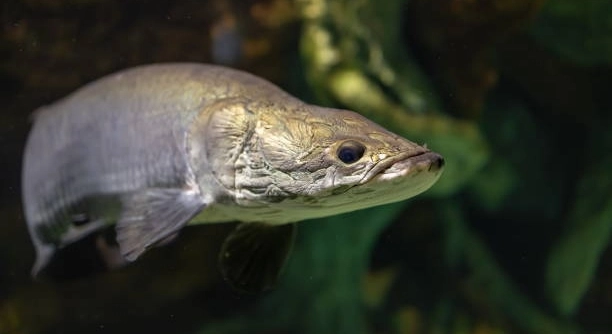
Keeping an arowana can be exciting, but new owners often struggle with basic tank setup and care routines. Understanding the common pitfalls early can save both the fish and the owner a lot of stress and frustration.
Many new arowana owners make mistakes such as overcrowding the tank, using improper filtration, neglecting water quality, overfeeding, choosing incompatible tank mates, providing insufficient hiding spaces, and failing to monitor temperature and pH consistently. Each of these factors can negatively affect the fish’s health and longevity.
Learning about these common issues early allows you to correct habits and create a safer, healthier environment for your arowana in the long term.
Overcrowding the Tank
Many new arowana owners make the mistake of putting too many fish into a single tank. Arowanas are large and active, needing plenty of space to swim comfortably. When tanks are overcrowded, it increases stress, aggression, and the risk of disease. Overcrowding also makes it harder to maintain water quality. Filtration systems can become overwhelmed, leading to toxic buildup of ammonia and nitrites. This can weaken the fish’s immune system, making them more prone to illness. Young owners may feel tempted to add more fish for variety, but patience is important. Arowanas grow quickly, and the tank that seemed spacious at first can become cramped in months. Proper planning involves understanding the adult size of the fish and the tank’s limitations. Providing sufficient room allows natural swimming behavior and reduces harmful interactions between fish, leading to a calmer and healthier environment overall.
Careful planning of tank size and fish count ensures your arowana remains healthy and stress-free.
Overcrowding can also affect feeding habits. When too many fish compete for food, weaker ones may not get enough nutrition. This can stunt growth and lead to long-term health problems. Monitoring how your fish interact and adjusting tank population is crucial. Spacing and hiding areas can help reduce aggression, but nothing replaces adequate tank volume. Regular water testing ensures ammonia and nitrite levels remain safe, helping prevent stress-related diseases. By considering the adult size of your arowana and choosing compatible tank mates, you can maintain balance. Remember that a large, well-planned tank supports better oxygenation, cleaner water, and overall healthier fish. Planning ahead and making thoughtful adjustments avoids future problems. Taking these steps can save you from costly mistakes and provide your arowana with an environment where it can thrive, swim freely, and display natural behavior.
Improper Filtration
Many new owners underestimate the importance of a strong filtration system.
Filtration directly affects water clarity, chemical balance, and the overall health of your arowana.
Arowanas produce a significant amount of waste, and weak filters cannot handle it efficiently. Without proper filtration, ammonia and nitrite levels rise quickly, putting your fish at risk. Mechanical filtration removes solid waste, while biological filtration supports beneficial bacteria that break down toxins. Some beginners rely solely on water changes, but this is not enough to maintain stable conditions. It’s important to select a filter rated for at least double the tank size. Regular cleaning and maintenance keep it running at peak performance. Combining filtration with aeration helps oxygenate water, supporting overall fish health. Investing in high-quality equipment and understanding its role can prevent frequent illnesses, reduce stress, and support natural behavior. Consistency in monitoring water parameters, along with proper filtration, is essential for keeping your arowana thriving over time.
Overfeeding
Overfeeding is a common mistake with arowanas. Giving too much food at once can pollute the tank and stress the fish.
Excess food decomposes quickly, raising ammonia and nitrite levels. Arowanas may also become overweight, slowing their growth and reducing lifespan. Feeding small portions multiple times a day works best. Observing how much your fish consumes ensures you don’t waste food. It’s better to underfeed slightly than risk water quality issues. Variety in diet is good, but portions must be controlled. Freeze-dried or live foods should complement, not replace, balanced pellets.
Feeding too frequently or offering large meals can encourage aggressive behavior. Some arowanas may dominate feeding areas, leaving smaller or weaker fish without adequate nutrition. Consistency and portion control maintain health and reduce stress. Monitoring fish appetite daily helps adjust feeding amounts. Nutritional balance is crucial to prevent deficiencies, ensure proper growth, and keep the fish active. Avoid leaving uneaten food in the tank, as it can damage water conditions. Tracking feeding habits also allows early detection of illness.
Water Quality Neglect
Neglecting water quality is a serious problem for new arowana owners. Poor water conditions can cause disease and stunted growth. Maintaining clear, balanced water is critical.
Arowanas are sensitive to pH, temperature, and chemical fluctuations. Skipping regular testing can lead to dangerous ammonia or nitrite spikes. Water changes, proper filtration, and monitoring tools ensure stable conditions. Consistency prevents stress-related illnesses and promotes natural behavior. Simple testing kits and scheduled water changes make a big difference. Even slight imbalances in pH or hardness can impact appetite and immunity. Monitoring water temperature is equally important, as arowanas are cold-sensitive. Stable water conditions support healthy growth, reduce disease risk, and help the fish display natural swimming patterns.
Ignoring small signs of poor water quality can escalate quickly. Cloudy water, unusual smells, or excess algae indicate issues needing immediate attention. Regular maintenance, partial water changes, and filter checks keep the tank safe. Balancing chemical levels ensures proper oxygenation and supports beneficial bacteria. Using dechlorinators and conditioners helps prevent shock from tap water. Observing fish behavior daily provides clues to hidden problems. Long-term neglect reduces lifespan and can result in sudden, severe illness. Taking proactive steps to maintain water quality protects your arowana and promotes a healthy, active, and thriving environment.
Incompatible Tank Mates
Choosing the wrong tank mates can create stress and aggression in arowanas. Some species may nip fins or compete for food, which can harm your fish.
Aggressive or very small fish are not ideal companions. Proper research ensures the tank remains peaceful and safe.
Ignoring Hiding Spaces
Arowanas need areas to retreat and feel secure. Without hiding spots, they may become stressed or aggressive toward other fish. Providing driftwood, rocks, or floating plants allows them to rest and reduces tension in the tank. Stress-free environments support healthy growth and natural behavior.
Temperature Fluctuations
Arowanas are sensitive to temperature changes. Sudden shifts can weaken their immune system, making them prone to illness. Maintaining stable water temperature is essential. Use reliable heaters and thermometers to prevent fluctuations, keeping the fish healthy and active.
FAQ
What is the best tank size for arowanas?
Arowanas grow very large and need plenty of swimming space. A tank of at least 250 gallons is recommended for a single adult. Larger tanks reduce stress, allow natural movement, and prevent injuries from collisions with tank walls. Long and wide tanks are preferable to tall, narrow ones.
How often should I feed my arowana?
Feeding small portions two to three times daily works best. Overfeeding can pollute the water and lead to obesity. A balanced diet includes high-quality pellets, occasional live or frozen food, and vegetables if accepted. Always remove uneaten food promptly to maintain water quality.
What water temperature is ideal for arowanas?
Arowanas thrive in water temperatures between 75 and 82°F. Consistency is crucial. Sudden drops or spikes can stress the fish, weaken its immune system, and increase the risk of disease. Use a reliable heater and monitor temperature regularly.
How do I maintain water quality?
Regular testing for ammonia, nitrite, nitrate, pH, and hardness is essential. Partial water changes of 20–30% weekly help maintain balance. Proper filtration, including mechanical and biological components, supports water clarity and reduces harmful chemical buildup. Avoid overstocking to keep the environment stable.
Can arowanas live with other fish?
Yes, but careful selection is necessary. Avoid aggressive or very small fish. Large, calm fish like silver dollars or large catfish are usually compatible. Always monitor interactions and provide enough hiding spaces to reduce stress. Avoid mixing with other aggressive species.
Why is my arowana refusing food?
Refusal to eat can signal stress, illness, or poor water conditions. Check water parameters, tank temperature, and feeding habits. Illness, parasites, or sudden environmental changes can also reduce appetite. Offering a variety of food may help stimulate feeding.
How often should I clean the tank?
Regular maintenance is key. Partial water changes weekly, filter checks, and substrate cleaning prevent buildup of waste and toxins. Avoid complete water replacement, which can shock the fish. Consistent maintenance reduces stress and supports overall health.
What are signs of a healthy arowana?
A healthy arowana swims actively, has bright colors, clear eyes, and a strong appetite. Fins should be intact, and the fish should interact naturally with its environment. Any sudden changes in behavior, color, or swimming patterns can indicate health issues.
Do arowanas need supplements?
Occasionally, supplements like vitamins or calcium can help, especially for growing fish or those on a pellet-only diet. Live or frozen foods naturally provide nutrients. Always follow recommended dosages to avoid over-supplementation.
How long do arowanas live?
With proper care, arowanas can live 15–20 years or more. Lifespan depends on tank size, water quality, diet, and stress levels. Consistent monitoring and maintenance are essential to help your fish thrive for many years.
What should I do if my arowana gets sick?
Immediate action is important. Isolate the fish if necessary, test water parameters, and consult a veterinarian experienced with tropical fish. Early detection and treatment improve recovery chances. Maintaining optimal tank conditions prevents most common illnesses.
How do I encourage natural behavior?
Provide ample swimming space, hiding spots, and compatible tank mates. Avoid overcrowding and maintain stable water conditions. Feeding a varied diet and observing their habits helps support natural swimming, hunting instincts, and overall well-being.
Can arowanas jump out of the tank?
Yes, arowanas are strong jumpers. Secure lids are essential to prevent accidents. Gaps in tank covers can lead to injury or escape. A covered tank ensures safety while allowing the fish to swim freely inside.
What is the most common mistake new owners make?
Neglecting water quality, overfeeding, and overcrowding are the most frequent issues. These mistakes can cause stress, disease, and stunted growth. Consistent monitoring, proper feeding, and sufficient space help prevent long-term problems and support a healthy environment.
How do I introduce a new arowana to my tank?
Acclimate the fish slowly using the drip method or floating the bag for temperature adjustment. Gradually mix small amounts of tank water with the bag water before release. Sudden changes in water conditions can shock the fish and cause illness.
Is it necessary to monitor pH daily?
Daily checks are not always required if conditions are stable, but regular monitoring is important. Sudden shifts in pH can stress arowanas. Weekly testing is usually sufficient, with more frequent checks if problems arise or after maintenance.
Can arowanas be aggressive toward their owners?
Arowanas can recognize people but are not typically aggressive without provocation. Avoid tapping the glass or startling the fish. Proper handling and respect for their space reduce stress and build a safe environment for both fish and owner.
Are arowanas sensitive to light?
Yes, they prefer moderate lighting. Too much light can stress them, while too little can affect behavior and appetite. Providing a natural day-night cycle and some shaded areas helps maintain normal activity levels.
Do arowanas need live plants?
Live plants are optional. They provide hiding spots and improve water quality, but strong arowanas may uproot them. Durable plants or artificial alternatives can offer similar benefits without damage. Balance is key to creating a secure environment.
How do I prevent diseases?
Maintaining stable water conditions, a balanced diet, proper tank size, and careful monitoring of tank mates reduces the risk of illness. Quarantining new fish and promptly addressing water quality issues are effective preventive measures. Consistency and attention are the best protection.
What should I know about tank decorations?
Decorations should be smooth and secure to prevent injury. Avoid sharp edges, fragile items, or objects that can float uncontrollably. Driftwood, rocks, and safe ornaments provide structure, hiding places, and areas for natural exploration without compromising safety.
Can arowanas live alone?
Yes, many arowanas thrive alone if the tank is large enough and enriched with hiding spaces. Solitary living reduces stress from aggressive interactions and ensures the fish has ample space to swim freely and maintain good health.
How do I monitor fish health effectively?
Observe daily behavior, appetite, color, and swimming patterns. Regular water testing, careful feeding, and awareness of stress signs help detect issues early. Prompt action ensures long-term health and reduces the risk of severe illness or injury.
How important is tank cover security?
A secure cover is essential. Arowanas can jump several inches and may injure themselves or escape. Covers prevent accidents and help maintain a stable environment by reducing evaporation and controlling temperature. Regularly check for gaps or weak spots.
Can stress affect my arowana’s growth?
Yes, prolonged stress from poor water quality, overcrowding, or aggressive tank mates can stunt growth. Reducing stress through proper care, tank size, and monitoring helps maintain natural development and supports long-term health.
What are signs of poor water quality?
Cloudy water, strong odors, algae overgrowth, and lethargic or erratic fish indicate water problems. Immediate testing and adjustments are necessary to prevent illness. Clean water supports appetite, immunity, and natural behavior.
How long should acclimation take?
Acclimation usually takes one to two hours using slow water mixing methods. Rushing this process can shock the fish and weaken its immune system. Gradual adjustment ensures a safer transition to the new environment.
Is tank location important?
Yes, avoid direct sunlight, drafts, and areas with heavy vibrations. A stable environment reduces stress and helps maintain consistent temperature and water quality. Location affects both fish behavior and tank maintenance ease.
What equipment is essential for beginners?
A heater, filter, thermometer, water testing kits, and a secure lid are basic essentials. Optional items include air pumps, lighting, and decorations. Proper equipment supports water stability, fish health, and long-term success.
How often should I trim plants or decorations?
Trimming is needed when growth affects swimming space or water flow. Remove dead plant matter promptly. Regular maintenance prevents debris buildup and ensures a clear, safe environment.
Can arowanas recognize feeding routines?
Yes, they can learn timing and patterns. Consistent feeding schedules reduce stress and improve appetite. Observation helps adjust portions and ensures the fish receives proper nutrition.
Are arowanas suitable for beginners?
They are challenging for first-time owners due to size, diet, and sensitivity. Commitment to water quality, tank size, and monitoring is essential. Beginners must be prepared for long-term care and consistent maintenance to succeed.
How do I handle sudden illness?
Isolate the fish if possible, check water parameters, and consult a knowledgeable veterinarian. Early intervention improves recovery chances. Quick action prevents spread if multiple fish are affected and reduces long-term health risks.
What is the ideal pH for arowanas?
A stable pH between 6.5 and 7.5 is preferred. Regular testing ensures levels remain within this range. Sudden changes can stress the fish and increase disease susceptibility.
Can arowanas adapt to new food?
Yes, but gradual introduction works best. Mixing new foods with familiar options over several days helps the fish adjust. Sudden changes can reduce appetite or cause digestive problems.
How can I tell if my arowana is stressed?
Signs include erratic swimming, hiding excessively, loss of appetite, faded color, and clamped fins. Identifying stress early allows corrective measures like water changes, tank adjustments, or environmental enrichment to restore comfort and health.
Do arowanas need supplements for coloration?
Some supplements can enhance color, but a balanced diet with high-quality pellets and occasional live food is usually sufficient. Overuse can cause health problems. Natural, varied nutrition supports vibrant colors safely.
How often should I check filter performance?
Filters should be checked weekly for clogs, media condition, and flow rate. A malfunctioning filter can quickly degrade water quality, stressing the fish and increasing the risk of illness. Maintenance consistency is critical.
Can arowanas survive short power outages?
Yes, if brief, but extended outages affect temperature and oxygen levels. Battery-operated air pumps or backup systems help maintain stability. Monitoring conditions afterward ensures recovery and prevents stress-related problems.
Are arowanas compatible with plants?
Yes, if plants are sturdy and secure. Floating or anchored plants provide hiding areas and improve water quality, but fragile plants may be uprooted or damaged by active swimming behavior.
How important is tank lighting?
Moderate lighting supports natural behavior and reduces stress. Too bright or inconsistent lighting can disturb the fish. A day-night cycle helps regulate activity, feeding patterns, and overall health.
What should I do during vacations?
Automated feeders, checked filtration, and stable water conditions allow short absences. Have someone monitor the tank if possible. Sudden changes or neglect can cause stress and water quality issues.
Do arowanas need a quarantine tank?
Yes, quarantining new fish for at least two weeks prevents introducing disease to the main tank. Observation during this period ensures health before combining with other fish, reducing risk to existing inhabitants.
How do I know my fish is growing properly?
Steady, proportional growth with consistent appetite and activity indicates proper development. Monitoring size, body condition, and behavior helps detect nutritional or environmental issues early.
Can arowanas recognize owners?
They can distinguish movement and feeding routines. While not affectionate in the traditional sense, familiarity reduces stress during tank maintenance or feeding. Consistent interaction helps them feel secure.
Is tank depth important?
Moderate depth is sufficient since arowanas swim mostly near the surface. Too shallow limits movement, while too deep can make monitoring and feeding more challenging. Optimal dimensions balance space and accessibility.
How do I prevent jumping injuries?
Always use a secure lid. Avoid startling the fish with sudden movements or loud noises near the tank. Providing a calm, stable environment reduces the likelihood of jumping incidents.
Can arowanas adapt to different water hardness?
Yes, within moderate ranges. Sudden changes should be avoided. Gradual adjustment allows adaptation without stressing the fish. Testing and maintaining stable parameters is key for long-term health.
What is the ideal tank setup?
A large tank with secure lid, proper filtration, heater, hiding spots, and stable water conditions ensures safety, health, and natural behavior. Decorations should be smooth and non-toxic. Regular maintenance maintains long-term stability.
How do I recognize early signs of illness?
Look for faded color, clamped fins, lethargy, loss of appetite, rapid breathing, or unusual swimming. Early detection allows prompt treatment and reduces risk of serious health issues.
Are arowanas sensitive to noise?
Yes, they prefer quiet environments. Loud or constant vibrations can stress them, affecting appetite, immune function, and behavior. Placing the tank in a stable, low-noise area promotes comfort.
Can arowanas coexist with turtles?
Generally not recommended. Turtles can be aggressive or carry diseases. Tank conditions for turtles differ, risking stress or injury for arowanas. Separate tanks are safer for both species.
What is the best water change schedule?
Partial water changes of 20–30% weekly maintain water quality. Additional changes may be needed with high waste output or water parameter shifts. Consistency prevents stress and supports healthy growth.
How important is oxygenation?
Proper oxygen levels are vital. Filtration, water movement, and occasional aeration help maintain oxygenation. Low oxygen causes stress, reduces appetite, and increases disease susceptibility.
Can arowanas tolerate tap water?
Tap water must be treated with dechlorinators and tested for chemicals and hardness. Untreated water can harm fish. Consistent testing ensures a safe and stable environment.
Do arowanas need companions?
Not necessarily. Many thrive alone if the tank is large and enriched with hiding spaces. Solitary living reduces stress and ensures sufficient swimming space and proper feeding.
How do I introduce multiple arowanas?
Introduce at the same time to reduce territorial behavior, and ensure ample space and hiding spots. Monitor interactions closely and separate if aggression occurs. Gradual introductions prevent injuries and stress.
What is the best diet for coloration and health?
A balanced diet of pellets, occasional live or frozen food, and supplemental vitamins maintains color and overall health. Variety prevents nutritional deficiencies and supports growth and immune function.
How do I prevent fungal or bacterial infections?
Maintaining clean water, stable conditions, proper diet, and avoiding injuries reduces infection risk. Quarantine new fish and promptly treat any signs of illness. Regular monitoring is key.
Are arowanas sensitive to chemical cleaners?
Yes, avoid sprays, detergents, or harsh chemicals near the tank. Residue can poison the fish. Use only aquarium-safe products for cleaning and maintenance.
How long does acclimation take for temperature-sensitive fish like arowanas?
One to two hours using gradual water mixing is ideal. Sudden changes can cause shock, stress, or illness. Slow acclimation ensures safe adjustment to the new tank environment.
Can arowanas get along with goldfish?
Goldfish are generally too small and cold-water species. They are not compatible with arowanas, which require tropical conditions and may see smaller fish as food.
Do arowanas recognize feeding areas?
Yes, they learn feeding spots and schedules. This behavior can reduce stress during feeding and improve efficiency. Consistent routines support appetite and health.
What is the best way to handle tank maintenance?
Use gentle movements, avoid sudden noises, and remove uneaten food regularly. Partial water changes, filter checks, and safe cleaning maintain water quality and reduce stress.
How do I know if my filter is sufficient?
If water remains clear, chemical levels are stable, and flow is strong, the filter is adequate. Regular inspection ensures continued performance and prevents water quality issues.
Can arowanas survive cold nights?
Sudden drops below their preferred range can stress them. A heater with stable temperature prevents shock and maintains health.
Do arowanas need quarantine for new food types?
No, but introduce gradually to prevent digestive upset. Mixing with familiar foods helps adaptation.
How do I prevent fin damage?
Avoid sharp decorations, overcrowding, and aggressive tank mates. Smooth surfaces and proper spacing allow safe swimming.
Can arowanas thrive in planted tanks?
Yes, if plants are durable and secure. They provide hiding spots and improve water quality without interfering with swimming.
What is the ideal water hardness?
Moderate hardness, usually 5–15 dGH, works best. Sudden changes should be avoided to reduce stress.
How often should I check ammonia and nitrite levels?
Weekly checks are sufficient under stable conditions. Increased frequency is needed during maintenance, overfeeding, or adding new fish.
Are arowanas affected by loud vibrations?
Yes, they are sensitive. Vibrations can stress them, reducing appetite and immune response. A stable environment is essential.
Can arowanas live in small tanks temporarily?
Only very briefly. Small tanks increase stress, reduce swimming space, and deteriorate water quality quickly. Long-term housing must be spacious.
Do arowanas need UV sterilizers?
Optional, but UV sterilizers help reduce algae and pathogens. They are not strictly necessary if water quality is maintained through proper filtration and care.
How do I prevent jumping during feeding?
Feed calmly and consistently, avoid startling the fish, and ensure the tank lid is secure. A predictable routine reduces jumping incidents.
What is the best water flow for arowanas?
Moderate flow is ideal. Strong currents can stress them, while stagnant water reduces oxygen levels. Filtration and circulation must be balanced for comfort and health.
Can arowanas adapt to different diets?
Yes, gradually introducing new foods works best. Abrupt changes may reduce appetite or cause digestive issues. Patience ensures smooth dietary transitions.
Are arowanas prone to parasites?
Yes, especially when water quality is poor or new fish are introduced without quarantine. Regular observation and preventive measures reduce risk.
How do I recognize early signs of stress?
Erratic swimming, hiding, clamped fins, loss of appetite, and faded color indicate stress. Addressing environmental or social factors quickly prevents long-term health problems.
Can arowanas tolerate tap water changes?
Only if properly treated with dechlorinators and checked for hardness and chemicals. Untreated tap water can cause illness or death.
How important is partial water replacement?
Partial changes maintain chemical balance, reduce toxins, and support beneficial bacteria. Full replacement is stressful and can harm the fish. Regular, moderate changes are safest.
Do arowanas need substrate?
Optional. Substrate can support plants and aesthetics, but smooth sand or bare-bottom tanks work well. Avoid
Caring for an arowana requires attention, patience, and consistency. These fish grow large and have specific needs that differ from other tropical fish. A properly sized tank is essential, giving them room to swim and explore without stress. Filtration, regular water testing, and stable temperature create an environment that keeps the fish healthy and active. Overfeeding and neglecting water quality are common mistakes, but they are easy to avoid once you understand the impact of each choice. By keeping a careful schedule for maintenance and observing your fish’s behavior, you can prevent most issues before they become serious. Even small steps, like removing uneaten food, checking water parameters, or ensuring hiding spots are in place, make a noticeable difference in the overall health of your arowana. The combination of proper tank setup, diet, and monitoring provides the foundation for a long and thriving life for the fish.
Understanding the personality and behavior of arowanas helps owners respond appropriately to their needs. These fish are intelligent and active, which means they benefit from an environment that allows natural movement and interaction. Aggression can occur if the tank is overcrowded or if tank mates are incompatible, but careful planning can reduce these conflicts. Providing hiding spaces and thoughtful decoration creates a sense of security and helps minimize stress. Maintaining water stability, including pH, hardness, and temperature, ensures the fish can focus on growth and activity rather than coping with uncomfortable conditions. Even routine habits, like feeding at the same time each day or monitoring their reactions to new food or additions to the tank, contribute to a healthier and more predictable environment. Simple adjustments, such as using sturdy decorations, trimming plants when needed, or securing the tank lid, make a meaningful difference without adding complexity. Over time, these consistent habits help arowanas display natural behavior and develop fully in both size and color.
Patience is a key part of keeping an arowana successfully. These fish require long-term commitment, and growth and adaptation take time. Mistakes can happen, but learning from them early prevents long-term problems. Monitoring water quality, providing a balanced diet, and ensuring sufficient space are ongoing responsibilities, and consistent attention will help your fish thrive. Regular observation allows you to notice early signs of stress or illness, which can be addressed before they escalate. Arowanas can live for many years with proper care, and seeing them grow and interact in a well-maintained tank is rewarding. Creating a safe, stable, and enriched environment ensures that the fish can express natural behaviors, maintain good health, and remain visually vibrant. With thoughtfulness and dedication, your arowana can become a strong, active, and healthy centerpiece in your aquarium.

Hello,
If you enjoy the content that we create, please consider saying a "Thank You!" by leaving a tip.
Every little bit helps us continue crafting quality advice that supports the health, happiness, and well-being of pets around the world, for pets of all shapes, sizes, and species.
We really appreciate the kindness and support that you show us!