
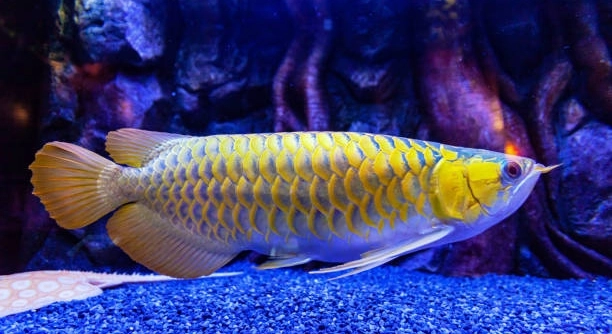
Arowanas are striking fish known for their graceful movements and shimmering scales. Many aquarium enthusiasts admire their elegance and often wonder about the bond they share with their owners. These fish seem more aware than most.
Research indicates that arowanas may respond to changes in human behavior, particularly stress or agitation. While they cannot consciously sense emotions, their acute sensitivity to body movements, tension, and environmental cues allows them to react to fear or anxiety.
Observing these subtle reactions can reveal insights into your fish’s perception and create a more harmonious environment for both owner and pet.
How Arowanas React to Human Emotions
Arowanas are highly perceptive to movements and energy around them. When an owner is anxious or fearful, their gestures, breathing patterns, and sudden movements can create vibrations in the water. These subtle changes catch the fish’s attention, prompting responses such as rapid swimming, hiding, or maintaining distance. Over time, the fish can recognize consistent patterns in behavior and adjust its reactions accordingly. Some owners notice that calmer, slower movements encourage the arowana to approach, whereas abrupt actions lead to stress. Lighting and tank setup also influence reactions, as fish are sensitive to reflections and shadows. Observing these behaviors requires patience and consistency. By remaining calm and predictable, the owner can reduce unnecessary stress for the arowana. Paying attention to the fish’s body language, such as fin position or gill movement, provides clues about how it perceives the environment and the emotional state of those nearby.
These responses are not emotional understanding but behavioral adaptation. The fish reacts to stimuli that indicate safety or threat.
Consistency in handling and feeding routines reinforces comfort. Gradually, the arowana becomes more confident, recognizing that certain behaviors signal calmness rather than tension. Over time, the fish may follow movements, explore the tank more freely, or display social behaviors, demonstrating an alignment with its environment. Understanding these responses allows for better care and reduces stress-related illnesses, which are common in sensitive species. Maintaining a quiet environment and avoiding sudden disturbances promotes well-being. Regular observation and gentle interaction build a predictable pattern, making the fish feel secure. Adjustments in tank placement, minimal reflection, and measured hand movements can significantly improve the fish’s confidence. By acknowledging the importance of subtle cues and responding thoughtfully, owners can foster a more relaxed and attentive aquatic companion, enhancing its overall health and vitality in captivity.
Recognizing Signs of Stress
Rapid swimming, gill flaring, and hiding are clear indications of stress in arowanas.
Stress can result from sudden changes in the environment, inconsistent handling, or perceiving the owner’s anxiety. Fish under stress may eat less or develop weakened immune responses. Observing subtle shifts in movement patterns, coloration, or interactions with tank decorations helps identify when the arowana is uncomfortable. Even slight changes in lighting or nearby vibrations can trigger stress responses. Arowanas may become more skittish, swimming erratically or staying in one corner, avoiding perceived threats. Over time, consistent exposure to a stressful environment can lead to long-term health problems. Understanding these signs allows for timely adjustments, ensuring the fish remains calm and healthy. Creating a stable environment with predictable routines, minimal sudden disturbances, and careful observation of behavior supports well-being. By learning to interpret these signals, owners can manage stress effectively, maintaining the arowana’s natural behavior and preventing illness, leading to a more balanced and responsive fish.
Adjusting Your Behavior Around Arowanas
Calm movements and steady breathing help arowanas feel secure. Sudden gestures or loud noises can startle them, creating stress and avoidance behaviors in the tank.
Being mindful of how you approach the tank can improve interaction. Arowanas notice subtle differences in movement, like leaning in quickly versus slowly approaching. When feeding or checking the tank, keeping actions slow and deliberate allows the fish to remain comfortable. Over time, consistent calm behavior encourages the fish to explore more freely and reduces fear-based reactions. This also supports better health, as stress can weaken the immune system. Observing the fish’s responses and adjusting accordingly helps build a more predictable and safe environment.
Reinforcing calm routines strengthens the fish’s trust in its surroundings. Regularly performing the same feeding patterns, tank maintenance, and gentle interaction signals safety. Avoid abrupt changes in position or loud noises near the tank. Even small gestures, like sudden shadows or tapping, can cause agitation. The fish’s reactions are subtle but telling, such as brief retreats, fin flicks, or slight shifts in swimming patterns. By remaining attentive and consistent, the owner can cultivate a more relaxed and responsive arowana, creating a smoother coexistence.
Environmental Factors Affecting Sensitivity
Lighting, reflections, and tank placement directly impact an arowana’s stress levels. Bright lights or strong reflections can amplify fear responses.
The environment around the tank has a strong influence on behavior. Reflections from windows or mirrors can confuse the fish, causing repeated defensive movements or hesitation. High foot traffic or loud household noises also increase stress. Maintaining a stable environment with controlled lighting and quiet surroundings reduces unnecessary agitation. Tank decor, such as plants and hiding spots, allows the fish to feel secure and manage its own comfort levels. Water quality, temperature, and current also play critical roles, as disturbances or rapid changes amplify sensitivity. Ensuring the tank is set up thoughtfully helps the arowana adjust calmly to its surroundings.
Arowanas thrive when the tank environment minimizes startling stimuli. Strategic placement of the aquarium away from high-traffic areas and controlling light exposure can reduce anxiety. Proper water filtration and temperature consistency prevent sudden environmental stress. Providing open swimming areas alongside secure hiding spots allows the fish to regulate its exposure based on comfort. Using subdued lighting and avoiding reflective surfaces reduces confusion. Regular monitoring of water parameters ensures stability, contributing to a calm environment. These adjustments support natural behavior, allowing the fish to exhibit confidence while responding appropriately to the owner’s presence. Consistency in these factors strengthens the fish’s adaptation and reduces stress-related behaviors.
Feeding Time and Emotional Cues
Arowanas respond to predictable feeding routines. Quick or inconsistent movements during feeding can trigger stress, while steady actions help the fish anticipate food and feel more secure.
Observing the fish during feeding provides insights into its comfort level. Calm, measured movements encourage participation, whereas abrupt gestures may cause hesitation or avoidance.
Body Language Signals
Fin position, gill movement, and swimming patterns indicate how an arowana perceives its environment. Subtle changes reveal discomfort or agitation. Paying attention to these signals allows timely adjustments in interaction and environment, reducing stress and promoting overall health.
Handling and Interaction
Gentle, minimal contact preserves trust. Sudden touches or tapping can startle the fish, reinforcing fear responses and creating long-term stress.
FAQ
Can arowanas really sense fear in humans?
Arowanas do not feel emotions like humans, but they are highly sensitive to body language, sudden movements, and tension in the environment. If an owner is anxious, their gestures or abrupt motions create vibrations in the water. The fish reacts to these changes, often by hiding, swimming away, or showing defensive behavior. Over time, it can associate certain behaviors with perceived threats, making it appear as though it “senses” fear.
How can I tell if my arowana is stressed by my behavior?
Stress signs are subtle but noticeable. Rapid swimming, fin clamping, hiding in one area, and reduced appetite are common indicators. Observing the fish during interactions, especially when approaching the tank or feeding, helps identify whether it is comfortable or reacting to tension. Environmental cues like loud noises, reflections, or sudden movements can also trigger these behaviors.
What steps reduce stress for arowanas around humans?
Maintaining calm, predictable routines is essential. Approach the tank slowly, avoid sudden gestures, and keep movements gentle during feeding or maintenance. Controlling household noise and reducing vibrations near the tank supports comfort. Gradually, the fish learns that consistent, calm behavior signals safety.
Do tank conditions influence how sensitive arowanas are?
Yes, the environment plays a large role. Bright lights, strong reflections, or high foot traffic can increase stress. Stable water temperature, consistent filtration, and open swimming areas alongside secure hiding spots help the fish feel safe. The more controlled the surroundings, the less reactive the fish becomes to human behavior.
Can my arowana learn to be comfortable with me?
Repeated calm interaction teaches the fish to tolerate your presence. Gentle feeding routines, measured movements, and minimal disturbance encourage confidence. Over time, the fish may swim closer or respond calmly to your gestures. Consistency is key, as sudden changes or unpredictable behavior can reset its comfort level.
Are there signs that my arowana is relaxed around me?
Relaxation is visible in swimming patterns, fin posture, and gill movement. A calm fish will explore its tank freely, stay near the front without fleeing, and display smooth, even movements. Appetite remains steady, and stress behaviors such as hiding or darting are minimal. These cues indicate trust and adaptation.
How often should I observe my arowana for stress cues?
Daily observation is ideal. Spend a few minutes watching how the fish reacts to your presence and routine activities. Noticing small changes, like subtle fin flicks, shifts in swimming speed, or hesitation, allows prompt adjustments in behavior or environment, ensuring long-term comfort and health.
Can arowanas sense emotions other than fear?
While they do not feel emotions like humans, arowanas react to environmental and behavioral cues. Calmness, slow movements, and predictable routines create a positive environment, encouraging exploration and normal behavior. The fish responds to stimuli rather than emotions directly, showing signs of comfort or agitation based on perceived safety.
Does feeding method affect how the fish perceives me?
Yes, feeding habits impact behavior. Hand feeding or dropping food gently in a consistent manner signals safety. Abrupt or inconsistent feeding can startle the fish, leading to avoidance or stress. Over time, calm feeding reinforces trust and reduces fearful reactions.
What if my arowana continues to show stress despite calm behavior?
Persistent stress may indicate environmental issues or underlying health concerns. Check water quality, temperature, tank placement, and potential sources of vibration or reflection. Health problems like illness or parasites can also trigger stress. Addressing these factors ensures the fish’s reactions are linked to perception rather than discomfort.
Can other people affect my arowana’s comfort level?
Yes, unfamiliar visitors or sudden movements from anyone near the tank can trigger stress responses. Arowanas become accustomed to the regular owner’s behavior, so observing and controlling interactions with others helps maintain stability. Gradual exposure to new people can reduce fear over time.
How long does it take for an arowana to adjust to calm behavior?
Adjustment varies by individual fish. Some adapt in a few weeks, while others may take months. Consistent calm interaction, predictable feeding routines, and a stable environment encourage quicker adaptation. Patience and careful observation are essential to ensure long-term comfort and trust.
Is it safe to tap on the tank to get attention?
Tapping can startle the fish, creating stress. Even light taps generate vibrations the arowana perceives as threats. Using slow, gentle gestures or moving in predictable ways near the tank is safer and encourages positive interaction. Avoid sudden noises or impacts to maintain a calm environment.
Can arowanas communicate stress to other fish?
Yes, stress behaviors such as rapid swimming, hiding, or agitation can influence other fish in the tank. Sensitive species may respond similarly to perceived threats. Reducing stress for one fish often improves the overall harmony of the aquarium, especially in shared tanks.
Do arowanas react differently to men and women?
Reactions are based on behavior rather than gender. Calm, predictable movements are key. Sudden gestures, tension, or loud voices elicit similar responses regardless of who is present. Consistency in approach matters more than the person’s identity.
What role does tank size play in sensitivity?
A larger tank allows more space for the fish to avoid stimuli and reduces stress from environmental or human cues. Smaller tanks may amplify reactions because the fish cannot retreat comfortably, making it more reactive to movements and vibrations. Proper space supports overall calmness and natural behavior.
Are certain arowana species more sensitive than others?
Sensitivity varies slightly with species. Some, like silver arowanas, are more reactive to movement and environmental changes, while others are slightly more tolerant. Understanding the species-specific behavior helps tailor interaction, tank setup, and care routines to reduce stress effectively.
Can regular interaction improve an arowana’s responsiveness?
Yes, consistent, gentle engagement builds familiarity. The fish learns that calm presence and predictable routines are safe. Over time, it responds confidently, swimming closer or exhibiting normal exploratory behavior. Patience and observation remain crucial to avoid unintentionally triggering stress.
How do I balance observation and interference?
Watching the fish is essential, but avoid overhandling or unnecessary tapping. Observing from a distance with steady movements maintains comfort. Intervene only when necessary, such as during feeding or maintenance, keeping actions slow and predictable. This balance encourages natural behavior while minimizing stress.
What long-term benefits come from reducing stress?
Minimizing stress supports immune function, promotes healthy growth, and encourages natural behavior. Calm, predictable interaction allows the fish to explore, feed, and interact without fear. A stable environment and careful observation contribute to overall longevity and well-being in captivity.
Can stress influence reproduction in arowanas?
Yes, prolonged stress can affect hormonal balance, reducing breeding behavior and success. Maintaining calm, predictable routines, stable water conditions, and minimal disturbances encourages natural reproductive behaviors and healthier offspring in species capable of breeding in captivity.
Is it ever too late to improve my arowana’s comfort level?
It is rarely too late. Even older or previously stressed fish can adapt with consistent calm interaction, proper environmental adjustments, and predictable routines. Gradual changes and patience allow the fish to regain confidence and exhibit natural, relaxed behavior over time.
Final Thoughts
Arowanas are remarkable fish, known not only for their beauty but also for their perceptiveness. They do not experience human emotions, yet their sensitivity to movement, body language, and environmental cues allows them to respond in ways that seem almost intuitive. Observing an arowana closely reveals subtle behaviors that indicate comfort, stress, or agitation. Rapid swimming, clamped fins, hiding, and changes in appetite are clear indicators that the fish is reacting to its surroundings. Even minor adjustments in lighting, reflections, or vibrations in the water can alter how an arowana behaves. Recognizing these signals is important for creating a stable and safe environment. Consistency in behavior around the tank—slow movements, calm gestures, and measured feeding routines—helps the fish interpret the environment as safe. Over time, this allows the fish to become more confident and responsive without fear-based reactions dominating its behavior.
Maintaining proper environmental conditions is equally essential. Tank size, water quality, temperature, and filtration all contribute to arowana well-being. Large tanks provide space for swimming and retreat, reducing stress from external stimuli, while stable water conditions prevent sudden discomfort. Adequate hiding spots and minimal reflections further enhance the sense of security. Noise control and careful handling also make a noticeable difference. Arowanas are highly adaptable when given a predictable routine and a stable environment. Their sensitivity to human behavior underscores the importance of awareness and patience. By observing patterns in movement, fin position, and gill activity, owners can better understand their fish’s perception. Even small, consistent adjustments—like approaching the tank slowly or minimizing abrupt gestures—create a more harmonious atmosphere for both the fish and the owner.
Finally, building a calm, predictable environment supports long-term health and positive behavior in arowanas. Fish that experience minimal stress are more likely to feed reliably, explore their tank confidently, and maintain a strong immune system. Gradual, consistent interaction strengthens the fish’s comfort with the owner’s presence, encouraging natural behaviors and reducing fear-based reactions. Even if an arowana has previously shown signs of stress, consistent care and environmental stability allow it to adapt over time. Understanding the subtle cues and responding thoughtfully benefits both the fish and the owner, creating a balanced relationship based on observation, patience, and consistency. Caring for an arowana in this way requires attention and dedication but ultimately leads to a more relaxed, responsive, and healthy fish.

Hello,
If you enjoy the content that we create, please consider saying a "Thank You!" by leaving a tip.
Every little bit helps us continue crafting quality advice that supports the health, happiness, and well-being of pets around the world, for pets of all shapes, sizes, and species.
We really appreciate the kindness and support that you show us!