
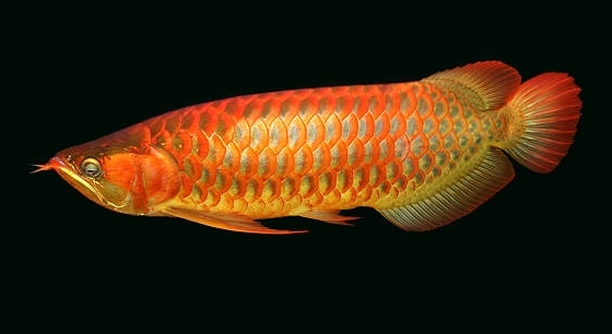
Arowanas are striking and intelligent fish often kept in home aquariums. Many owners enjoy observing their behavior, but it is not always clear how these fish experience their environment. Understanding their needs can improve care.
Arowanas can exhibit signs of emotional security in a tank when their environment is stable, spacious, and enriched. Proper water quality, hiding spaces, and consistent routines contribute to their well-being, allowing them to display natural behaviors without stress.
Providing the right habitat and attention can make a significant difference in an arowana’s comfort and overall health within a tank.
Creating a Comfortable Environment
Arowanas thrive when their tank mirrors elements of their natural habitat. Providing ample space is crucial, as these fish grow large and require room to swim freely. Decorations such as smooth rocks, driftwood, and floating plants can help simulate their natural environment. Maintaining stable water conditions is equally important. Regular monitoring of temperature, pH, and ammonia levels ensures the fish remain healthy and stress-free. Consistent lighting and a predictable feeding schedule contribute to their sense of safety. Sudden changes or overcrowding can lead to aggressive behavior or anxiety. Observing your arowana’s reactions helps determine whether the setup meets its needs. With attention to both physical and environmental factors, the tank becomes a space where the fish can feel secure and exhibit natural behaviors confidently. Small adjustments over time can greatly improve their comfort, creating a more peaceful atmosphere for both the arowana and the caretaker.
Providing stable water conditions and enough space prevents stress and allows arowanas to behave naturally, improving overall well-being.
Monitoring your arowana’s daily activity helps gauge comfort. Noticing patterns in swimming, feeding, or resting indicates whether they feel secure. Enriching the tank with objects for exploration and hiding can reduce anxiety. Consistency in care routines strengthens trust and predictability, which are essential for emotional stability. By prioritizing both environmental quality and behavioral observation, you can support an arowana’s mental and physical health effectively. Over time, a balanced environment promotes natural growth and reduces the likelihood of stress-induced illnesses. These small but consistent efforts result in a fish that feels safe, relaxed, and more responsive to interactions, ultimately enhancing the overall tank experience.
Social and Behavioral Needs
Arowanas can display stress when kept in isolation or with incompatible tank mates.
While they are often solitary, interaction with compatible species or gentle human presence can positively influence their sense of security.
Understanding natural behavior is key to supporting emotional health. Arowanas are territorial and can become aggressive if space is limited or if tank mates are not chosen carefully. Observing their social responses helps prevent conflicts and ensures each fish can establish a comfortable territory. Incorporating hiding spaces or barriers allows them to retreat when needed, reducing stress. Social stability is also influenced by feeding routines and environmental consistency, which help the fish feel in control of their surroundings. Recognizing signs of agitation, such as rapid swimming or sudden color changes, enables timely adjustments. By respecting their behavioral tendencies and providing both space and enrichment, you create conditions that promote mental well-being, supporting arowanas in feeling secure and confident in their home.
Tank Size and Space Requirements
Arowanas need large tanks to move comfortably. Cramped spaces increase stress and aggressive behavior. A minimum of 250 gallons is recommended for adult fish to ensure proper growth and emotional stability. Proper tank dimensions also allow for enrichment and natural swimming patterns.
Providing a spacious tank reduces stress and supports natural behavior. Vertical and horizontal space both matter, as arowanas swim near the surface and across the middle. Large tanks prevent territorial conflicts and allow for exercise. Without enough room, the fish may become anxious, develop health issues, or show aggression. Observing swimming habits helps determine if the space meets the arowana’s needs. Regularly adjusting decorations and ensuring clear swimming paths keeps them active and mentally stimulated, contributing to emotional security.
Tank design impacts how safe an arowana feels. Open swimming areas combined with hiding spots help balance exposure and privacy. Proper spacing between decor prevents injuries and gives the fish control over its environment.
Diet and Feeding Patterns
Consistent feeding routines support emotional well-being. Arowanas thrive on a varied diet including live, frozen, and pellet foods, supplied at predictable times.
Maintaining a balanced diet is essential for health and security. Overfeeding can lead to water issues and obesity, while underfeeding causes stress and aggression. Feeding small portions multiple times a day mimics natural hunting behavior and reduces anxiety. Including vitamins and supplements ensures proper growth and vibrant coloration. Observing appetite and adjusting portions helps maintain consistency and emotional balance. Feeding rituals also strengthen recognition of routine, which promotes a sense of safety in the tank.
Offering foods that vary in texture and nutritional content keeps the arowana engaged. Regular feeding schedules reduce stress, support growth, and encourage natural behaviors, making the fish feel secure and healthy in its environment.
Water Quality and Maintenance
Clean, stable water is critical for arowanas. Regular testing for pH, ammonia, nitrites, and nitrates helps prevent stress and disease. Proper filtration and partial water changes maintain a healthy environment.
Temperature consistency is equally important. Arowanas prefer slightly warm water, typically between 75–82°F. Sudden changes can cause anxiety and health issues. Monitoring equipment ensures stable conditions and emotional security.
Tank Decorations and Hiding Spots
Decorations should provide both exploration and retreat. Smooth rocks, driftwood, and plants create natural hiding spaces that reduce stress. Overcrowding the tank with decor can restrict swimming space, increasing agitation. Thoughtful placement supports a balance between activity and privacy, helping the fish feel secure.
Lighting and Daily Routines
Consistent lighting supports circadian rhythms and reduces stress. Avoid abrupt changes in light intensity, which can startle arowanas and affect their behavior. Soft, gradual light transitions help maintain emotional balance.
Monitoring Behavior
Observing daily behavior reveals emotional well-being. Changes in swimming patterns, appetite, or aggression indicate stress or discomfort. Consistent monitoring allows for timely adjustments in environment, feeding, or social setup to maintain a secure and healthy tank.
FAQ
How can I tell if my arowana feels secure in its tank?
Signs of a secure arowana include regular swimming across the tank, active feeding, and calm resting behavior. Fish that are comfortable will explore their environment and interact with enrichment items without displaying frantic movements or constant hiding. Observing daily patterns helps identify emotional comfort.
What is the ideal tank size for emotional well-being?
Adult arowanas need a minimum of 250 gallons with sufficient length and width to swim freely. Vertical space is also important, as they often occupy the upper and middle levels. Providing plenty of room reduces stress, prevents aggression, and allows natural behaviors to occur.
Do tank decorations impact arowana security?
Yes, strategically placed rocks, driftwood, and floating plants provide hiding spots and exploration opportunities. Hiding areas help reduce stress, while open swimming spaces allow for natural movement. A balanced layout supports both privacy and mental stimulation, contributing to a sense of safety.
How important is water quality for emotional health?
Water quality is essential. Arowanas are sensitive to ammonia, nitrite, and nitrate levels. Consistent testing, proper filtration, and partial water changes maintain stability. Clean water reduces stress, supports immune function, and allows fish to feel safe in their environment.
Does diet affect arowana behavior?
Absolutely. A varied diet of live, frozen, and pellet foods supports health and mental engagement. Regular feeding schedules promote a sense of predictability, which is crucial for emotional security. Overfeeding or underfeeding can trigger stress or aggression, so portion control is necessary.
Can arowanas be kept with other fish?
Arowanas are territorial, so careful selection of tank mates is required. Peaceful, similarly sized species are preferred. Overcrowding or incompatible companions may cause stress or fights. Monitoring interactions and providing space for retreat helps maintain calm behavior and security.
How does lighting influence emotional stability?
Consistent lighting mimics natural day and night cycles. Abrupt changes can startle the fish, causing stress. Gradual transitions and maintaining predictable light patterns support circadian rhythms, keeping arowanas relaxed and emotionally stable.
What are common signs of stress in arowanas?
Rapid swimming, frequent hiding, loss of appetite, and sudden color changes indicate stress. Aggressive behavior toward tank mates or tank walls is also a warning. Identifying these signs early allows for environmental adjustments to restore comfort.
How often should I observe my arowana’s behavior?
Daily observation is recommended. Monitoring activity, feeding, and resting habits helps detect stress early. Behavioral patterns reveal whether the tank setup, diet, or social arrangement meets the fish’s needs. Timely interventions support long-term emotional security.
Can enrichment improve emotional well-being?
Yes, introducing objects like floating plants or safe structures encourages exploration and natural behavior. Enrichment prevents boredom and reduces anxiety. Simple variations in decor or feeding methods enhance mental stimulation, promoting comfort and a secure feeling in the tank.
Is temperature consistency crucial for security?
Temperature fluctuations can stress arowanas. Maintaining water between 75–82°F supports health and emotional stability. Using heaters, thermostats, and monitoring devices ensures stable conditions, which is vital for confidence and calm behavior.
How do changes in routine affect arowanas?
Arowanas respond negatively to sudden changes in feeding, lighting, or tank maintenance. Predictable routines create a sense of safety. Gradual adjustments are better tolerated, allowing fish to adapt without stress and maintain emotional balance.
Can arowanas recognize their caretakers?
While not in the same way as mammals, arowanas can learn patterns from consistent handling and feeding. They may anticipate feeding times or approach the front of the tank, showing recognition of routines, which contributes to their emotional security.
What role does tank location play?
Placement matters. A tank in a quiet, low-traffic area reduces stress. Constant disturbances or vibrations from nearby activity can trigger anxiety. Choosing a calm environment supports overall well-being and a sense of safety.
How do I handle aggression in arowanas?
Aggression is often territorial or stress-related. Providing adequate space, hiding spots, and compatible tank mates minimizes conflict. Observing behavior and making gradual environmental changes can reduce hostility, improving the fish’s comfort and emotional state.
Can arowanas form bonds with tank mates?
They rarely form bonds like mammals but can coexist peacefully when conditions are right. Adequate space, compatible species, and predictable routines allow for calm interactions, reducing stress and supporting a sense of security.
How important is consistency in care?
Consistency in feeding, cleaning, and monitoring is critical. Predictable routines reduce anxiety, reinforce a sense of safety, and promote long-term health. Irregular care disrupts stability and can negatively affect both behavior and emotional well-being.
What are long-term benefits of a secure tank environment?
A well-maintained, enriched, and stable tank allows arowanas to grow healthily, display natural behavior, and remain calm. Long-term emotional security supports immunity, reduces aggression, and improves overall quality of life, making the fish more resilient to changes or challenges in its environment.
Final Thoughts
Ensuring that an arowana feels emotionally secure in a tank requires attention to multiple factors at once. Tank size, water quality, diet, decorations, and consistent routines all play essential roles in maintaining a stable environment. Large tanks with ample swimming space allow the fish to move naturally and reduce territorial stress. Open areas combined with hiding spots help balance exposure and privacy, giving the fish control over its environment. Observing daily behavior and adjusting the setup when necessary ensures that the arowana feels safe and comfortable. Small changes, like rearranging decor or adding new hiding places, can make a noticeable difference in their overall well-being. Arowanas are sensitive creatures, and consistent care fosters trust and reduces anxiety.
Water quality is one of the most critical aspects of creating a secure environment. Regular testing for pH, ammonia, nitrites, and nitrates, along with routine water changes and proper filtration, keeps the tank stable. Temperature consistency is equally important, as sudden fluctuations can cause stress or illness. Feeding routines also contribute to a sense of predictability. A balanced diet including live, frozen, and pellet foods keeps the fish healthy while encouraging natural hunting behaviors. Maintaining these patterns creates an environment the arowana can rely on, helping it feel secure in its daily life. Observing appetite, swimming patterns, and interaction with the tank space provides insight into emotional well-being and helps prevent long-term issues.
Behavior and social considerations also affect emotional security. While arowanas are naturally territorial, compatible tank mates or minimal interaction with other species can provide enrichment without causing stress. Avoiding overcrowding and ensuring each fish has enough space reduces aggression and promotes calm behavior. Daily observation is essential to identify signs of stress such as rapid swimming, loss of appetite, or unusual hiding. Lighting schedules, tank location, and enrichment items all contribute to a predictable and supportive environment. Over time, careful attention to these details allows arowanas to thrive both physically and emotionally. Consistency and thoughtful care make a significant difference in their quality of life, helping them remain healthy, active, and secure in their tank environment.

Hello,
If you enjoy the content that we create, please consider saying a "Thank You!" by leaving a tip.
Every little bit helps us continue crafting quality advice that supports the health, happiness, and well-being of pets around the world, for pets of all shapes, sizes, and species.
We really appreciate the kindness and support that you show us!