
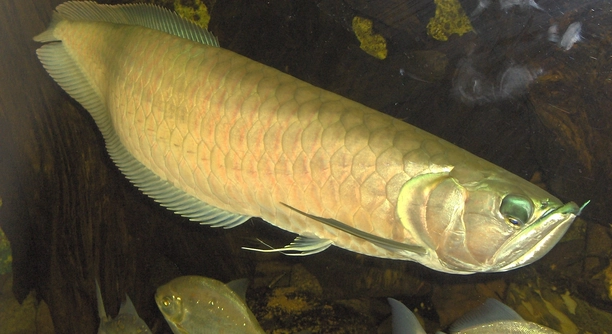
Creating a tank for an arowana can be both enjoyable and challenging. These fish are large, active, and require a space that suits their size and temperament. Proper tank design ensures they stay healthy and comfortable.
Selecting the right tank layout involves understanding the arowana’s natural behaviors and swimming patterns. Incorporating ample swimming space, smooth decorations, secure lids, and proper filtration supports their health, reduces stress, and promotes natural movement and growth within the aquarium environment.
Exploring these design ideas will help you create a tank your arowana can truly thrive in. Thoughtful planning ensures both beauty and functionality.
Choosing the Right Tank Size
Arowanas are large fish that need plenty of swimming space. A tank that is too small can cause stress, stunted growth, and health issues. Generally, a minimum of 250 gallons is recommended for adult arowanas. The tank should be long and wide, giving the fish room to move freely. Height is important but less critical than length, as arowanas primarily swim horizontally. When selecting a tank, consider future growth. Juvenile arowanas may fit in smaller tanks initially, but they grow quickly and will soon require more space. It is also important to ensure the tank’s structure can support the weight of large volumes of water. Reinforced stands and strong glass or acrylic are essential. Beyond size, arowanas benefit from a tank with an open swimming area free of sharp decorations. Rounded corners and smooth surfaces reduce the risk of injury while they glide through the water.
A large tank reduces stress and encourages natural swimming behavior, promoting better health and longevity for your arowana.
Planning the right tank size ensures comfort and safety. Extra space allows for decorations and hides without restricting movement. It also makes maintenance easier and water conditions more stable, supporting long-term health. Considering tank size from the start prevents frequent upgrades and minimizes stress for the fish. Investing in a spacious tank demonstrates care for your arowana’s well-being. Selecting the proper dimensions helps maintain a balanced environment, reduces aggression, and allows you to incorporate plants, rocks, or driftwood while still keeping swimming space open. Thoughtful sizing sets a solid foundation for every other design choice in your aquarium.
Selecting Tank Decorations
Decorations should be chosen carefully to avoid harming your arowana. Smooth driftwood, large rocks, and sturdy plants work best. Avoid sharp or fragile items that could injure your fish.
Properly selected decorations provide shelter, reduce stress, and enhance visual appeal without taking away swimming space. They should be arranged to allow unobstructed movement and easy cleaning access.
Decorating the tank requires balancing aesthetics with functionality. Driftwood can create natural hiding spots, while rocks add structure and interest. Live plants help maintain water quality and offer a sense of security, though they should be sturdy enough to withstand the arowana’s movement. Avoid overcrowding, as too many items can stress the fish or block swimming paths. Consider the weight and stability of each decoration to prevent accidental tipping. Placement should allow easy observation of the arowana’s behavior while maintaining space for exercise. Simple, well-spaced decorations encourage natural exploration and reduce aggressive tendencies, creating a harmonious environment. Proper design ensures both safety and beauty in the tank.
Proper Filtration
Arowanas produce a significant amount of waste, making strong filtration essential. A combination of mechanical, chemical, and biological filtration ensures clean, stable water. Regular maintenance keeps the system effective and prevents buildup of harmful toxins that could affect your fish’s health.
A reliable filtration system maintains water clarity and supports stable water chemistry. Mechanical filters remove debris, while biological filters encourage beneficial bacteria growth to break down ammonia and nitrites. Chemical filtration, such as activated carbon, helps reduce odors and discoloration. High flow rates should be avoided, as strong currents can stress the arowana. Position filters to allow gentle circulation throughout the tank. Regularly cleaning filter media and performing partial water changes ensures the system continues working efficiently. Choosing equipment rated for tanks larger than your current size helps manage waste as the arowana grows.
Monitoring the filtration system is equally important. Keeping an eye on water parameters and cleaning schedules prevents sudden spikes in toxins. Adjusting flow or upgrading equipment as the fish matures maintains optimal conditions. Combining multiple filter types provides a balanced approach, ensuring water remains healthy and safe. A strong filtration setup reduces maintenance frequency and promotes overall tank stability, giving your arowana a cleaner and healthier environment.
Maintaining Water Quality
Stable water quality is crucial for arowanas, as fluctuations can cause stress and illness. Testing parameters such as pH, ammonia, nitrites, and nitrates regularly helps detect issues early.
Keeping the tank’s water consistent supports the fish’s immune system and natural behavior. Partial water changes remove waste and replenish essential minerals, while avoiding sudden large changes that can shock the arowana. Using a dechlorinator ensures tap water is safe for the tank. Temperature should remain steady, typically between 75–82°F, to prevent stress. Monitoring salinity is important for certain species, even in freshwater setups. Equipment like heaters, thermometers, and test kits helps maintain precise conditions efficiently. Observing the fish’s behavior can indicate subtle changes in water quality before they become serious problems.
Establishing a routine for water monitoring and changes is essential. Weekly partial water changes of 20–30% help maintain balance, while frequent testing allows prompt correction of any deviations. Temperature fluctuations should be avoided, as arowanas are sensitive to sudden drops or rises. Ensuring proper aeration and circulation supports oxygen levels and helps prevent stagnant areas. Using high-quality water conditioners and monitoring chemical parameters reduces the risk of disease. A consistent maintenance schedule keeps the environment stable, healthy, and conducive to the fish’s growth and well-being. Proper water management is a critical foundation for long-term success with arowanas.
Lighting Considerations
Arowanas prefer moderate lighting that mimics natural daylight. Bright, harsh lights can stress them, while dim lighting may reduce activity and color vibrancy. Using adjustable lighting allows control based on the tank’s needs and the fish’s behavior.
Proper lighting enhances the tank’s aesthetics and supports plant growth if live plants are included. Timers help maintain a consistent day-night cycle, which reduces stress and encourages natural activity.
Substrate Choices
Choosing the right substrate is important for both safety and maintenance. Smooth sand or fine gravel reduces the risk of injury and is easier to clean than coarse or sharp materials.
Tank Lid and Safety
Arowanas are strong jumpers. Secure, heavy lids prevent escape and injury. Gaps or loosely fitted covers should be avoided.
Water Heating
Maintaining a stable temperature between 75–82°F is essential. Heaters with thermostats ensure consistent warmth, preventing stress from sudden fluctuations.
FAQ
How often should I clean my arowana’s tank?
Cleaning depends on tank size, fish load, and filtration. Generally, a partial water change of 20–30% once a week helps maintain water quality. Remove debris from the substrate and clean filter media as needed. Avoid over-cleaning, which can disrupt beneficial bacteria and destabilize the tank.
What is the best diet for arowanas?
Arowanas are carnivorous and thrive on a varied diet. Feed high-quality pellets, frozen or live foods such as shrimp, fish, or insects. Rotate protein sources to provide balanced nutrition. Avoid overfeeding, as excess food can pollute the water and cause obesity or health problems.
How large should the tank be for an adult arowana?
Adult arowanas require at least 250 gallons. The tank should be long and wide to allow unrestricted swimming. Height is less critical but should accommodate the fish’s size comfortably. A larger tank ensures stability in water parameters and reduces stress.
Can arowanas live with other fish?
Arowanas can coexist with larger, non-aggressive fish. Avoid small species that may be seen as prey. Monitor behavior closely, as arowanas can be territorial. Providing plenty of swimming space and hiding spots reduces potential aggression.
What water parameters are ideal for arowanas?
Maintain pH between 6.5 and 7.5, ammonia and nitrites at zero, and nitrates under 40 ppm. Temperature should stay between 75–82°F. Consistent water parameters are crucial for health and prevent stress-related diseases. Regular testing is essential.
How do I prevent my arowana from jumping out?
Use a heavy, secure lid with no gaps. Arowanas are strong jumpers, especially when startled. Ensure decorations and equipment are stable to avoid triggering sudden jumps. Regular observation helps identify any risky behaviors early.
How often should I feed my arowana?
Juveniles should be fed 2–3 times daily in small portions. Adults can be fed once a day or every other day. Monitor appetite and adjust accordingly. Overfeeding increases waste and can harm water quality.
What signs indicate my arowana is stressed or sick?
Look for loss of appetite, erratic swimming, faded colors, or clamped fins. Rapid breathing or rubbing against objects may indicate parasites or poor water quality. Early detection and intervention are critical for treatment and recovery.
Is it necessary to use live plants in the tank?
Live plants are optional but can enhance water quality and provide hiding spots. Choose sturdy plants that withstand movement and don’t overcrowd swimming space. Artificial plants can also work if maintenance is a concern.
How do I manage tank maintenance efficiently?
Set a regular schedule for water changes, filter cleaning, and parameter testing. Use tools like siphons, nets, and test kits. Organize supplies nearby to save time and reduce stress for both the fish and the caretaker.
Can arowanas be kept in a community tank?
Community setups are possible with careful planning. Only house similarly sized, non-aggressive species. Monitor interactions continuously, and be ready to separate fish if aggression occurs. Space and hiding spots are key for harmony.
What equipment is essential for a healthy arowana tank?
A reliable filter, heater, thermometer, secure lid, and lighting are essential. Optional equipment includes air pumps, water conditioners, and automatic feeders. Proper equipment ensures stable conditions and reduces daily maintenance.
How do I acclimate a new arowana?
Float the bag in the tank for 15–20 minutes to equalize temperature. Gradually mix tank water into the bag over 30–60 minutes. Avoid rushing the process, as sudden changes can cause shock. Careful acclimation reduces stress and improves survival.
What is the lifespan of an arowana in captivity?
With proper care, arowanas can live 10–15 years or more. Long-term health depends on stable water quality, proper diet, adequate space, and stress reduction. Lifespan may vary slightly by species and individual genetics.
How do I prevent water quality problems?
Regular water changes, avoiding overfeeding, and maintaining an efficient filtration system are essential. Monitor parameters consistently. Avoid overcrowding and keep decorations clean. Preventing issues is easier than correcting major water problems later.
Are arowanas sensitive to temperature changes?
Yes, sudden fluctuations can stress them and cause illness. Maintain consistent temperature with a reliable heater and monitor daily. Avoid placing the tank near drafts or direct sunlight that could cause rapid changes.
Can arowanas tolerate different pH levels?
They prefer slightly acidic to neutral water (6.5–7.5). Sudden shifts outside this range can lead to stress or illness. Stabilizing pH with buffers and monitoring regularly helps maintain a healthy environment.
How do I prevent aggression in arowanas?
Provide ample space, hiding spots, and avoid housing with much smaller fish. Limit aggressive tankmates and monitor behavior. Sometimes separating individuals is necessary to reduce stress and injury.
What is the best way to observe health in my arowana?
Regularly watch swimming patterns, appetite, and color. Early signs of illness often appear before obvious symptoms. Keeping a log of behavior and water parameters helps track subtle changes for timely intervention.
How can I improve the aesthetic appeal of the tank?
Use natural decorations like driftwood and rocks while leaving open swimming areas. Lighting should highlight the fish and décor without causing stress. Clean and organized tanks enhance both beauty and health.
How often should I replace filter media?
Replace or rinse mechanical media monthly, and monitor chemical media as it becomes saturated. Biological media should be rinsed gently without using tap water to preserve beneficial bacteria. Proper media management ensures effective filtration.
Can arowanas tolerate different water hardness?
They prefer soft to moderately hard water. Extreme hardness can affect health and behavior. Adjusting water with proper buffers helps maintain a stable and safe environment for the fish.
What is the recommended tank shape for arowanas?
Long and wide tanks are preferred over tall, narrow ones. Horizontal swimming space is most important for large, active fish. Adequate length reduces stress and supports natural movement patterns.
How do I handle an arowana safely?
Use a soft net or container, and avoid sudden movements. Minimize handling to prevent stress and injury. Always wet hands or gloves before contact to protect the slime coat and scales.
How do I deal with common arowana diseases?
Quarantine new fish, maintain clean water, and provide a balanced diet. Watch for signs like white spots, fin rot, or lethargy. Early detection and treatment with appropriate medications or adjustments in care improve recovery chances.
How can I ensure long-term health for my arowana?
Consistent maintenance, proper diet, stable water conditions, sufficient space, and low stress levels are key. Regular observation and adjustments keep the fish thriving for many years. Long-term care requires attention and commitment but yields rewarding results.
Final Thoughts
Creating an ideal tank for an arowana requires careful planning and consistent attention. These fish are large, active, and delicate in their own ways. Providing enough swimming space, stable water conditions, and a secure environment is essential for their health. Arowanas thrive when their habitat closely mimics their natural environment, which includes moderate lighting, smooth surfaces, and appropriate hiding spots. Neglecting these details can lead to stress, stunted growth, or even illness. Every choice, from tank size to filtration and decorations, directly affects the fish’s well-being. While the setup may require a significant initial investment, the long-term benefits for the arowana are substantial. Large, well-maintained tanks reduce maintenance issues, provide a safer environment, and promote a calmer, healthier fish. Paying attention to details like tank lids and substrate ensures safety, while proper lighting and temperature control enhance overall comfort.
Water quality remains one of the most critical factors for keeping arowanas healthy. Regular testing, partial water changes, and monitoring parameters such as pH, ammonia, and nitrates help prevent problems before they escalate. Filtration systems play a vital role in maintaining a clean and balanced environment. Using mechanical, chemical, and biological filtration together provides the best results, while routine maintenance ensures the system functions efficiently. Overfeeding or overcrowding can compromise water quality, so careful observation of feeding habits and tank population is important. Temperature stability is equally significant, as arowanas are sensitive to sudden fluctuations. Consistent monitoring and adjustments to water conditions are essential to support long-term health and prevent stress-related issues. A properly maintained tank creates an environment where the arowana can grow naturally, exhibit normal behavior, and display vibrant colors.
Diet, tank design, and routine care work together to create a thriving habitat. Offering a varied diet of high-quality pellets, frozen foods, or live proteins supports growth and overall health. Decorations should be chosen to provide both visual appeal and functional benefit, allowing swimming space while offering hiding spots. Avoid overcrowding decorations or placing sharp objects that could injure the fish. Lighting, substrate, and tank layout all contribute to a balanced environment that encourages natural activity. Regular observation allows early detection of health concerns, helping to prevent serious issues. By combining proper tank size, filtration, water quality, diet, and design, you create a safe, comfortable, and stimulating home for your arowana. With careful planning and consistent care, your fish can thrive for many years, displaying both beauty and vitality in a well-maintained environment.

Hello,
If you enjoy the content that we create, please consider saying a "Thank You!" by leaving a tip.
Every little bit helps us continue crafting quality advice that supports the health, happiness, and well-being of pets around the world, for pets of all shapes, sizes, and species.
We really appreciate the kindness and support that you show us!