
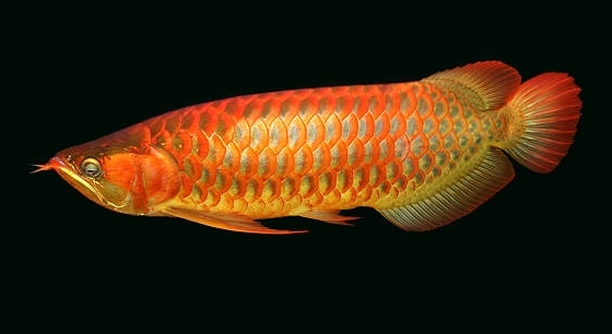
Are your arowanas spending most of their time at the bottom of the tank, seemingly uninterested in swimming? This behavior can be worrying for any fish owner who wants to maintain a healthy, active aquarium environment.
Arowanas staying at the bottom of the tank can result from several factors including poor water quality, inappropriate temperature, stress, illness, lack of oxygen, inadequate diet, or unsuitable tank conditions. Identifying the underlying cause is essential for their wellbeing.
Understanding why your arowana behaves this way will help you create a healthier environment. Each factor contributes to its comfort and long-term health.
Poor Water Quality
Poor water quality is one of the main reasons arowanas stay at the bottom of their tanks. High levels of ammonia, nitrites, or nitrates can cause stress and discomfort, prompting the fish to avoid swimming actively. Dirty water can also harbor harmful bacteria, increasing the risk of infections. Arowanas are sensitive to sudden changes in pH or hardness, and fluctuating conditions can make them lethargic. Regular water testing, proper filtration, and partial water changes are essential to maintain a stable environment. Observing the tank for cloudy water, unpleasant odors, or excessive debris can also indicate the need for cleaning. Even small tanks can accumulate toxins quickly, so consistent maintenance is crucial. Fish that remain at the bottom may be trying to avoid areas with poor circulation or low oxygen, making water quality a key factor in their behavior.
Keeping water clean ensures your arowana feels comfortable and more likely to swim naturally.
Consistently monitoring parameters like pH, ammonia, nitrite, and nitrate is essential. Proper filtration and frequent water changes maintain a healthy tank. Adjusting temperature and aeration can also improve overall water quality, helping the arowana become more active and reducing stress-related bottom-dwelling behavior.
Temperature Stress
Temperature plays a significant role in arowana activity levels. Cold water slows metabolism, causing the fish to rest at the bottom, while overly warm water can lead to oxygen depletion and fatigue. Maintaining a stable temperature suited to the species is critical.
Arowanas need water temperatures that match their natural habitats to stay active.
Sudden temperature fluctuations are especially harmful, as they can suppress the immune system and increase susceptibility to disease. Using reliable heaters and thermometers helps keep conditions consistent. Observing your fish during seasonal changes or after water changes can reveal if temperature stress is affecting behavior. In larger tanks, uneven heating may create pockets of cooler water where the arowana prefers to rest. Additionally, combining proper temperature management with good water quality and adequate aeration ensures the fish maintains energy levels, swims throughout the tank, and reduces time spent near the bottom. Careful attention to these details supports both physical health and natural behavior, preventing long-term stress or illness.
Low Oxygen Levels
Arowanas may stay at the bottom when oxygen levels in the tank are low. Poor water circulation and overcrowding can reduce available oxygen, making it difficult for the fish to swim actively.
Insufficient oxygen forces arowanas to conserve energy, often remaining near the bottom where water movement is slower. Air pumps, proper filtration, and avoiding overstocking can improve oxygenation. Observing rapid gill movement or gasping at the surface can indicate low oxygen levels. Maintaining healthy plant coverage and avoiding excessive debris also supports better oxygen levels. Consistently monitoring dissolved oxygen ensures the fish can swim comfortably and remain healthy.
Increasing aeration and water movement can encourage more active swimming. Proper tank design, including space for surface agitation, ensures oxygen is evenly distributed. Combining these measures with regular maintenance reduces stress and prevents long-term health problems caused by oxygen deficiency.
Stress or Shock
Stress can make arowanas retreat to the bottom of their tank. Changes in environment, handling, or sudden water parameter shifts trigger this behavior.
A stressed arowana may exhibit reduced appetite, dull coloration, and minimal movement. Consistent routines, proper tank placement, and minimizing disturbances help reduce stress. Avoiding loud noises, sudden light changes, and frequent handling allows the fish to acclimate. Gradual adjustments in water temperature or chemistry prevent shock. Providing hiding spaces and maintaining a calm environment encourages confidence and natural activity. Stress management directly affects swimming behavior, appetite, and overall health.
Stress impacts immune function and can increase susceptibility to illness. Combining stable water conditions with proper diet and minimal disturbances ensures your arowana feels secure. Monitoring behavior closely allows for early intervention if stress signs appear. Over time, creating a stable and calm environment helps the fish regain energy, swim more actively, and return to normal bottom-to-top movement patterns. Ensuring compatibility with tank mates also reduces territorial disputes and further stress.
Illness or Infection
Arowanas often stay at the bottom when they are sick or dealing with infections. Lethargy, loss of appetite, and unusual spots on the body are common signs of health issues. Prompt attention is important to prevent serious complications.
Early detection and treatment improve recovery chances. Quarantining affected fish and maintaining clean water can reduce the spread of disease. Observing behavior closely helps identify infections before they worsen.
Inadequate Diet
A poor diet can lead to low energy levels, causing arowanas to remain at the bottom of the tank. Nutritional deficiencies affect growth, immune function, and overall activity.
Providing a balanced diet with high-quality pellets, occasional live food, and supplements supports energy and vitality. Consistent feeding schedules and portion control prevent overfeeding and maintain health.
Incompatible Tank Conditions
Improper tank size, décor, or lack of hiding spots can make arowanas feel unsafe, prompting them to stay near the bottom. Proper spacing and environment adjustments improve comfort and encourage normal swimming behavior.
Why does my arowana stay at the bottom after a water change?
Arowanas can become stressed after a water change, especially if the new water differs in temperature, pH, or hardness. Even small differences can make them feel uncomfortable, prompting bottom-dwelling behavior. Gradual water changes and careful matching of water parameters help the fish adjust smoothly.
How can I tell if my arowana is sick or stressed?
Signs of sickness or stress include lethargy, loss of appetite, faded colors, clamped fins, or unusual swimming patterns. Staying at the bottom for extended periods is often a key indicator. Monitoring behavior daily and maintaining clean, stable water reduces the risk of illness. Quarantining new or sick fish prevents spreading disease.
Can low oxygen cause my arowana to remain at the bottom?
Yes, insufficient oxygen makes arowanas conserve energy and stay near the bottom where water movement is minimal. Aeration, surface agitation, and proper filtration improve oxygen distribution. Overcrowding reduces available oxygen, so tank size and stocking density should be appropriate for the species. Adding live plants can also help maintain oxygen levels.
Does tank temperature affect my arowana’s behavior?
Temperature directly influences metabolism. Cold water slows activity, while overly warm water reduces dissolved oxygen and causes fatigue. Stable temperatures matching the species’ natural habitat are crucial. Using heaters, thermometers, and monitoring for uneven heating ensures the fish remain comfortable and active. Avoid sudden changes during seasonal or water adjustments.
Can poor diet make my arowana stay at the bottom?
Yes, inadequate nutrition lowers energy levels, reducing swimming activity. A balanced diet with high-quality pellets, live food, and occasional supplements supports vitality. Consistent feeding schedules, portion control, and varied protein sources prevent deficiencies. Malnourished arowanas may also show slow growth or weakened immune systems, increasing susceptibility to illness.
Do tank conditions influence bottom-dwelling behavior?
Improper tank size, cluttered décor, or lack of hiding spots can make arowanas feel unsafe. Providing adequate swimming space and natural hiding areas encourages exploration and activity. Territorial conflicts with other fish also contribute to stress, so tank mates should be compatible and evenly spaced to reduce tension.
Is water quality a major factor in this behavior?
Absolutely. High ammonia, nitrite, or nitrate levels cause discomfort and stress, leading to bottom-dwelling. Regular testing, filtration maintenance, and partial water changes are essential. Cloudy water, odors, or debris indicate poor conditions. Even small tanks can accumulate toxins quickly, making frequent monitoring and cleaning necessary.
What immediate steps should I take if my arowana stays at the bottom?
First, test water parameters and correct any imbalances. Check temperature and oxygen levels, then observe for signs of disease or stress. Ensure the diet is balanced and feeding routines are consistent. Adjust tank décor for safe swimming areas, and minimize disturbances while the fish recovers.
Can stress from handling cause bottom-dwelling?
Yes, handling or moving the tank, sudden light changes, or loud noises can stress arowanas. Stress reduces appetite, weakens immunity, and causes bottom-dwelling. Creating a calm, consistent environment with minimal disruptions helps the fish regain confidence and normal activity levels.
How long should my arowana stay at the bottom before I get concerned?
Short periods of resting near the bottom are normal, but prolonged inactivity, especially with other signs like poor appetite or faded colors, is a concern. Immediate assessment of water quality, diet, temperature, and health is necessary. Early intervention improves recovery and prevents long-term problems.
Can tank mates influence this behavior?
Yes, aggressive or overly active fish can stress arowanas, making them retreat to the bottom. Choosing compatible tank mates and providing sufficient space reduces competition and promotes normal swimming behavior. Observing interactions helps identify if aggression is contributing to bottom-dwelling.
Does lighting affect bottom-dwelling behavior?
Excessive or sudden lighting changes can make arowanas feel exposed and stressed, prompting them to hide near the bottom. Using gentle, consistent lighting and providing shaded areas encourages comfort and natural movement throughout the tank. Gradual adjustments prevent sudden stress reactions.
Are there long-term consequences if my arowana stays at the bottom too often?
Prolonged bottom-dwelling can lead to muscle weakness, poor growth, and increased susceptibility to disease. Persistent stress affects immune function and overall vitality. Maintaining proper water quality, temperature, diet, and a calm environment is crucial to ensure long-term health and normal activity.
How can I encourage my arowana to swim more actively?
Improving water quality, maintaining stable temperature, and ensuring adequate oxygen encourages activity. Providing a spacious tank, compatible tank mates, and enriched décor allows exploration. Regular feeding with balanced nutrition also boosts energy. Gradual environmental adjustments reduce stress and promote natural swimming behaviors.
What preventive measures reduce bottom-dwelling behavior?
Regular water testing, proper filtration, temperature control, balanced diet, and minimal disturbances are key. Choosing suitable tank mates and maintaining a spacious, safe environment prevents stress. Early detection of health issues allows timely treatment, ensuring your arowana remains active and healthy.
Arowanas are beautiful and majestic fish, but they can sometimes display behavior that worries their owners. One of the most common concerns is when an arowana stays at the bottom of the tank. This behavior can be caused by a variety of factors, including water quality, temperature, stress, illness, diet, oxygen levels, and tank conditions. Each of these factors can influence the fish’s energy, comfort, and overall health. By understanding the reasons behind bottom-dwelling behavior, owners can take the proper steps to create an environment that encourages activity and supports the arowana’s wellbeing. Observing the fish regularly and paying attention to changes in behavior is key to identifying potential problems early, which can make a significant difference in maintaining a healthy aquarium.
Maintaining optimal water conditions is one of the most important ways to support an arowana’s health. Regular water testing, partial water changes, and proper filtration help keep ammonia, nitrite, and nitrate levels low. Temperature consistency is equally important, as sudden fluctuations can cause stress or reduce metabolism. Adequate aeration ensures sufficient oxygen levels, allowing the fish to swim actively. Feeding a balanced diet with quality pellets and occasional live food provides essential nutrients that support energy levels and immune function. Tank size, décor, and hiding spots also influence the fish’s comfort and behavior. Even minor adjustments to the environment can encourage the arowana to explore the tank and reduce time spent at the bottom.
Monitoring the fish’s health and behavior is equally important. Signs of stress or illness, such as lethargy, loss of appetite, clamped fins, or faded coloration, should be addressed promptly. Minimizing disturbances, providing compatible tank mates, and maintaining a calm, stable environment all contribute to reducing stress. Consistency in routine, feeding, and water maintenance helps the fish feel secure, which encourages normal swimming patterns. Over time, careful observation and proper care allow owners to support the arowana’s natural behavior and maintain a vibrant, active fish. Understanding these key factors ensures that your arowana remains healthy and comfortable, making the aquarium a safe and enjoyable space for the fish.

Hello,
If you enjoy the content that we create, please consider saying a "Thank You!" by leaving a tip.
Every little bit helps us continue crafting quality advice that supports the health, happiness, and well-being of pets around the world, for pets of all shapes, sizes, and species.
We really appreciate the kindness and support that you show us!