
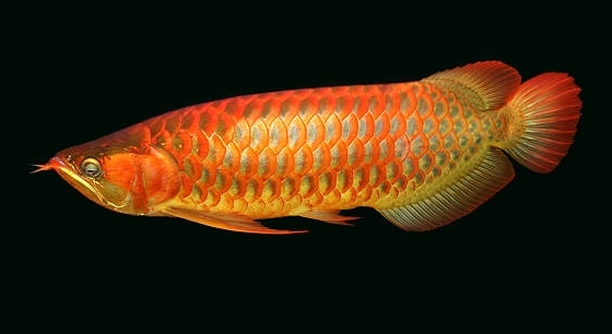
Have you ever wondered about keeping an arowana in your aquarium and whether it thrives best on its own? Arowanas are striking fish, known for their elegance and bold personalities in home tanks.
Arowanas can live alone in captivity, as they are naturally solitary and territorial. Housing them individually reduces stress, aggression, and potential injury while allowing for proper feeding, adequate swimming space, and a controlled environment conducive to their overall health.
Learning the benefits and challenges of keeping a solitary arowana will help you create a safer, more comfortable environment for your fish.
Pros of Keeping an Arowana Alone
Keeping an arowana alone can be very beneficial. These fish are naturally solitary and do not require companions to feel comfortable. Housing a single arowana helps prevent fighting, which is common when multiple large fish are kept together. Aggression can lead to injuries, stress, and even death in some cases. A solitary setup allows you to focus on proper feeding and monitoring water quality. Arowanas also need plenty of swimming space, and a tank shared with other fish can limit their movement. By keeping one arowana alone, you can observe its behaviors closely and notice changes in appetite or activity. This setup can make it easier to maintain a stable environment. Additionally, the fish will often be more relaxed and display natural behaviors without the stress of competition. Solitary arowanas can still be active and engaging to watch.
Solo arowanas tend to live longer and have healthier growth compared to crowded tanks.
When an arowana lives alone, tank maintenance becomes simpler. Feeding schedules are easier to manage, and water quality is less likely to fluctuate. There’s no need to worry about one fish dominating food or chasing others. A single arowana can receive the attention it needs without interference, making it easier to spot early signs of disease. Their territorial nature is respected, which reduces stress and aggressive interactions. Furthermore, decorating the tank becomes more straightforward since there’s no need to create hiding spaces for multiple fish. Overall, a solitary setup supports the fish’s health, growth, and natural behavior while allowing the caretaker to provide consistent care without complications from cohabitation.
Cons of Keeping an Arowana Alone
Keeping an arowana alone can feel less lively in the tank.
Arowanas are active and intelligent fish that can sometimes get bored without stimulation. Without other fish or environmental enrichment, they may become restless or show repetitive behaviors. It’s important to provide floating objects, plants, or other safe forms of interaction. Even though they do not require company, mental stimulation is necessary to maintain their well-being. Regularly rearranging the tank or offering varied feeding routines can help keep them engaged and reduce stress caused by monotony. While solitary living prevents aggression, it also means the caretaker must provide everything for the fish’s physical and mental needs. Observing their behavior closely will help identify any signs of boredom or stress.
Many owners worry about loneliness, but arowanas do not require other fish to thrive. Their health and happiness rely on space, diet, and stimulation, rather than companionship.
Tank Requirements for a Solo Arowana
Arowanas need large tanks to thrive alone. A minimum of 150 gallons is recommended to allow enough swimming space. The tank should be long and wide, not just tall, to support their natural movement. Strong filtration and regular water changes are essential for healthy water conditions.
The tank should mimic their natural environment with smooth surfaces and minimal sharp decorations. Floating plants and driftwood can provide hiding spots and a sense of security without limiting swimming space. Maintaining stable water temperature between 75–82°F and a pH of 6.5–7.5 is crucial. Monitoring ammonia, nitrite, and nitrate levels regularly ensures the tank stays safe. Adequate oxygenation and gentle water flow help the arowana remain active and healthy. Avoid overcrowding with other fish, even small ones, as arowanas may see them as prey.
Lighting should be moderate, avoiding overly bright setups that may stress the fish. Consistent schedules for feeding and maintenance help the arowana adjust well to its solitary environment. Using soft substrate or bare-bottom tanks reduces injuries. A cover or lid is recommended, as arowanas are known to jump.
Feeding and Nutrition Tips
Arowanas need a varied diet to remain healthy and active. Feeding high-quality pellets, live food, and occasional frozen treats ensures proper nutrition.
It’s important to feed them in amounts they can finish within a few minutes to avoid overfeeding. Live or frozen foods such as shrimp, small fish, and insects support protein needs. Occasional treats like earthworms or crickets can add variety. Vitamin supplements may be beneficial, especially for captive-bred fish. Feeding should be done once or twice daily depending on the arowana’s age and size. Overfeeding can lead to obesity and water quality issues, while underfeeding slows growth and reduces vitality. Rotating food types helps prevent nutritional deficiencies.
Monitoring feeding behavior also helps detect health issues early. If the fish refuses food or shows changes in appetite, it may indicate stress, illness, or poor water conditions. Keeping a feeding log can make it easier to track patterns and adjust portions. Fresh, clean water is critical during feeding routines to prevent contamination. Using tongs or feeding tools can reduce the risk of the fish ingesting substrate or other debris. Proper diet and attentive feeding are key to keeping a solitary arowana healthy and thriving.
Common Health Issues
Arowanas can develop health problems if their tank conditions are not ideal. Common issues include fin rot, parasites, and swim bladder disorders. Maintaining clean water, proper diet, and stable temperature helps prevent these problems.
Stress can also trigger illness in arowanas. Overcrowding, sudden changes in water parameters, or poor nutrition can weaken their immune system. Regular observation allows early detection of abnormal behavior or physical changes. Acting quickly when symptoms appear improves recovery chances and ensures the fish stays healthy and active in its solitary environment.
Water Quality Maintenance
Consistently monitoring water quality is essential for a healthy arowana. Checking ammonia, nitrite, and nitrate levels prevents toxic buildup that can harm the fish. Regular water changes, at least 25–30% weekly, maintain a stable environment. Using a reliable filtration system supports biological and mechanical cleaning.
Behavioral Observations
Arowanas display unique behaviors when kept alone. They may patrol the tank, jump, or interact with their reflection. Observing these patterns helps identify stress, illness, or boredom early. Regular attention ensures a safe and engaging environment for the fish.
Tank Setup Tips
Tank setup should prioritize open swimming space and minimal decorations. Rounded corners, soft substrates, and a secure lid prevent injuries and escapes. Proper placement of plants and driftwood allows enrichment without crowding the fish.
FAQ
Can arowanas be kept with other fish?
Arowanas are naturally territorial and predatory. Housing them with other fish can lead to aggression or the smaller fish being eaten. If you want tank mates, choose very large, robust species that occupy different levels of the tank. Even then, constant monitoring is needed to prevent conflicts.
How often should I feed a solitary arowana?
Feeding frequency depends on age and size. Juveniles typically eat twice a day, while adults can be fed once daily. Overfeeding can cause obesity and water issues, while underfeeding slows growth. Offering a mix of pellets, live food, and frozen options ensures proper nutrition.
What tank size is ideal for one arowana?
A minimum of 150 gallons is recommended for a single adult arowana. They require long, wide tanks to swim comfortably. Overcrowding increases stress and limits natural behavior. Adequate space also makes maintenance easier and reduces the risk of injury.
Do arowanas need a heater?
Yes, maintaining a stable water temperature between 75–82°F is essential. A heater ensures consistency, especially in cooler climates. Sudden temperature changes can stress the fish and weaken its immune system. Using a reliable thermometer helps monitor conditions accurately.
Can arowanas recognize their owner?
Arowanas can learn routines and recognize feeding times. They may swim toward you when it’s time to eat. While they don’t form bonds like mammals, they respond to consistent care and interaction, showing increased activity and curiosity around their caretaker.
How can I prevent jumping accidents?
Arowanas are known to jump, especially in tall tanks. Using a secure lid or cover is crucial. Rounded tank corners and minimal obstacles reduce the risk of injury. Gentle water flow and consistent lighting help them feel secure and less likely to leap.
What signs indicate stress in a solitary arowana?
Stress can appear as loss of appetite, hiding, erratic swimming, or fin clamping. Water quality issues, sudden changes, or boredom can cause stress. Observing daily behavior and maintaining stable conditions allows early detection and intervention.
How do I enrich a solitary arowana’s environment?
Provide floating plants, driftwood, and varied feeding routines to keep them mentally stimulated. Rearranging decorations occasionally can offer new exploration opportunities. While they do not need tank mates, environmental enrichment prevents boredom and supports natural behavior.
How often should water be changed?
Regular water changes are vital. Changing 25–30% weekly maintains a stable and clean environment. Proper filtration, combined with water changes, ensures toxins like ammonia and nitrites stay low. Monitoring water parameters regularly helps prevent health problems.
Can arowanas live long alone?
Yes, solitary arowanas can live long, healthy lives if tank size, water quality, diet, and enrichment are well maintained. Solitary housing reduces aggression and stress, supporting growth and overall well-being. Consistent care is the key to longevity in captivity.
What diet prevents nutritional deficiencies?
A varied diet is essential. High-quality pellets, supplemented with live or frozen shrimp, fish, and insects, covers protein needs. Occasional treats like worms or crickets add variety. Vitamins and minerals may be supplemented if needed. Rotating food types prevents deficiencies and supports healthy growth.
How do I handle health problems early?
Regular observation is key. Changes in appetite, swimming, or appearance often indicate health issues. Quarantine new additions, maintain clean water, and consult an experienced aquarist or vet if unusual symptoms appear. Early intervention improves recovery chances significantly.
Is tank decoration necessary for a solitary arowana?
Minimal decoration is preferred. Open swimming space is more important than hiding spots. Floating plants, driftwood, and smooth surfaces offer enrichment without crowding. Avoid sharp objects that could injure the fish, as arowanas are active and can be clumsy while swimming.
Can arowanas be left alone for days?
Adults can tolerate short periods without daily interaction if feeding is automated or arranged with care. However, extended neglect may stress them or affect water quality. Regular monitoring ensures their health and prevents avoidable problems.
How do I maintain water parameters effectively?
Use a combination of reliable filtration, weekly water changes, and testing kits for ammonia, nitrite, nitrate, pH, and temperature. Consistency is more important than perfection. Small fluctuations are manageable, but sudden changes can harm a solitary arowana’s health.
What is the ideal tank lid type?
A secure, heavy lid is essential. Glass or acrylic covers prevent jumping accidents and help maintain stable water conditions. Avoid gaps and ensure the lid is properly fitted, as arowanas can be strong and persistent jumpers.
Can arowanas recognize reflection?
They may react to their reflection, often as if it were another fish. Some become curious, while others show aggression. Minimizing reflective surfaces reduces stress, especially in smaller tanks or brightly lit areas.
How do I manage tank cleaning without stressing the fish?
Partial water changes and gentle cleaning are recommended. Avoid sudden movements or aggressive suctioning near the fish. Using soft tools and moving slowly prevents stress while maintaining a clean and healthy environment for the arowana.
Do arowanas require companions for mental stimulation?
No, they are naturally solitary. Companionship is unnecessary and can cause aggression. Mental stimulation comes from varied feeding, tank enrichment, and observation. Rotating decorations and offering interactive feeding techniques keeps them engaged without introducing other fish.
What is the most important factor for a solitary arowana’s well-being?
Consistent care, proper tank size, water quality, diet, and mental stimulation are key. Solitary arowanas thrive when their environment meets all physical and behavioral needs. Regular observation allows prompt responses to health or stress issues, ensuring long-term health and vitality.
Word count: 507
Keeping an arowana alone in a tank can be a very practical choice. These fish are naturally solitary and territorial, so housing them by themselves often reduces stress and prevents fights. A single arowana has more space to swim freely, which is important for its health and well-being. Large tanks with proper filtration and stable water conditions are essential to support its size and activity. When arowanas are kept alone, feeding routines are easier to manage, and it is simpler to monitor their health. You can notice changes in behavior or appetite quickly, allowing early intervention if any issues arise. Solitary housing also avoids the risks associated with keeping multiple large fish together, such as aggression, injuries, or competition for food.
While solitary living has many advantages, it also comes with responsibilities. An arowana may not require companions, but it still needs mental stimulation to stay active and healthy. Adding floating plants, driftwood, or rearranging tank decorations periodically can provide a sense of interest and engagement. Feeding a varied diet is equally important. Pellets, frozen or live foods, and occasional treats ensure that the fish receives proper nutrition. Overfeeding or underfeeding can affect growth and health, so paying attention to portion sizes and feeding schedules is necessary. Water quality must be maintained consistently with regular changes and filtration, and monitoring parameters like ammonia, nitrite, nitrate, temperature, and pH is critical. A well-maintained environment helps the arowana stay energetic and reduces the risk of stress or disease.
Overall, keeping an arowana alone can result in a healthier, calmer, and more manageable fish. By understanding its natural behaviors and providing a suitable environment, you can support its long-term growth and well-being. Attention to diet, tank size, and water quality makes a significant difference in how the fish thrives. Although they are solitary, they are interactive and engaging in their own way, responding to routines and feeding times. Arowanas may display curiosity and activity even without companions, proving that they do not need other fish to live a full and healthy life. Providing a safe, enriched, and well-maintained tank ensures your arowana can live comfortably and display its natural elegance, making the experience of keeping one both satisfying and rewarding.
Word count: 409

Hello,
If you enjoy the content that we create, please consider saying a "Thank You!" by leaving a tip.
Every little bit helps us continue crafting quality advice that supports the health, happiness, and well-being of pets around the world, for pets of all shapes, sizes, and species.
We really appreciate the kindness and support that you show us!