
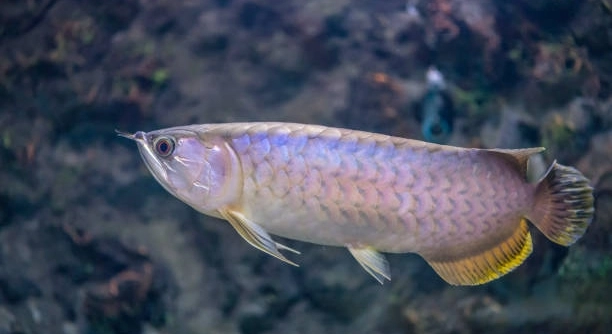
Do you ever notice your arowana lingering in one corner of the tank, barely moving while the rest of the water seems alive with activity? Observing this behavior can be concerning, especially when you want your fish to thrive.
Arowanas that remain in one spot often do so because of stress, illness, or poor water conditions. Limited swimming may indicate inadequate oxygen levels, improper temperature, or underlying infections, all of which require careful attention to maintain optimal fish health.
Understanding why your arowana behaves this way can help you take timely action. We will explore the main causes and solutions to encourage healthier, more active swimming habits.
Common Reasons for Stationary Swimming
Many arowanas stay in one spot due to environmental stressors. Poor water quality is a frequent issue, as high ammonia or nitrate levels can make fish lethargic. Temperature fluctuations also affect activity, since arowanas require stable, warm water to thrive. Another factor is tank size. A cramped tank restricts movement and encourages stationary behavior. Stress from overcrowding or aggressive tank mates may also lead to hiding or limited swimming. Diet plays a role, too; a low-quality or imbalanced diet can sap energy and reduce activity. Health problems, such as infections, parasites, or swim bladder issues, directly impact mobility. Observing other symptoms like clamped fins, unusual coloration, or irregular breathing can indicate health concerns. Regular water testing, maintaining appropriate tank conditions, and monitoring feeding habits are essential. Acting promptly on changes in behavior helps prevent long-term damage and keeps your arowana healthier.
Proper care can significantly improve your fish’s activity levels. Consistency in water quality and diet is key.
Even minor adjustments to tank maintenance can make a noticeable difference. Regular cleaning, maintaining stable temperatures, and observing your fish daily help prevent stress and illness. A balanced diet with high-quality protein and vitamins supports energy and growth. Rotating foods like live or frozen fish, shrimp, and insects can encourage natural hunting behavior, making your arowana more active. Environmental enrichment, such as hiding spots or gentle water flow, can reduce boredom and stress. Monitoring interactions with tank mates ensures your arowana does not feel threatened. Identifying early signs of illness, like swelling, erratic swimming, or faded colors, allows for timely intervention. Consulting a veterinarian specializing in fish care may be necessary for persistent issues. Overall, consistent attention and preventive measures promote a lively, healthy arowana that swims throughout its tank, enhancing both its well-being and the enjoyment of observing it.
Health-Related Factors
Stationary swimming can indicate serious health issues requiring immediate attention.
Illnesses such as swim bladder disorder, bacterial infections, or parasitic infestations are common reasons for limited movement. Swim bladder problems affect buoyancy, making it difficult for arowanas to swim freely. Bacterial infections may cause lethargy and reduced appetite. Parasites can irritate the skin or gills, forcing your fish to conserve energy. Signs like labored breathing, pale or patchy skin, or abnormal swimming patterns often accompany these conditions. Addressing water quality, diet, and tank hygiene is crucial to reduce stress and prevent the spread of disease. Quarantining new or sick fish helps protect others. Medications, proper nutrition, and consultation with an aquatic veterinarian can restore health. Early detection is critical because untreated issues can worsen quickly, potentially leading to permanent damage or death. Monitoring your arowana’s behavior daily allows for faster responses. Maintaining a clean, stable environment and observing physical signs are key to ensuring your arowana recovers fully and resumes normal swimming activity, keeping it healthy and energetic.
Tank Environment Considerations
Water quality directly affects arowana behavior. High ammonia, nitrite, or nitrate levels can make them lethargic. Poor filtration or infrequent water changes worsen the problem. Temperature fluctuations also reduce activity.
Maintaining stable conditions is essential. Arowanas thrive in warm water between 75–82°F (24–28°C). Regular testing of ammonia, nitrite, and nitrate levels helps prevent harmful buildup. Proper filtration ensures debris and waste are removed efficiently. Tank size is also important; arowanas need large, open spaces to swim freely. Decorations should not overcrowd the tank, allowing room for movement. Monitoring these factors consistently reduces stress and encourages natural swimming behavior.
Light and flow also influence activity. Arowanas prefer gentle water movement rather than strong currents. Excessive lighting or sudden changes in light can stress them. Providing hiding spots, like driftwood or rocks, offers security, allowing your fish to explore at its own pace. Overcrowding with aggressive tank mates may also cause stationary swimming, as the fish avoids confrontation. Observing interactions and making necessary adjustments ensures a balanced environment. Together, stable water, proper temperature, sufficient space, and gentle flow create optimal conditions for healthy, active arowanas.
Diet and Nutrition
A poor diet can reduce swimming activity and overall health.
Feeding low-quality or monotonous foods can lead to lethargy. Arowanas require a varied diet rich in protein, including live, frozen, or high-quality prepared foods. Overfeeding or irregular feeding schedules also impact energy levels and digestion.
Balanced nutrition supports growth, activity, and immune function. Rotating foods such as live fish, shrimp, insects, and fortified pellets encourages natural hunting instincts and stimulates energy. Excess fatty or low-protein foods may cause bloating, swim bladder issues, and reduced mobility. Proper feeding schedules—typically once or twice a day—help regulate metabolism. Monitoring appetite and adjusting portions prevents overfeeding and maintains water quality. Providing vitamin supplements or fortified foods can prevent deficiencies that might affect activity levels. A consistent, nutritious diet ensures your arowana remains active, healthy, and responsive in its tank environment.
Stress and Tank Mates
Aggressive or overly active tank mates can make arowanas feel threatened, causing them to stay in one spot. Stress from constant chasing or competition for food reduces their natural swimming behavior.
Noise, sudden movements, or frequent handling also contribute to stress. Arowanas prefer calm, stable environments. Minimizing disturbances and providing ample hiding spaces can reduce anxiety. Observing how your fish interacts with others helps identify stress sources.
Lighting and Water Flow
Strong lighting or irregular light cycles can discourage movement. Arowanas prefer soft, consistent lighting that mimics natural conditions. Sudden changes in brightness may cause hiding or stationary swimming.
Water flow impacts energy and comfort. Gentle currents promote natural swimming, while strong or turbulent flow can exhaust the fish, encouraging it to stay in one place. Proper flow ensures oxygen circulation without creating stress. Monitoring light and flow allows you to adjust the tank environment for balanced activity and comfort.
Observing Behavior Patterns
Regular observation of swimming patterns helps identify issues early. Noting changes in position, activity, or interaction with tank mates is crucial for prevention.
Consistent monitoring allows timely action when signs of illness, stress, or environmental problems appear. Recording behavior patterns over days or weeks can reveal trends, such as inactivity linked to temperature shifts, poor water quality, or diet changes. Early detection ensures effective intervention before minor issues escalate. Understanding these patterns also helps refine tank setup, feeding, and maintenance routines, promoting arowana health and encouraging active swimming behavior consistently.
Signs of Illness
Lethargy, clamped fins, or unusual coloration often indicate health problems. Immediate attention is required to prevent worsening conditions.
FAQ
Why does my arowana stay in one spot all the time?
Arowanas may remain stationary due to stress, illness, or poor water conditions. Factors like high ammonia, low oxygen, incorrect temperature, or overcrowding often reduce activity. Tank size, lack of hiding spots, or aggressive tank mates can also make them hesitant to swim freely.
Can water temperature affect my arowana’s swimming?
Yes, temperature plays a significant role. Arowanas are tropical fish that thrive in water between 75–82°F (24–28°C). Temperatures outside this range can slow metabolism, reduce energy, and cause the fish to stay in one spot. Sudden changes in temperature also increase stress and weaken the immune system.
Could diet be causing stationary behavior?
A poor or imbalanced diet can reduce energy levels. Arowanas need high-protein foods like live or frozen fish, shrimp, insects, and fortified pellets. Overfeeding or feeding low-quality food may lead to bloating, swim bladder issues, or lethargy. Maintaining a consistent, nutritious diet encourages natural movement and overall health.
How do tank mates affect my arowana?
Aggressive or overly active tank mates can intimidate an arowana, causing it to hide or stay in one area. Stress from competition or frequent chasing reduces swimming activity. Observing interactions and adjusting tank mates or providing hiding spaces can minimize stress. Peaceful cohabitants support a healthier, more active fish.
Can lighting and water flow impact my fish’s activity?
Yes, lighting and flow are critical environmental factors. Strong or fluctuating lighting can cause hiding, while soft, consistent light encourages normal behavior. Water flow should be gentle; strong currents can exhaust the fish, reducing swimming. Properly balanced lighting and flow create a comfortable environment for natural activity.
When should I worry about health issues?
Immediate attention is required if your arowana shows lethargy, clamped fins, unusual coloration, labored breathing, or erratic swimming. Swim bladder problems, bacterial infections, or parasites are common causes. Early detection and proper care, including water maintenance, diet adjustment, or veterinary consultation, are key to recovery.
How can I improve my arowana’s activity?
Maintaining stable water conditions, proper temperature, and clean tanks is essential. Provide sufficient space and gentle water flow. Offer a balanced, high-protein diet, rotate foods, and include enrichment like hiding spots. Minimizing stress and monitoring behavior daily will encourage swimming and overall well-being.
Is overcrowding harmful to arowanas?
Yes, overcrowding causes stress, limits movement, and may lead to injury or disease. Each arowana requires a large tank, ideally over 250 gallons for adults, to swim freely. Limiting the number of fish and choosing compatible species reduces stress and supports healthy, active behavior.
Can I prevent stationary swimming behavior?
Prevention focuses on stable conditions, proper tank size, diet, and stress reduction. Regular water testing, consistent feeding schedules, and monitoring for early signs of illness are essential. Providing gentle currents, hiding spots, and compatible tank mates ensures your arowana remains active and comfortable.
What should I do if my arowana refuses to swim despite good conditions?
Persistent inactivity may indicate hidden health issues. Consult an aquatic veterinarian for proper diagnosis. Review diet, tank setup, water quality, and tank mate interactions. Timely intervention ensures the fish recovers and resumes normal swimming behavior. Consistent observation and care remain critical for long-term health.
How often should I monitor my arowana’s behavior?
Daily observation is ideal. Noting changes in swimming patterns, appetite, coloration, or interactions helps detect early problems. Keeping a log over weeks allows you to identify trends linked to water conditions, feeding, or tank environment, enabling timely action before minor issues escalate.
Can environmental enrichment affect activity?
Yes, providing hiding spots, driftwood, and gentle currents encourages exploration and natural swimming. A well-structured tank reduces stress, prevents boredom, and promotes consistent movement. Observing your arowana’s response to changes helps optimize the environment for a more active, healthier fish.
Are swim bladder problems common in arowanas?
Yes, swim bladder issues are a frequent cause of stationary swimming. Overfeeding, poor diet, or infections can affect buoyancy. Symptoms include floating, sinking, or tilting to one side. Adjusting diet, maintaining clean water, and consulting a veterinarian can resolve the problem and restore normal swimming.
How important is water quality maintenance?
Water quality is critical. Regular testing for ammonia, nitrites, and nitrates, consistent water changes, and proper filtration prevent stress and disease. Poor water quality directly impacts energy, appetite, and swimming behavior. Keeping conditions stable ensures your arowana remains active and healthy over time.
What role does stress play in swimming patterns?
Stress reduces activity and may trigger hiding or stationary behavior. Causes include aggressive tank mates, sudden environmental changes, or frequent disturbances. Reducing stress with compatible tank mates, gentle water flow, stable conditions, and hiding spots supports natural swimming and overall well-being.
Can minor adjustments make a difference?
Yes, small changes can significantly impact activity. Adjusting water flow, temperature, lighting, diet, or tank layout can encourage movement. Observing behavior and responding quickly prevents long-term lethargy and supports a more energetic, healthier arowana. Regular care and attention are key.
Final Thoughts
Arowanas are beautiful and impressive fish, but their behavior can sometimes be puzzling. Noticing that your arowana stays in one spot may feel concerning, yet it is often a sign that something in their environment or routine needs attention. Water quality, temperature, tank size, and flow all directly influence activity levels. Maintaining consistent water conditions, including regular testing and proper filtration, is essential to prevent stress or illness. Even small fluctuations in temperature or the presence of harmful chemicals like ammonia and nitrites can reduce swimming and make your fish less lively. By keeping the tank stable and clean, you create an environment where your arowana can feel secure and active.
Diet is another crucial factor in ensuring your arowana remains healthy and energetic. A balanced diet rich in high-protein foods such as live fish, shrimp, insects, or fortified pellets provides the energy needed for active swimming. Overfeeding or offering low-quality foods can lead to bloating, swim bladder issues, and lethargy, making the fish reluctant to move. Rotating food types encourages natural hunting instincts and adds variety, which helps reduce boredom. Monitoring feeding habits and adjusting portions appropriately also supports water quality, since uneaten food can decompose and contribute to harmful chemical buildup. Combined with proper tank maintenance, a well-planned diet helps your arowana maintain consistent activity and overall health.
Stress and social factors also play a significant role in arowana behavior. Aggressive or incompatible tank mates, frequent disturbances, or sudden environmental changes can make the fish feel threatened, causing it to stay in one spot. Providing hiding spaces, gentle water flow, and a calm environment reduces anxiety and encourages natural swimming patterns. Observing your arowana daily allows you to detect subtle changes in behavior, including inactivity, clamped fins, or unusual coloration. Early detection of potential health issues, combined with careful attention to diet, environment, and social interactions, ensures your arowana remains active, healthy, and comfortable. With consistent care, your fish can thrive, displaying the full range of its natural movements and maintaining vitality in its tank.

Hello,
If you enjoy the content that we create, please consider saying a "Thank You!" by leaving a tip.
Every little bit helps us continue crafting quality advice that supports the health, happiness, and well-being of pets around the world, for pets of all shapes, sizes, and species.
We really appreciate the kindness and support that you show us!