
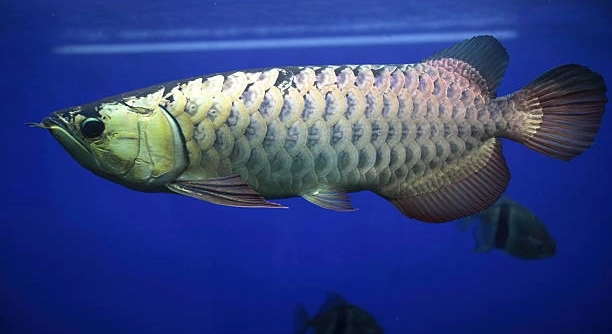
Arowanas are striking fish often admired for their beauty and elegance. Many owners notice their unique behavior and wonder how these fish show signs of connection or emotional response toward their caretakers.
Arowanas show affection primarily through consistent attention, gentle swimming near owners, and responsive interactions. These behaviors indicate comfort, trust, and recognition, reflecting the fish’s social awareness and emotional engagement within their environment, rather than simple instinctual reactions.
Observing these subtle cues can help owners better understand their fish’s needs and foster a more harmonious relationship in the tank.
Understanding Arowana Body Language
Arowanas use body language to communicate their feelings and intentions. They often swim close to the front of the tank, following movements with their eyes, which shows attention and curiosity. Gentle fin movements toward a hand or tapping lightly near the glass are also common. When they display relaxed, smooth swimming patterns without sudden darting, it indicates they feel safe and comfortable in their environment. Conversely, rapid or jerky movements may signal stress or discomfort, but consistent calm behavior often reflects trust and familiarity. Observing these patterns over time helps owners recognize when their fish are engaging positively. Feeding times can also reveal affection, as Arowanas often respond eagerly to familiar individuals who bring food. The way they position their bodies or linger in certain areas may seem subtle, but it reflects awareness and connection. These gestures are often repeated, showing preference and recognition toward specific people or routines.
Body language cues from Arowanas are a reliable indicator of their comfort and attention toward their caretaker.
Consistency in observing these behaviors allows owners to build a better understanding of the fish’s moods. Regular interaction, such as feeding and gentle presence at the tank, reinforces recognition. Over time, Arowanas may start swimming closer when someone approaches or following hands across the tank, which is a clear signal of comfort. Certain gestures, like slight head nods or gentle circling, often indicate engagement rather than random movement. Awareness of these patterns can guide care decisions and improve the overall tank environment, ensuring the fish remains content.
Physical Touch and Interaction
Arowanas rarely enjoy direct physical contact, but they respond to subtle interactions within the tank.
Light tapping on the tank or placing a hand near the glass may elicit curiosity and gentle swimming closer. Arowanas sometimes mirror movements or linger near the source of attention, demonstrating recognition. These behaviors suggest that interaction, even without touch, strengthens bonds and reassures the fish of a safe environment. Over time, they may become more confident in approaching areas associated with care and feeding.
Consistent, gentle interaction encourages trust and engagement from Arowanas. While they are not tactile in the traditional sense, they can display strong responses to regular presence and attention. Approaching the tank slowly, speaking softly, and maintaining predictable feeding routines all contribute to a sense of security. Owners often notice the fish following their movements, hovering near the front, or showing excitement during feeding time, which indicates comfort and acknowledgment. Environmental enrichment, such as floating plants or secure hiding spots, can also enhance the fish’s willingness to interact, as a well-structured tank reduces stress and supports natural behavior. Recognizing these signs helps in understanding the subtle ways Arowanas connect with their caretakers, emphasizing that attention and consistency are more impactful than direct touch.
Feeding Responses and Affection
Arowanas often show affection through their feeding behavior. They respond eagerly to familiar caretakers, swimming closer or following movements near the tank. Their excitement during feeding reflects trust and recognition of a safe interaction.
Regular feeding routines strengthen the bond between Arowanas and their owners. When the fish recognizes a consistent source of food, it begins to associate the caretaker with positive experiences. Some Arowanas will even anticipate feeding, hovering near the tank’s front or adjusting their position when a hand approaches. This behavior is not random; it reflects memory, attention, and comfort with the individual providing care. Feeding also allows observation of subtle gestures, like circling near the hand or fin flicks, which further indicate engagement and contentment.
Observation during feeding can reveal patterns unique to each fish. Certain Arowanas may prefer specific times or respond more actively to particular gestures. Over weeks, these patterns become predictable, showing consistency in recognition. Such behavior highlights the importance of interaction in a calm, structured environment. Maintaining regular feeding habits and observing responses can enhance understanding of the fish’s emotional state and help owners adjust care accordingly.
Environmental Comfort and Bonding
Arowanas display affection by seeking areas in the tank where they feel most secure. This includes calm corners, hiding spots, or spaces near familiar objects.
A well-structured tank encourages interaction and trust. Fish that feel safe in their environment often linger near the front or follow caretakers’ movements. When the tank offers both open swimming areas and secure hiding places, Arowanas can exhibit natural behaviors while showing engagement. Observing how they use these spaces can reveal preferences and comfort levels. Over time, a fish that consistently returns to specific areas during presence or interaction demonstrates recognition and attachment to the routines established by its caretaker.
Environmental stability supports both health and social interaction. Changes in water quality, lighting, or decoration can affect behavior, but consistent conditions allow the fish to feel secure and respond positively. Recognizing favorite spots and habits helps owners foster trust. Providing enrichment, like gentle currents or floating plants, encourages exploration while maintaining comfort. These adjustments make the tank inviting, allowing the fish to display curiosity and subtle signs of connection. Understanding environmental influence is key to nurturing affectionate responses and ensuring the fish’s overall well-being.
Vocalizations and Sounds
Arowanas make soft clicking or popping sounds, often during feeding or when exploring. These noises can indicate curiosity, excitement, or recognition of a familiar caretaker.
Such vocalizations are subtle but meaningful. They often occur in response to movement or attention, signaling engagement and alertness. Owners who notice these sounds can better understand the fish’s emotional state.
Following Movements
Arowanas frequently follow movements outside the tank, especially hands or objects that approach consistently. This behavior shows attentiveness and recognition. It reflects comfort with human presence and a willingness to engage without stress. Repeated observation helps identify patterns and preferred interactions, reinforcing the bond between owner and fish.
Resting Patterns
Arowanas display trust by resting near visible areas, often in open spaces without hiding. This behavior indicates they feel secure and comfortable with their surroundings, showing a form of subtle affection toward their environment and routine.
FAQ
How can I tell if my Arowana is showing affection?
Arowanas display affection in subtle ways, such as following your hand across the tank, hovering near familiar areas, and responding eagerly during feeding. They may also swim calmly in open spaces when you are nearby, showing trust and comfort rather than fear or stress.
Do Arowanas recognize their owners?
Yes, Arowanas can recognize consistent caretakers. They learn to associate specific people with food and safe interaction. Over time, they respond more actively to familiar faces, demonstrating memory and attention that reflect trust and recognition within their environment.
Can Arowanas form bonds with humans?
While Arowanas are not social in the same way mammals are, they do form recognition-based bonds. Regular interaction, gentle presence, and consistent routines help the fish feel comfortable. This bond is evident in attentive behaviors, curiosity, and responsive swimming.
Why does my Arowana follow my movements?
Following movements is a sign of awareness and engagement. It shows that the fish is attentive to its surroundings and has learned that certain actions, like approaching the tank, often result in food or interaction. This behavior reflects both curiosity and trust.
Are there signs my Arowana is stressed instead of affectionate?
Stress indicators include rapid or jerky swimming, hiding excessively, loss of appetite, and clamped fins. If the fish avoids interaction, it may feel unsafe. Observing body language alongside behavior patterns helps distinguish between stress and affection.
Does tank setup affect how my Arowana shows affection?
Absolutely. A well-structured tank with open swimming space, hiding spots, and stable conditions encourages comfort and natural behaviors. Environmental consistency allows the fish to feel secure, increasing the likelihood of responsive and attentive interactions with caretakers.
How often should I interact with my Arowana to build trust?
Consistent, gentle daily interaction is best. Feeding routines, calm presence near the tank, and observing behaviors without sudden movements all contribute to trust. Over time, the fish learns to recognize these patterns and responds more actively to your presence.
Do Arowanas like to be touched?
Direct touch is usually not recommended. They respond more to proximity, gestures, and predictable routines. Attempting physical contact can stress them, while gentle observation and interaction through the tank build trust safely.
Can Arowanas show excitement or happiness?
Yes, signs of excitement include increased swimming activity, circling near your hand, or heightened alertness during feeding. These behaviors reflect positive emotional engagement and a sense of comfort in their environment.
How can I encourage affectionate behavior in my Arowana?
Maintain regular feeding schedules, provide a stable environment, observe behavior closely, and interact calmly. Environmental enrichment like safe hiding spots and open swimming areas also promotes natural behavior, encouraging attentive and responsive interactions over time.
Is it normal for Arowanas to ignore me sometimes?
Yes, even affectionate Arowanas have independent moments. They may rest, explore, or hide. Consistent routines and calm observation allow them to engage on their terms, reflecting a balance between trust and natural behavior patterns.
Can Arowanas remember specific people or actions?
Yes, they have strong memory for routine interactions and can associate specific individuals with food or care. Repeated exposure to gentle, predictable interactions reinforces recognition and encourages responsive behaviors that resemble affection.
What is the difference between curiosity and affection in Arowanas?
Curiosity is often short-lived and exploratory, while affection manifests as repeated, attentive behaviors toward a specific individual or routine. Following movements, hovering near caretakers, and consistent response during feeding are signs that go beyond mere curiosity.
How long does it take for an Arowana to show affection?
Time varies by individual fish, tank conditions, and consistency of interaction. Some may show signs within weeks, while others take months to respond attentively. Patience and gentle, regular engagement are key to fostering recognition and trust.
Can multiple Arowanas show affection differently?
Yes, each fish has unique personality traits. One may follow your hand closely, while another may respond only during feeding. Observing individual behavior patterns helps understand how each Arowana expresses comfort and attention differently.
Does diet affect behavior toward humans?
A nutritious, consistent diet helps maintain energy and alertness, which impacts responsiveness. Hungry or stressed fish may be less attentive. Proper feeding routines strengthen recognition and encourage behaviors associated with trust and engagement.
Is it possible for an Arowana to feel lonely?
Arowanas are generally solitary but benefit from interaction and environmental enrichment. Lack of stimulation or consistent human presence may reduce active behaviors, but proper care, structured routines, and attention can maintain engagement and well-being.
How do I distinguish between playfulness and affection?
Playful behaviors include sudden bursts of movement or exploration. Affection is seen in repeated, consistent actions directed toward caretakers, such as following hands, hovering, or responding to feeding routines. Tracking these behaviors over time clarifies intent and emotional state.
Are Arowanas more affectionate at certain times of day?
Many respond more actively around feeding times or when the tank environment is calm. Observing daily patterns helps identify peak engagement periods and allows for predictable interactions that reinforce trust and comfort.
Can older Arowanas show more affection than younger ones?
Mature fish often display more consistent recognition due to memory and established routines. Younger Arowanas may be more exploratory and cautious, while older individuals show measured, attentive behaviors that reflect familiarity and trust.
Does tank size influence affectionate behavior?
Yes, adequate space allows natural swimming and exploration, making fish more comfortable. Cramped conditions can increase stress and reduce engagement, while a spacious, well-structured tank promotes consistent and observable signs of attention toward caretakers.
How do environmental changes affect bonding?
Sudden changes in water quality, lighting, or decorations can cause stress, reducing interaction and affectionate behaviors. Maintaining stable conditions supports confidence, safety, and attentive responses, reinforcing the subtle bonds Arowanas can form with humans.
Can Arowanas recognize other pets in the household?
Some may notice movements outside the tank, but interactions are usually cautious. Recognition is less about social bonding and more about awareness and reaction to consistent stimuli, which can include other household pets without forming emotional attachment.
What is the most reliable sign of an affectionate Arowana?
Consistent, attentive behavior toward a caretaker is the clearest sign. Following hands, hovering during feeding, calm swimming near visible areas, and repeated responses over time indicate recognition, trust, and comfort, showing that the fish is engaged and aware of your presence.
How important is patience in building a bond?
Patience is essential. Arowanas respond to gentle, predictable routines. Rushing interaction or forcing engagement can cause stress. Allowing time for trust to develop naturally ensures behaviors associated with recognition and attention are genuine, not accidental or fear-driven.
Can stress reverse affectionate behavior?
Yes, stressed fish may hide, avoid interaction, or reduce response during feeding. Maintaining stable conditions, observing behaviors, and addressing water quality or environmental issues promptly helps restore comfort and encourages the return of attentive, affectionate behaviors.
Is it normal for affectionate behavior to fluctuate?
Yes, factors like health, environment, feeding, and time of day can influence responsiveness. Temporary changes are natural, but consistent patterns over time indicate genuine recognition and trust. Monitoring these patterns helps owners understand normal versus concerning behavior.
Do Arowanas respond to voice or sound?
They may respond to soft, calm voices or repeated sounds, especially when associated with feeding. Repetition and predictability reinforce recognition, while sudden loud noises can cause stress, reducing interaction and attentive behaviors.
Can tankmates affect affection toward humans?
Aggressive or overly active tankmates may distract or stress Arowanas, reducing responsive behaviors. Solitary setups or compatible companions help maintain focus on caretakers, allowing natural signs of attention and engagement to be observed more clearly.
How does water temperature influence behavior?
Stable, appropriate water temperature supports energy levels and comfort. Sudden drops or rises can cause lethargy or stress, affecting interaction and engagement. Maintaining proper temperature ensures the fish can display attentive and consistent behaviors toward their caretaker.
Are there ways to encourage more active engagement?
Structured feeding routines, predictable presence, environmental enrichment, and gentle observation all promote activity. Over time, these practices encourage responsive swimming, hovering near hands, and attentive behavior, reflecting recognition and trust without forcing interaction.
How do I know if my Arowana is happy with me?
Repeated, calm engagement, recognition during feeding, curiosity about your presence, and relaxed swimming patterns all indicate satisfaction and comfort. Observing these behaviors consistently over weeks or months confirms the fish is attentive and at ease.
What subtle gestures show affection?
Circling near hands, following movement across the tank, lingering near favorite spots, and gentle fin flicks or head nudges are all subtle gestures. These behaviors reflect comfort, trust, and attention, even though they may not appear dramatic at first glance.
Is it possible for an Arowana to prefer one person over another?
Yes, fish may respond more actively to the individual who provides consistent care and feeding. Recognition builds through repeated, gentle interactions, showing that preference is based on familiarity, routine, and perceived safety.
Do Arowanas enjoy environmental enrichment?
Yes, items like floating plants, safe hiding spots, and gentle currents stimulate natural behaviors. Enrichment encourages exploration, attentiveness, and calm interaction, indirectly enhancing affectionate responses toward their caretakers.
Can affection improve the fish’s health?
While not a direct cure, attentive, stress-free environments encourage regular feeding, active swimming, and stable behavior patterns. Reduced stress and positive interactions support overall well-being, making affectionate responses a sign of a healthy, comfortable fish.
How long do affectionate behaviors last?
Behaviors are often consistent if routines and environment remain stable. Temporary disruptions may reduce responsiveness, but with predictable care, attentive actions can continue for years, reflecting long-term comfort and recognition.
Is it normal for some Arowanas to be less affectionate?
Yes, individual temperament varies. Some fish are naturally more cautious or independent. Respecting their personality while maintaining calm, consistent interaction allows for recognition and attention without forcing unnatural behavior.
Can affection be measured scientifically?
While not measurable like in mammals, repeated, consistent behavioral patterns toward caretakers serve as practical indicators. Observing proximity, responsiveness, and attentive gestures over time provides reliable evidence of recognition and comfort.
Do Arowanas remember previous owners?
They can remember individuals associated with care, food, or interaction. Moving to a new caretaker may initially reduce engagement, but predictable routines and calm interaction help rebuild trust and recognition over time.
How do I encourage shy Arowanas to show affection?
Patience, gentle presence, predictable feeding routines, and minimal sudden movements help shy fish gain confidence. Gradual observation and interaction allow them to engage at their own pace, reflecting comfort and attention without stress.
Can affectionate behavior indicate intelligence?
Yes, recognition, memory of routines, and responsive behaviors show learning ability and awareness. These traits allow Arowanas to adapt, remember caretakers, and interact attentively, highlighting cognitive capacity beyond instinctual reactions.
Do affectionate behaviors differ between male and female Arowanas?
Differences are subtle and often more individual than gender-based. Both males and females can display attentive, responsive behaviors. Personality and prior experiences usually play a larger role in how recognition and affection are shown.
How can I track my Arowana’s affectionate behaviors?
Maintaining a simple observation log of feeding responses, movement patterns, and attention to presence over weeks helps identify trends. Noting consistent behaviors allows owners to understand preferences, comfort levels, and indicators of recognition.
Is affection in Arowanas purely instinctual?
No, repeated recognition of caretakers and routines shows learning and memory. While some actions may be instinct-driven, consistent, attentive responses demonstrate awareness and comfort, distinguishing affection from purely reflexive behavior.
Can water changes affect affectionate behavior?
Yes, sudden or infrequent changes can cause stress, temporarily reducing responsiveness. Gradual, consistent maintenance helps maintain comfort, allowing the fish to continue showing attentive behaviors and trust toward caretakers.
Are there signs of long-term attachment?
Long-term attachment is evident when a fish consistently recognizes and responds to a specific caretaker over months or years. Repeated swimming near hands, attentive hovering, and engagement during feeding reflect sustained trust and comfort.
Do Arowanas ever “ignore” affection on purpose?
Not intentionally. If they avoid interaction, it usually relates to stress, discomfort, or independent behavior. Observing over time distinguishes temporary avoidance from consistent lack of engagement, helping owners respond appropriately.
Can affection improve tank harmony?
Yes, a comfortable, attentive fish is less likely to exhibit stress behaviors or aggression. Recognizing and responding to subtle engagement cues helps maintain a calm environment, benefiting both the fish and its caretaker.
What is the most common mistake owners make regarding affection?
The main mistake is expecting overt displays or direct interaction. Affection in Arowanas is subtle, relying on consistent presence, observation, and routines. Misinterpreting stress or curiosity as affection can lead to frustration or improper care.
How can I ensure my Arowana remains comfortable and responsive?
Maintain stable water conditions, provide a spacious tank, follow predictable feeding schedules, observe behaviors consistently, and interact calmly. Environmental enrichment and gentle presence support natural behaviors, encouraging attentive, responsive actions that reflect trust and comfort over time.
Are there tools to help monitor affectionate behavior?
Simple observation logs, video recording, or noting daily routines can track engagement patterns. These tools help identify trends, preferences, and responsiveness, offering insight into comfort levels and the subtle ways Arowanas show attention and recognition.
Can affectionate behaviors indicate readiness to breed?
Sometimes. Increased activity, attention to tank areas, and heightened response to caretakers may coincide with reproductive behavior. However, these signs are more related to environmental comfort and engagement than guaranteed breeding readiness.
Do affectionate behaviors change with aging?
Older Arowanas often display more predictable patterns of recognition and attention. Energy levels may decrease, but consistent routines allow them to continue showing trust and subtle engagement, reflecting long-term comfort and memory.
Is it normal for affectionate behaviors to be more pronounced in certain tank conditions?
Yes, calm lighting, stable water quality, and minimal disturbance encourage attentive behaviors. Comfortable conditions allow the fish to explore, observe, and respond consistently to caretakers without stress or distraction.
How long does it take for Arowanas to adjust to a new tank and show affection?
Adjustment can take weeks to months. Patience, stable conditions, and gentle interaction help the fish acclimate. Once comfortable, attentive behaviors like following hands and hovering near familiar areas become more frequent.
Can affectionate behavior be lost over time?
Yes, if the environment becomes stressful or routines change drastically, behaviors may diminish. Restoring consistent care, predictable interaction, and stable conditions usually helps reestablish attentive and responsive behaviors.
Do tank lighting and noise affect affectionate behavior?
Bright or fluctuating lights and loud noises can cause stress, reducing interaction. Consistent, moderate lighting and minimal sudden noise support calm, attentive behaviors and help maintain recognition and trust toward caretakers.
Can affectionate behaviors be encouraged in older fish?
Yes, even older Arowanas respond to gentle presence, structured routines, and environmental enrichment. While energy levels may be lower, consistency allows the fish to engage and show subtle signs of recognition and comfort over time.
Are there risks in misinterpreting Arowana behavior as affection?
Yes, misreading stress, curiosity, or hunting behavior as affection can lead to improper handling or expectations. Careful observation over time is necessary to distinguish true recognition and attention from temporary reactions.
Can diet changes affect affection levels?
Sudden dietary changes may cause stress or reduced responsiveness. Maintaining consistent, nutritious feeding schedules supports energy, engagement, and attentive behaviors, indirectly reinforcing comfort and recognition.
Do Arowanas ever show affection to multiple people equally?
Some may, depending on consistency and interaction patterns. Fish often respond more actively to individuals who provide regular care, but attentiveness can extend to others with predictable routines and calm presence.
What role does tank enrichment play in fostering affection?
Enrichment supports natural behavior and exploration, creating a comfortable environment. Engaged fish are more likely to show recognition and attention toward caretakers, demonstrating subtle but consistent affectionate behaviors over time.
Can observing affectionate behavior improve care routines?
Yes, noticing responses helps adjust feeding schedules, interaction times, and environmental conditions. Understanding the fish’s comfort and preferences ensures better health, engagement, and trust between caretaker and Arowana.
Are certain Arowana species more responsive than others?
Responsiveness varies by individual more than species. Some fish naturally display attentive behaviors, while others are more cautious. Observing personality traits and patterns is more important than assuming species determines affectionate behavior.
How do I maintain long-term engagement with my Arowana?
Consistency, calm interaction, structured feeding, environmental enrichment, and attentive observation are key. These practices reinforce recognition and trust, ensuring ongoing responsive behaviors and a strong, subtle bond between fish and caretaker.
Can affectionate behavior predict overall well-being?
Yes, attentive, calm, and responsive behaviors generally indicate comfort, trust, and health. A fish that shows consistent recognition is likely thriving in its environment, while diminished responsiveness may signal stress or environmental issues.
Do Arowanas ever show jealousy or preference toward certain interactions?
While not emotional in a human sense, they may respond more actively to the person providing food or predictable attention. This reflects recognition and preference rather than complex emotion.
Can repeated positive interaction increase lifespan?
Indirectly, yes. Stress-free, engaging environments support feeding, activity, and overall health. Fish that are comfortable and attentive tend to thrive better, which can positively impact longevity.
Are affectionate behaviors consistent across all times of day?
No, activity levels fluctuate. Peak responses often occur around feeding or when the environment is calm. Observing daily patterns helps predict times of engagement and interaction.
Do tank size or water flow impact affectionate behavior?
Yes, sufficient space and gentle water flow encourage natural swimming and attentive behaviors. Constrained conditions may reduce engagement and responsiveness, while appropriate tank setup supports comfort and recognition.
Is it possible to measure affection scientifically in Arowanas?
Direct measurement is difficult, but repeated attentive behaviors, recognition patterns, and consistent interaction responses provide reliable indicators of trust, comfort, and engagement over time.
How do I balance observation with minimal stress?
Observe quietly, avoid sudden movements, and maintain calm routines. Gentle presence without forcing interaction allows the fish to display attentive behaviors naturally while minimizing stress.
Do affectionate behaviors vary with tankmates present?
Yes, aggressive or overly active companions can distract or stress the fish, reducing attention toward caretakers. Compatible or solitary setups encourage observable recognition and subtle engagement.
Can affectionate behaviors indicate intelligence?
Yes, memory, recognition, and response to routines reflect learning and awareness. Attentive behaviors demonstrate the fish’s ability to
Final Thoughts
Arowanas are fascinating fish that show attention and recognition in ways that may not be immediately obvious. Unlike mammals, their behaviors are subtle, relying on body language, swimming patterns, and interactions during feeding to communicate comfort and trust. Observing these signals carefully over time allows owners to understand their fish’s emotional state and preferences. Simple gestures, like following a hand across the tank, lingering near familiar areas, or responding eagerly during feeding, indicate a level of recognition that reflects both memory and comfort. These behaviors are not random but represent the fish’s awareness of its surroundings and the people who provide consistent care. Over weeks and months, repeated observations reveal patterns that show which interactions are most meaningful to the fish. Recognizing and responding to these patterns helps create a calmer, more comfortable environment for the Arowana, reducing stress and promoting natural behaviors. Understanding the subtleties of Arowana behavior is essential for creating a strong connection with them.
Affection in Arowanas is often linked to routine and environmental stability. They thrive in tanks where conditions remain consistent, including water quality, temperature, and lighting. Sudden changes can cause stress, which may temporarily reduce attentive behaviors. Providing a well-structured environment with both open swimming spaces and secure hiding spots allows the fish to feel safe while exploring its tank. Environmental enrichment, such as floating plants or gentle water flow, can encourage natural behavior, which makes the fish more likely to engage with its caretaker. Consistent feeding routines and calm presence near the tank also help reinforce recognition. Over time, these factors combine to create a pattern of subtle, consistent behaviors that reflect trust and comfort. The way an Arowana responds to a familiar person is a combination of memory, learned behavior, and instinct, making the bond unique and highly individual. By maintaining a stable, enriching environment, owners can encourage positive, attentive interactions that support the fish’s overall health and well-being.
Patience and observation are key to fostering a positive relationship with Arowanas. These fish may take weeks or even months to show clear signs of recognition and engagement, and each individual has its own personality. Some may follow movements more actively, while others respond primarily during feeding or when comfortable in a favorite area of the tank. Understanding these differences allows owners to tailor interactions to the fish’s preferences, making engagement more meaningful and less stressful. It is also important to recognize that affection is not about physical contact but about consistency, trust, and attention. Regular observation, gentle interaction, and maintaining a predictable environment are the best ways to support these behaviors. By paying attention to the small cues and respecting the fish’s space, owners can create a rewarding relationship that benefits both the Arowana and themselves. Over time, these subtle but meaningful signs of comfort and recognition highlight the intelligence, awareness, and unique personality of these beautiful fish.

Hello,
If you enjoy the content that we create, please consider saying a "Thank You!" by leaving a tip.
Every little bit helps us continue crafting quality advice that supports the health, happiness, and well-being of pets around the world, for pets of all shapes, sizes, and species.
We really appreciate the kindness and support that you show us!