
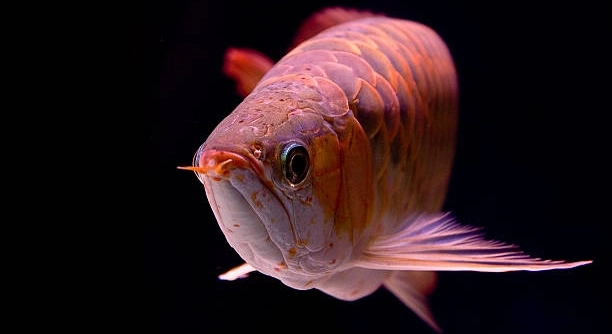
Have you ever wondered how your arowana reacts when other animals move around your home, noticing small changes that unfold in its environment even when it appears calm in its vibrant aquarium world each day.
Arowana can sense the presence of other pets through subtle vibrations, chemical cues, and shifts in movement within their surroundings, allowing them to respond with heightened alertness. These sensitivities reflect their natural instincts, helping them maintain awareness in shared household.
These natural responses shape how your arowana behaves, creating subtle interactions that influence its daily comfort and sense of security.
How Arowana Detects Other Pets
When I watch my arowana move with slow confidence, I notice how easily it reacts to even the smallest shifts around the room, especially when other pets pass by. Its awareness comes from natural instincts shaped by life in complex habitats, where every vibration or scent can signal change. In a home setting, these instincts remain active, guiding how it responds to shared spaces. Vibrations from footsteps, the faint scent of fur, or the movement of shadows can influence the way it swims or positions itself. Because of this sensitivity, my arowana often adjusts its behavior, sometimes becoming more alert or taking a brief pause to observe its surroundings. These reactions are not signs of stress but rather signs that it is processing information that feels meaningful. Understanding these patterns helps me support its comfort, ensuring that its environment remains steady, predictable, and gentle while other pets move freely nearby.
These small behaviors show how strongly an arowana responds to activity around it, creating moments where its instincts guide its movements in calm and steady ways. Paying attention to these details makes it easier to maintain a balanced atmosphere that supports both your arowana and your other pets at home.
Knowing how your arowana senses what happens around it helps you make thoughtful adjustments that keep it comfortable each day. Soft lighting, steady tank placement, and stable routines reduce needless disruptions, allowing your fish to stay relaxed even when other pets wander nearby. I find that giving my arowana a clear retreat area, such as a quiet corner with plants, makes a noticeable difference in its behavior. It can observe without feeling overwhelmed. Small steps like limiting sudden noise or fast movement around the tank help maintain a peaceful atmosphere. These choices support harmony in its space each passing day.
How Other Pets Influence Arowana Behavior
Other pets can influence your arowana through noise, scent, and movement that filter through the room and into the aquarium. These signals create subtle shifts in behavior that reveal how strongly your fish reacts to its surroundings, making it important to recognize these patterns early in your daily home routines.
Creating a stable environment for your arowana requires awareness of how other pets move and interact within your home. Dogs, cats, and small animals often produce vibrations and scents that travel farther than you might notice, reaching the aquarium in steady waves. Your arowana processes these changes with natural caution, and its reactions can become more noticeable when activity increases. To help maintain balance, I keep the aquarium in a calm corner where movement stays predictable. Soft lighting, slow traffic, and minimized sudden noise allow my arowana to remain settled. Providing visual barriers, like plants or decor, gives it space to retreat when other pets come close. I also avoid placing the tank near busy walkways so my arowana does not become over stimulated by constant motion. Regular observation makes it easier to adjust the surroundings when needed. If another pet becomes too active around the aquarium, redirecting their path or offering an alternative engagement helps reduce tension. These thoughtful steps maintain a peaceful setting where your arowana can thrive without constant disturbance. A steady routine and gentle household flow support your fish’s comfort, giving it the stability it depends on to stay healthy and confident each day each moment.
Managing Arowana Reactions at Home
Arowana responses to other pets often appear as slight shifts in swimming patterns or short pauses near the surface. These movements show how strongly it interprets activity around it, making it helpful to observe these signs and adjust the environment when needed to maintain a steady, calm atmosphere.
Keeping your arowana settled involves organizing the space around its tank with care. I try to limit sudden noise, fast movement, or frequent activity near the aquarium, since these can create unnecessary tension. Soft lighting, stable room placement, and predictable routines help reduce external signals that may overwhelm your fish. Providing visual cover, such as plants or tall decor pieces, gives it a peaceful area to retreat to whenever other pets move nearby. These small decisions make daily life smoother for your arowana, allowing it to respond naturally without feeling overstimulated by constant activity.
Another helpful step is monitoring how your other pets behave near the aquarium. Cats and dogs may become curious, causing your arowana to feel uncertain when they linger or stare at the tank for too long. Redirecting their attention, offering distractions, or guiding them away from the aquarium helps keep interactions manageable. I also avoid placing the tank close to areas where pets frequently gather, since consistent traffic can raise your arowana’s alertness. Creating this separation encourages a calm household flow, supporting its comfort during everyday routines.
Reducing Stress Caused by Other Pets
Stress reduction starts with recognizing early signals, such as sudden darting, hiding, or extended stillness near the bottom. These behaviors mean your arowana is processing too much activity at once, making it important to adjust surroundings before these reactions become long-term concerns that affect its comfort and stability.
One of the most effective ways to reduce stress is by keeping the tank environment predictable. I maintain steady lighting, quiet placement, and minimal disruption during busy hours of the day. If other pets tend to wander near the aquarium, creating distance or using subtle barriers can shield your fish from constant movement or staring. Adding floating plants or tall decorations gives your arowana protection while still letting it observe its surroundings safely. I also make sure feeding times remain consistent, as routine helps reinforce security. Watching these patterns helps you make gentle adjustments that support a peaceful space where your arowana can remain calm even when other pets are active nearby.
xxxxxxxxxxxxxxxxxxx
Monitoring the way your arowana reacts to movement around the room helps you understand its comfort level with other pets. Small changes in swimming speed, posture, or position can show when it feels alert. These patterns guide you in creating a steadier environment for your fish each day at home.
Keeping other pets at a distance when they become too curious prevents your arowana from feeling overwhelmed by constant attention. I try to redirect my pets gently when they stay near the tank for too long. This small step maintains a calm space that supports steady behavior each single day.
xxxxxxxxxxxxxxxxxxx
Creating a balanced household for your arowana starts with understanding how daily activity shapes its mood. I place the aquarium where traffic stays predictable, letting my fish settle without sudden noise or fast movement. Using plants and decor offers visual comfort, giving it places to rest when other pets pass nearby. When I notice increased alertness, I adjust lighting or reduce activity around the tank to restore calm. These steady routines lower tension and help your arowana feel secure. Paying attention to these simple details ensures the environment remains supportive throughout the day for your fish in every quiet moment.
xxxxxxxxxxxxxxxxxxx
Small adjustments in your home can make a noticeable difference in your arowana’s comfort when other pets stay active. I keep lighting soft and avoid sudden noise near the tank, making routine household movement easier for my fish to process without becoming tense or overly alert at any time daily.
FAQ
Can arowanas recognize individual pets in the home?
Arowanas cannot recognize individual pets the way mammals do, but they can register consistent patterns like movement, scent, and presence. Over time, my arowana becomes less reactive when it senses the same pets passing by each day. This steady exposure helps reduce alertness because the signals feel familiar. While it does not identify pets personally, it learns the rhythm of the household and responds with calmer behavior when those patterns remain predictable. Keeping routines steady helps your arowana feel more secure as it adjusts to the presence of other pets that share its environment.
Do arowanas become stressed when pets stare at the tank?
Yes, staring can make an arowana uncomfortable. When a pet stays too close or watches the tank for long periods, my arowana becomes more alert and sometimes swims faster or pauses near the bottom. These signs show that the attention feels intense. Redirecting your pet gently or creating a small barrier helps reduce direct eye contact. This simple adjustment eases tension for your arowana and encourages it to return to steady, relaxed behavior. Managing these moments keeps the room peaceful and supports a calmer tank environment.
Can loud pets affect an arowana’s behavior?
Loud pets can influence your arowana through vibration and noise. Sudden barking or energetic movement can travel through the floor and walls, reaching the aquarium and causing the fish to react. I try to soften these effects by keeping the tank in a quieter part of the home where noise stays manageable. Using plants or decor inside the tank adds comfort by giving the fish places to pause and recover. Over time, consistent calm surroundings help reduce sensitivity even when noise occasionally rises during busy moments.
Is it safe for an arowana to share a room with active pets?
It can be safe as long as the environment stays controlled. Active pets moving near the aquarium can make your arowana more alert, but steady routines and limited direct interaction help maintain balance. I avoid placing the tank where pets run or play often. Instead, I choose a corner where movement flows gently. This keeps the fish from becoming overwhelmed while allowing pets to live their normal routines. With careful placement and simple adjustments, both can share the room comfortably without creating constant stress.
Should I cover part of the tank when pets are nearby?
Covering part of the tank can help when pets become too curious or energetic. A partial cover, tall plants, or decor pieces create a softer visual shield. I use these tools when one of my pets becomes overly interested in the aquarium. These additions let the arowana observe safely while feeling less exposed. This approach also helps maintain a calm setting during times when activity in the room increases.
Do arowanas adapt over time to living with other pets?
Most arowanas adapt well when the environment stays predictable. With steady routines, soft lighting, and simple barriers, my arowana becomes more confident in shared spaces. It learns the patterns of other pets and reacts less intensely as days pass. This adaptation depends on supporting the fish through consistent care and avoiding sudden disturbances. Gradual exposure to regular household activity helps your arowana stay calmer each day, creating a smoother adjustment to a home where pets move in and out of its surroundings.
Does tank placement affect how arowanas react to pets?
Tank placement plays a major role in your arowana’s comfort. Choosing a quiet corner away from busy walkways reduces tension. I always keep the tank away from doors, play areas, or spaces where pets gather often. This setup limits constant movement that might overwhelm the fish. Adding soft lighting and maintaining steady routines strengthens the sense of stability. These choices make your arowana feel more secure even when other pets live in the same home.
Can I help my arowana feel safer around energetic pets?
You can help by keeping household flow predictable and making sure pets do not linger too close to the aquarium. I guide my pets gently when they approach the tank, helping maintain calm. Adding plants, adjusting lighting, and placing the tank in a steady area all contribute to comfort. With these small steps, your arowana can stay relaxed even when other pets stay active nearby.
Final Thoughts
Living with an arowana while sharing your home with other pets takes steady attention, simple adjustments, and a calm approach to daily routines. I have learned that this fish responds to the smallest shifts around the room, making it important to create surroundings that feel predictable each day. Soft lighting, gentle movement, and thoughtful tank placement help shape the environment in a way that keeps your arowana relaxed even when other pets move freely in nearby spaces. Observing how it behaves at different times gives you a clear sense of what makes it comfortable. When your arowana shows signs of alertness or unease, small changes often make a meaningful difference, helping you support its well being in a natural, steady manner. These efforts do not require complicated steps, only a gentle awareness of how sounds, movement, and placement influence its daily rhythm.
Staying mindful of how other pets behave around the aquarium is equally important. Pets that linger nearby, watch the tank closely, or pass by with repeated energy may create moments of tension for your arowana. I try to keep other pets engaged in different areas of the house during busy parts of the day, allowing the aquarium to remain a quiet, stable space. When activity increases, adding simple visual barriers like tall plants or decorative pieces inside the tank gives your arowana a safe place to pause. These adjustments support its sense of security and reduce unnecessary stress. Creating this balance does not require strict separation. Instead, it means keeping interactions gentle and predictable. Over time, your arowana becomes more accustomed to the presence of other pets, responding with softer movements and fewer signs of alertness. This shows that small, consistent decisions help your fish feel settled even when the household stays active.
Maintaining these steady habits builds a comfortable environment where your arowana can thrive. Predictability helps it feel safe, and thoughtful routines strengthen its ability to adjust to shared living spaces. I try to watch for subtle changes in swimming, posture, or energy, because these signs show how the fish processes its surroundings. When I notice shifts in behavior, I respond by softening activity around the tank or redirecting pets who become too curious. These gentle steps support harmony and stability in your home. As your arowana continues to settle into its environment, you will see how small decisions shape its comfort. Each day becomes smoother when you maintain these patterns, giving your fish the peace it needs to stay healthy, confident, and calm while living alongside the other pets in your home.

Hello,
If you enjoy the content that we create, please consider saying a "Thank You!" by leaving a tip.
Every little bit helps us continue crafting quality advice that supports the health, happiness, and well-being of pets around the world, for pets of all shapes, sizes, and species.
We really appreciate the kindness and support that you show us!