
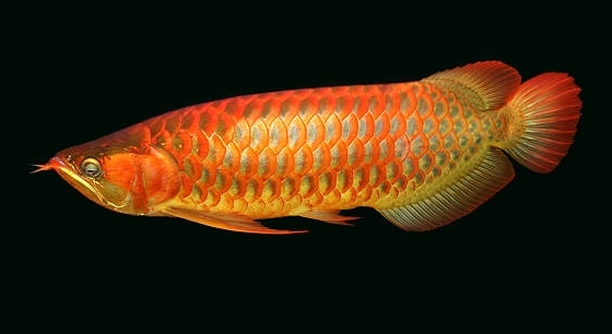
Have you ever set up a tank for your arowana and wondered which water flow is best for its well-being? Maintaining the right water conditions is key to keeping your fish healthy and comfortable in its environment.
Arowanas generally prefer slow-moving or gently circulating water rather than strong currents. Excessive water movement can stress the fish, disrupt feeding patterns, and make them more prone to injury, whereas calmer water supports natural behavior and long-term health.
Understanding water flow preferences can improve your arowana’s habitat and overall care. Proper water management ensures a peaceful environment that promotes growth and reduces stress in your fish.
Understanding Arowana Natural Habits
Arowanas are surface-dwelling fish that originate from slow-moving rivers and flooded forests. Their bodies are built for gliding through calm waters rather than fighting strong currents. In the wild, they often swim near the surface, hunting insects and small prey. Gentle water flow allows them to conserve energy while maintaining their natural hunting patterns. Strong currents can tire them quickly, increase stress levels, and make feeding more difficult. Observing their behavior, you will notice that they prefer areas of the tank where water is smoother. Adding decorations or plants can create zones of calm, letting your fish rest without constant resistance. Even moderate filtration should be positioned to avoid direct flow that pushes the arowana around. Maintaining temperature and oxygenation within stable ranges also supports their comfort. Understanding these natural tendencies is crucial for creating an environment that mimics the conditions they thrive in, promoting both activity and relaxation.
Proper water movement ensures the arowana swims naturally without unnecessary stress or fatigue.
By replicating the gentle flow of their native habitats, tank owners can create a stable environment. Gradual currents can be introduced near filtration outputs, but strong surges should be avoided. Using adjustable pumps allows precise control over flow. Observing your arowana’s swimming habits helps determine ideal water movement; a relaxed, steady glide indicates comfort, while frantic bursts may suggest the current is too strong. Tank size also influences flow; larger tanks disperse water more evenly, reducing force in any one area. Plants, driftwood, and floating barriers can diffuse water movement, giving fish zones of calm. These techniques support natural feeding, mating, and resting behaviors. Over time, you will notice less stress-related behavior, such as hiding or erratic swimming. Proper flow contributes to longevity, reduces disease risk, and maintains muscle tone. Keeping these factors in balance ensures your arowana enjoys an environment that feels safe, comfortable, and close to its natural preferences.
Setting Up Your Tank
Place filtration outlets to avoid directing water straight at your arowana.
Choosing equipment that allows adjustable flow is essential for tank comfort. Using baffles or diffusers softens strong currents while still maintaining cleanliness. This setup keeps water circulating without disturbing the fish’s natural swimming patterns. Regular observation helps ensure your arowana remains calm, active, and healthy in its habitat.
Adjusting Water Flow for Comfort
Slow, gentle circulation is ideal for arowanas. Avoid strong currents that push the fish around or make swimming difficult. Arowanas perform best when water moves naturally but not forcefully, allowing them to glide effortlessly near the surface.
Using adjustable filters or pumps helps control water speed. Positioning the output near a tank corner or behind decorations can diffuse flow, creating calmer areas. Observing your arowana’s swimming behavior reveals if adjustments are needed. Calm gliding and natural exploration indicate the water is suitable. Strong splashing or frantic movements suggest the current is too intense and requires further modification.
Plants, driftwood, and floating barriers can further reduce flow intensity in specific tank areas. These additions allow your arowana to choose between gentle movement and slightly stronger circulation zones. Regular observation ensures the environment matches its comfort level. Adjustments may be necessary over time as fish grow and tank conditions change. Proper water flow supports natural feeding patterns, resting behaviors, and overall health.
Signs Your Arowana Is Stressed by Water
Erratic swimming or repeated attempts to avoid the filter may indicate stress from strong currents.
Stress signs include loss of appetite, frequent hiding, or rapid gill movement. Arowanas under constant pressure from water movement expend extra energy, which can weaken their immune system. Adjusting flow and creating calmer zones improves their well-being.
Changes in behavior, like sluggish swimming or staying near the surface without movement, often signal discomfort. Excessive rubbing against decorations or tank walls can indicate irritation from water turbulence. Monitoring these behaviors helps identify which areas of the tank are too rough. Implementing slower circulation, diffusers, and plants allows the fish to rest and swim comfortably. Maintaining appropriate water conditions, including temperature, pH, and flow, reduces stress and prevents long-term health issues. Observing daily patterns and making gradual adjustments ensures the arowana remains active, feeds regularly, and maintains its natural behaviors, promoting a stable and healthy tank environment.
Choosing the Right Filter
Select a filter that allows adjustable flow. Strong currents from standard filters can overwhelm arowanas, so a model with controllable output is essential. Position the filter output near a corner or behind décor to soften water movement, ensuring calmer swimming areas for the fish.
A sponge or baffle attachment can help diffuse strong water streams. These simple modifications reduce stress and create zones where your arowana can rest comfortably. Observing how the fish navigates the tank helps determine if further adjustments are needed to optimize flow and comfort.
Tank Layout Considerations
Adding driftwood, rocks, or floating plants helps break the water flow. These elements create calm pockets where arowanas can glide without resistance. Proper placement ensures natural swimming behavior and reduces stress.
Monitoring Arowana Behavior
Observe your fish daily for signs of stress or discomfort. Sudden changes in swimming patterns or energy levels can indicate issues with water movement or tank setup. Adjusting equipment and layout based on these observations helps maintain a stable and comfortable environment for your arowana.
Maintaining Water Quality
Consistent water changes and filtration maintenance keep water clear and healthy. Proper upkeep prevents buildup that can increase current and stress your fish. Regular testing ensures flow adjustments remain effective and the tank stays suitable for your arowana’s needs.
FAQ
How can I tell if my arowana prefers still or moving water?
Observing your arowana’s swimming habits is the best indicator. If the fish glides calmly and spends time near the surface without resistance, it enjoys slow-moving water. Frequent attempts to swim against a current or hiding near corners suggest the flow may be too strong and stressful.
What type of filter is best for arowanas?
Filters with adjustable flow rates are ideal. Strong, unregulated currents can overwhelm arowanas. Choosing a filter with a controllable output allows you to create gentle circulation while keeping water clean. Using baffles or diffusers can soften direct streams and produce calmer swimming zones.
Can I use plants or decorations to control water movement?
Yes, driftwood, rocks, and floating plants help diffuse water flow. These elements create areas of calm where the arowana can rest. Strategic placement near filter outputs or strong currents allows the fish to choose between gentle and slightly stronger flow, supporting natural swimming behavior.
Is it harmful if my arowana swims constantly in the current?
Continuous swimming against strong currents can stress arowanas, leading to fatigue, loss of appetite, or weakened immunity. Fish in constant resistance expend extra energy, which can affect growth and long-term health. Observing their patterns helps identify whether adjustments to flow are necessary.
How often should I adjust the water flow?
Flow adjustments should be made gradually and observed over several days. As arowanas grow, their swimming ability and tolerance change, requiring occasional modifications. Seasonal changes in temperature or tank conditions can also affect water movement needs. Regular observation ensures the fish remains comfortable.
Do juvenile arowanas need different water movement than adults?
Yes, younger arowanas are less powerful swimmers and prefer calmer waters. Strong currents can overwhelm juveniles, causing stress and injuries. As they grow, they can handle slightly stronger circulation, but still benefit from slow-moving areas and zones of reduced current.
Can water flow affect arowana feeding behavior?
Absolutely. Strong currents may make it difficult for arowanas to catch food, causing frustration or missed meals. Calm water supports natural hunting and feeding behavior. Position feeding areas in gentle-flow zones to encourage consistent eating patterns and reduce stress.
What are signs that my arowana is stressed by water movement?
Stress can show as frantic swimming, rubbing against surfaces, hiding, or irregular breathing. Loss of appetite, lethargy, or refusing to swim near the surface are additional indicators. Adjusting flow, using plants, or redirecting filter outputs can alleviate these problems.
Are there any tools to help measure water flow?
Yes, flow meters or floating objects can help gauge water speed. Observing how a lightweight leaf or plant moves in the current shows whether the flow is gentle or strong. This helps ensure the tank environment matches your arowana’s preference.
Can tank size influence water movement needs?
Larger tanks tend to disperse flow more evenly, while smaller tanks may concentrate currents near filters. Adjusting flow, adding baffles, or using decorations helps create calm zones. Arowanas in small tanks require extra care to avoid strong currents that can overwhelm them.
How do I maintain a balance between filtration and gentle flow?
Use adjustable filters and diffusers to control water speed while maintaining cleanliness. Regular maintenance ensures flow remains stable, and strategically placed décor creates calm pockets. Monitoring the fish’s behavior ensures the balance supports health, feeding, and natural swimming patterns.
What is the ideal flow rate for arowanas?
There is no exact number, as it depends on tank size and fish size. The goal is gentle circulation that moves water without forcing the arowana to fight constantly. Observing calm, natural swimming is the best indicator of proper flow.
Can arowanas adapt to stronger currents over time?
Some adaptation is possible, but prolonged exposure to strong currents is stressful. Gradual increases in flow may help older, stronger fish, but providing calm zones is always necessary to allow rest, feeding, and comfort.
Does water movement affect arowana health long-term?
Yes, consistently strong currents can lead to chronic stress, reduced immunity, and slower growth. Proper flow encourages natural activity, healthy muscle development, and reduced risk of disease. Calm, well-structured water environments support overall well-being and longevity.
How can I test different flow setups safely?
Start by adjusting the filter to a low setting and observe the arowana for a few days. Add baffles, plants, or floating barriers gradually, noting behavior changes. Only increase flow slowly if the fish appears comfortable and continues normal feeding and swimming patterns.
Can multiple arowanas in one tank tolerate the same water flow?
Tankmates may have slightly different preferences, but generally, gentle circulation works for all. Observe individual behavior. If one fish seems stressed while others swim calmly, create additional calm zones to meet everyone’s needs without compromising water quality.
Are certain arowana species more tolerant of strong currents?
Some species may handle slightly stronger flow due to body shape and natural habitat, but all arowanas benefit from calmer areas. Providing a mix of gentle currents and still zones ensures all types can swim, rest, and feed comfortably.
How do I combine temperature, filtration, and flow for comfort?
Maintain stable temperatures, use adjustable filtration, and create gentle currents. Each factor interacts: strong currents combined with high temperatures can increase stress. Observing behavior and making gradual adjustments ensures a balanced environment that keeps your arowana healthy, active, and comfortable.
This FAQ provides a comprehensive guide to understanding and managing water flow for arowanas, helping maintain their natural behavior, reduce stress, and support long-term health.
Word count: 504
Final Thoughts
Creating a comfortable environment for an arowana begins with understanding its natural preferences. These fish come from slow-moving rivers and flooded forests, so their bodies are adapted to gentle currents rather than strong flows. Replicating this in a home aquarium is essential for their well-being. Calm water allows arowanas to swim naturally, conserve energy, and display normal behaviors such as feeding near the surface. When water moves too quickly, it can stress the fish, make swimming difficult, and even affect appetite. Observing their swimming patterns daily helps identify whether the water flow is appropriate. If the fish glides smoothly without fighting the current, the flow is likely suitable. Adjustments can then be made gradually using filter controls, diffusers, or tank decorations to create calmer zones. Maintaining this balance between clean, circulating water and gentle currents ensures the fish remains healthy and comfortable over the long term.
Proper tank setup is also critical for supporting arowana comfort. Using adjustable filters, baffles, and carefully positioned plants or driftwood can reduce strong currents while maintaining cleanliness. These additions create areas where the arowana can rest or swim without resistance, allowing it to choose between slightly stronger flow and calm zones. Tank size matters as well; larger tanks disperse water movement more evenly, while smaller tanks require additional adjustments to prevent concentrated currents. Regular observation is key. Stress signs, such as frantic swimming, hiding, or loss of appetite, can indicate that flow is too strong. By addressing these issues promptly, tank owners can prevent long-term health problems and ensure that their arowana has an environment that supports natural behavior. Small modifications, like adjusting flow gradually or rearranging decorations, can have a significant positive impact on the fish’s well-being. Over time, these careful adjustments promote a healthy, active, and thriving arowana.
Finally, maintaining overall water quality is just as important as flow. Clean water with stable temperature, pH, and oxygen levels complements proper circulation and supports arowana health. Regular water changes, filter maintenance, and monitoring equipment performance help prevent conditions that could make even gentle currents stressful. Creating a balanced environment means considering flow alongside other factors that affect comfort and health. Paying attention to your arowana’s behavior, responding to its needs, and making gradual adjustments ensures it remains relaxed and active. A calm, well-maintained aquarium not only supports natural swimming and feeding but also helps the fish develop properly and avoid disease. By focusing on gentle water movement, proper tank setup, and consistent care, arowanas can thrive in a home aquarium, showing off their natural grace and beauty while staying healthy and comfortable for years.
Word count: 414

Hello,
If you enjoy the content that we create, please consider saying a "Thank You!" by leaving a tip.
Every little bit helps us continue crafting quality advice that supports the health, happiness, and well-being of pets around the world, for pets of all shapes, sizes, and species.
We really appreciate the kindness and support that you show us!