
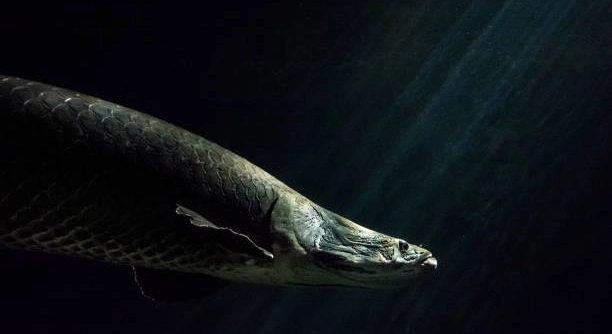
Are your Arowana showing signs of slow growth or lackluster colors despite your care? Observing their feeding habits closely can make a significant difference in their overall health and activity levels. Consistent feeding patterns are essential.
Arowana thrive when provided with structured feeding schedules that match their natural dietary needs. Incorporating variety, appropriate portion sizes, and timely intervals ensures optimal growth, vibrant coloration, and reduced stress, supporting their overall well-being in a controlled aquatic environment.
Understanding these feeding patterns will help maintain your Arowana’s health and energy. The right approach can make a lasting difference in their vitality and growth.
Understanding Natural Feeding Instincts
Arowana are predatory fish that rely on instinct to find their food. Observing how they react to movement and timing can guide effective feeding routines. In the wild, they hunt insects, small fish, and crustaceans, so replicating this environment in captivity supports their growth and mental stimulation. Sudden changes in diet can cause stress, so gradual introduction of new foods is important. They are more active during certain periods of the day, and feeding during these times ensures better consumption and digestion. Proper feeding also prevents leftover food from polluting the tank, which can impact water quality and the fish’s health. Understanding these instincts allows you to create a feeding pattern that aligns with their natural behavior while keeping them healthy and vibrant. Consistency is key, and observing their reactions helps fine-tune both portion size and feeding frequency.
Feeding should always match their activity level and natural hunting times for best results.
Maintaining a balance of live, frozen, and prepared foods encourages varied nutrition. Small, frequent feedings prevent overfeeding and mimic natural conditions. Avoid excessive protein from a single source, which can stress the digestive system. Regular monitoring of behavior, appetite, and body condition will indicate whether adjustments are needed. Tanks with multiple Arowana require careful observation to ensure each fish gets adequate food. Combining this approach with water quality management ensures long-term health and vitality. Structured feeding improves their color, energy, and overall well-being, creating a thriving environment.
Structured Feeding Schedules
Establishing a regular feeding routine helps Arowana recognize meal times and reduces stress. Feeding at consistent times encourages appetite and proper digestion.
A fixed schedule balances nutrition with energy demands, preventing overeating or underfeeding.
Daily meal planning involves dividing the total feed into multiple portions. For juveniles, more frequent meals support rapid growth, while adults do well with fewer, larger feedings. Morning and evening feedings align with their natural activity cycles. Portion control ensures food is consumed fully, reducing waste and maintaining water quality. Observing their behavior during feeding times helps determine whether adjustments are necessary. Proper schedules prevent erratic feeding, which can lead to aggression or dominance issues in shared tanks. Consistency also helps in tracking health changes, such as growth rate or signs of nutritional deficiencies. Over time, structured feeding fosters predictable patterns, improving overall health and making tank maintenance easier. Incorporating variety into scheduled feedings keeps their diet balanced and supports their natural hunting instincts.
Portion Control and Monitoring
Overfeeding can lead to poor water quality and health issues. Measuring portions ensures each Arowana receives the right amount without leftover waste.
Portion control is vital for maintaining a healthy tank and healthy fish. Juvenile Arowana need smaller, more frequent meals to support growth, while adults thrive on fewer, larger feedings. Observing how much they consume helps adjust portions accurately. Uneaten food should be removed promptly to prevent water contamination. Consistent monitoring also allows you to track growth, appetite, and overall condition, making adjustments as needed. Over time, portion management becomes second nature, promoting a healthier, cleaner environment for your Arowana.
Maintaining proper portions reduces obesity, digestive issues, and stress. Regularly adjusting based on size, activity, and appetite keeps your fish thriving. Careful observation ensures no fish is left hungry while avoiding excess waste.
Variety in Diet
A diverse diet provides essential nutrients that a single food source cannot supply. Incorporating live, frozen, and prepared foods maintains health.
Offering a mix of protein sources such as shrimp, insects, and high-quality pellets supports growth, coloration, and immunity. Live foods stimulate natural hunting instincts, while frozen options provide convenience and consistency. Prepared pellets are fortified with vitamins and minerals to cover dietary gaps. Rotating food types prevents boredom and ensures a balanced intake of nutrients, reducing the risk of deficiencies. Monitoring their response to each food type helps identify preferences and potential sensitivities, allowing for better planning and customization of meals. Variety is key to sustaining vibrant, healthy Arowana over time.
Feeding Frequency
Juvenile Arowana benefit from feeding three to four times daily to support rapid growth. Adults require only one or two feedings, depending on size and activity level.
Adjusting frequency based on age and metabolism ensures proper digestion and energy. Overfeeding can stress fish, while underfeeding slows growth and weakens immunity.
Observing Feeding Behavior
Watching how your Arowana respond to food reveals health and appetite. Sudden disinterest may indicate illness or stress.
Regular observation helps identify potential issues early, allowing for timely adjustments in diet or tank conditions to maintain optimal health.
Avoiding Overfeeding
Providing more food than necessary can pollute the tank and harm digestion. Limiting portions keeps water clean.
Seasonal Adjustments
Arowana feeding needs change with water temperature and season. Warmer water increases metabolism, requiring slightly more frequent feeding.
FAQ
How often should I feed my Arowana?
Juvenile Arowana require three to four feedings daily to support growth, while adults do well with one or two feedings. Feeding schedules should match their activity level, and portions should be adjusted based on appetite and size. Observing their behavior helps fine-tune the routine.
What types of food are best for Arowana?
Arowana thrive on a varied diet. Live foods such as small fish, insects, and shrimp encourage natural hunting instincts. Frozen foods provide convenience, and prepared pellets supply essential vitamins and minerals. Rotating foods ensures balanced nutrition and prevents boredom. Avoid relying on a single food source.
How do I prevent overfeeding?
Measure portions carefully and feed only what your Arowana can consume in a few minutes. Remove any uneaten food promptly to avoid water contamination. Overfeeding can cause digestive problems, obesity, and water quality issues, so careful observation is essential.
Can Arowana eat pellets exclusively?
While pellets provide important nutrients, relying on them alone is not ideal. Incorporating live and frozen foods improves health, coloration, and natural behavior. Pellets should complement the diet, not replace other food types. Variety is key for long-term well-being.
How do I know if my Arowana is hungry or stressed?
Active swimming and alertness at feeding time usually indicate hunger. Refusing food, lethargy, or erratic swimming can signal stress, illness, or unsuitable water conditions. Monitoring these behaviors helps you adjust feeding routines and tank management to maintain health.
How much should I feed at each meal?
Feed portions small enough that the fish can finish within a few minutes. Juveniles need smaller, frequent meals, while adults consume larger, less frequent portions. Consistent monitoring ensures each fish receives adequate nutrition without overfeeding or leaving excess food in the tank.
Do feeding patterns change with seasons?
Yes, water temperature affects metabolism. Warmer water increases activity and appetite, so slightly larger or more frequent feedings may be necessary. Cooler water slows digestion, requiring smaller or less frequent meals. Adjust feeding schedules accordingly to match seasonal changes.
Are there signs of nutritional deficiencies?
Pale coloration, slow growth, or weak fins can indicate a lack of proper nutrients. Rotating food types and incorporating supplements when necessary helps prevent deficiencies. Regular observation of appearance and behavior ensures dietary needs are met.
Should I feed Arowana at night or during the day?
Arowana are more active during specific periods of the day. Feeding during these times ensures better appetite and digestion. Consistency in timing helps establish predictable feeding patterns, reducing stress and supporting overall health.
How do I manage feeding in a tank with multiple Arowana?
Monitor each fish to ensure all individuals receive adequate food. Aggressive or dominant fish may outcompete others. Distribute food evenly and consider using feeding tools to target shy or smaller fish. Observing interactions helps prevent nutritional imbalance and maintains harmony in the tank.
What role does water quality play in feeding?
Clean water is essential for digestion and overall health. Uneaten food can pollute the tank, leading to stress and illness. Proper filtration, timely water changes, and careful portioning are critical to maintaining a healthy environment and supporting optimal feeding.
Can Arowana skip a meal?
Occasionally, adult Arowana can skip a meal without harm, especially if water temperature is lower. However, consistent irregular feeding can lead to stress and reduced growth. Observing behavior and adjusting routines helps maintain a stable feeding pattern and healthy fish.
How do I introduce new foods?
Introduce new foods gradually to avoid digestive upset. Start with small amounts mixed with familiar food. Observe how your Arowana reacts and adjust portions accordingly. Patience during this process ensures successful integration of varied foods into their diet.
Is live food necessary for Arowana?
Live food is not strictly necessary but is highly beneficial. It stimulates natural hunting behavior, provides mental stimulation, and encourages physical activity. Combining live, frozen, and prepared foods ensures balanced nutrition and overall well-being.
What are the signs of overfeeding?
Signs include leftover food in the tank, bloated stomachs, lethargy, and poor water quality. Regularly monitoring portions, removing uneaten food, and observing behavior helps prevent these issues, ensuring a healthy environment and thriving Arowana.
How do feeding patterns affect coloration?
A varied, nutrient-rich diet directly impacts color vibrancy. Foods high in protein and carotenoids enhance red, gold, and silver tones. Consistent feeding schedules combined with proper nutrition maintain brightness and overall appearance over time.
Can I use supplements?
Supplements can be added to enhance nutrition, particularly vitamins and minerals not supplied by regular food. Use them sparingly and according to guidelines to avoid over-supplementation, which can cause health issues. They are most useful for enhancing growth, immunity, and coloration.
How do I adjust feeding for growing Arowana?
Increase portions and frequency gradually as the fish grows. Juveniles require more frequent feedings, while adults need larger but fewer meals. Adjustments should be based on activity level, appetite, and overall health to ensure consistent growth without overfeeding.
What is the best way to monitor feeding success?
Observe how quickly food is consumed, watch for leftover particles, and track growth and coloration. Healthy, active Arowana with good body condition indicate effective feeding patterns. Adjust portion size, frequency, and food types as needed based on these observations.
How long can Arowana go without food in emergencies?
Adults can survive several days without food, especially in cooler water, but prolonged fasting can weaken immunity and slow growth. Juveniles should not be left unfed for extended periods. Emergency feeding plans should be in place to maintain health during unexpected situations.
How important is consistency in feeding times?
Consistency helps regulate appetite, digestion, and reduces stress. Predictable feeding patterns also make it easier to monitor health changes and growth. Irregular feeding can lead to aggression, uneven nutrition, and digestive problems. Regular schedules promote a stable, thriving environment.
Can feeding mistakes be corrected?
Yes, adjusting portions, frequency, and food types can restore health over time. Immediate removal of uneaten food and water quality maintenance helps reverse minor mistakes. Observing behavior and condition ensures recovery and continued growth without long-term issues.
How do I prevent aggression during feeding?
Distribute food evenly and feed all areas of the tank. Use tools to direct food toward less dominant fish. Observing interactions and separating highly aggressive individuals if necessary prevents stress and ensures balanced nutrition for all fish.
What is the role of water temperature in digestion?
Water temperature influences metabolism. Warmer water speeds digestion, requiring slightly larger or more frequent feedings. Cooler water slows metabolism, so meals should be smaller and less frequent. Maintaining consistent temperature supports proper digestion and overall health.
How do I store Arowana food properly?
Keep pellets, frozen, and live foods in appropriate conditions. Pellets should be stored in a cool, dry place, frozen foods kept at proper temperatures, and live foods maintained in clean water. Proper storage preserves nutritional value and prevents spoilage.
How long can frozen foods be kept?
Frozen foods can last several months if stored at consistent low temperatures. Thaw only the portion needed for feeding and avoid refreezing, which reduces nutritional quality. Proper rotation of stock ensures freshness and safe consumption.
What adjustments are needed for breeding Arowana?
Breeding adults require increased protein intake and slightly higher feeding frequency to support reproductive health. Providing high-quality live or frozen foods ensures energy for spawning and nurturing fry. Observation of appetite and condition helps fine-tune feeding during this period.
How do I recognize a balanced diet?
A balanced diet includes varied protein sources, vitamins, and minerals. Healthy Arowana display vibrant colors, consistent growth, and active behavior. Regularly monitoring intake, adjusting food types, and rotating options maintains nutritional balance over time.
Can Arowana survive on just live food?
While live food supports hunting behavior, relying solely on it may lead to nutritional gaps. Combining live, frozen, and prepared foods ensures complete nutrition and long-term health. Variation also prevents boredom and encourages natural activity.
What is the best approach for feeding young Arowana?
Feed small, frequent meals to support rapid growth and high energy needs. Introduce a variety of foods gradually and monitor intake closely. Proper feeding during early stages establishes healthy growth patterns and strengthens immune function.
How do I handle picky eaters?
Offer small amounts of different foods and observe responses. Mixing new foods with familiar favorites encourages acceptance. Patience and gradual introduction help integrate variety into their diet while maintaining nutrition and appetite.
How important is hygiene during feeding?
Maintaining cleanliness prevents disease and promotes proper digestion. Remove uneaten food promptly, clean feeding tools, and monitor water quality. Good hygiene supports health and reduces stress during feeding.
Can overfeeding affect lifespan?
Yes, chronic overfeeding can lead to obesity, digestive issues, and poor water quality, all of which shorten lifespan. Balanced portions, regular monitoring, and consistent schedules help ensure longevity and optimal health.
How can I encourage slow eaters?
Separate them during feeding or use feeding tools to target specific fish. Offering preferred foods in small portions encourages consumption without competition. Observing responses helps ensure each fish receives proper nutrition consistently.
How does tank size impact feeding?
Larger tanks allow more space for multiple fish to feed without competition. Smaller tanks require careful portioning and observation to prevent overfeeding and aggression. Adequate space ensures all fish can access food comfortably and reduces stress.
Is it okay to fast Arowana occasionally?
Occasional fasting, particularly for adults, can help regulate metabolism and digestion. Avoid extended periods without food, especially for juveniles, as it may impair growth and immune function. Fasting should be occasional and intentional, not due to neglect.
What is the impact of feeding time on aggression?
Feeding at consistent times reduces competition and stress. Irregular or rushed feeding can trigger aggression as fish compete for food. Structured timing ensures calm, orderly feeding and better nutrition distribution.
How do I deal with leftover food?
Remove uneaten food immediately to prevent water contamination. Use nets or siphons as needed. Regular cleaning reduces waste, maintains water quality, and ensures a healthy environment for your Arowana.
Can dietary changes improve coloration?
Yes, introducing foods rich in protein and carotenoids enhances red, gold, and silver hues. Consistent feeding of varied, nutrient-dense foods over time helps maintain bright and healthy coloration.
Are there risks in feeding only frozen or live food?
Relying exclusively on one type may lead to nutrient imbalances. Combining live, frozen, and prepared foods ensures complete nutrition, supports growth, and maintains overall health. Rotation also prevents boredom and encourages natural feeding behavior.
What is the best method for introducing supplements?
Add supplements gradually, mixed with regular food, and follow recommended guidelines. Avoid over-supplementing, which can cause health issues. Observing fish response ensures safe and effective integration into their diet.
How does feeding influence stress levels?
Regular, predictable feeding reduces anxiety and competition. Overfeeding, underfeeding, or irregular schedules can cause stress, impacting immunity and behavior. Structured routines create a stable environment, supporting overall health and activity.
How can I adjust feeding for slow-growing fish?
Increase high-protein foods slightly and ensure they receive meals away from more aggressive tank mates. Monitor progress and adjust portions or frequency to encourage healthy growth without overfeeding.
What is the best approach for group tanks?
Feed evenly across the tank and monitor each fish’s intake. Consider separating highly dominant fish if needed. Proper observation and distribution prevent aggression, nutritional gaps, and ensure all Arowana thrive.
Can Arowana tolerate skipping a meal?
Adults may handle occasional missed meals without harm, but juveniles require consistent feeding. Avoid skipping regularly, as it can reduce growth and weaken immunity. Monitor behavior and adjust routines to maintain health.
How do I know if feeding adjustments are needed?
Observe growth rate, color vibrancy, appetite, and behavior. Changes in activity, aggression, or digestion signal adjustments in portion size, frequency, or food type. Regular monitoring ensures feeding supports overall well-being.
How do I prevent nutritional imbalances?
Rotate food types, include high-quality pellets, live and frozen options, and observe growth and health. Supplement as necessary to maintain a complete diet. Balance prevents deficiencies and supports long-term vitality.
What is the role of enrichment during feeding?
Providing live foods or varied textures encourages natural hunting and mental stimulation. This reduces boredom and stress, keeping Arowana active, alert, and healthier overall.
Can feeding mistakes be reversed?
Yes, correcting portion size, frequency, and food variety quickly can restore health. Prompt removal of uneaten food and water maintenance aids recovery. Observing fish ensures adjustments are effective and supports continued growth.
What tools can assist in feeding?
Tweezers, feeding rings, or target feeders help distribute food precisely, reduce competition, and reach shy or slow-eating fish. These tools support controlled, efficient, and safe feeding practices.
How do I track feeding success over time?
Maintain records of portions, food types, and fish responses. Note growth, coloration, and appetite changes. Tracking helps identify trends, adjust routines, and ensure long-term health.
How can I encourage natural behavior while feeding?
Provide live or moving foods and vary feeding locations in the tank. This stimulates hunting instincts and keeps Arowana active, promoting physical and mental well-being.
Can improper feeding affect tank mates?
Yes, unequal food distribution can cause stress or malnutrition in other fish. Careful monitoring and portioning ensure all inhabitants receive adequate nutrition and maintain harmony.
How important is water quality after feeding?
Water quality is critical. Uneaten food can increase ammonia and nitrate levels, stressing fish. Prompt cleaning and proper filtration protect digestion, immunity, and overall tank health.
What is the best approach for long-term feeding consistency?
Establish a structured schedule, rotate foods, monitor portions, and adjust as needed. Observing behavior, growth, and health ensures feeding routines remain effective over time. Consistency fosters thriving, vibrant Arowana.
How can feeding support immune health?
A balanced diet with high-quality proteins, vitamins, and minerals strengthens immunity. Rotating foods and providing supplements when necessary helps resist disease and recover from stress.
Can feeding patterns influence reproductive health?
Yes, high-quality, protein-rich foods and consistent feeding support energy and vitality needed for spawning and nurturing fry. Observing appetite and body condition guides proper dietary adjustments.
How do I integrate frozen and live foods effectively?
Offer live food to stimulate activity, followed by frozen items for convenience, and supplement with pellets. This combination ensures balanced nutrition while maintaining natural hunting instincts.
How often should I reassess feeding routines?
Reassess periodically based on growth, health, water quality, and seasonal changes. Regular evaluation ensures feeding patterns remain appropriate and supports optimal well-being for all Arowana.
What are common mistakes in Arowana feeding?
Overfeeding, irregular schedules, lack of variety, ignoring leftovers, and poor portion control are frequent issues. Correcting these mistakes improves health, growth, and tank stability.
Can feeding influence behavior outside meal times?
Yes, consistent routines and proper portions reduce aggression, stress, and competition, leading to calmer, more predictable behavior throughout the day.
How do I know if my feeding strategy is effective?
Healthy coloration, steady growth, active behavior, and minimal leftover food indicate successful feeding. Adjust routines as needed based on observations and results.
What is the role of observation in feeding management?
Monitoring appetite, behavior, and food consumption allows timely adjustments, prevents overfeeding, and ensures optimal nutrition. Observation is key to maintaining a thriving tank environment.
How does tank environment impact feeding?
Proper space, clean water, and minimal competition make feeding more efficient. Stress-free conditions encourage better appetite, digestion, and growth.
Can dietary mistakes affect long-term health?
Yes, prolonged overfeeding, nutrient imbalances, or irregular feeding can cause digestive issues, stunted growth, or reduced lifespan. Correcting routines promptly supports recovery.
How do I maintain variety without overcomplicating feeding?
Rotate foods systematically, offer small portions of different types, and maintain consistent schedules. This ensures balanced nutrition while keeping feeding manageable.
What is the importance of gradual diet changes?
Sudden changes can cause stress or digestive problems. Gradually introducing new foods allows adaptation, maintaining appetite, health, and nutritional balance.
Can feeding tools prevent dominance issues?
Yes, tools like feeding rings or tweezers help distribute food evenly, allowing shy or slow-eating fish to access meals and reducing aggression in dominant individuals.
How does age affect feeding patterns?
Younger Arowana require frequent, smaller meals, while adults need larger but less frequent portions. Adjusting feeding according to age supports growth, digestion, and overall health.
What is the impact of stress on feeding?
Stressed Arowana may refuse food, eat too quickly, or become aggressive. Maintaining proper schedules, water quality, and observation helps reduce stress and ensures consistent feeding.
How can I encourage reluctant eaters?
Offer preferred foods, reduce competition, or feed separately. Gradually introducing new items helps reluctant fish accept varied diets while maintaining proper nutrition.
What are signs of over-supplementation?
Digestive upset, unusual behavior, or nutrient excess indicate over-supplementation. Follow guidelines carefully to avoid health complications while enhancing nutrition.
How do feeding habits influence tank maintenance?
Proper feeding reduces waste, keeps water quality stable, and minimizes cleaning frequency. Balanced portions and observation contribute to a healthy environment for all tank inhabitants.
Can feeding frequency impact aggression in group tanks?
Yes, predictable, evenly distributed feedings reduce competition and stress. Inconsistent schedules may increase dominance behaviors, harming less aggressive fish. Proper management fosters harmony.
What is the best approach for feeding multiple species with Arowana?
Consider each species’ dietary needs, feeding habits, and aggression levels. Distribute food to ensure all receive proper nutrition and monitor interactions to prevent competition or stress.
How does feeding influence digestion efficiency?
Regular, appropriately sized meals support proper digestion and nutrient absorption. Overfeeding or irregular feeding can lead to bloating, constipation, or poor nutrient utilization.
Can feeding patterns impact growth rate?
Yes, frequent, well-portioned meals with varied nutrients promote steady, healthy growth. Inadequate or inconsistent feeding can slow development and affect overall vitality.
What tools help track feeding effectiveness?
Records of portions, food types, consumption, and fish behavior help monitor success. Observation and tracking allow timely adjustments for optimal nutrition and health.
How do I manage feeding when traveling or away?
Arrange automated feeders or trusted care. Provide clear instructions on
Feeding Arowana properly is essential for their growth, health, and overall well-being. Understanding their natural instincts and behaviors helps create a feeding routine that meets their needs while maintaining a clean, safe tank environment. Structured schedules, portion control, and variety in food all play a role in keeping Arowana thriving. Observing how they respond to different types of food and adjusting portions accordingly ensures that each fish receives the nutrition it needs. Overfeeding can lead to health issues and poor water quality, while underfeeding can slow growth and weaken immunity. By carefully monitoring their behavior and appetite, you can make small adjustments that have a big impact on their overall condition. Consistency in feeding routines not only supports physical health but also reduces stress, which is crucial for maintaining vibrant coloration and energy levels.
A balanced diet is critical to prevent deficiencies and support long-term health. Providing a mix of live, frozen, and prepared foods ensures that Arowana receive essential proteins, vitamins, and minerals. Live foods stimulate natural hunting instincts and encourage mental and physical activity, while frozen foods are convenient and consistent, and pellets supply supplemental nutrients that may be missing from other sources. Rotating food types prevents boredom and keeps the fish engaged with their meals. Juvenile Arowana require smaller, more frequent meals to support rapid growth, whereas adults benefit from fewer, larger feedings. Feeding patterns may also need seasonal adjustments, as water temperature influences metabolism and appetite. Careful observation allows for timely changes to feeding schedules, ensuring that each fish thrives regardless of environmental changes. Maintaining water quality alongside proper feeding routines is also essential, as uneaten food can quickly degrade the tank environment, impacting health and digestion.
Long-term care of Arowana involves observing, adjusting, and responding to their feeding needs with patience and attention. Structured feeding patterns, variety in diet, and proper portion control help maintain growth, coloration, and vitality. Observing behavior and appetite allows you to identify potential issues early, such as stress, illness, or nutritional gaps. Addressing these issues promptly helps prevent long-term health problems and ensures that your fish maintain optimal energy and activity levels. Feeding is not just about providing food but about supporting the overall environment and well-being of your Arowana. With careful planning, consistent routines, and attention to each fish’s behavior and health, you can create a thriving tank where Arowana grow strong, remain active, and display their natural beauty. Proper feeding contributes significantly to their quality of life and helps you maintain a stable, healthy aquatic environment for years to come.

Hello,
If you enjoy the content that we create, please consider saying a "Thank You!" by leaving a tip.
Every little bit helps us continue crafting quality advice that supports the health, happiness, and well-being of pets around the world, for pets of all shapes, sizes, and species.
We really appreciate the kindness and support that you show us!