
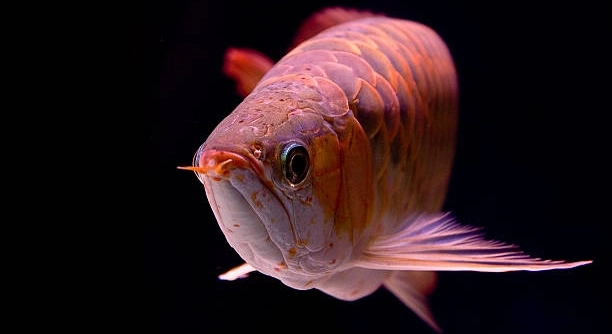
Do you ever notice your arowana snapping at the water surface, making little splashes as it swims gracefully in its tank? Watching this behavior can be surprising, especially if your fish usually seems calm and content.
Arowanas often bite the water surface due to hunger, stress, or environmental factors. Insufficient feeding, poor water quality, or lack of stimulation can trigger this behavior, as the fish attempts to interact with its surroundings or seek food instinctively.
Observing these actions closely can help you identify underlying causes and create a healthier, more comfortable environment for your arowana to thrive.
Common Reasons Arowanas Bite the Water Surface
Arowanas biting the water surface is often linked to their natural instincts and environment. Hunger is a primary factor, especially if feeding schedules are inconsistent. Even when fed, some arowanas still snap at the surface because they are opportunistic feeders, scanning for potential food. Water quality also plays a role. Poor filtration or high ammonia levels can make fish restless and trigger surface biting. Environmental enrichment matters too. A bare tank with little stimulation may lead to boredom, prompting your arowana to explore the surface repeatedly. Lighting and tank setup can influence this behavior as well. Bright lights or reflections can cause sudden movements that mimic prey, leading your fish to strike. Observing when the behavior occurs can help determine the exact cause. Often, a combination of factors is at play, and making small adjustments in feeding, tank environment, and water maintenance can reduce surface biting over time.
Surface biting can also occur if your arowana feels stressed.
Biting the water surface is often a response to multiple factors interacting together. Hunger, water quality, and tank setup all influence this instinctive behavior. Addressing these elements with careful observation and routine maintenance can reduce stress and promote healthier, calmer behavior in your arowana.
How to Reduce Surface Biting
Adjusting your feeding routine is a simple way to reduce this behavior.
Consistency in feeding is essential. Arowanas thrive on a regular schedule, so feeding at the same times daily helps them anticipate food and reduces frantic surface snapping. The type of food matters too. Live or floating foods can mimic natural hunting, keeping the fish engaged, but avoid overfeeding, which can harm water quality. Tank conditions are equally important. Clean water, proper filtration, and stable temperature reduce stress and restlessness. Adding enrichment, like floating logs or decorations, gives the fish outlets to explore. Observation is key. Watching when and how your arowana bites the surface helps identify triggers, whether it’s feeding time, reflections, or sudden disturbances. Sometimes small changes, like dimming lights or rearranging decorations, can make a significant difference. Combining proper feeding, environmental care, and stimulation ensures a calmer fish, allowing you to enjoy arowana behavior without the constant surface snapping. Regular adjustments keep the fish healthy and more relaxed.
Feeding Habits and Surface Biting
Surface biting often happens when arowanas are expecting food. If meals are skipped or irregular, the fish instinctively search for anything that might be edible at the top of the tank, leading to repeated snapping at the water surface.
The type of food you offer can also influence this behavior. Arowanas are naturally carnivorous and enjoy live or floating foods that encourage hunting instincts. Feeding pellets alone may not satisfy this need, causing the fish to look for movement at the surface. Gradually introducing variety and keeping a consistent schedule helps reduce surface biting. Observing your fish during feeding times can show if hunger is a major factor.
Even when well-fed, boredom or lack of stimulation can make an arowana bite the water surface. Adding decorations, floating plants, or safe tank items encourages exploration. This reduces stress and provides mental engagement, lessening repetitive surface snapping.
Tank Environment and Water Quality
Arowanas are sensitive to water quality and tank conditions. Poor filtration or uneven temperatures can make them restless, increasing surface biting and erratic movements. Regular monitoring is essential to maintain balance and comfort.
Water parameters like ammonia, nitrite, and pH levels directly affect behavior. High ammonia or nitrites cause stress, making your arowana more likely to snap at the surface. A stable temperature and clean water reduce agitation. Tank layout also matters. Open spaces without hiding spots can increase surface activity. Providing enrichment, including floating plants and subtle décor, mimics natural habitats. Frequent observation helps identify triggers and allows small adjustments to improve comfort. Maintaining these conditions consistently keeps your arowana calmer and healthier.
Stress and Behavior
Stress can make arowanas bite the water surface more frequently. Changes in the tank, loud noises, or sudden movements nearby can trigger this instinctive response.
Even minor disturbances, like reflections on the glass or tapping on the tank, can make your arowana react. Reducing these factors helps calm the fish.
Tank Size and Space
Arowanas need ample space to swim freely. Small or overcrowded tanks can increase frustration, causing more surface biting. Providing a long, open tank allows natural movement and reduces stress. Ensuring the tank meets minimum size requirements for your arowana species is essential for overall well-being and calmer behavior.
Observation and Adjustment
Watching your arowana regularly helps identify patterns. Surface biting may increase during feeding, after water changes, or when other disturbances occur.
FAQ
Why does my arowana keep biting the water surface even after feeding?
Even after feeding, arowanas may bite the surface due to instinct, boredom, or stress. Some fish continue to hunt for movement or floating objects, while others respond to reflections, lighting changes, or vibrations outside the tank. Ensuring proper enrichment and reducing stressors helps minimize this behavior.
Can poor water quality cause surface biting?
Yes. High ammonia, nitrites, or unstable pH levels can stress arowanas, making them restless and prone to surface biting. Regular water testing, partial water changes, and maintaining proper filtration are essential to keep your fish comfortable and reduce these repetitive actions.
Does tank size affect surface biting?
Absolutely. Arowanas need plenty of space to swim. Small or overcrowded tanks restrict movement and cause frustration, leading to increased surface snapping. Providing a long, open tank appropriate for your arowana’s size allows natural swimming and reduces stress-related behaviors.
Will changing the diet help reduce surface biting?
Yes. Offering a variety of foods, including live or floating options, satisfies natural hunting instincts and keeps your arowana engaged. Feeding only pellets can leave the fish searching for movement at the surface. A consistent schedule also helps prevent food-driven snapping.
Is surface biting harmful to my arowana?
Usually, surface biting isn’t directly harmful, but it can indicate stress, hunger, or poor tank conditions. Repeated snapping may cause minor injury or fatigue over time if the fish is constantly active. Addressing triggers ensures your arowana remains healthy and calm.
Can reflections or tank decorations trigger surface biting?
Yes. Reflections, bright lights, or sudden shadows can mimic prey or disturbance, prompting surface biting. Rearranging décor, adding floating plants, and reducing direct light on the tank can reduce this behavior by making the environment more stable and comfortable.
How can I tell if surface biting is stress-related?
Signs of stress include rapid swimming, hiding, loss of appetite, or color changes, alongside surface biting. Monitoring patterns and tank conditions helps identify stress triggers. Reducing disturbances, maintaining clean water, and providing enrichment can calm your arowana.
Does water temperature influence surface biting?
Yes. Arowanas prefer stable, warm water within their species-specific range. Sudden fluctuations can make them restless, leading to increased surface activity. Using a reliable heater, thermometer, and monitoring temperature daily ensures a stable environment that reduces stress-driven behaviors.
Will adding plants or decorations help?
Adding enrichment provides mental stimulation and hiding spots, helping prevent boredom-induced surface biting. Floating plants, driftwood, or safe décor allow exploration, reduce stress, and make the tank more natural. Observing which items your arowana interacts with helps maintain a comfortable, engaging habitat.
How long does it take to reduce surface biting?
The time varies based on cause and adjustments. With consistent feeding, stable water conditions, proper tank size, and enrichment, surface biting can decrease within a few weeks. Patience and observation are key, as fish gradually adapt to improved conditions and reduced stress.
Can I ignore surface biting if my arowana seems healthy?
While occasional surface biting may be normal, frequent snapping signals underlying issues. Ignoring it risks stress, injuries, or health problems. Identifying and addressing environmental, dietary, or behavioral triggers ensures your arowana stays healthy and calmer over time.
Is there a difference between young and adult arowanas in surface biting?
Younger arowanas are often more active and curious, leading to frequent surface snapping. Adults may bite less if their environment and feeding meet their needs. Observing age-related behavior helps determine whether actions are normal or stress-driven.
Can companions or tankmates affect surface biting?
Yes. Aggressive or overly active tankmates can increase stress, causing your arowana to snap at the surface. Maintaining appropriate tankmate choices and observing interactions reduces stress-related behaviors and promotes a calmer environment.
Are there any medical reasons for surface biting?
Rarely, illness or parasites can make arowanas restless, leading to unusual behaviors like surface biting. If accompanied by lethargy, discoloration, or loss of appetite, consulting a veterinarian or experienced aquarist is recommended to rule out health issues.
How important is lighting in controlling surface biting?
Lighting influences fish behavior significantly. Bright or flickering lights can create reflections or shadows, triggering surface snapping. Using soft, consistent lighting and avoiding sudden changes helps maintain a calm, stable environment that discourages unnecessary surface biting.
Can I use floating feeders to reduce surface biting?
Yes. Floating feeders mimic natural hunting and satisfy the arowana’s instinct to strike at the surface in a controlled way. This provides enrichment, reduces frustration, and channels energy positively without constant random snapping.
Does tank location matter for surface biting?
Yes. Tanks near heavy foot traffic, loud noises, or vibrations can make arowanas nervous and trigger surface biting. Choosing a quiet, stable location and minimizing external disturbances helps maintain calm behavior and reduces repetitive snapping.
Are there behavioral training techniques for surface biting?
Consistent routines, controlled feeding, and enrichment can gradually train arowanas to reduce unnecessary surface biting. Positive reinforcement, such as rewarding calmer behavior with food, helps them adapt to predictable patterns while lowering stress and frustration.
How do I know if surface biting is normal or excessive?
Occasional surface biting is normal, but persistent snapping, especially outside feeding times or in clean, calm tanks, indicates stress, boredom, or environmental issues. Monitoring frequency, patterns, and accompanying behavior helps determine whether action is needed.
Can seasonal changes affect surface biting?
Yes. Seasonal temperature or light variations can impact water conditions and fish behavior. Sudden changes may increase restlessness, leading to more surface biting. Monitoring seasonal shifts and adjusting tank conditions helps maintain stability and reduces unnecessary snapping.
What daily practices help prevent surface biting?
Consistent feeding, clean water, stable temperature, adequate space, and enrichment are key. Observing behavior daily allows early detection of stress or triggers. Small, consistent adjustments create a calm environment that reduces surface biting and supports overall health.
Is surface biting more common in certain arowana species?
Some species, especially more aggressive or active types, may show surface biting more frequently due to hunting instincts and energy levels. Understanding your species’ natural behavior helps set expectations and tailor tank care for calmer, healthier fish.
How does overfeeding impact surface biting?
Overfeeding can lead to poor water quality and agitation. While it may temporarily satisfy hunger, the resulting stress and water imbalance can paradoxically increase surface biting. Feeding appropriate amounts and maintaining water health is crucial for behavior management.
Are there signs that indicate surface biting is reducing?
Yes. Reduced frequency, calmer movements, and fewer erratic strikes at the surface indicate improvement. Regular observation and continued environmental care help maintain progress and ensure your arowana stays relaxed and healthy.
Can I combine multiple strategies to reduce surface biting?
Combining feeding consistency, water quality maintenance, enrichment, proper tank size, and stress reduction is most effective. Addressing multiple factors simultaneously ensures a calmer fish, minimizes surface biting, and supports long-term health.
Final Thoughts
Arowanas are naturally active and curious fish, and surface biting is often just one way they interact with their environment. While it can look concerning, this behavior usually has simple explanations like hunger, stress, or lack of stimulation. Observing your fish closely is the first step in understanding why it acts this way. Noticing when it bites the surface—whether during feeding times, after water changes, or when lights create reflections—can reveal patterns that point to specific causes. Keeping track of these behaviors over time makes it easier to make changes in feeding, tank conditions, or enrichment that improve your arowana’s overall comfort.
Maintaining good water quality is one of the most effective ways to reduce surface biting. Arowanas are sensitive to ammonia, nitrites, and pH changes, and poor water conditions can make them restless or stressed. Regular testing and partial water changes help maintain a stable environment that supports calm behavior. Tank size also plays a major role. These fish require long, spacious tanks to swim freely. Crowded or undersized tanks can increase frustration, which often shows up as frequent surface snapping. Adding floating plants, safe decorations, or driftwood can provide mental stimulation and reduce boredom. These small adjustments make the tank more interesting for the fish and help redirect energy away from repetitive behaviors.
Feeding habits and routine have a strong influence on surface biting as well. Arowanas benefit from a consistent schedule and a varied diet that includes live or floating foods. These types of foods satisfy natural hunting instincts and keep the fish engaged, while also preventing excessive snapping at the surface due to hunger or boredom. Stress management is equally important, as loud noises, sudden movements, or frequent disturbances outside the tank can trigger this behavior. Observing your arowana daily, making gradual adjustments, and addressing multiple factors together—feeding, water quality, tank space, and enrichment—can significantly reduce surface biting over time. With patience and attention, your arowana can remain active, healthy, and calm, and your tank will feel more balanced and peaceful.

Hello,
If you enjoy the content that we create, please consider saying a "Thank You!" by leaving a tip.
Every little bit helps us continue crafting quality advice that supports the health, happiness, and well-being of pets around the world, for pets of all shapes, sizes, and species.
We really appreciate the kindness and support that you show us!