
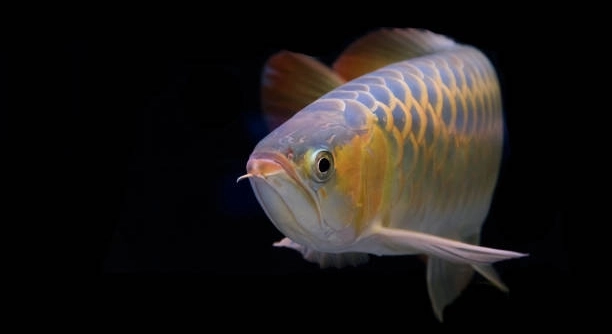
Is your arowana acting a little off lately, perhaps swimming differently or refusing its usual meals? These changes might mean something more than just a simple mood shift.
The most reliable way to know if your arowana isn’t okay is by observing subtle behavioral and physical changes. These include loss of appetite, faded color, clamped fins, erratic swimming, or frequent surface breathing, often signaling stress or illness.
Recognizing these early signs can make all the difference in keeping your fish healthy and preventing more serious problems down the line.
1. Loss of Appetite
When your arowana starts ignoring its meals, it’s often a clear sign that something isn’t right. A healthy arowana usually eats eagerly, so when it refuses food, it could indicate stress, poor water quality, or an underlying illness. Sometimes, sudden temperature changes or dirty water can make them lose interest in eating. Other times, internal parasites or bacterial infections may be to blame. It’s important to check your tank conditions first—ensure the temperature, pH, and ammonia levels are within safe ranges. Try offering a variety of foods to see if appetite improves. If not, veterinary advice might be necessary.
Arowanas can go a few days without eating, but consistent refusal to eat should never be ignored. Catching the issue early can prevent more serious health problems and keep your fish comfortable.
Once your arowana resumes normal eating habits, keep an eye on portion sizes and feeding times. Overfeeding can also lead to digestive issues or cloudy water, which adds more stress. Regular water checks and balanced nutrition are key to avoiding future appetite issues.
2. Faded Color
When your arowana’s colors start fading, it’s a silent indication that something in its environment isn’t suitable. Bright and vibrant scales usually mean good health, but dull or washed-out tones often point to stress, poor diet, or low-quality lighting.
Arowanas rely on proper nutrition and ideal tank conditions to maintain their colors. Inadequate lighting or inconsistent temperatures can affect their pigmentation, making their scales appear lifeless. Start by checking your lighting setup—LED or natural daylight-spectrum lights help enhance coloration. Then, review your arowana’s diet; they need protein-rich foods like shrimp, insects, and pellets formulated for color enhancement. Regular tank maintenance also plays a big role. Dirty or unbalanced water can damage the protective slime coat, causing dullness. Providing a calm, clean, and well-lit environment can gradually bring back those beautiful, shimmering hues your arowana is known for.
3. Clamped Fins
Clamped fins usually mean your arowana is under stress or discomfort. When its fins stay close to the body instead of spreading out, it’s reacting to something unhealthy in the tank environment. Poor water quality or sudden temperature shifts are common causes.
If your arowana’s fins remain clamped for long, check the water parameters immediately. High ammonia or nitrate levels can irritate the skin and gills, leading to this behavior. Maintaining proper filtration and performing regular partial water changes can ease the stress. Avoid overcrowding the tank, as lack of space can also make your fish anxious. Balanced feeding and stable lighting conditions help restore normal fin posture.
Clamped fins can also appear after an infection or parasite issue. Look for additional signs like white spots, redness, or scratching against objects. Quick treatment and clean water can reverse the damage, helping your arowana regain its calm, graceful swimming style.
4. Erratic Swimming
Erratic swimming shows that your arowana is struggling to stay balanced or relaxed. It may dart quickly, swim sideways, or circle repeatedly. These actions often happen when there’s something wrong with the tank setup or your fish’s health.
Arowanas need steady water conditions to move gracefully. When ammonia or nitrite levels spike, it affects their breathing and coordination, leading to unusual swimming. Sometimes, overfeeding can also cause buoyancy issues. To help, test the water immediately, and perform a partial water change if levels are high. Avoid using harsh chemicals or making sudden changes in temperature. Adding an air stone or adjusting filtration can improve oxygen flow. Observe if the fish improves after these adjustments. If it continues swimming abnormally, a swim bladder problem or bacterial infection might be the cause. In such cases, isolating the fish and seeking expert help can prevent further stress or injury.
5. Frequent Surface Breathing
When your arowana keeps going to the surface for air, it usually means the water lacks enough oxygen. Poor aeration, high temperatures, or dirty water can all reduce oxygen levels and make breathing harder for your fish.
Adding an air pump or increasing water movement helps improve oxygen flow. Regular water changes and proper filtration are also essential. Avoid overcrowding, as too many fish can quickly deplete oxygen. Monitoring tank conditions consistently will help prevent this behavior from becoming a recurring problem.
6. Lethargic Behavior
A lethargic arowana that stays still or moves slowly might be experiencing stress or illness. Inactive behavior is often caused by poor water quality, temperature fluctuations, or nutritional deficiencies. Check the environment first, ensuring parameters are stable. A balanced diet and consistent lighting help maintain energy levels and activity.
7. Cloudy Eyes
Cloudy eyes in arowanas usually signal an infection or poor water conditions. The haze can appear in one or both eyes, making it difficult for your fish to see clearly. Clean, stable water and prompt treatment can stop the problem from worsening.
FAQ
Why is my arowana refusing to eat?
Loss of appetite is one of the earliest signs that your arowana isn’t feeling well. Common reasons include poor water quality, temperature changes, stress, or illness. Check the tank’s ammonia, nitrate, and pH levels first. Try offering a variety of foods, including pellets, shrimp, or live insects, to see if it will eat. Consistent refusal over several days often requires veterinary advice, as internal infections or parasites may be the underlying cause.
What does it mean when my arowana’s fins are clamped?
Clamped fins usually indicate stress or discomfort. Poor water conditions, sudden temperature shifts, or overcrowding can trigger this behavior. Observe the fish for additional signs of illness, like white spots or redness. Maintaining clean, stable water and proper lighting can often restore normal fin posture over time. Avoid moving the fish between tanks too frequently, as sudden changes increase stress.
How can I tell if my arowana is stressed?
Stress in arowanas can show in several ways, including faded color, clamped fins, frequent surface breathing, erratic swimming, or lethargy. Environmental factors like poor water quality, low oxygen, inconsistent temperature, or overcrowding are the most common causes. Quick intervention with water checks, partial water changes, and stable conditions helps reduce stress and prevents long-term health issues.
Why are my arowana’s colors fading?
Faded color often signals environmental or dietary problems. Arowanas need proper nutrition, clean water, and consistent lighting to maintain their vibrant scales. Inadequate light, low-quality food, or stressful surroundings can dull their appearance. Enhancing their diet with protein-rich foods and improving tank conditions gradually brings back healthy coloration.
What causes erratic swimming in arowanas?
Erratic swimming often points to balance or health problems. High ammonia or nitrite levels, overfeeding, or swim bladder issues can lead to unusual movements. Observe the fish closely, check water parameters, and adjust feeding practices. If abnormal swimming continues despite stable conditions, a bacterial infection or internal issue may need professional attention.
How do I fix frequent surface breathing?
Frequent surface breathing usually happens when oxygen levels are low. Increase aeration using an air pump, water movement, or an air stone. Clean the tank and perform regular water changes to improve overall quality. Avoid overcrowding, as too many fish will reduce oxygen availability. Monitoring tank conditions consistently will help prevent recurring issues.
What should I do if my arowana seems lethargic?
Lethargy can result from stress, poor water conditions, illness, or nutritional deficiencies. Ensure water parameters are stable and feeding is consistent. Provide balanced food and maintain a calm, well-lit environment. Persistent lethargy may indicate a deeper health problem requiring veterinary evaluation to prevent complications.
Are cloudy eyes serious in arowanas?
Cloudy eyes usually indicate an infection, poor water quality, or injury. Both eyes or one may be affected, reducing vision. Maintaining clean water and addressing infections promptly is essential. Early treatment can prevent permanent damage and ensure your arowana remains healthy and active.
How often should I test water for my arowana?
Testing water at least once a week is recommended. Regular checks for ammonia, nitrite, nitrate, pH, and temperature help prevent stress and illness. Quick action after detecting imbalances is crucial for maintaining your arowana’s health and preventing long-term problems.
Can diet alone improve my arowana’s health?
Diet is important, but it works best alongside proper water quality and stable conditions. Protein-rich foods, variety, and nutrients for coloration help maintain health. However, poor tank conditions or infections cannot be solved by diet alone, making environmental management equally essential.
What signs mean I should contact a vet?
Persistent loss of appetite, lethargy, abnormal swimming, clamped fins, cloudy eyes, or worsening color are red flags. If these signs continue despite proper water management and feeding, professional evaluation is necessary. Early intervention can prevent severe illness or death.
How can I prevent health problems in my arowana?
Maintaining stable water parameters, providing a balanced diet, avoiding overcrowding, and keeping a clean tank are the best preventive measures. Regular observation helps catch subtle signs early. Consistency in care reduces stress and supports long-term health, allowing your arowana to thrive in its environment.
Is temperature important for my arowana’s well-being?
Yes, arowanas are sensitive to temperature fluctuations. Sudden changes can trigger stress, loss of appetite, or illness. Keep the tank within the species-specific range and use a reliable heater or thermometer. Gradual adjustments are safer than abrupt changes, ensuring comfort and stability for your fish.
Can overfeeding harm my arowana?
Overfeeding can cause digestive issues, water quality problems, and obesity. Uneaten food decomposes, raising ammonia and nitrate levels, which stresses the fish. Feed small, controlled portions and remove leftover food. Balanced feeding promotes health while keeping the tank clean and oxygen levels stable.
How long can an arowana survive without food?
Healthy adult arowanas can survive a few days without food, but prolonged fasting signals a problem. Continuous refusal may indicate illness, stress, or poor water conditions. Early detection of these causes is essential to prevent long-term health issues or mortality.
What are the signs of water quality issues?
Signs include cloudy water, foul odor, frequent surface breathing, and unusual swimming. Ammonia or nitrite spikes often cause stress and illness. Regular testing, partial water changes, and proper filtration are necessary to maintain a safe, healthy environment for your arowana.
How important is tank size for my arowana?
Tank size is crucial because arowanas need space to swim freely. Overcrowded or too-small tanks increase stress, aggression, and susceptibility to disease. A minimum of 250 gallons is recommended for adult arowanas, along with secure covers, stable conditions, and enough room to move comfortably.
What should I do if my arowana has an infection?
Prompt treatment is essential. Isolate the affected fish, maintain clean water, and use appropriate medications. Follow dosage instructions carefully. Observing the fish daily helps track recovery. Treating early prevents the infection from spreading and ensures your arowana returns to normal behavior quickly.
Can stress cause multiple health issues at once?
Yes, stress weakens the immune system, causing appetite loss, color fading, clamped fins, lethargy, and erratic swimming. Reducing stress through clean water, stable temperature, proper diet, and enough space is key to preventing multiple problems from occurring simultaneously.
How do I know if my arowana is recovering?
Recovery is evident when appetite returns, fins open normally, color brightens, swimming stabilizes, and energy increases. Monitoring water quality, diet, and overall behavior ensures continued improvement. Gradual progress indicates your care and environment are supporting healing effectively.
Final Thoughts
Caring for an arowana can be very rewarding, but it requires consistent attention and observation. These fish are sensitive to their environment, and even small changes can affect their health. Watching for subtle signs such as loss of appetite, clamped fins, faded colors, or erratic swimming is essential. Early detection allows you to act before minor issues become serious problems. Keeping water clean and stable, maintaining proper temperature, and providing a balanced diet are the foundation of healthy arowanas. Regular monitoring of ammonia, nitrite, nitrate, and pH levels is important because poor water quality is a leading cause of stress and illness. In addition to the physical environment, the fish’s behavior often gives the clearest insight into their condition. Noticing changes early helps prevent more complicated health problems and ensures your arowana remains active and vibrant.
An arowana’s diet plays a major role in its overall health and appearance. Feeding protein-rich foods, like shrimp, insects, or high-quality pellets, provides essential nutrients. Variety in food keeps them interested and ensures they get a full range of nutrients. Overfeeding should be avoided because leftover food can pollute the tank, leading to ammonia spikes and reduced oxygen levels. While food alone cannot prevent all health problems, it works together with proper water conditions and care practices to maintain energy, bright colors, and strong immunity. Observing your fish during feeding times can also reveal early warning signs, like disinterest in food or difficulty swallowing. Combining attentive feeding practices with a clean and stable environment forms the core of effective arowana care, helping them thrive for years.
Consistency and patience are key when keeping an arowana. Sudden changes in temperature, overcrowding, or poor water quality create stress, which can lead to multiple health problems at once. Even with careful care, arowanas may occasionally show subtle signs of illness. The best approach is to monitor their behavior daily and respond quickly to changes. Simple steps, like adjusting water conditions, checking filtration, or isolating a sick fish, often make a significant difference. Keeping arowanas healthy is about creating a stable, comfortable environment and maintaining consistent routines. Over time, this attention to detail allows the fish to display their full natural beauty, strong swimming habits, and vibrant colors, making the effort worthwhile. Observing and understanding these subtle signals ensures your arowana stays happy and healthy, while giving you confidence in your care.

Hello,
If you enjoy the content that we create, please consider saying a "Thank You!" by leaving a tip.
Every little bit helps us continue crafting quality advice that supports the health, happiness, and well-being of pets around the world, for pets of all shapes, sizes, and species.
We really appreciate the kindness and support that you show us!